
 3 min read
From vintage décor to jewelry and collectibles, nostalgia is trending. That’s true even in our gardens, where the enchanting plants our grandparents loved are making a well-deserved comeback due to their beauty and charm.
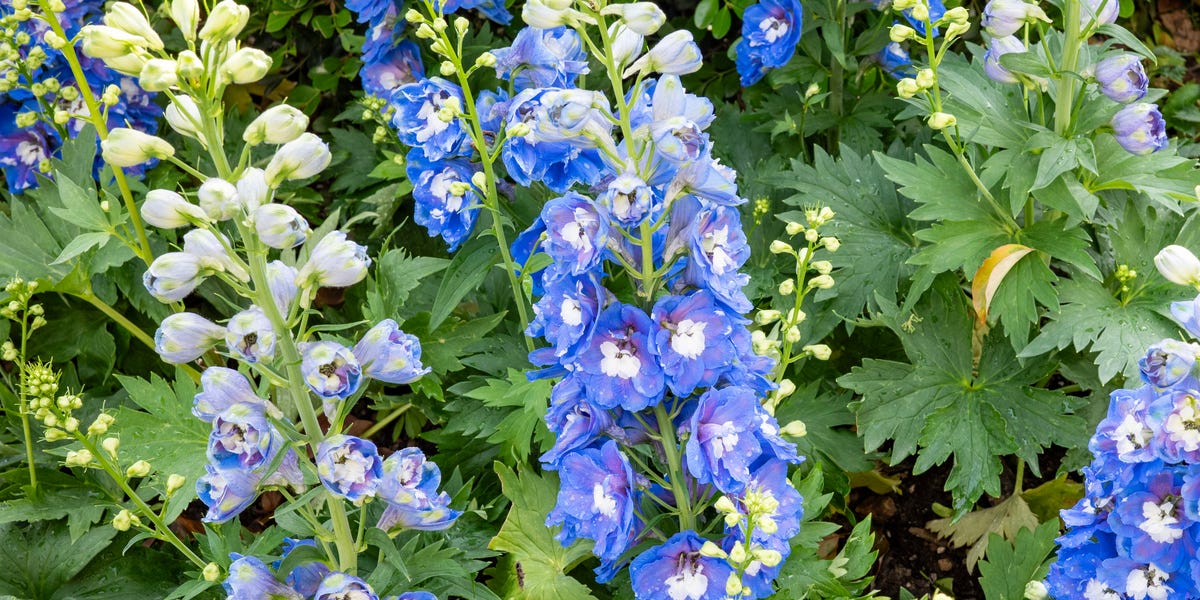
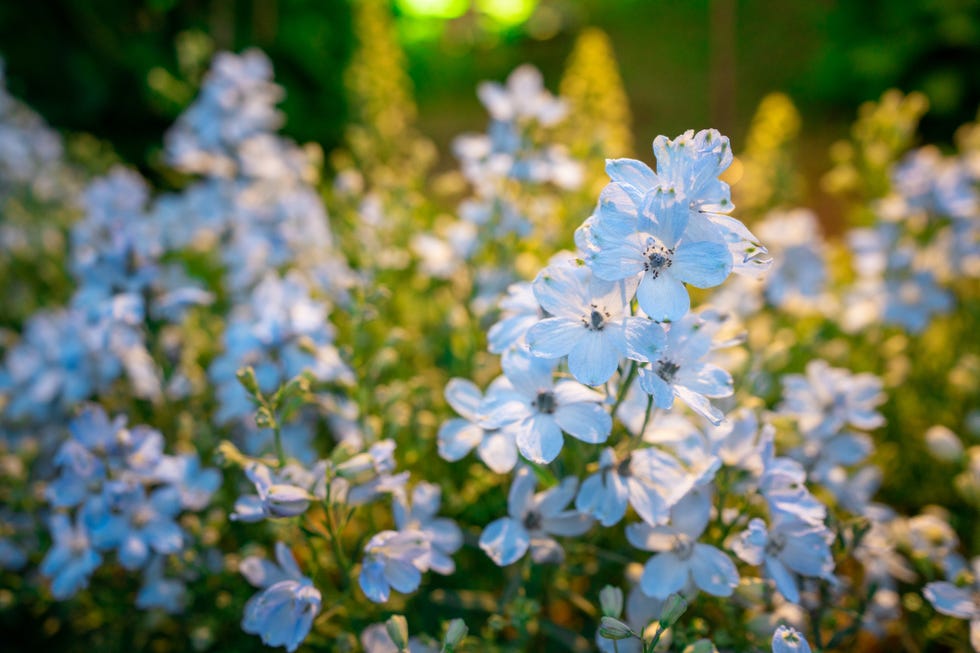
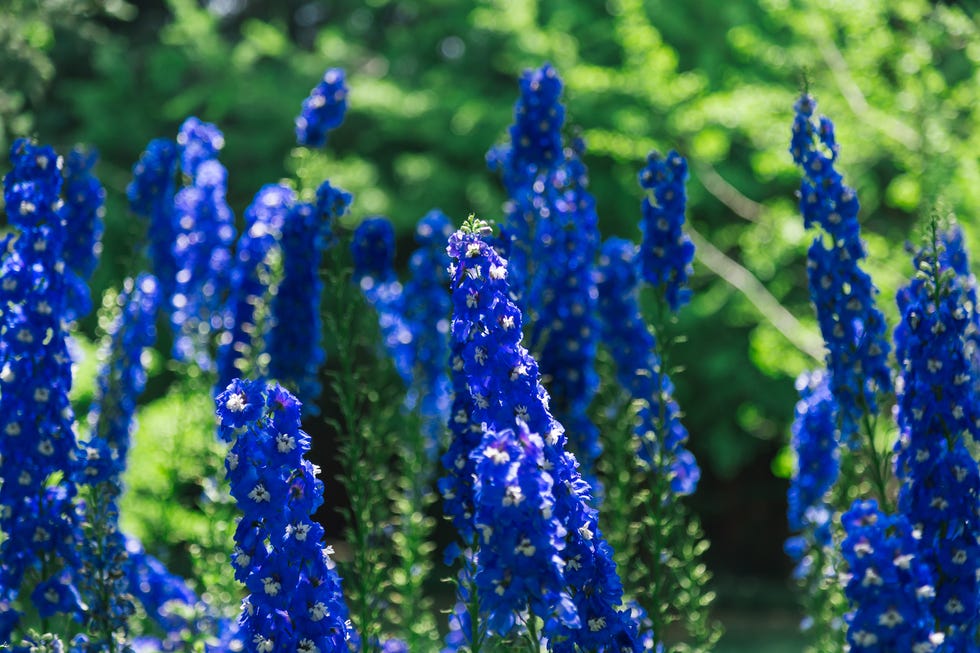
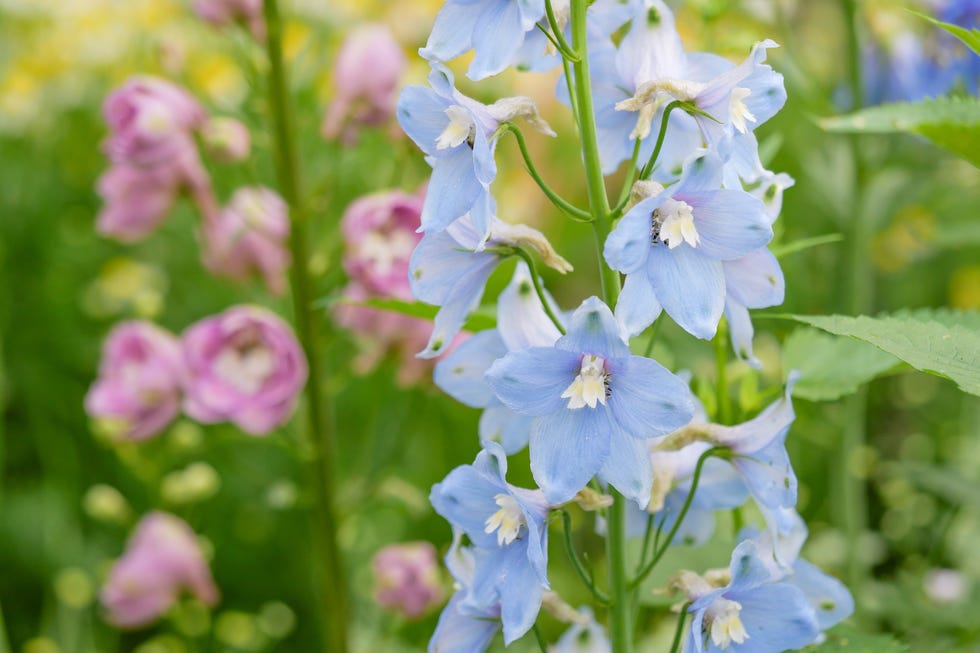
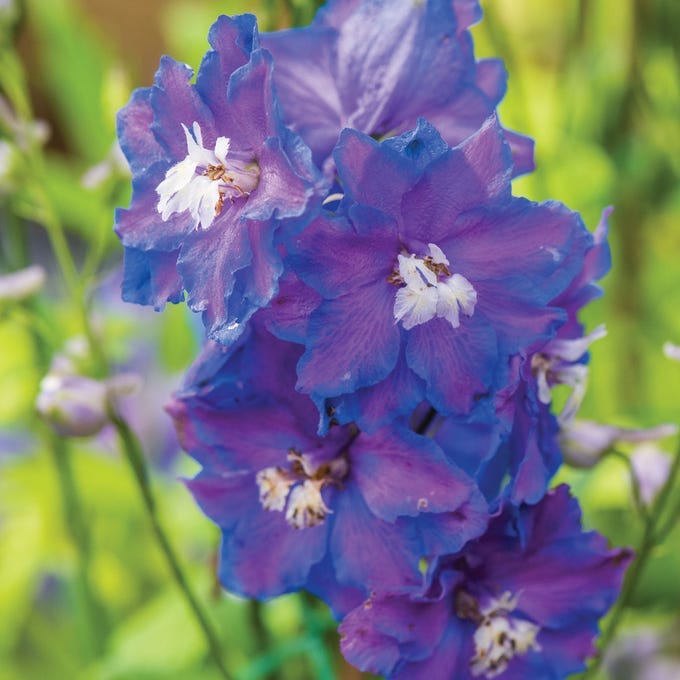
One of the most exquisite old-fashioned flowers that’s regaining popularity is delphinium, which offers stunning spikes of blooms in shades of blue, purple, lavender, red, and pink. Some of the colors are so vibrant that the flowers don’t even look real! The fuzzy centers, referred to as “bees” because they resemble a bee resting inside the flower, are often a contrasting color.
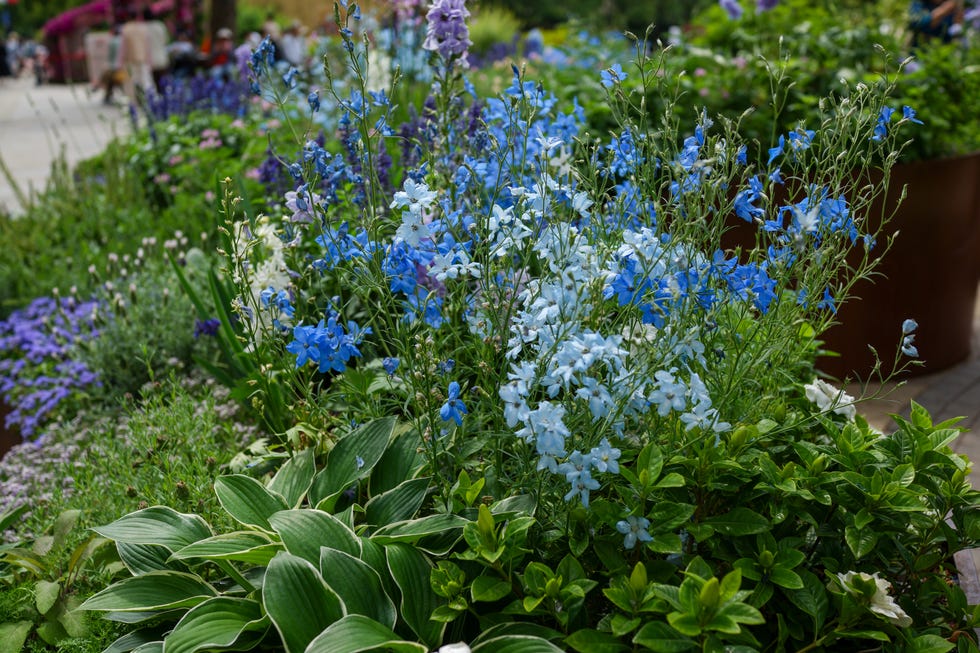
Depending on the variety, delphiniums grow 5 to 6 feet tall, though dwarf varieties max out at 18 inches to 2 feet tall. They prefer cool-ish summers and can be a little fussy in hot, humid climates. But where you can grow them, they’re well worth the effort for their unrivaled beauty. Best of all, deer and bunnies tend to leave this plant alone.
wulingyun//Getty Images
Typically, delphiniums do best in USDA zones 3 to 7 as perennials (find your zone here). They are considered a short-lived perennial that thrives for several years before needing to be replanted. In hot climates, they’re often treated as annuals and replanted every year.
Delphiniums (Delphinium spp.) also are known by the common name of larkspur. This can be confusing because another plant, also commonly known as larkspur, is actually a totally different plant in the Consolida species. This type of larkspur plant has looser, daintier blooms, flowers in late spring (earlier than delphiniums, which flower in summer), and is an annual.
Side note for pet parents: Delphiniums are toxic to pets if ingested, so if you have a nibbler, keep them away from delphinium plants. Also, wear gloves when handling because the foliage can cause skin irritation in sensitive people.
Ahead, here’s how to grow and care for these dreamy flowers:
TravelCouples//Getty Images
Where to Plant Delphinium
Make sure delphiniums are planted in a sheltered location, such as up against a fence line or your house, to prevent taller varieties from being toppled by harsh winds or heavy rain. They make the most aesthetic impact if planted in groups, rather than one here and there. They’re equally lovely in a cottage garden, cutting garden, English garden, or mixed border.
LEETHOVEN//Getty Images
How to Plant Delphinium
Plant the seedlings in spring, or start from seed indoors about 8 to 10 weeks before the last expected frost in your area in order to give them a head start so they’ll bloom the first season. Soak the seeds overnight to aid germination, and cover lightly with a sprinkle of soil. Keep them evenly moist and transplant when they’re a few inches tall, spacing them about 12 to 18 inches apart or more, depending on the mature plant’s size.
kazue tanaka//Getty Images
How to Care for Delphiniums
Delphiniums can be fussy in some climates, but their loveliness makes them worth your efforts. Deadheading can encourage additional late-season blooms.
Light
Delphiniums need full sun, which is considered six or more hours of direct sunlight per day. They prefer morning and early afternoon sun but appreciate afternoon shade, especially in hot climates.
Soil
Delphiniums need well-drained soil, preferably rich in nutrients. They don’t do well in heavy or clay soils.
Water
Delphiniums like constant moisture, so be sure to water when the plants are first establishing their root systems and during any dry spells. Aim for slightly moist—not sopping wet—soil. If you’re not sure, poke your finger into the soil first to test before watering.
Fertilizer
Fertilize with an all-purpose, balanced fertilizer every few weeks, or apply a similar slow-release granular type in spring.
Burpee Natural Purpose Granular 4-Lb Organic Plant Food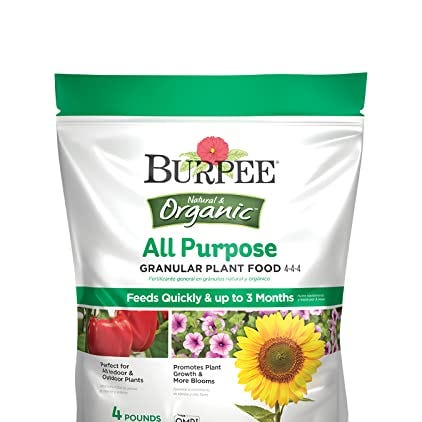 Common Problems with Delphiniums
Delphiniums are susceptible to powdery mildew, so make sure to plant so that there’s good airflow around them. They occasionally may be attacked by aphids, so inspect plants regularly; a blast from the garden hose will wash them away and usually is sufficient if caught early. Snails and slugs also may cause damage occasionally. Staking is needed for taller varieties so they don’t fall over.
Breeze Touch 6-Pack Plant Stakes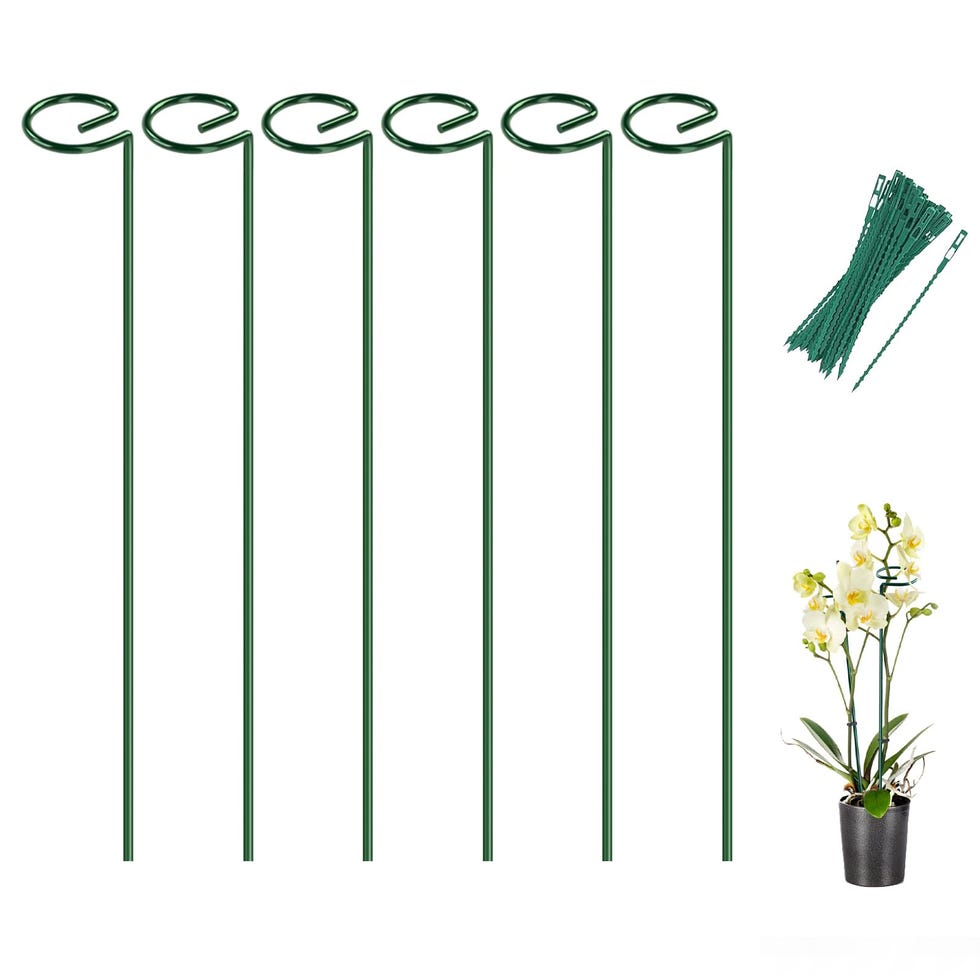
4FR//Getty Images
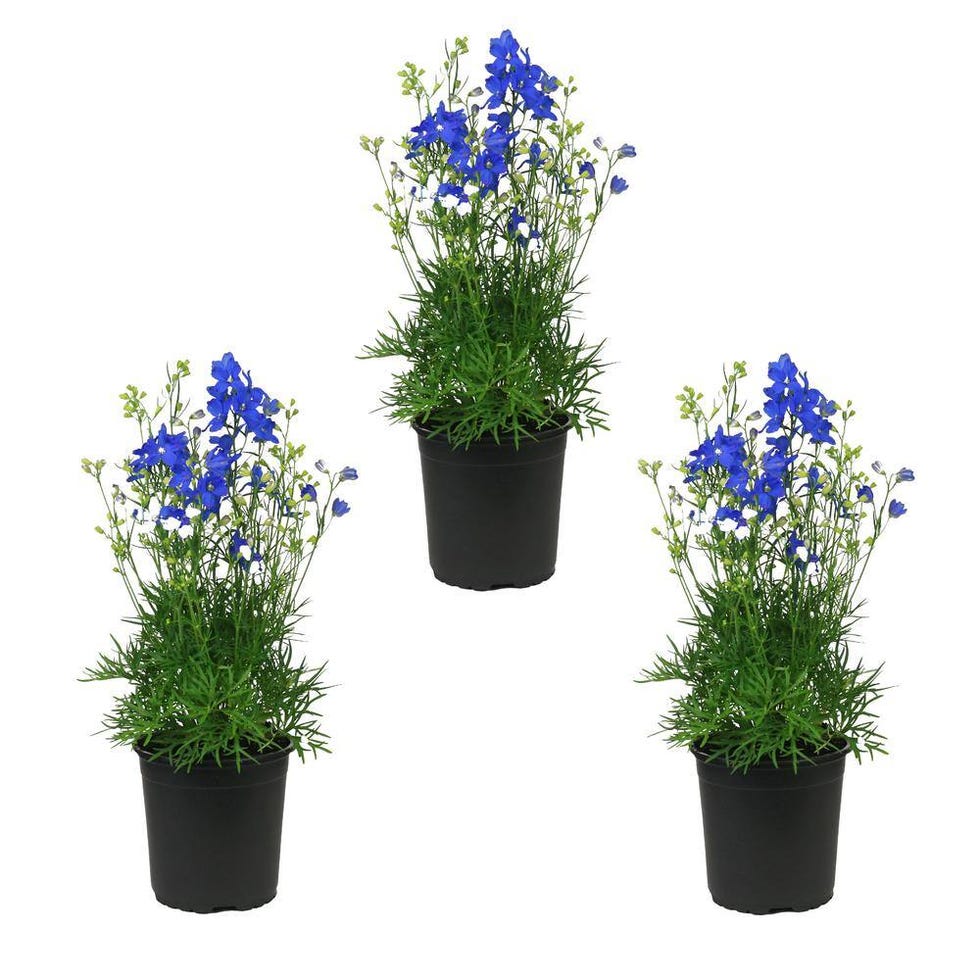
Varieties of DelphiniumsViolets are Blue Gorgeous deep purple flowers with white bees in the center. They reach 18 to 24 inches without staking.Black Eyed Angels Pure white blooms with black bees make this 24-inch tall plant perfect for any garden setting.Candle Light Blue Pale blue flowers cover this 48-inch tall plant, making it the perfect cottage garden accent.Red Lark Coral red flowers are densely packed on a plant that reaches 24 inches tall. It typically doesn’t need staking.Where to Buy Delphiniums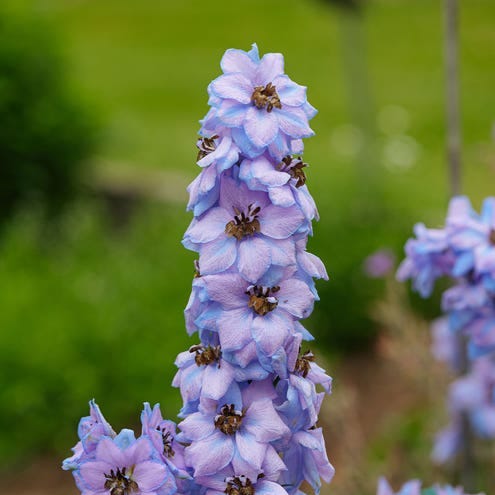
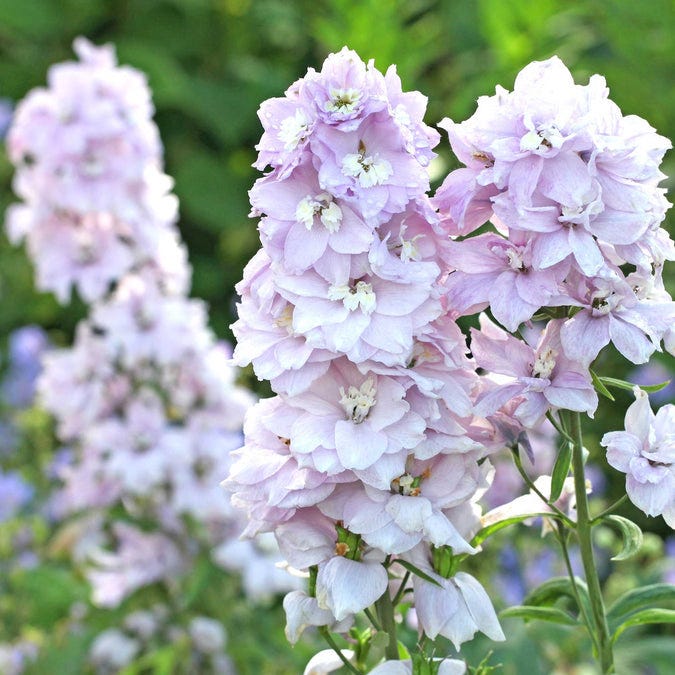 Magic Fountains Cherry Blossom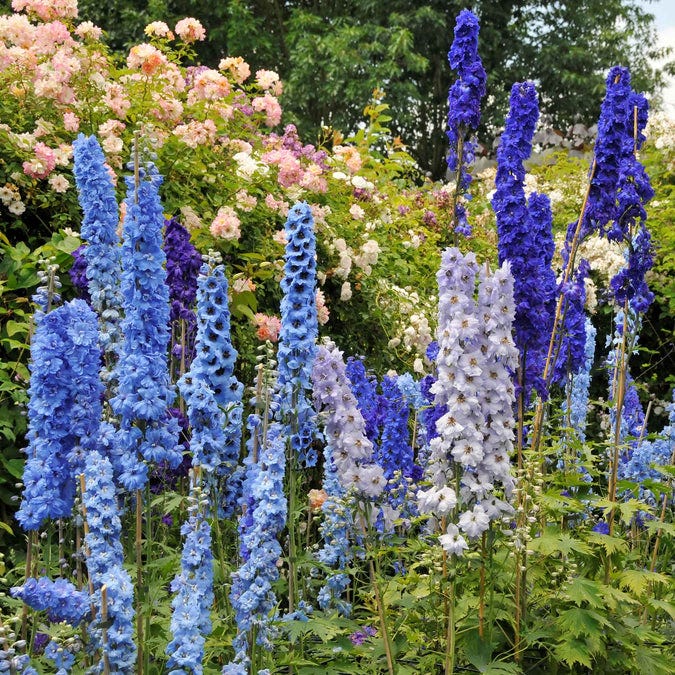
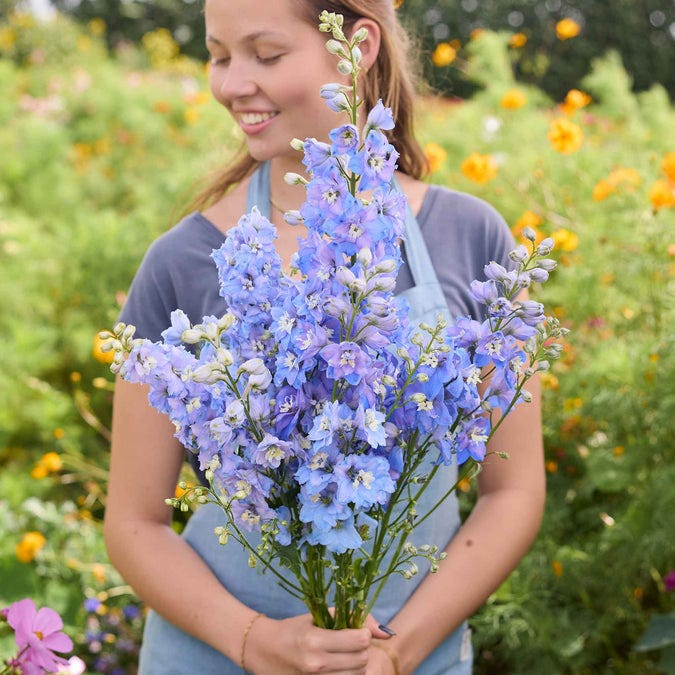

Arricca Elin SanSone is a writer, editor, and content creator who specializes in lifestyle and gardening. With a background in health reporting, she applies these same research skills when writing about the science of growing things. She trials new plants in her expansive garden, and her houseplant collection consists of 60+ varieties. Arricca has written thousands of articles for publications such as Country Living, House Beautiful, Good Housekeeping, Prevention, VERANDA, Southern Living, and more. She’s happiest when digging in the dirt, baking, or spending time with the people and dogs she loves.
Comments are closed.