
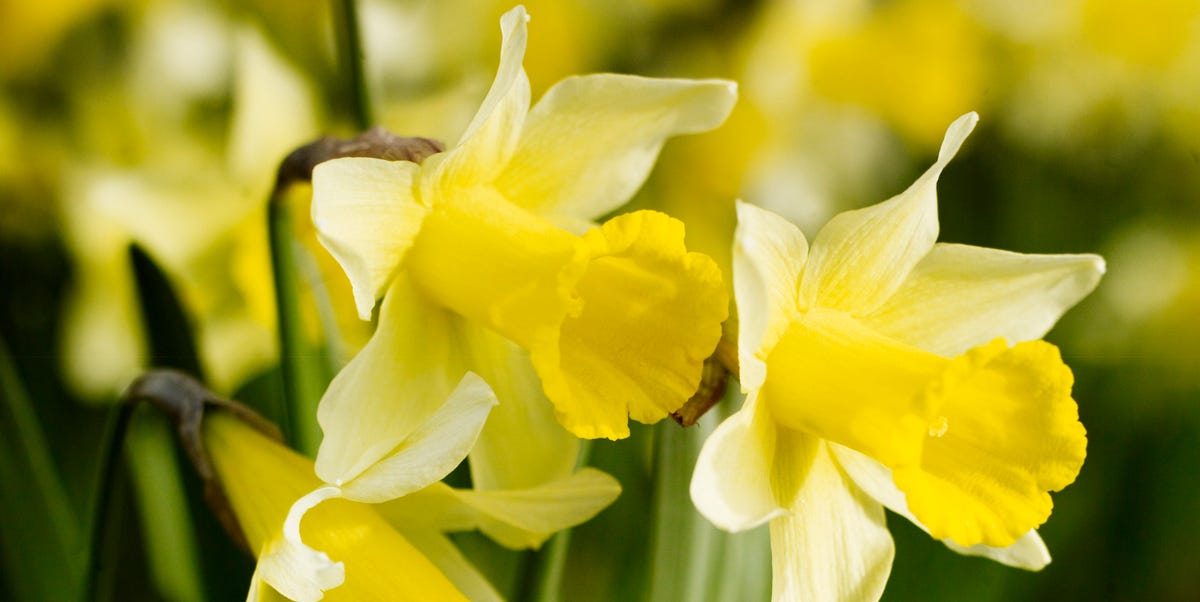
Spring is in full swing and daffodils are bringing a burst of yellow cheer to gardens across the UK.
But what happens when these vibrant blooms start to die?
We talked to two of the UK’s top gardening minds – Jinny Blom, award-winning landscape designer and RHS Chelsea Flower Show star, and Nigel Dunnett, Professor of Planting Design and Urban Horticulture – to find out exactly what to do once your daffodils have had their moment.
What to do with daffodils once they’ve finished blooming
All the experts agree on the number one rule: don’t be too hasty with the secateurs. Wait around six weeks before you cut back any leaves or stems.
“I like to plant daffodils in places where they can die back naturally,” says Jinny. This helps to disguise them after the blooms have faded – think long grass or spring borders, where other plants will soon grow and cover the fading foliage.
Nigel agrees: “The key thing is not to cut back the leaves until they begin to discolour and die back – usually around six weeks. That time lets the plant push all the good stuff back into the bulb so it’s raring to go again next year.”
The only thing you can do before then is snip off any dead flowers, to stop the plant from wasting energy on seed-making.
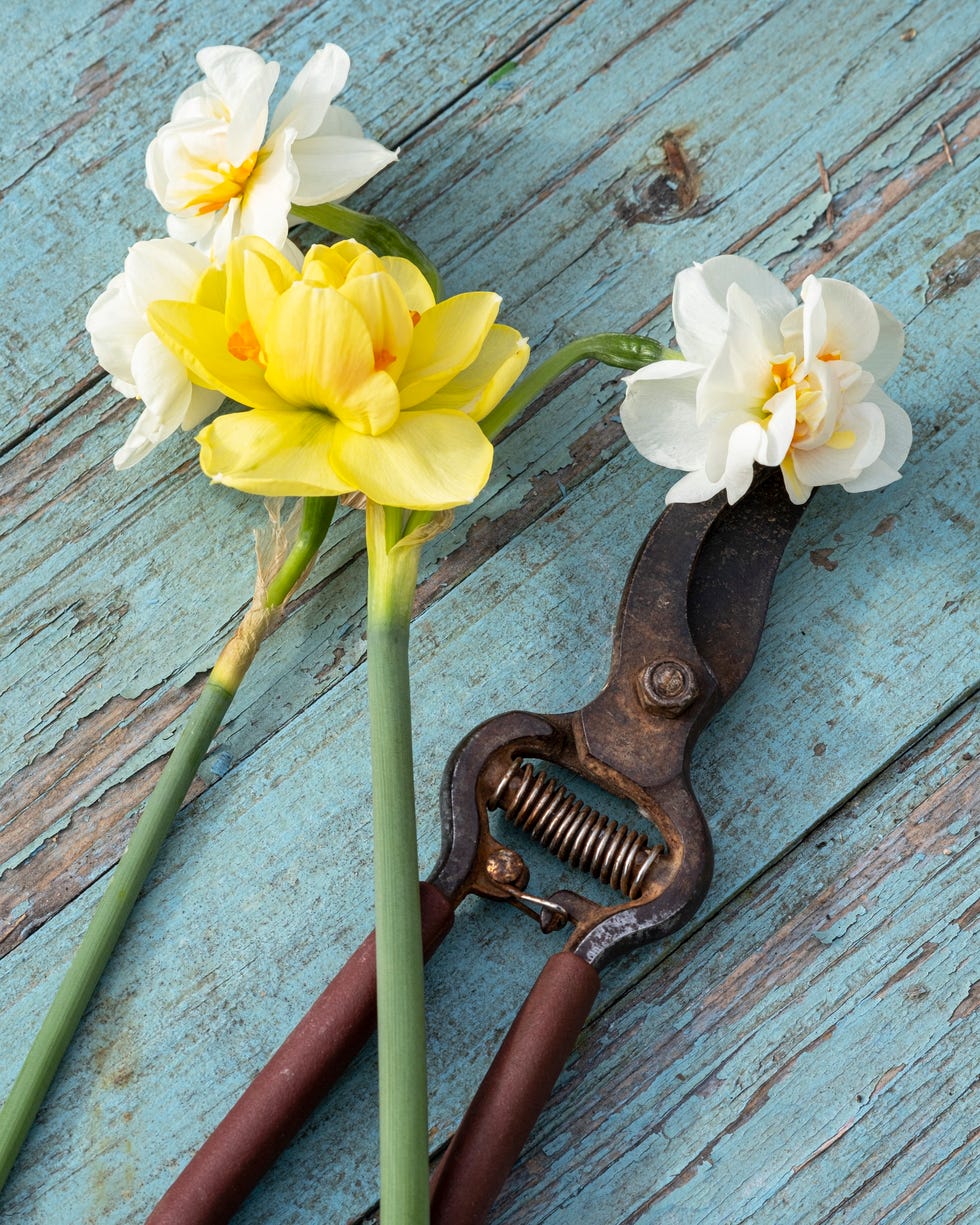
 Should you cut down daffodils after they bloom?
“Absolutely not. In fact, it’s better if you don’t. The foliage feeds the bulb for the following year,” says Jinny. So, unless you want fewer flowers next spring, hands off.
Instead, Nigel recommends playing the long game. He suggests: “Plant other things around the daffodils – their leaves will grow up and hide the dying bits. Or plant your daffodils at the back of beds so they’re less in-your-face when they start to fade.”
If you have daffodils in your garden, wait six weeks post-bloom before you cut the grass, Also, throwing some wildflowers into the mix with your planting – like oxeye daisies, cranesbill or knapweed – will carry the colour through summer and distract from the fade-out.
What’s the best method for tying up daffodils after blooming?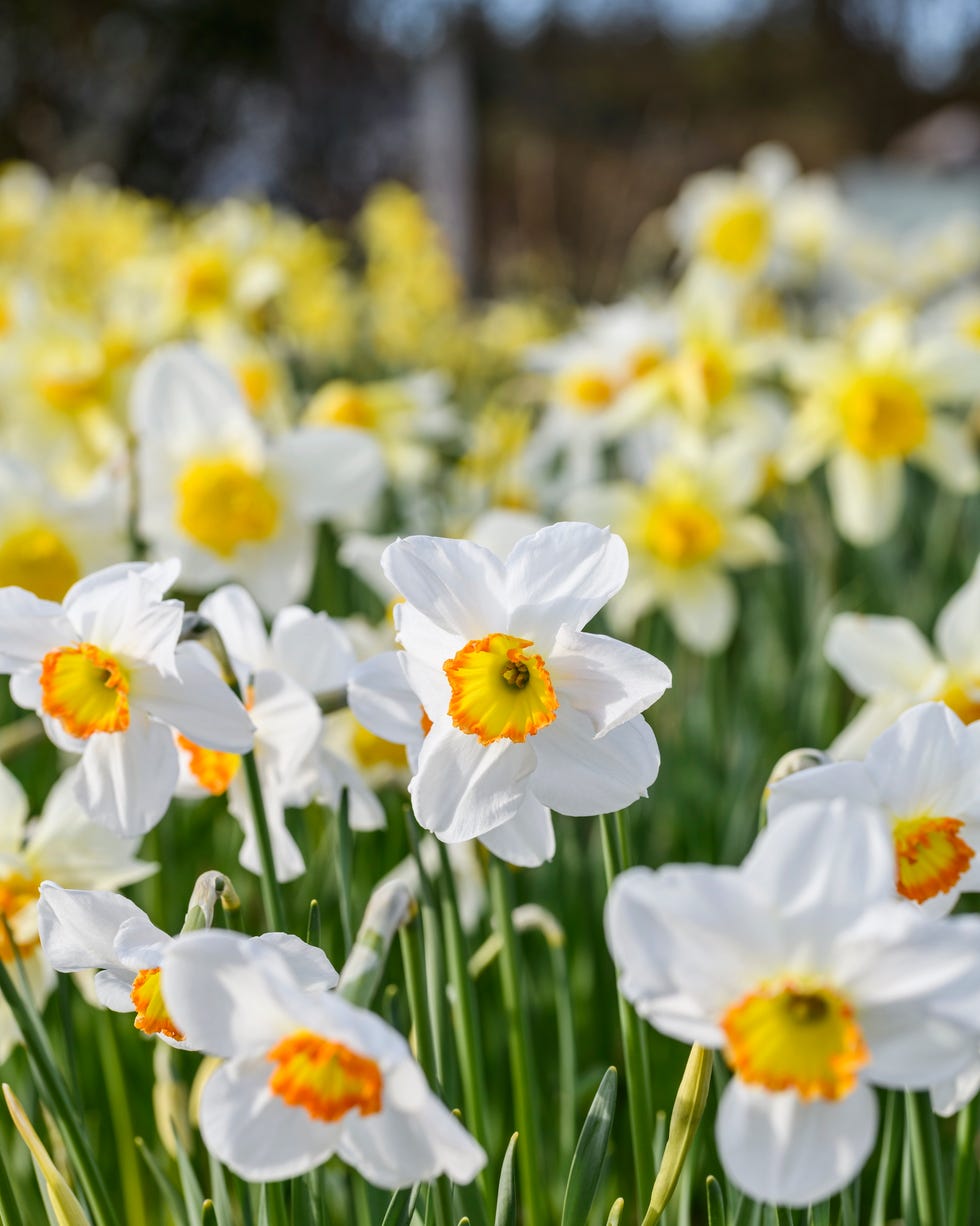
Country Living / Jason Ingram
You may have seen people twist or tie daffodil leaves like they’re plaiting hair – but both experts wouldn’t recommend this technique.
Nigel explains: “Tying them can damage the leaves and open them up to disease. Just let nature do its thing – plant them amongst other long-flowering perennials and let them melt back gracefully.”
What happens if you don’t deadhead daffodils once they’ve finished flowering?
If you’re only dealing with a few daffodils, deadheading is worth the effort. It keeps the plant focused on next year’s blooms instead of making seeds.
“If you’ve planted huge drifts, it might not be practical,” says Jinny. “Not deadheading may reduce the number of flowers over time.”
Nigel adds: “You might get a lot of leaves but no flowers next year – all that energy went into seeds instead of prepping the bulb.”
Daffodils might only grace us with their beautiful presence for a short while each spring, but with a little care after they bloom, they’ll return even brighter and more vibrant next year. Your garden (or balcony or window box) will thank you.
The best spring and Easter wreaths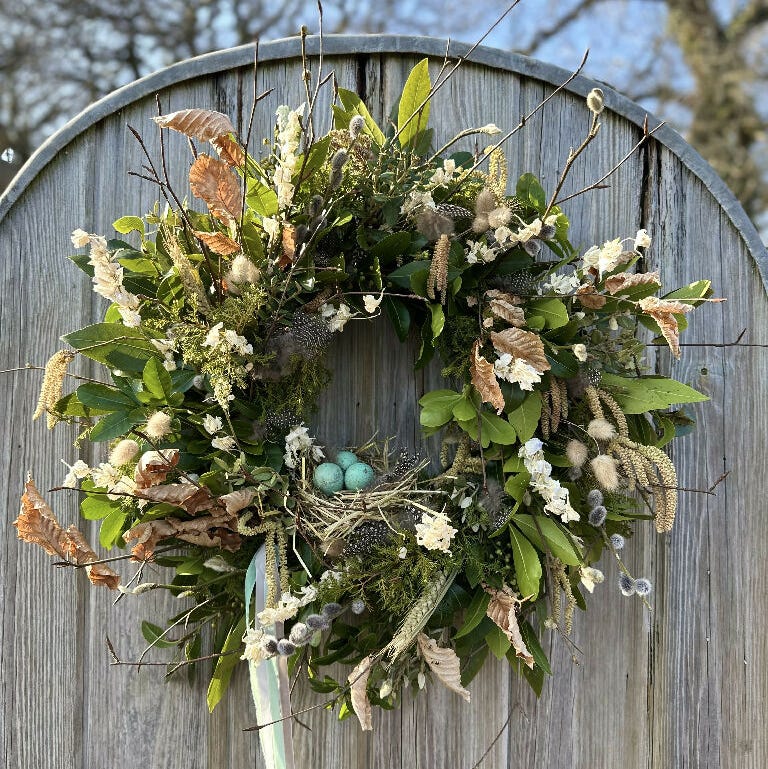 Natural Easter Spring Wreath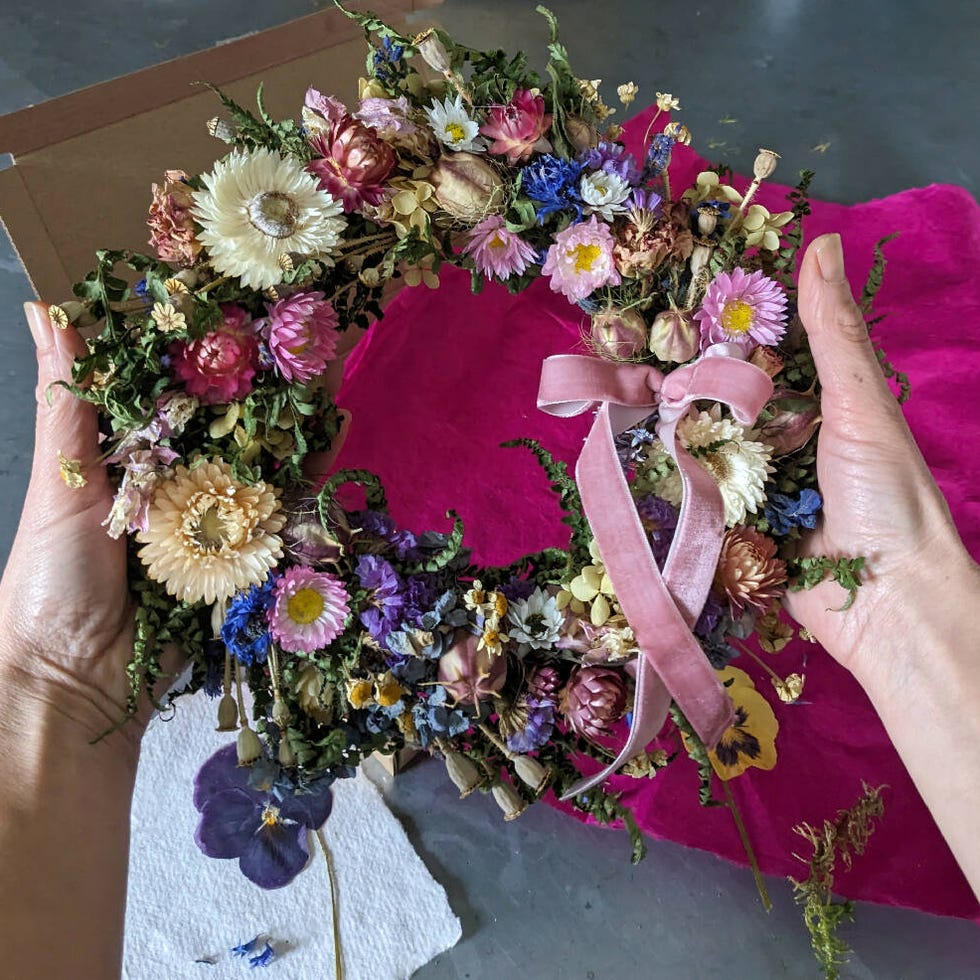
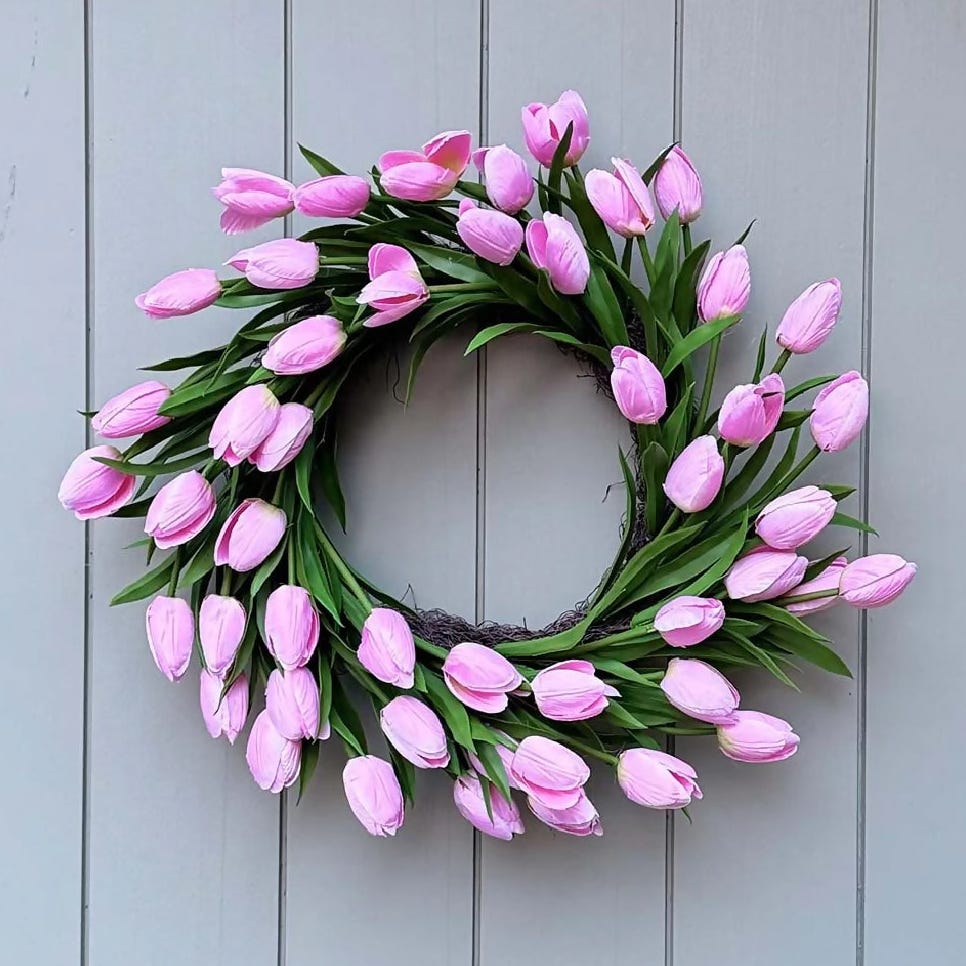
 60cm Oversized Pre Lit Spring Flower Wreath
Now 21% Off
Credit: lights4fun.co.uk
Easter wreath
 My Felting Heart Felt Pom Pom Spring Wreath
Now 35% Off
Credit: Notonthehighstreet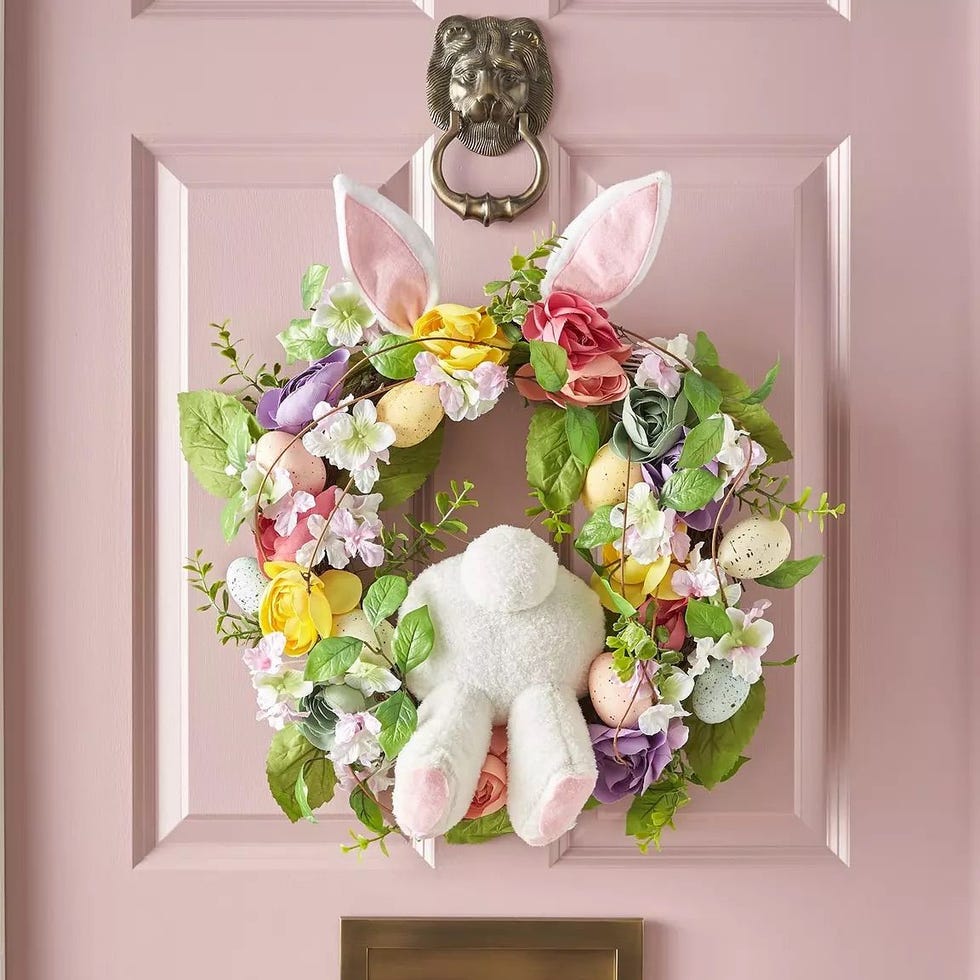 Easter Wreath with RabbitCredit: very.co.uk
Comments are closed.