
 3 min read
As a garden writer, my patio is filled with containers of colorful, sun-loving flowers such as cuphea, calibrachoa, lisianthus, and verbena. But my shady front door presents a challenge. I want flowers that add a punch of color, yet provide an elegant and understated welcome—and I want them to look good all summer long.
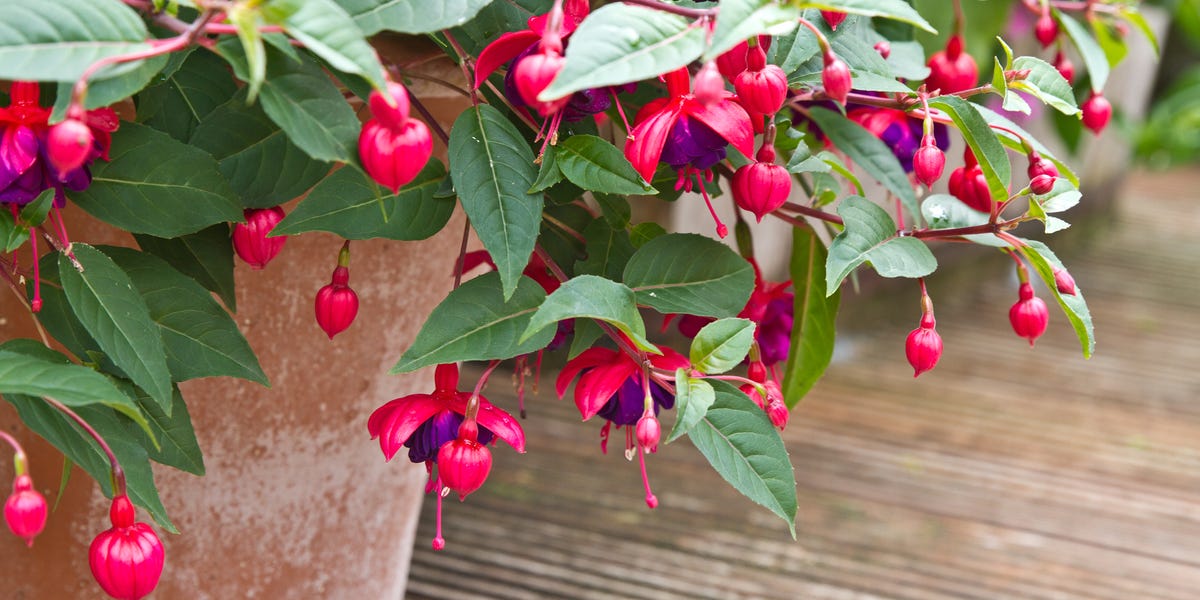
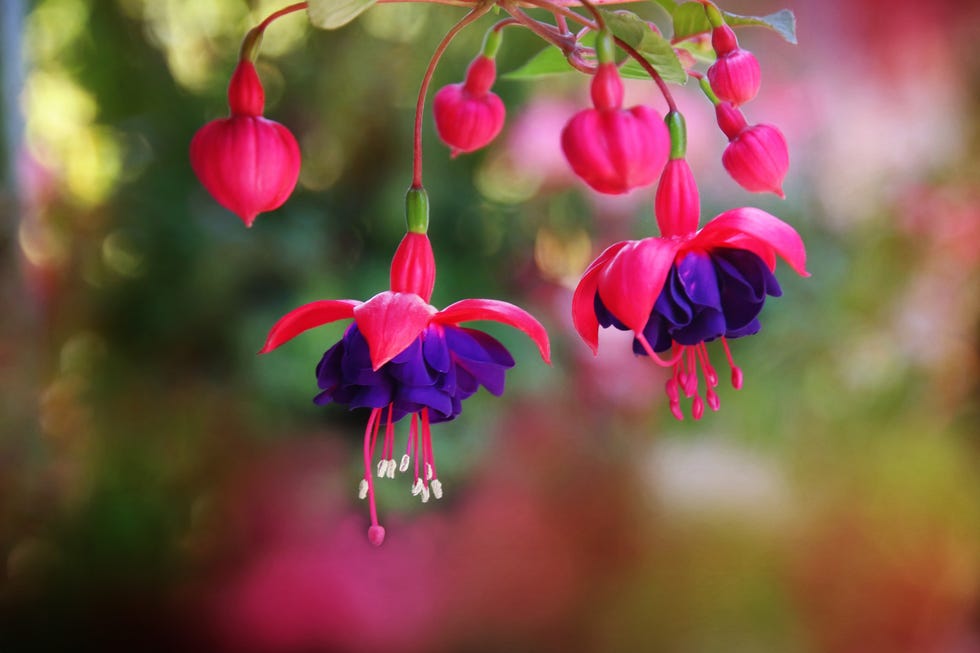
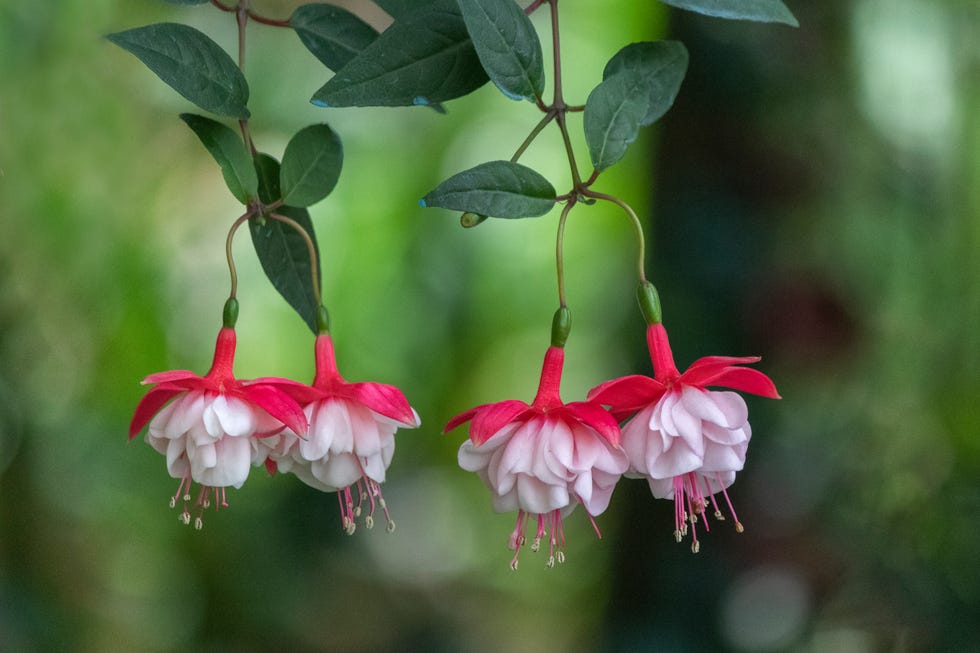
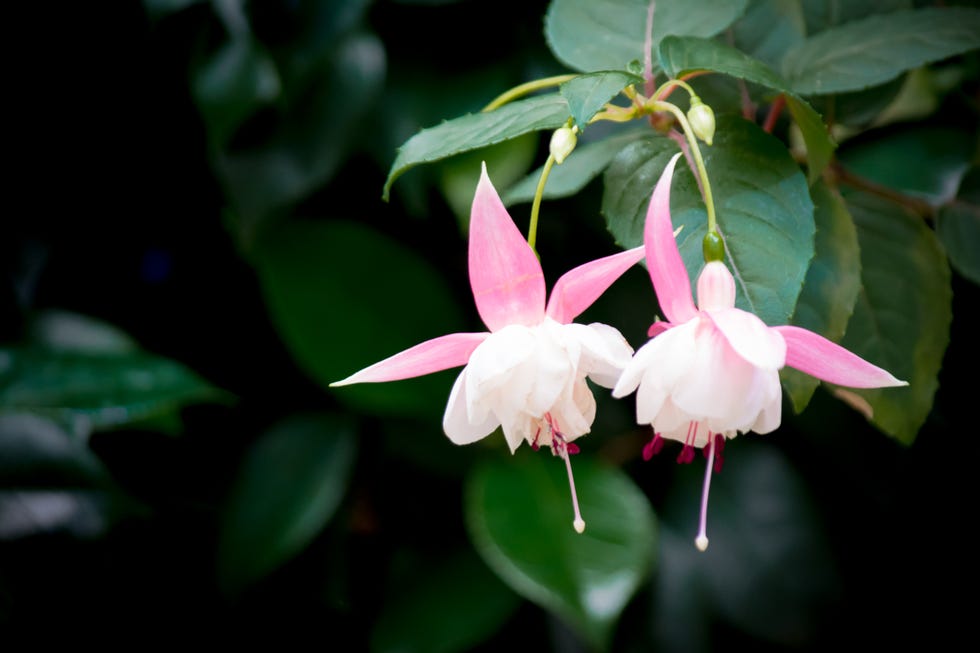
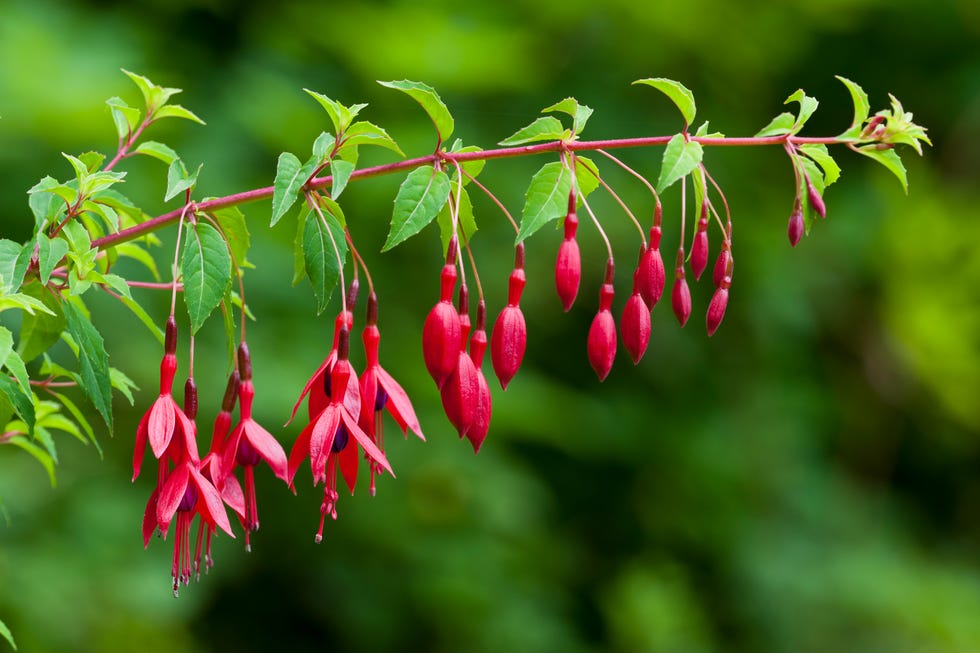
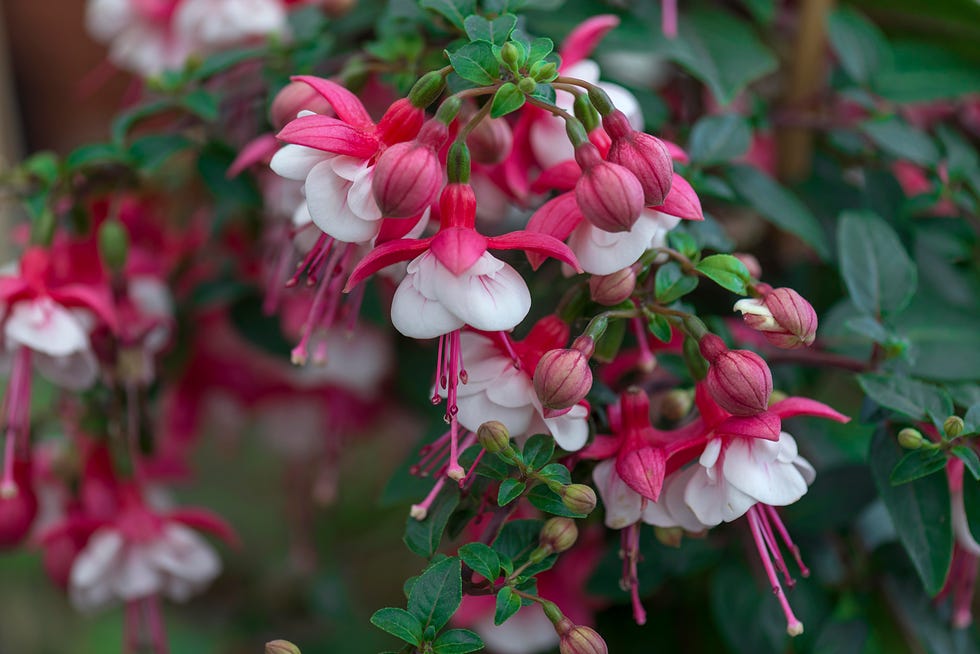
For sheer drama in the shade, nothing beats fuchsia. The sophisticated, dangling blooms come in vivid, multicolored shades of fuchsia, crimson, pink, deep purple, and white. Trailing types are spectacular in hanging baskets or when draping elegantly over the edges of vintage planters or urns. Some varieties are more upright and may be grown as shrubby perennials in warm climates.
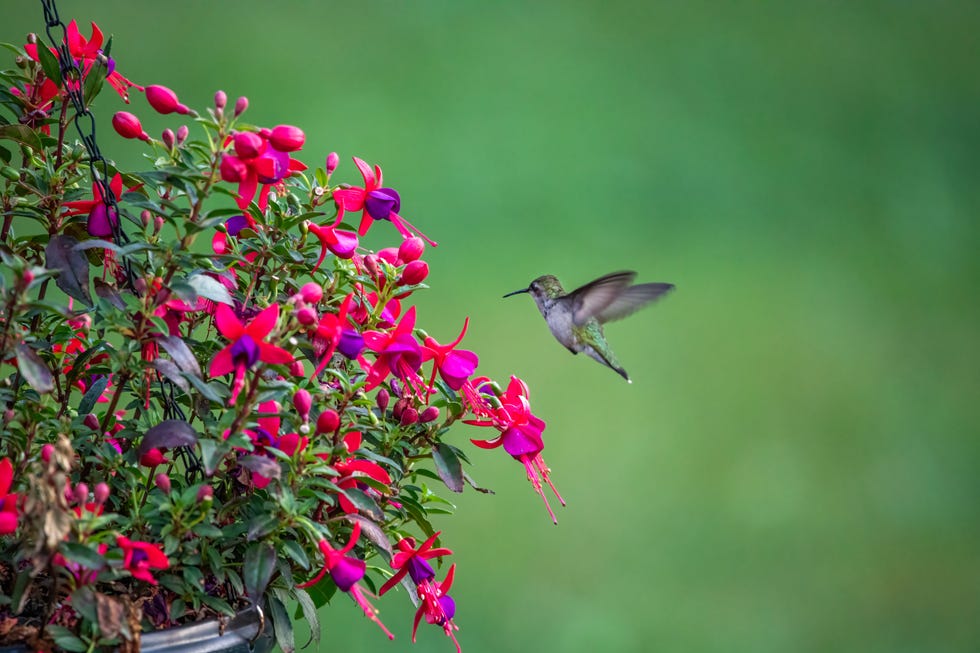
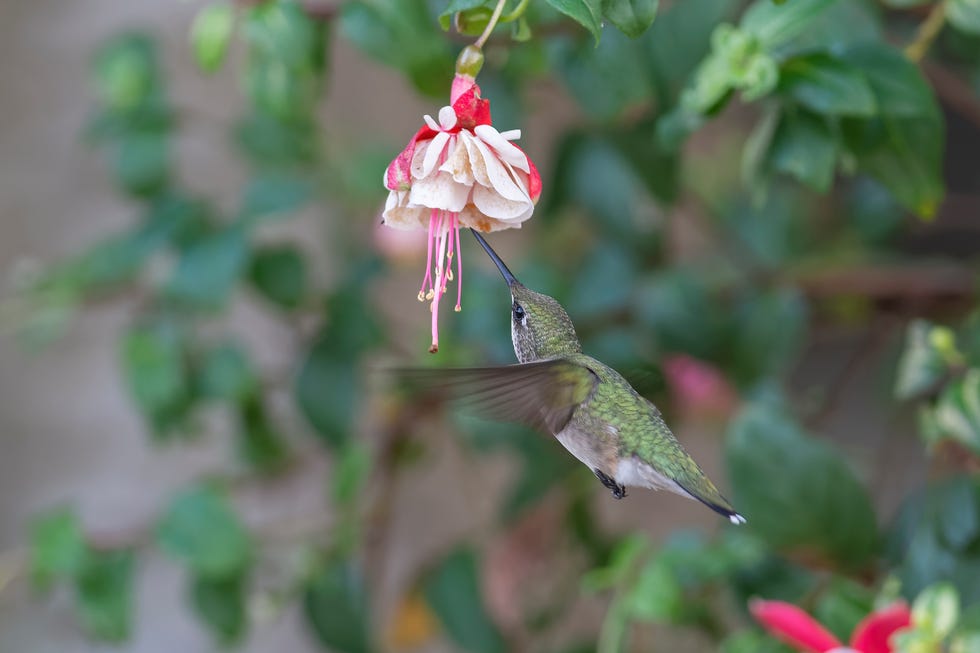
In addition to their dazzling blooms, which appear from spring to fall, fuchsias (Fuchsia spp.) are a favorite of hummingbirds, who zip in and out of the brilliantly colored flowers multiple times a day. Other pollinators such as bees, moths, and butterflies also like to sip the nectar.
Ali Majdfar//Getty Images
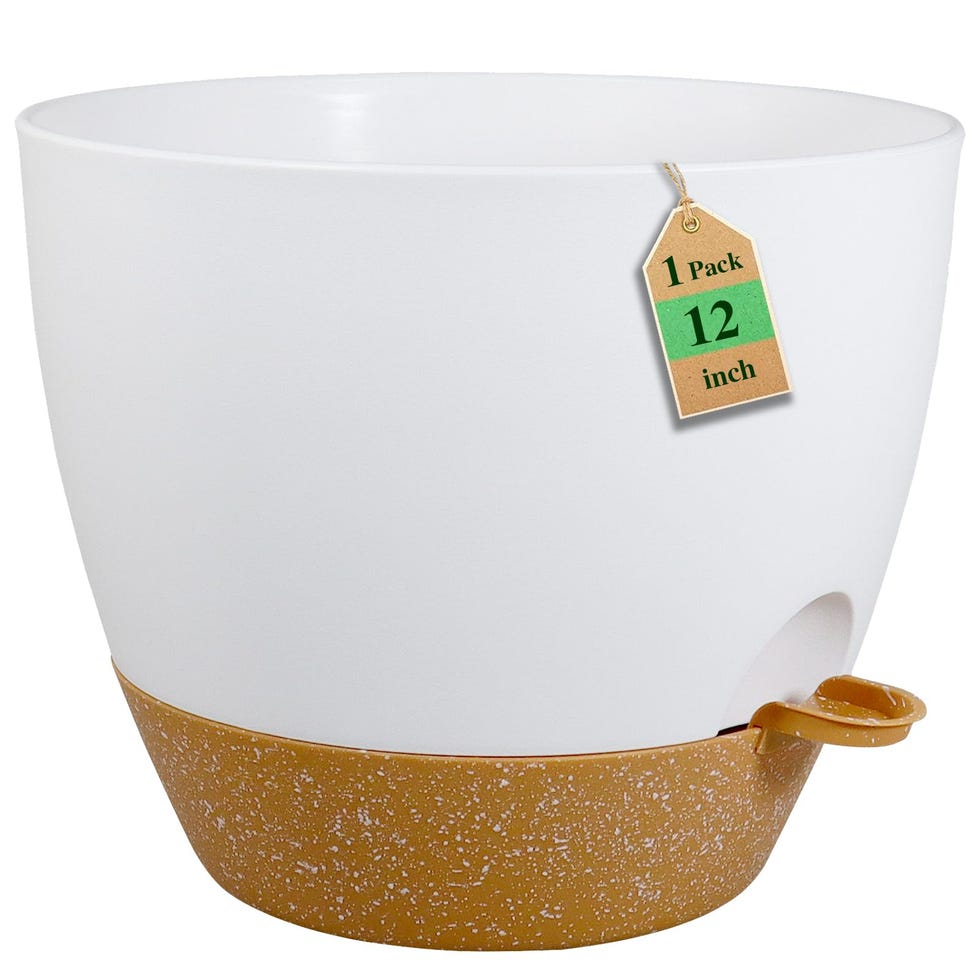
Though fuchsia plants don’t like to dry out, I’ve never had an issue as long as I’m keeping an eye on them in the heat. I also prefer to plant them in containers that are less porous, rather than terra-cotta, which dries out too fast. An easy fix if you don’t want to worry is to plant fuchsia in a self-watering pot, which has a reservoir you fill every five days or so; this will allow the plant to take up as much water as it needs, when it needs it.
Native to Central and South America, fuchsia can’t take a frost, so set these plants out when temperatures remain above 50 degrees. Some are perennial in USDA zones 10 and 11 (find your zone here), but most are grown as annuals.
I prefer fuchsias as standalone plantings so they can really show off, but they also work in mixed planters with other shade-lovers that prefer slightly moist conditions, such as begonias and ferns.
Read on to learn how to care for these showstopping, shade-loving blooms:
Diana Haronis//Getty Images
How to Care for Fuchsia
Although these plants look delicate, they’re actually quite sturdy, as long as you give them the right conditions. They’re happiest when temperatures are in the 70s and low 80s; if it gets too hot, or they dry out, they’ll drop blossoms. There are thousands of cultivars. But if you live in a hot climate, look for hybrid fuchsias that are more tolerant of heat waves.
Jacky Parker Photography//Getty Images
Light
Fuchsias need part to full shade. They will tolerate a few hours of morning sun but absolutely must be shaded from hot afternoon rays. In their native environment, they grow at higher altitudes in cooler locations.
Thang Tat Nguyen//Getty Images
Soil
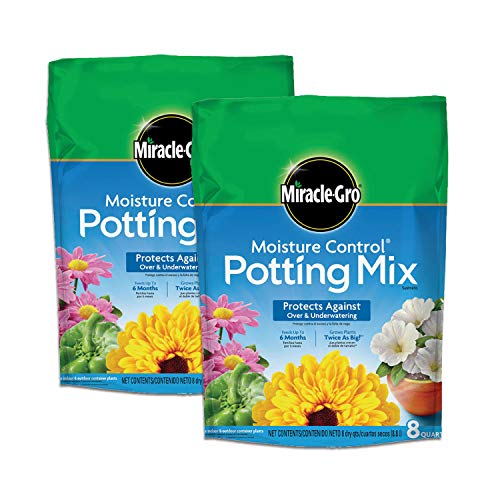
Fuchsias need well-draining soil. Any all-purpose potting mix is fine; don’t try to plant them in landscape beds unless you have rich, fertile soil.
Miracle-Gro Moisture Control Potting Mix, 2-Pack
Sanjay Saha / 500px//Getty Images
Water
Fuchsias prefer to stay slightly moist, like a wrung-out towel. They do not tolerate sopping wet conditions, nor do they like to dry out. A fuchsia that is allowed to dry out completely will wilt, drop buds, and likely not recover. A self-watering pot with a reservoir is a good solution for keeping this plant constantly damp.
12-Inch Self Watering Pot
Ed Reschke//Getty Images
Fertilizer
All those gorgeous flowers take a lot of energy to produce, so fuchsias are heavy feeders. Fertilize with a liquid fertilizer every two weeks, or use a slow-release granular type and apply according to package instructions.
Osmocote Smart-Release Plant Food Plus Outdoor & Indoor, 1 lb.
imageBROKER/Helmut Meyer zur Capellen//Getty Images
Common Problems with Fuchsia
Fuchsia can be vulnerable to fungal infections; try to keep good air circulation around the plant or treat with a fungicide, according to label instructions. Aphids are sometimes an issue; spray them off with a garden hose.
DansPhotoArt on flickr//Getty Images
Types of Fuchsia
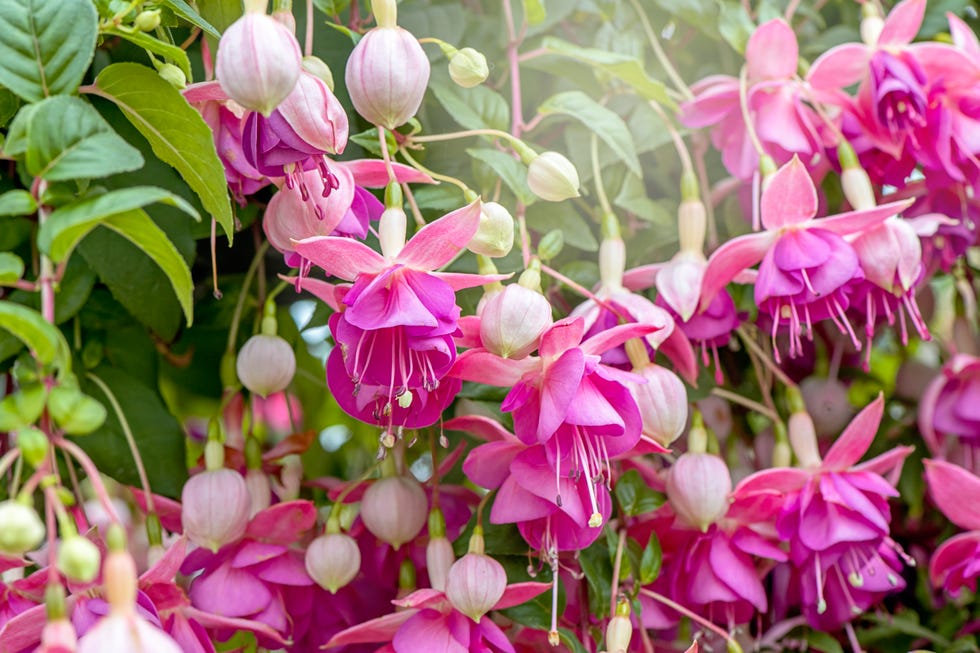
There are more than a hundred species and thousands of cultivars, or cultivated varieties of this stunning flower. The most readily available are the hybrids, which are more tolerant of heat and humidity. Look for the words “hybrid” or “hybrida” on the plant tag or description to know what you’re buying.
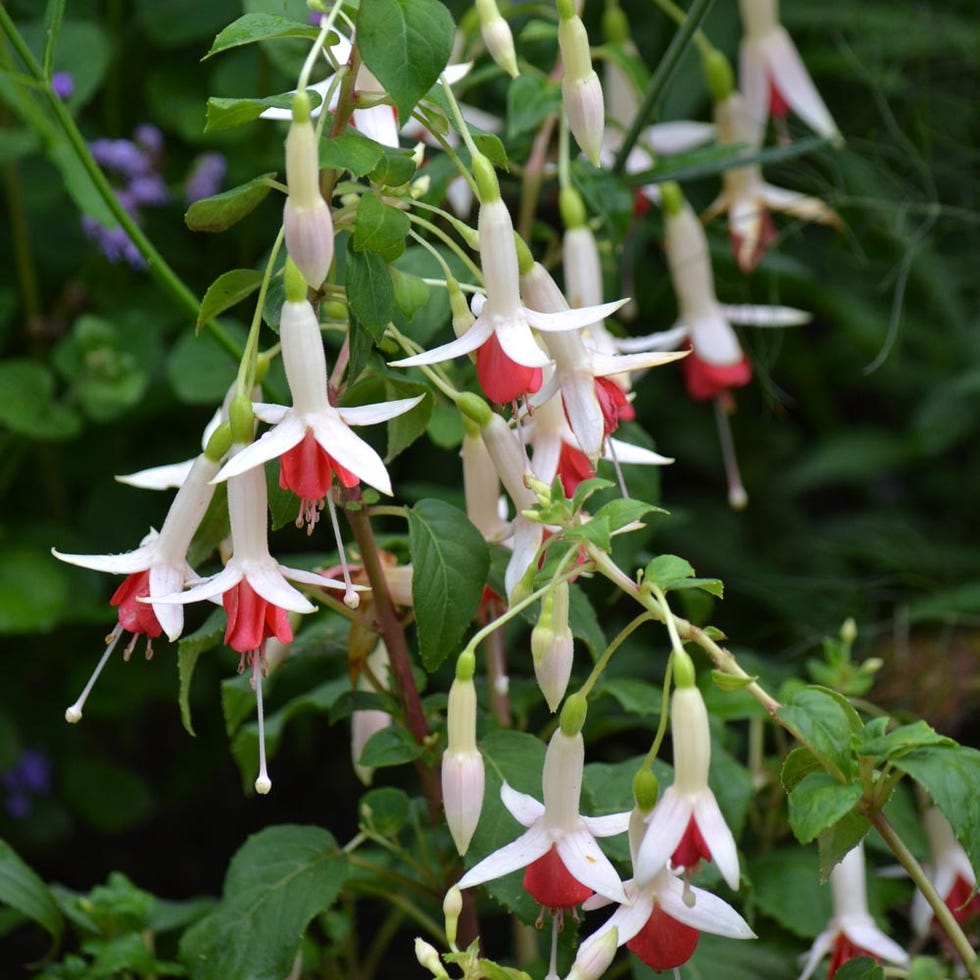
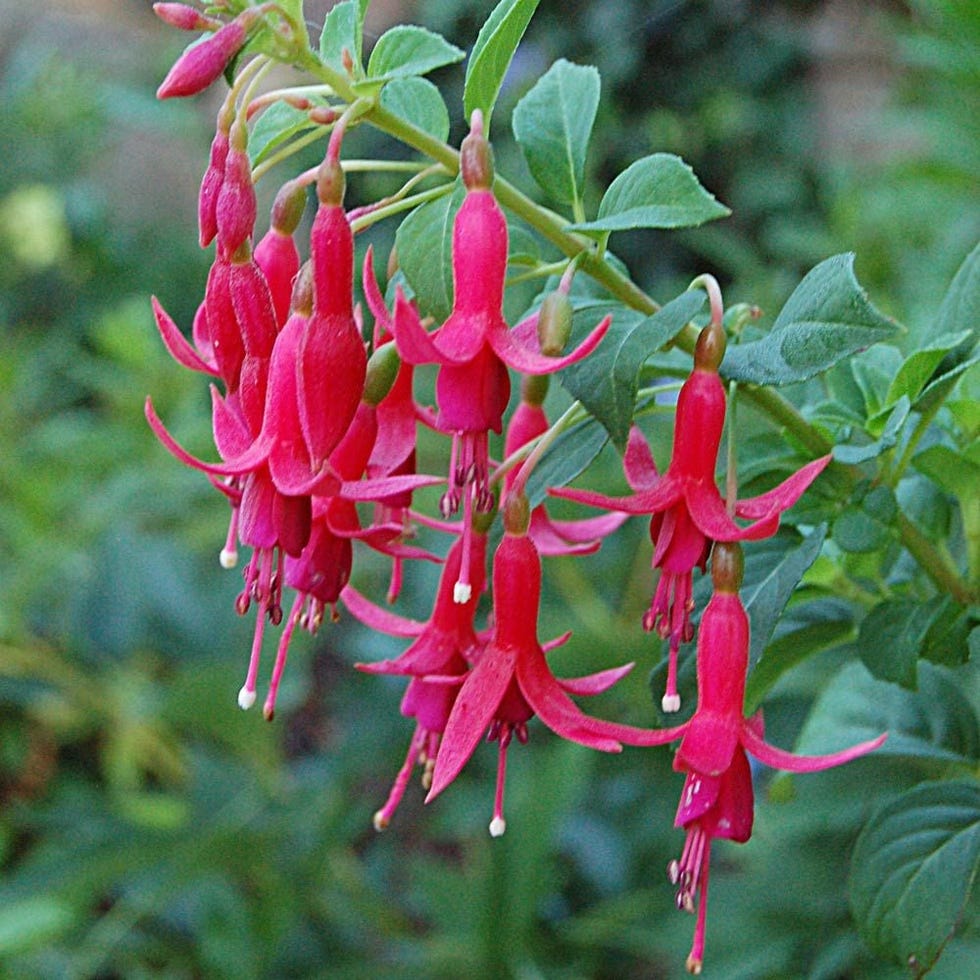
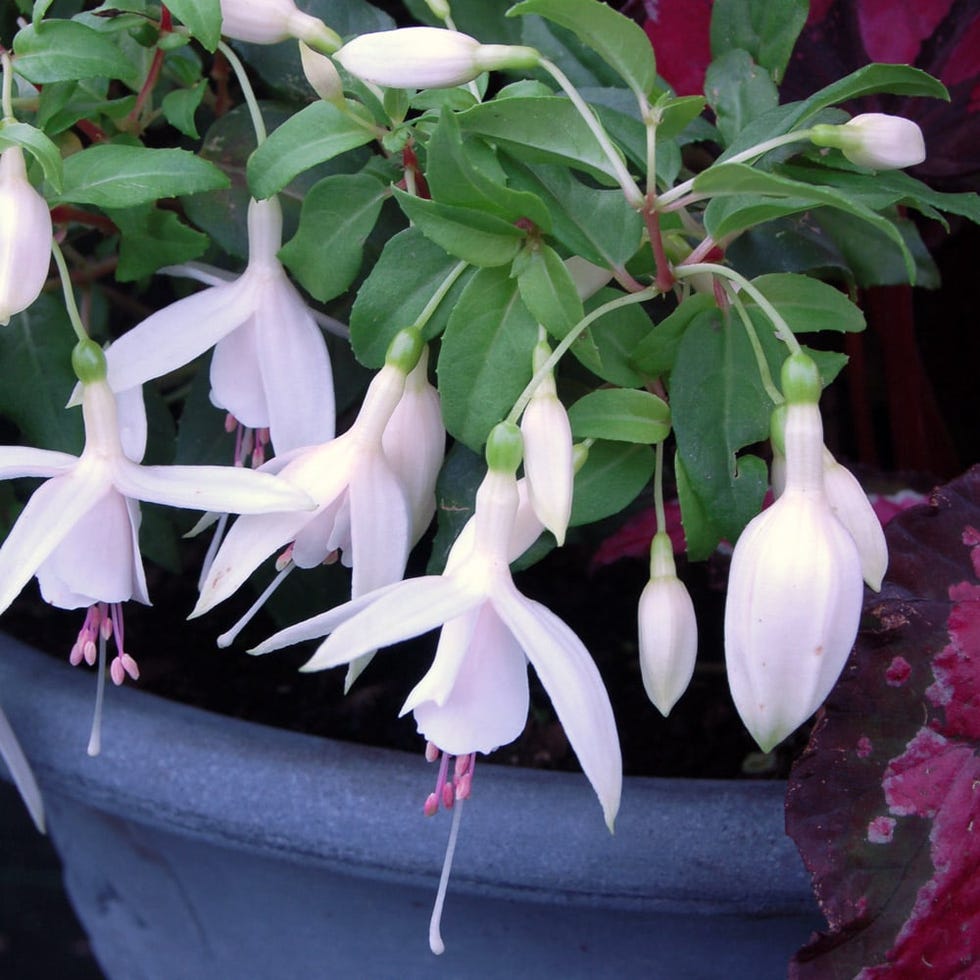 Fuchsia ‘Windchime White & White’
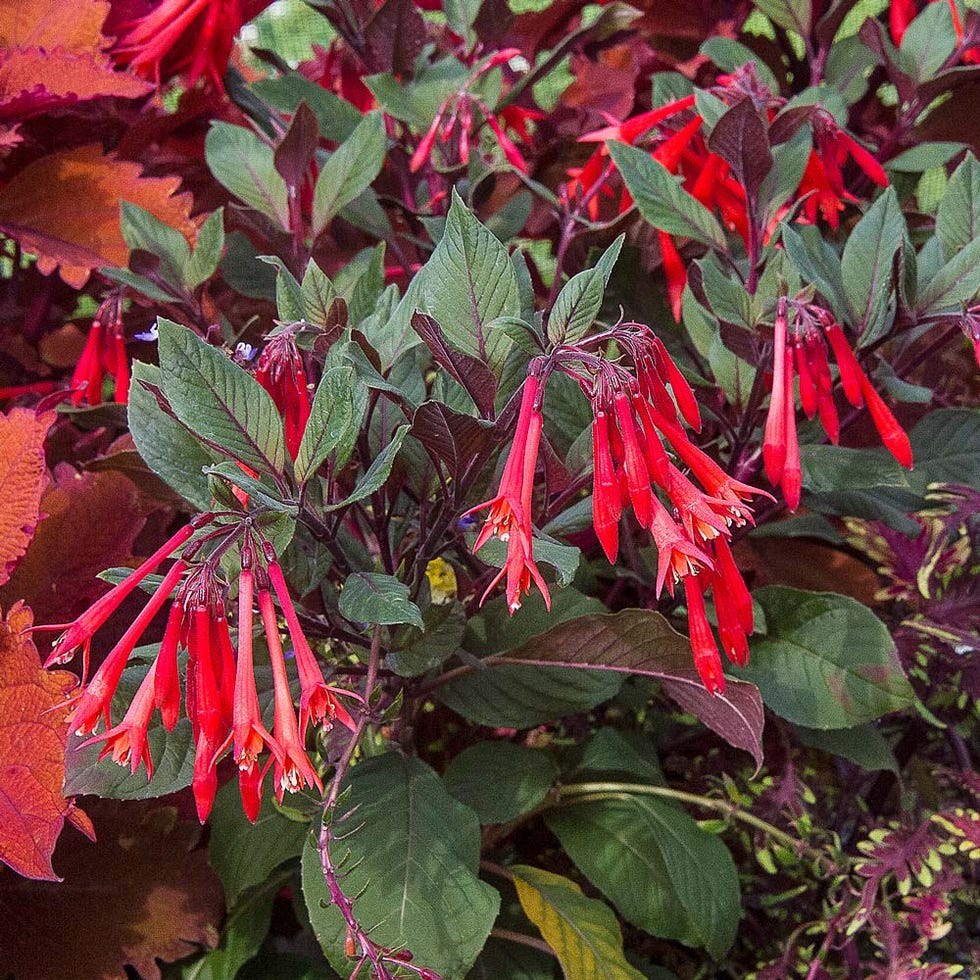 Fuchsia ‘Gartenmeister Bonstedt’
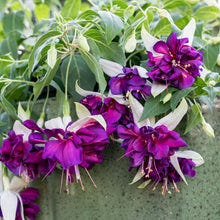 Fuchsia ‘Giant Deep Purple’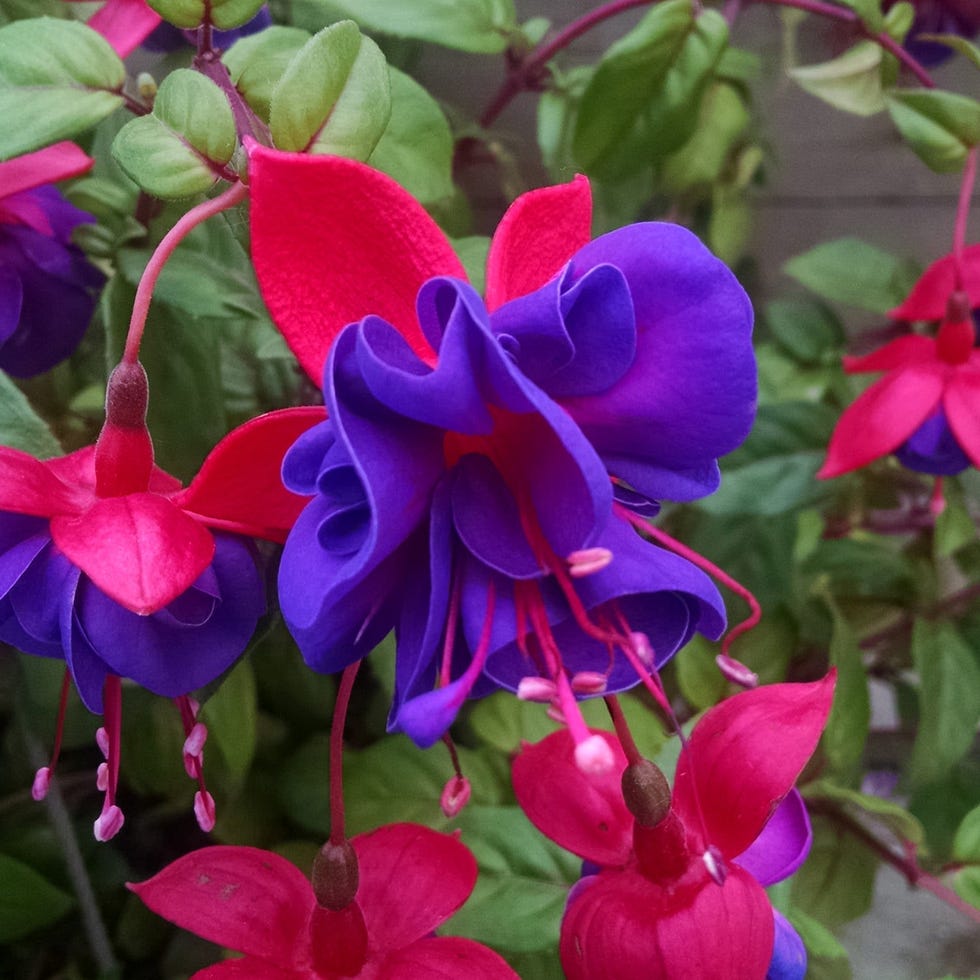

Arricca Elin SanSone is a writer, editor, and content creator who specializes in lifestyle and gardening. With a background in health reporting, she applies these same research skills when writing about the science of growing things. She trials new plants in her expansive garden, and her houseplant collection consists of 60+ varieties. Arricca has written thousands of articles for publications such as Country Living, House Beautiful, Good Housekeeping, Prevention, VERANDA, Southern Living, and more. She’s happiest when digging in the dirt, baking, or spending time with the people and dogs she loves.
Comments are closed.