
 3 min read
Outdoor living spaces are having something of a moment. The concept is far from new, but as Dior’s recent runway show at the Jardin des Tuileries reminded us, a well-edited plot of land seems to be the latest format for self-expression.
This spring is going to be all about the garden. Specifically, outdoor spaces created for hosting, flower beds filled with matching blooms, and wellness sanctuaries built around saunas. We chatted with a few landscapers, garden designers, and other outdoor experts to hear what outdoor trends we should expect this season and what it will take to craft a woodland wonderland of your own.
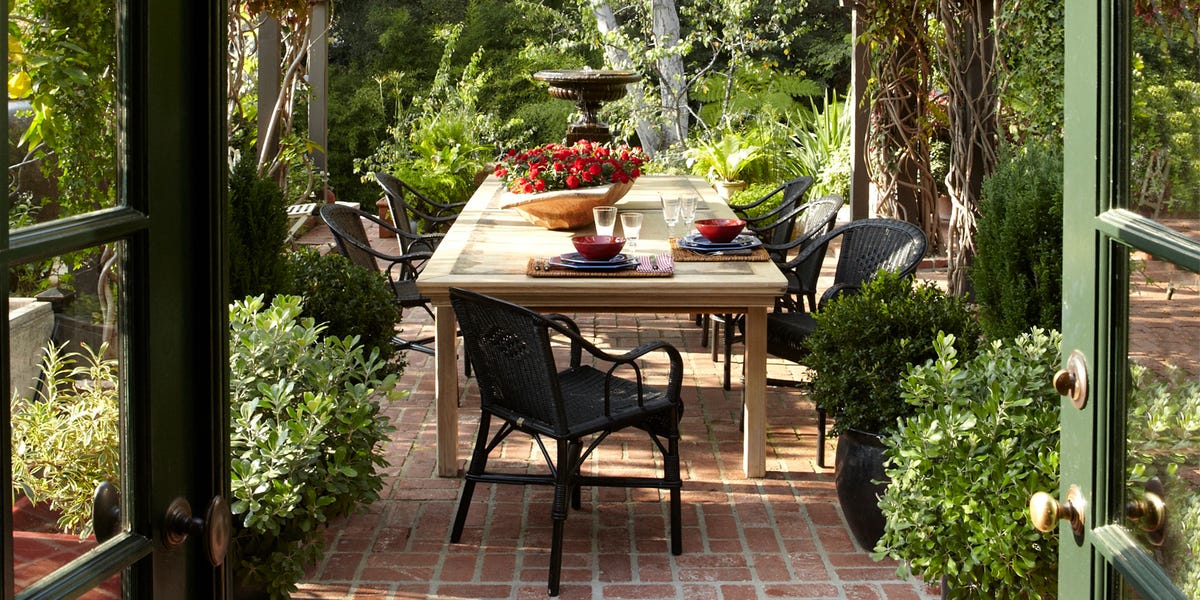
Emphasis on Dining and Entertaining
While a backyard or garden often presents an ideal venue for hosting, some landscapers are fielding requests for spaces specifically dedicated to entertaining. In fact, Catherine MacDonald—principal landscape designer at Landform Consultants—says pretty much all of her clients are asking for these areas. “We try to carve out spaces for shaded picnics as well as weather-proof outdoor kitchens and dining areas. The desire to use the garden as an ‘outdoor room’ continues to be high on people’s agendas,” MacDonald says.
Another way this trend tends to manifest is through outdoor kitchens. Landform Consultants creative and landscape designer Alan Williams notes that a thoughtful outdoor cooking space is particularly popular in renovations, as homes evolve to suit a family’s needs, such as children living at home for longer periods. “Gardens have long been an extension of our homes,” Williams says. “But as more people choose to improve, rather than move, we are seeing investment in gardens that offer families something a little different and fun.”
Well-Balanced Florals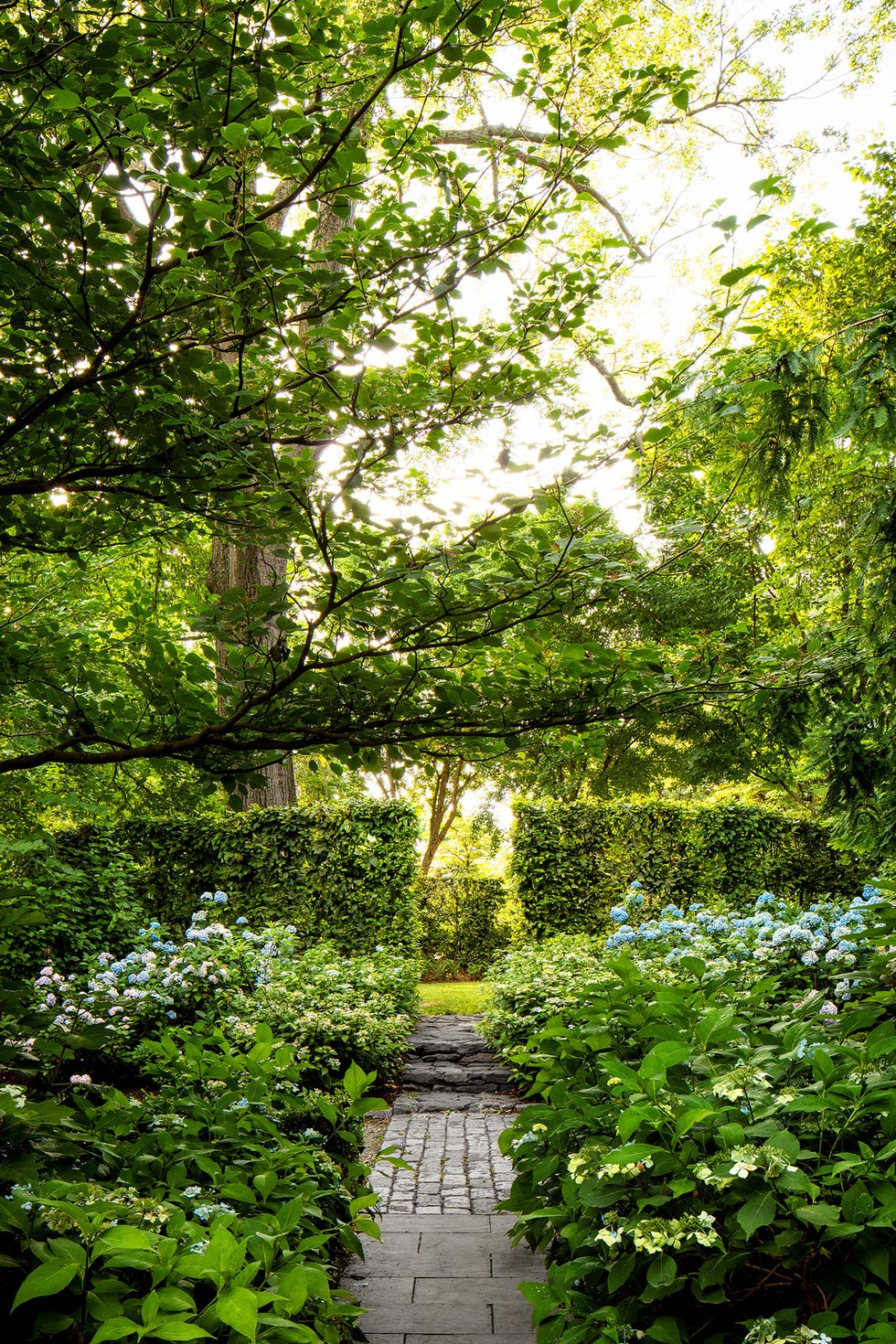 Jennifer Hughes
When it comes to florals and fauna, Hanfei of Niu Plants explains they’re seeing a rise in symmetrical gardening and color coordination.
Han Fei of Niu Plants on Palmstreet(an online platform for buying and selling plants) says clients are preferring the look of cohesive florals, asking for monochrome blooms planted in symmetrical patterns. “Incorporating symmetry in your garden can be as simple as planting identical shrubs on either side of your front door, aligning pathways with a tree in the center, or using pairs of flowers to create a sophisticated look,” Fei says.
Fei advises selecting a palette of three to four colors, and then layering in foliage to “incorporate color and texture for a gorgeous visual appeal, all year long.” Play around with plants of varying height and length as well to add “an interesting design that is eye-catching and mesmerizing.”
Increased Demand for Saunas
A sauna likely isn’t the first thing you’d expect to see in a garden. But Pollyanna Wilkinson of Studio Pollyanna notes more and more of her clients are asking for them as interest rises in crafting at-home, outdoor well-being spaces. “We have been asked for them in everything from London gardens to country spaces,” Wilkinson says.
The trick is blending the sauna in with the landscape. Rather than plopping the structure in the garden, the team aims for a “naturalistic and gentle” integration. “We are situating them in plant-filled spaces or wildflower meadows to create an immersive and nature connected experience,” Wilkinson says.
Renewed Focus on Water Management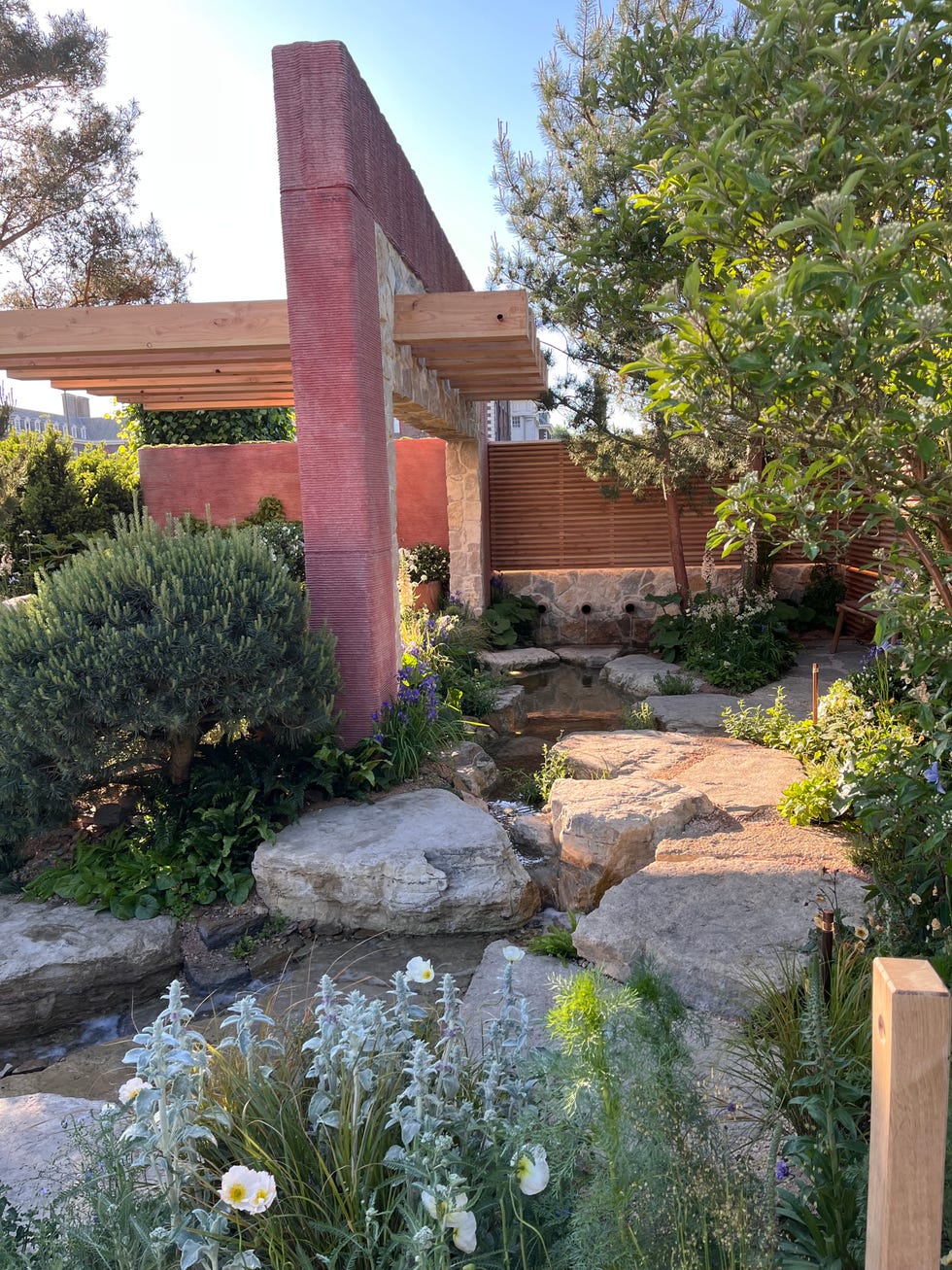 Rachel Warne
A show garden Baz Grainger designed for Killik & Co at this year’s RHS Chelsea, which he says features water “at the heart of the design.”
Changing climates mean increasingly volatile weather patterns that can give your plants weather whiplash. In many regions, summers are getting drier while winter wet periods are growing longer—and gardens are having a tough time adjusting. As such, Baz Grainger of Landform Consultants is seeing gardeners think “more holistically about how water moves through their space: how it’s captured from roofs and hard surfaces, slowed down, stored and then reused. And, how this becomes a vital part of supporting biodiversity.”
To accomplish this, home owners are looking to solutions that seamlessly and beautifully integrate with the garden, balancing aesthetics with function. Grainger finds himself relying on reeds, rushes, and aquatic plantings that filter water naturally while also adding “movement, reflection, and a sense of calm.”
“Water brings atmosphere and emotion into a garden—the sound of it, the shifting levels, the reminder that landscapes are dynamic systems,” he says. “By designing with water in mind, we can create gardens that are biodiversity rich, and naturally adapted to a changing climate.”
Comments are closed.