
Home automation has been part of the conversation for years. Smart gadgets, app-controlled lighting, voice-activated assistants. Most of us have at least one of these things in our homes already. For years, the focus has almost entirely been on indoor.
That is starting to change. UK homeowners are now bringing the same thinking to their outdoor spaces. The garden, which was long treated as a chore to manage, is finally getting the same attention as the rest of the home.
This post looks at where garden automation stands right now, which areas are seeing the most practical progress, and why robotic lawn mowers in particular have become the most widely adopted lawn automation gadget.
Why Automation Is Entering the Garden?
The shift toward automated outdoor living has not happened by accident. A few things have come together at the right time to make it both practical and appealing for everyday homeowners.
Time Is the Real Driver
You know, maintaining a lawn well takes consistent attention across a long season. For working homeowners and those with children, the lawn is often the last thing on the list. It gets pushed to the weekend, then to the next weekend, and before long, it has gone from a garden to a field.
Automation addresses that gap directly and takes the manual effort out of a task that was never going to get easier to fit in. Another approach to this concept is presented in this piece on the appeal of low-effort gardening for busy lives.
Technology Has Finally Caught Up
Early garden technology had a reputation for being unreliable and difficult to set up. That has changed significantly. Today’s garden automation tools are app-controlled, intuitive, and built for people with no technical background.
Key Areas of Garden Automation
Under the automation umbrella, there are multiple segments worth knowing about. Lawn care is one, watering is another, and then there is outdoor lighting and security. Let’s look at each one.
Lawn Care Automation
By lawn care automation, we mean those manual, labour-intensive jobs like mowing. Traditionally, that meant pushing a petrol mower up and down for hours, then collecting the clippings, all on a Saturday afternoon you would have spent differently.
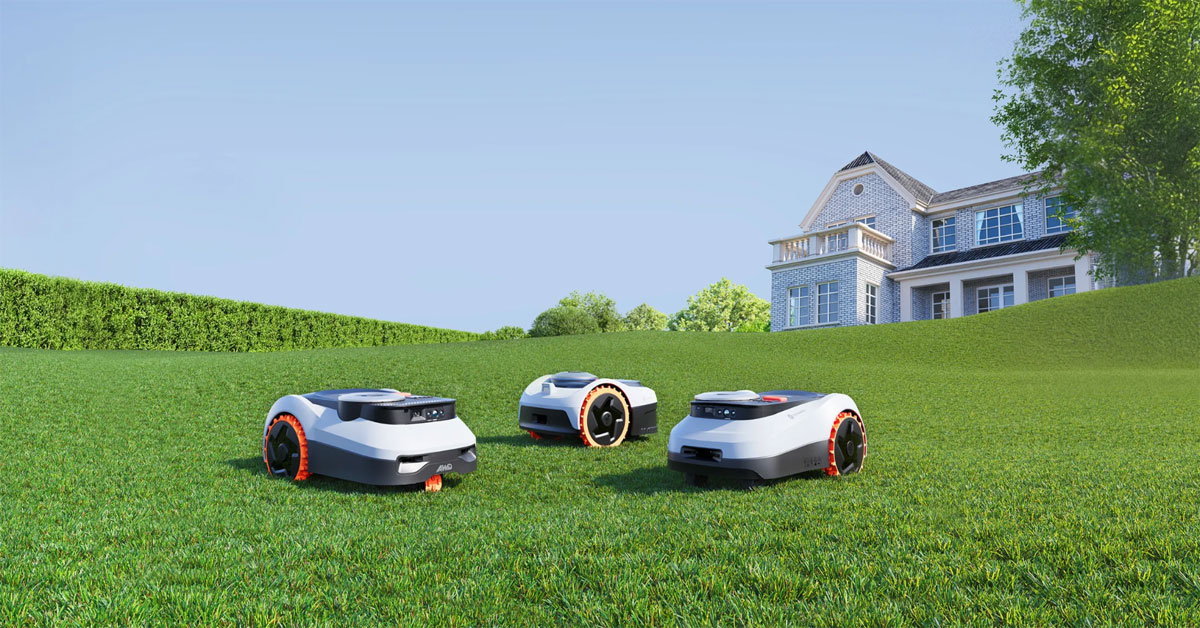
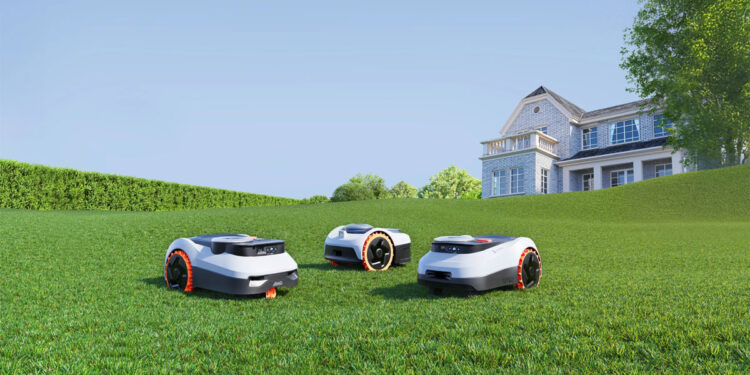
That has largely been replaced by robotic lawn mowers. They are not entirely new, but early models were unreliable and required a fair amount of setup to get right. Current wire-free models use GPS and satellite navigation to map and mow a garden independently, return to their charging base when done, and repeat the process on whatever schedule the homeowner sets.
Smart Irrigation Systems
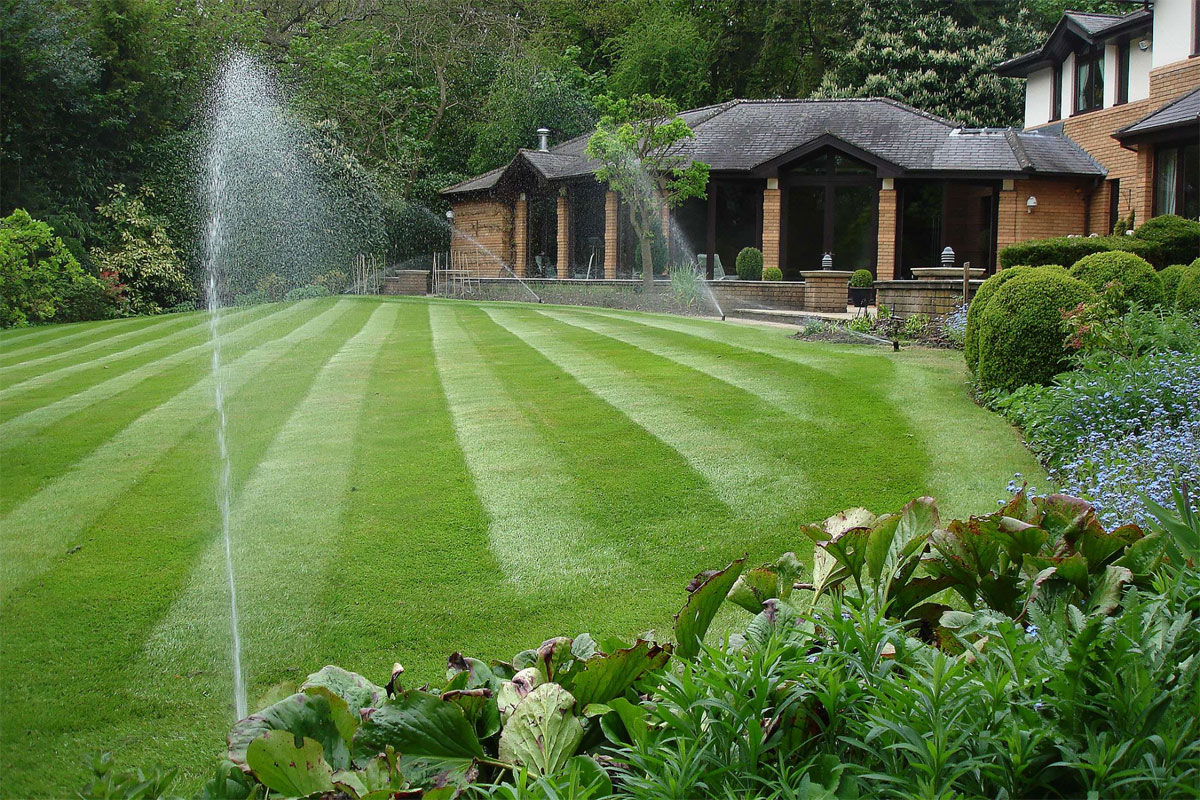
The second segment is watering. The smart irrigation available today, adjust based on weather forecasts and soil conditions rather than simply following a fixed timer. They reduce water waste, keep plants healthier, and remove the need to remember watering during dry spells or switch things off before rain. Most are compatible with standard smart home setups and can be managed remotely.
Outdoor Lighting and Ambience
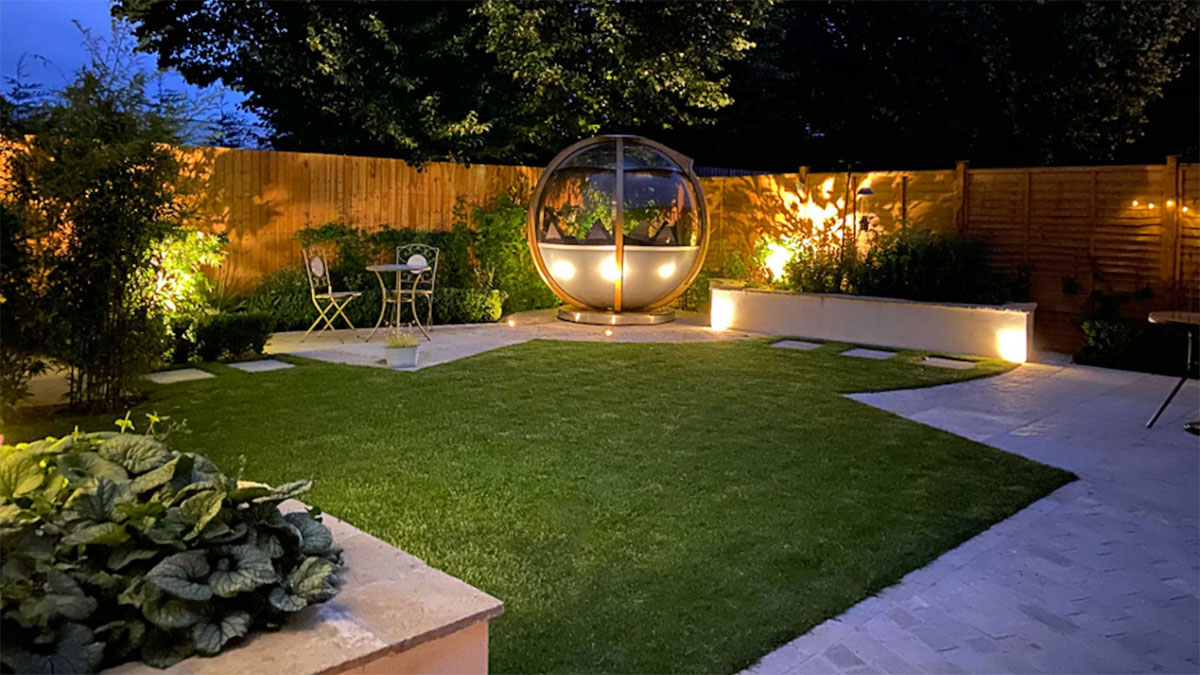
For a long time, smart lighting was very much an indoor conversation. It was not widely considered for outdoor use, and the options available were limited.
That has shifted. Motion-triggered, scheduled, and app-controlled outdoor lighting is now widely available. Solar-powered options too, have improved to the point where they are genuinely reliable and bright enough to be useful.
Smart Garden Monitoring
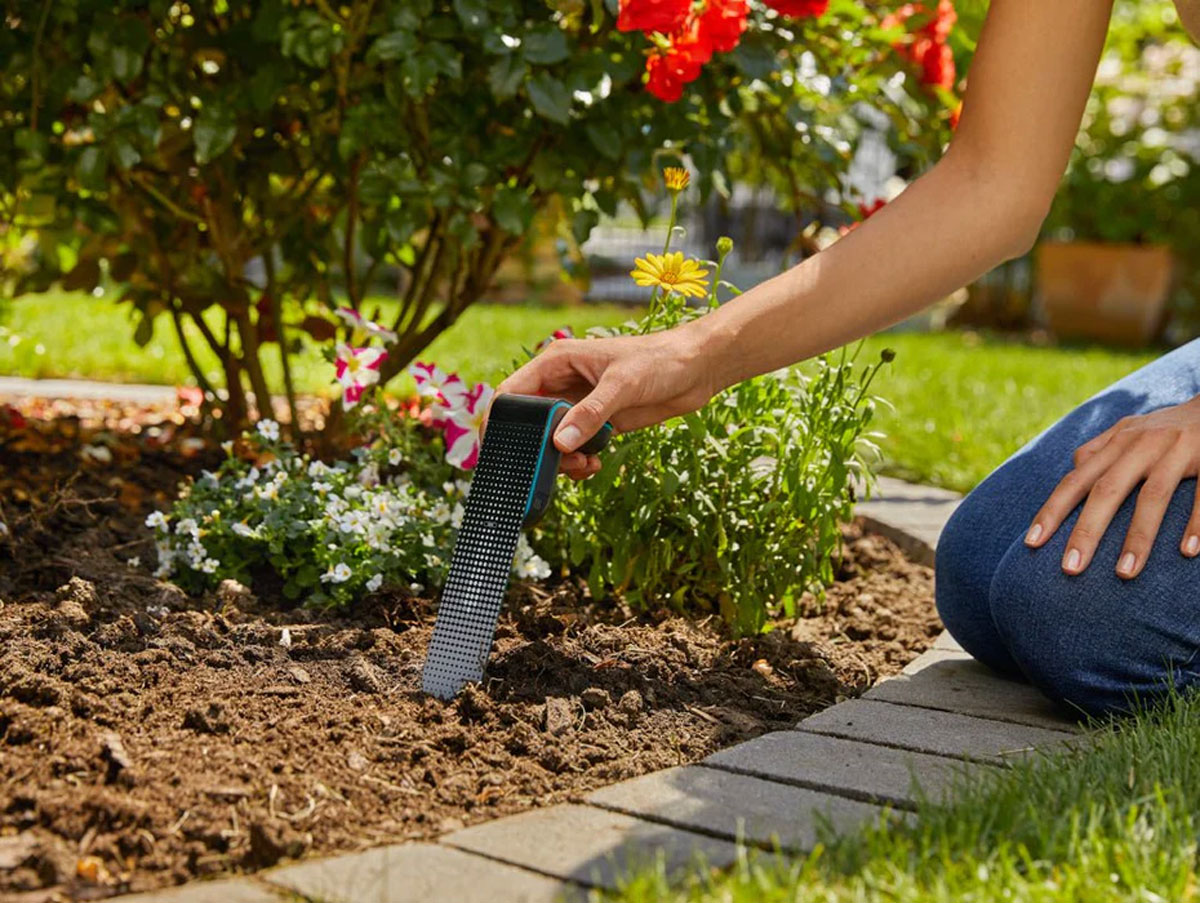
Soil sensors, compact weather stations, and plant monitors can now feed real-time data directly to a phone. For homeowners with vegetable plots, more complex planting schemes, or a desire to make better-informed decisions about their garden, this kind of monitoring offers a practical edge.
Why Robotic Lawn Mowers Are Leading the Way
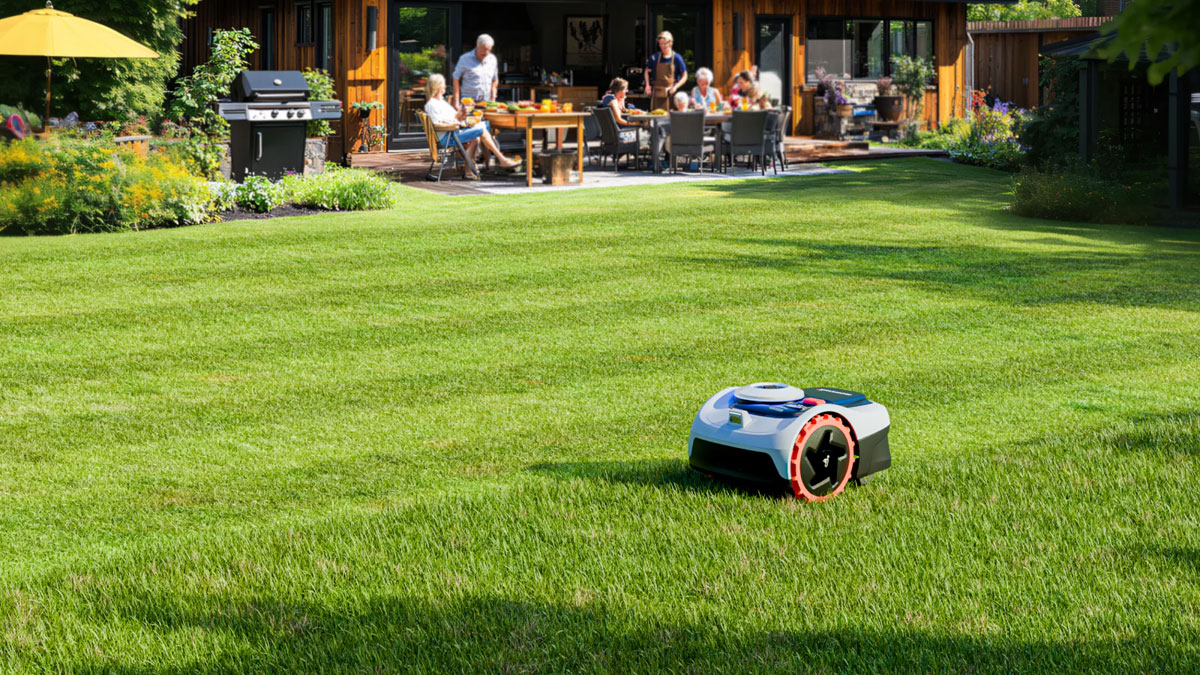
Of all the areas of garden automation, robotic lawn mowers have seen the fastest adoption among UK homeowners. There are clear reasons why this category has moved from a curiosity to a mainstream purchase.
They Solve the Biggest Garden Pain Point
Mowing is the most time-consuming and physically demanding regular garden task for most homeowners. It needs to be done consistently from spring through to autumn.
Automating it removes the single biggest drain on garden maintenance time and means the lawn stays in good shape regardless of how busy the week has been.
Technology Has Advanced
Earlier robotic mowers had limitations: navigation was imprecise, boundary wires were fiddly to install, and performance on uneven ground was inconsistent. Modern wire-free models have addressed most of those issues.
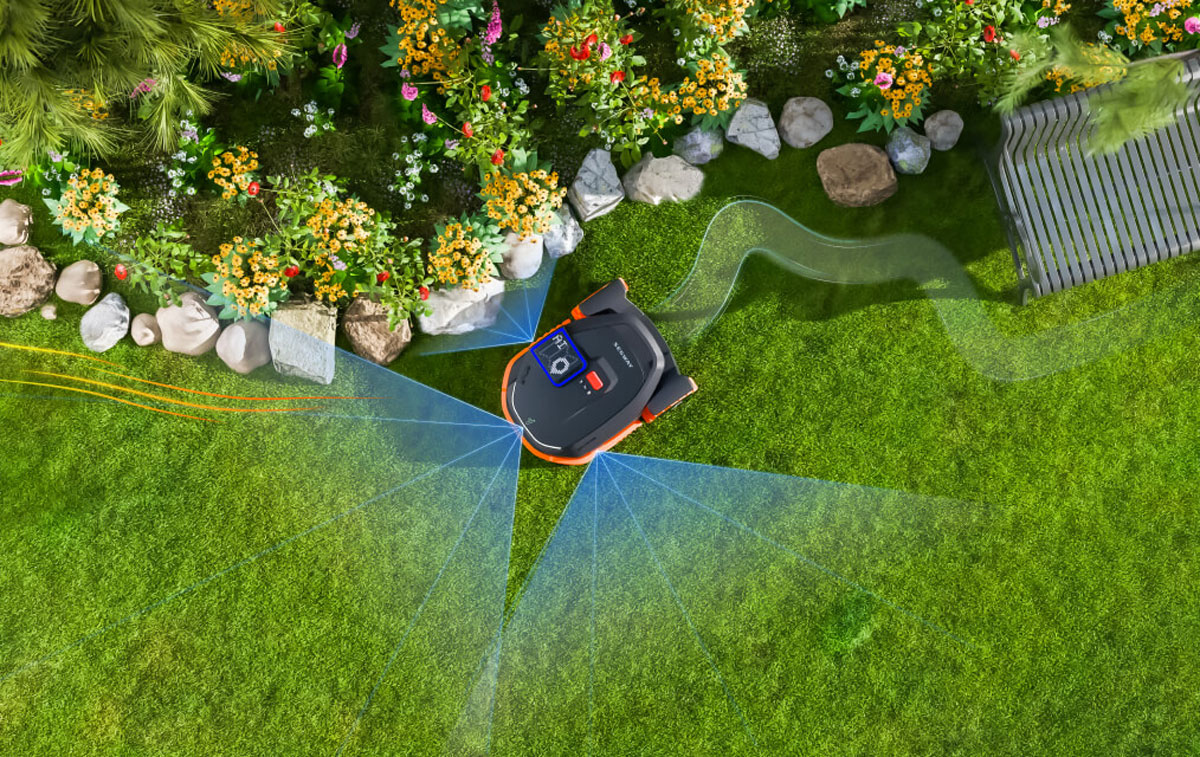
GPS and satellite-based navigation have made mapping accurate and boundary wire installation unnecessary. The technology has matured to a point where it works reliably in real UK gardens, not just in some ideal situations.
More Reliable Options in the Market
Robotic mowers have sometimes been talked about as a niche gadget, something for early adopters rather than everyday homeowners. But that perception is changing as more established brands have entered the category.
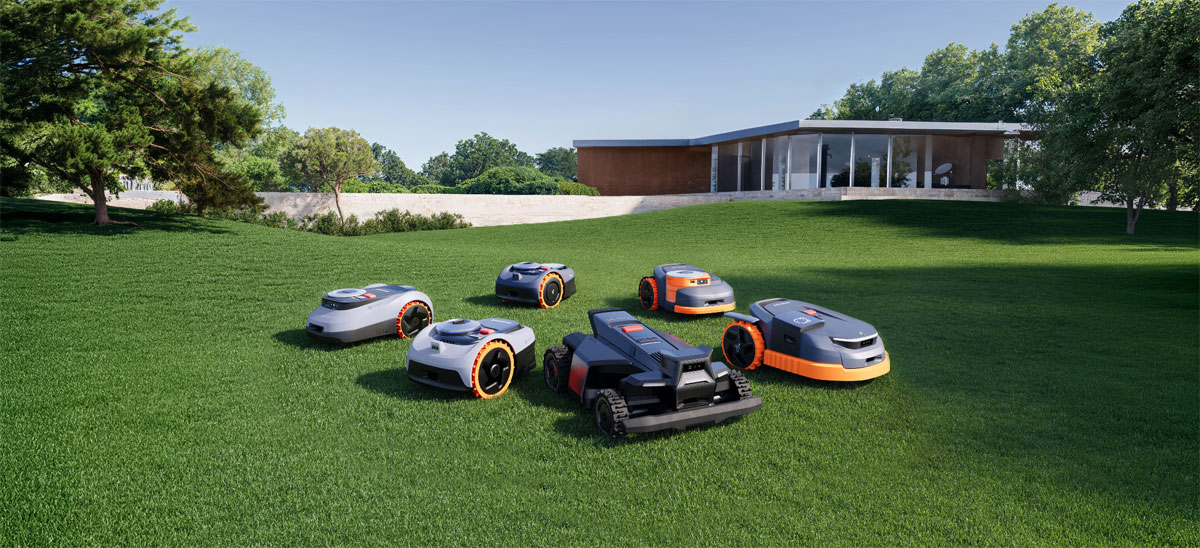
Segway Navimow, from Ninebot, is one of the more notable names now making autonomous robotic lawn mowers. Segway is a brand with an existing reputation for well-engineered personal transport, and that same approach carries through into the Navimow range.
The Navimow range is designed for residential gardens of varying sizes, with models to suit both smaller plots and larger lawns. The mowers use AI-powered sensor and camera technology to detect obstacles in real time.
Being trained on realworld datasets, they can navigate around hundreds of obstacles including garden furniture, toys, and pets without any input from the owner. Moreover, some work under 60 decibels, quieter than a normal conversation, and are backed by a three-year warranty.
Is Garden Automation Worth It for UK Homeowners?
This is the question most homeowners eventually arrive at. But the full picture looks different when you account for everything that comes with it.
The Cost Case Is Stronger Than It Looks
Yes, robotic lawn mowers may have a higher cost than a standard push mower. But set against the time saved across a full mowing season, the ongoing cost of a regular gardener, or the value of weekends spent on maintenance, the numbers make more sense.
The running cost of an electric robotic mower is low, as there are no fuel costs, and a well-made model should last for several years.
What You Get Back
A garden that is always in a presentable state rather than one that cycles between overgrown and freshly cut. And the time that was previously absorbed by maintenance returned to you to use differently.
It Works With the UK Climate
Robotic mowers handle light rain without issue and work to a schedule regardless of conditions. Smart irrigation adjusts automatically when rain is forecast. The unpredictability of the British summer, which has historically made consistent garden maintenance difficult, is largely out of the equation (with these robotic mowers).
Conclusion
The garden has always been one of the most rewarding parts of owning a home. It has also historically been one of the most demanding. Automation is beginning to change that balance in a meaningful way.
For most homeowners, the most sensible starting point is the lawn. It takes the most time, it has the most visible impact on the rest of the garden, and robotic mowers are now a proven, well-supported product category. The technology has matured, the results are consistent, and for anyone who has been considering it, this is a reasonable time to take a closer look.
Comments are closed.