
Follow us on Instagram, TikTok, and WhatsApp for the latest stories and breaking news.
The Consumers Association of Penang (CAP) has warned that vegetable prices may begin to skyrocket across the nation
According to Harian Metro, the cost of essential greens could surge by as much as 50% in the short term before potentially settling at a sustained 30% increase.
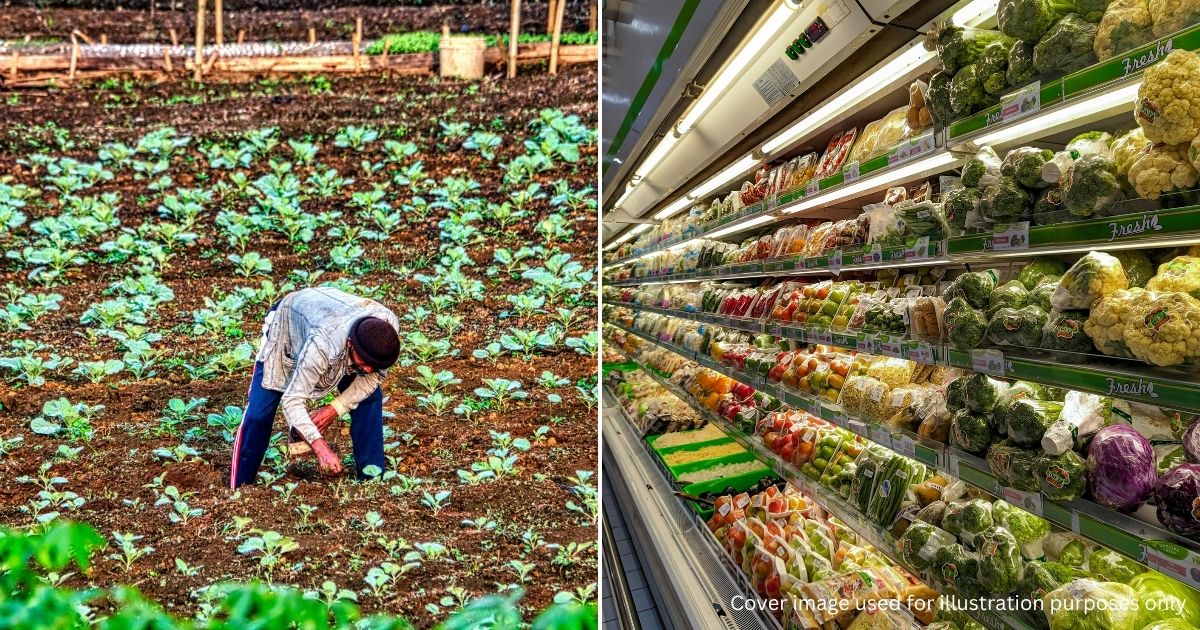
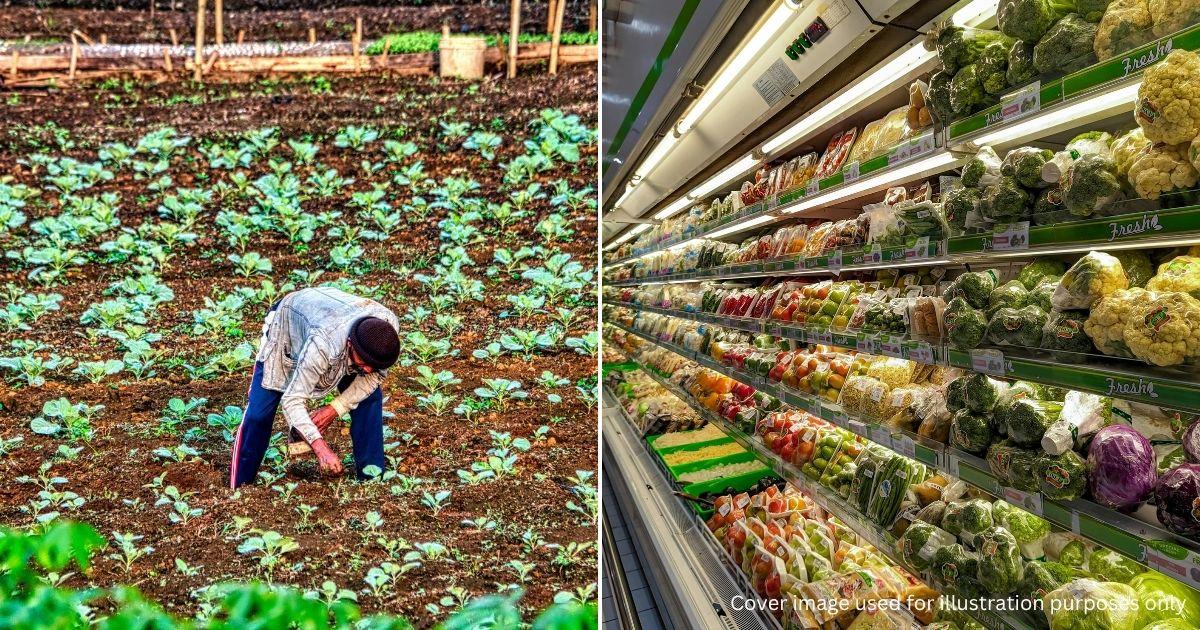
This alarming projection comes as farmers in Cameron Highlands and other major agricultural hubs struggle with a volatile mix of logistics challenges, labour demands, and soaring input costs.
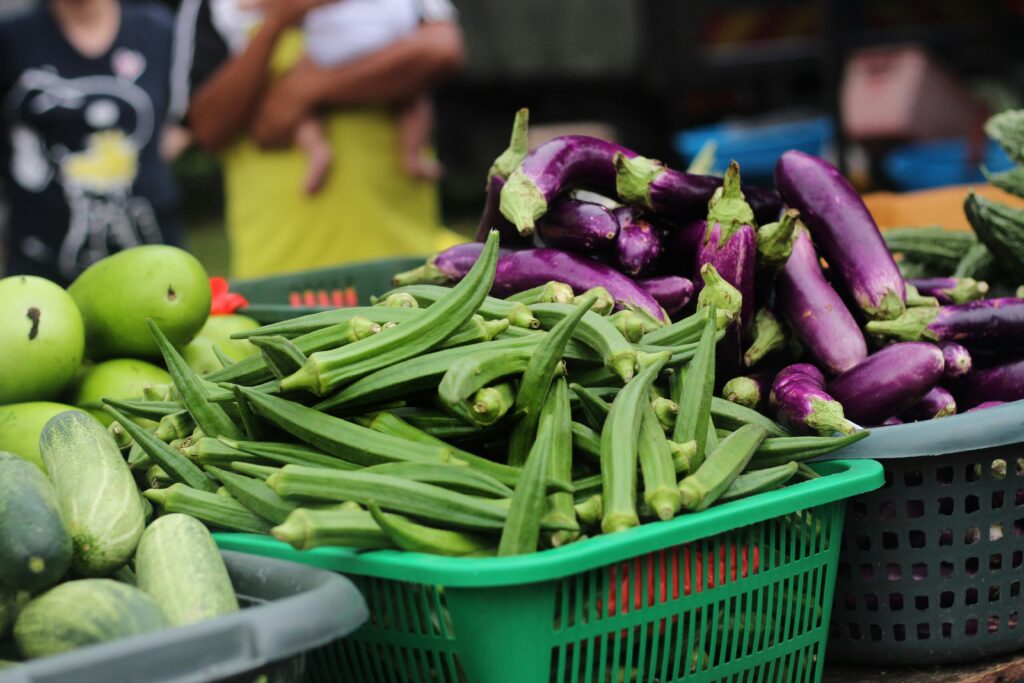
Image used for illustration purposes only.
Image via Esperanza Doronila/Unsplash
CAP education officer NV Subbarow said the association has already received numerous reports from growers struggling to maintain current vegetable prices
The main drivers of inflation are a sharp rise in fertiliser prices and significantly higher transportation overheads following the recent diesel price adjustments.
At current market rates, high-performance fertilisers have seen price hikes of several hundred ringgit per tonne; globally, costs for such inputs often hover around USD450 (RM1,980), leaving local smallholders particularly vulnerable to international supply chain disruptions.
The impact is already being felt on the ground in several states
In Johor and Selangor, market surveys conducted by Kosmo! indicate that prices in public markets and retail outlets have already climbed by 20% to 30%.
While supply remains stable and sufficient for the time being, the combination of a prolonged hot spell and the increased operational costs of transport — specifically the RM0.80 per litre jump in diesel prices for non-subsidised sectors — has made a price hike nearly inevitable for the end consumer.
To mitigate the financial burden on families, CAP is strongly advocating for a return to home gardening
Subbarow suggested that Malaysians should begin cultivating their own “kitchen gardens” to reduce reliance on commercial markets.
He emphasised that growing edible greens does not require vast amounts of land; rather, many staples can thrive in small spaces or even on apartment balconies.
Comments are closed.