
WEST JORDAN, Utah (KUTV) — Warmer temperatures have arrived earlier than usual, but water experts say that doesn’t mean it’s time to turn on sprinklers just yet.
ARC Salt Lake spoke with Shaun Moser from the Jordan Valley Water Conservancy District, who said holding off on watering is one of the most effective ways to conserve water—without damaging your yard.
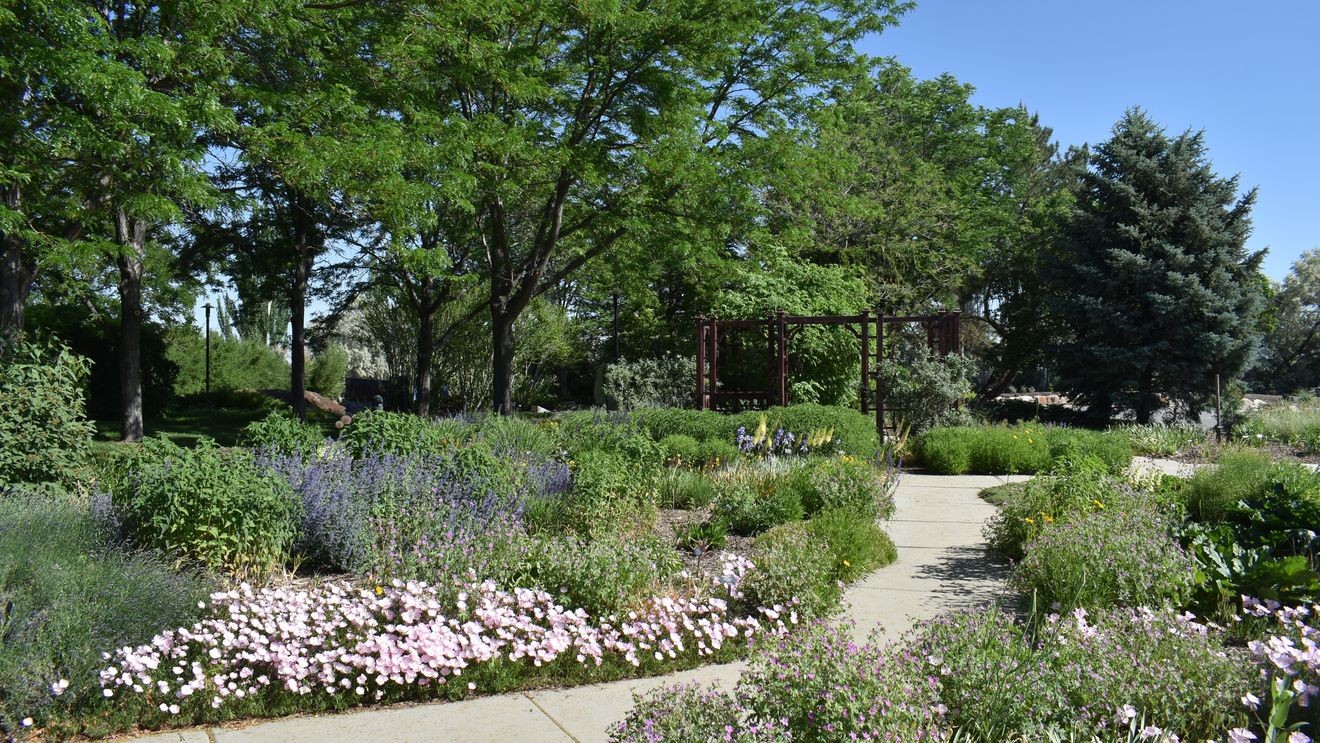
Moser is the manager of the Conservation Garden Park in West Jordan.
“The biggest thing people can do to help us and help the water situation that we’re in right now is wait to water their landscape and their gardens,” Moser said.
MORE | ARC Salt Lake:
Warmer temperatures have arrived earlier than usual, but water experts say that doesn’t mean it’s time to turn on sprinklers just yet. (KUTV)
Even with recent warm weather, he said early watering does more harm than good.
“What we’re asking people to do is wait until May 15, which is right around Mother’s Day, to water their landscapes this year,” he said.
“Typically, when watering happens in the spring it’s wasted water,” Moser said. “It doesn’t actually need it yet.”
He added that soil still holds moisture from winter and early spring conditions, meaning most lawns haven’t reached the point where irrigation is necessary.
“I know it’s been unusually warm recently, but honestly, landscapes are pretty resilient and most of them can hang on until May 15th to be watered,” he said.
Waiting can actually improve the health of your yard.
“Most landscapes are more resilient than we give them credit for,” Moser said. “Most of us have Kentucky bluegrass lawns in our landscapes, and it’s pretty resilient and doesn’t require a lot of water this time of year, so if we wait to water that is going to be a big benefit.”
Moser said delaying watering encourages stronger root systems.
“If we’re waiting to water, it grows deeper roots,” Moser said. “That makes it more resilient long term and for future droughts.”
For those unsure whether their lawn needs water, Moser recommends two simple tests.
“There’s two main things that we recommend people do,” he said. “The first one is, you can walk into your landscape and do what’s called a step test. You can step on the lawn, and if the grass springs right back up, you know that it’s well hydrated and doesn’t need to be watered yet.”
If you want another way to check:
“The other thing you can do is grab a screwdriver and push it into the ground. If it slides into the ground easily, there’s still moisture in the soil and the lawn doesn’t need to be watered yet,” Moser said.
Those simple checks can prevent unnecessary watering and help homeowners better understand what their landscape actually needs.
When it comes to gardening, timing matters—but not everything has to wait.
“As far as perennial plants that you plant once and they regrow year after year, it’s actually okay to plant those right now,” Moser said.
He noted that upcoming cooler temperatures will actually help those plants establish without added stress.
“It has been warm, but there are cooler temperatures coming up, which will be easier on those plants,” he said.
Vegetable gardening requires a bit more patience.
“As far as vegetable gardening goes, you can grow some vegetables right now – cold season crops like lettuce, and kale and things like that, but I would still hold off until closer to Mother’s Day to plant tomatoes and things like that, because we do have some cooler temperatures coming up,” he said.
For those looking to save water long-term, Moser said plant choice matters less than watering habits.
“Here at the conservation garden park, we have 10 acres of water-wise plants and landscapes,” he said. “Most of the plants that we have here – trees, shrubs, bushes, perennial flowers – there’s nothing really special about them. You can find them at most local nurseries and big box stores. It’s more about how we’re watering them.”
Using efficient systems can make a major difference.
“We water with drip irrigation and we water only about once a week, even in the dead heat of the summer,” Moser said. “You can have any plants you want. It’s really about how you water them.”
_____
Comments are closed.