
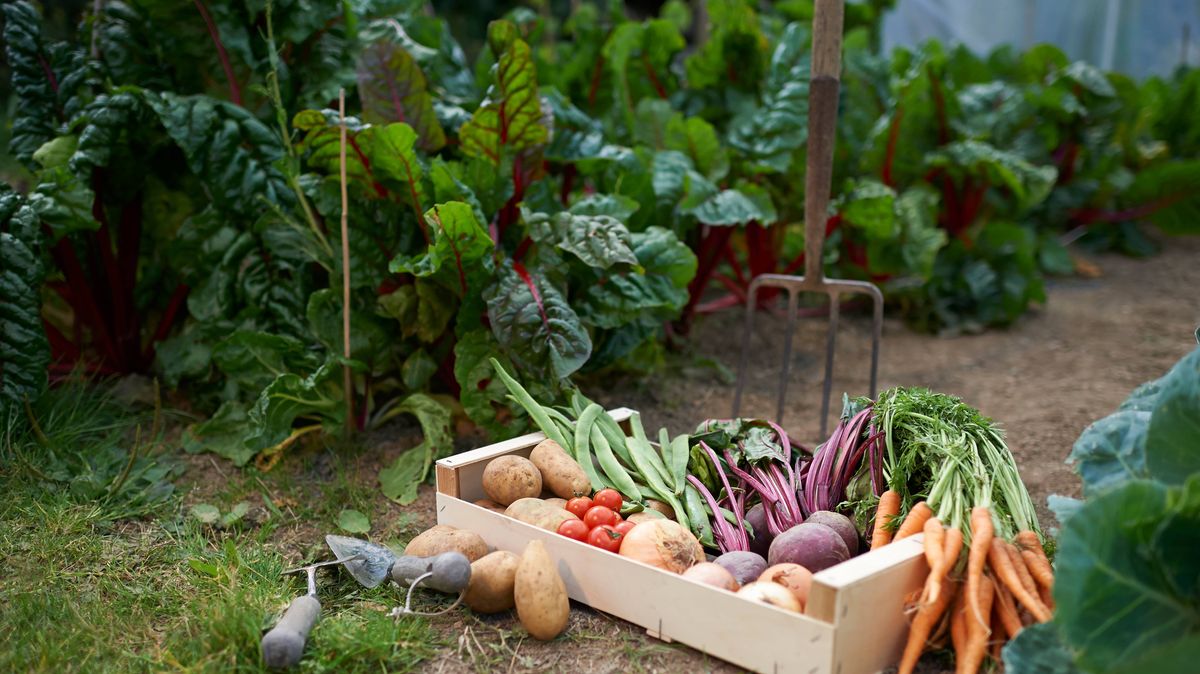
Garden expert Benedict Vanheems says April is the most important sowing month of the year, and recommends five essential vegetable seeds to plant now for summer success: carrots, courgettes, cucumbers, chard, and celery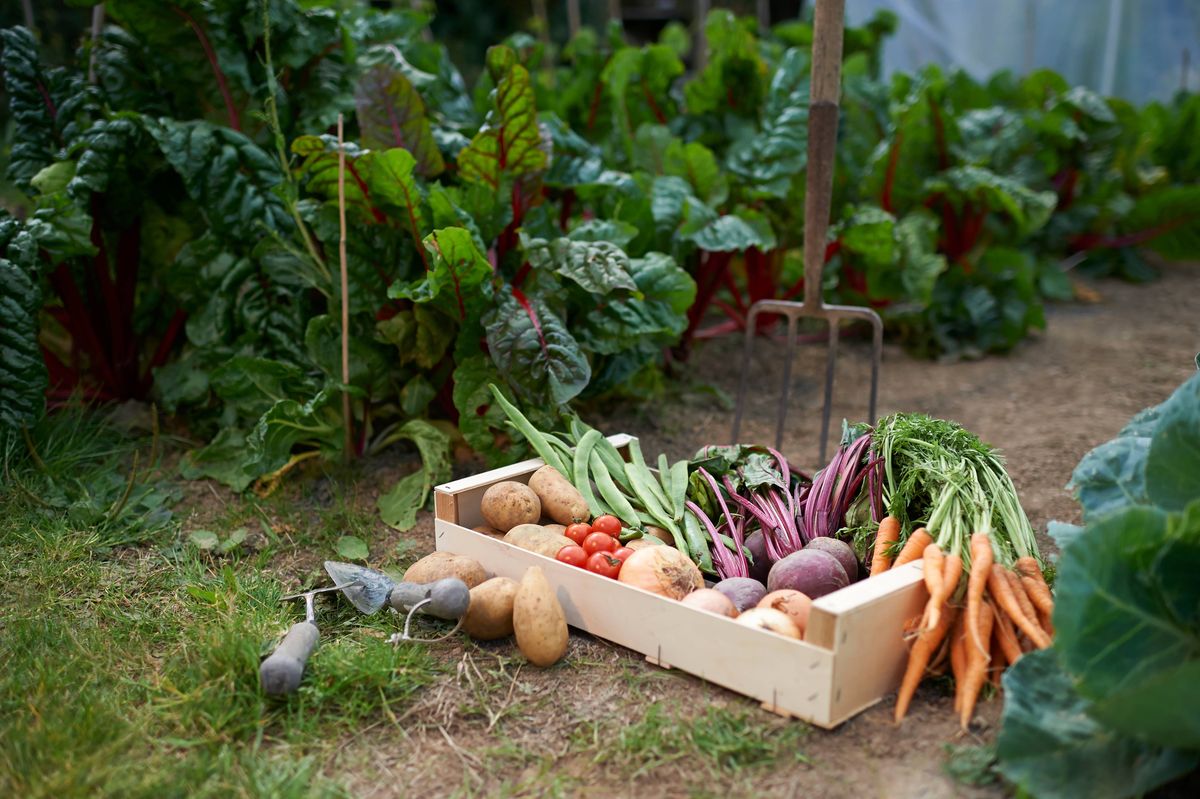
Home-grown veg is simply better, Benedict says(Image: Dougal Waters via Getty Images)
April stands as the single most crucial sowing month of the entire year, according to garden expert Benedict Vanheems. Plant the correct seeds now, he suggests, and “you’ll have set up your garden for success, all summer long.”
Carrots
Among the first crops worth considering, Benedict reckons, are carrots. While numerous experts advise gardeners to focus on cultivating pricier vegetable crops and simply depend on greengrocers for more affordable items such as carrots, Benedict maintains there’s something remarkable about a home-cultivated carrot.
“They may be cheap to buy, but this is why you grow carrots,” he reveals on his GrowVeg YouTube channel, noting that the robust flavour of a carrot you’ve nurtured yourself will be “so much more carroty than anything you’ll find in the supermarket.”
Your vegetable plot should be thoroughly raked before sowing carrots, creating shallow drills for the seeds roughly eight inches apart. Scattering the seeds manually, ideally positioning them approximately half an inch apart, ought to produce a reasonably uniform distribution of plants.
You can always thin them later if certain plants prove too closely spaced, though remember that carrots respond poorly to being moved, so you’ll be lucky if the relocated ones reach full maturity.
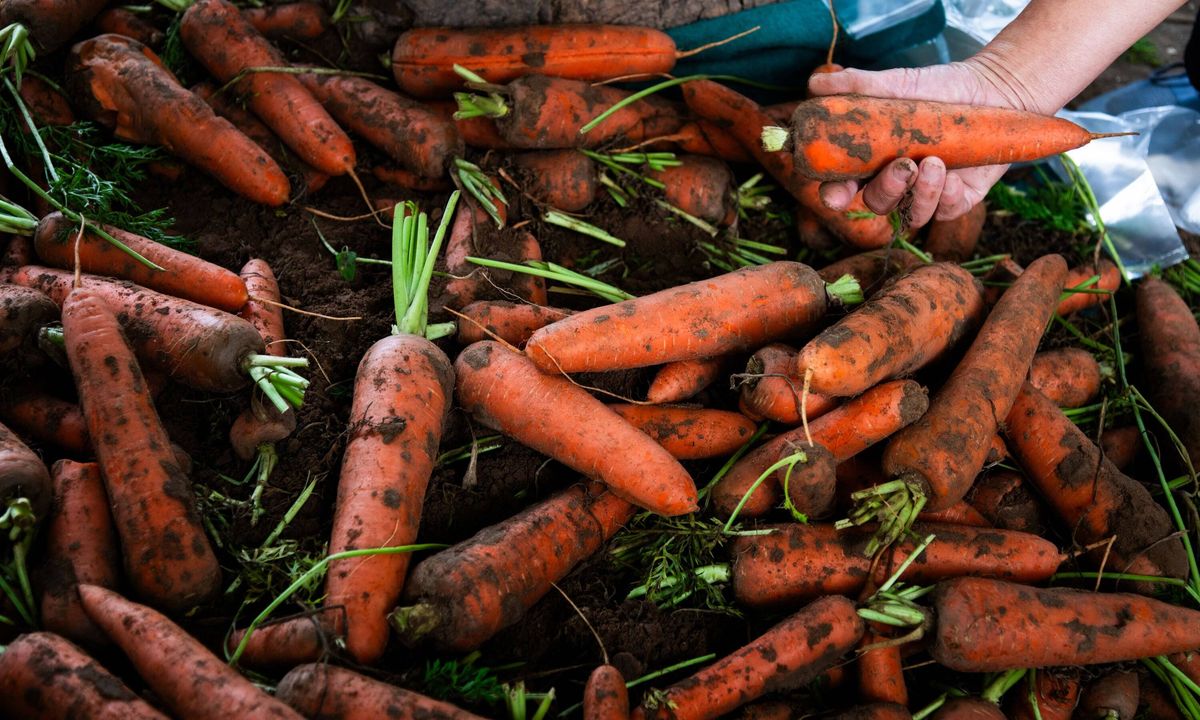
Home-grown carrots are far superior to shop-bought, Benedict says(Image: Getty)
Prior to covering the seeds with a thin layer of soil, Benedict recommends giving them a good watering: “It’s been an incredibly wet winter here, but it’s surprising how much moisture carrots need to germinate, and good consistent moisture will really help things along.
“If you’re sowing later in the season and it’s dry,” he continues, “then one tip is to water into the [trench] before sowing and then sow, cover them over and water again just to make sure it’s really wet.”
Throughout the two to three weeks it takes for germination, Benedict advises keeping up with watering. He also cautions gardeners to remain vigilant for pests: “Slugs absolutely love carrot seedlings, in fact, it’s probably one of their favourite meals.”
Courgettes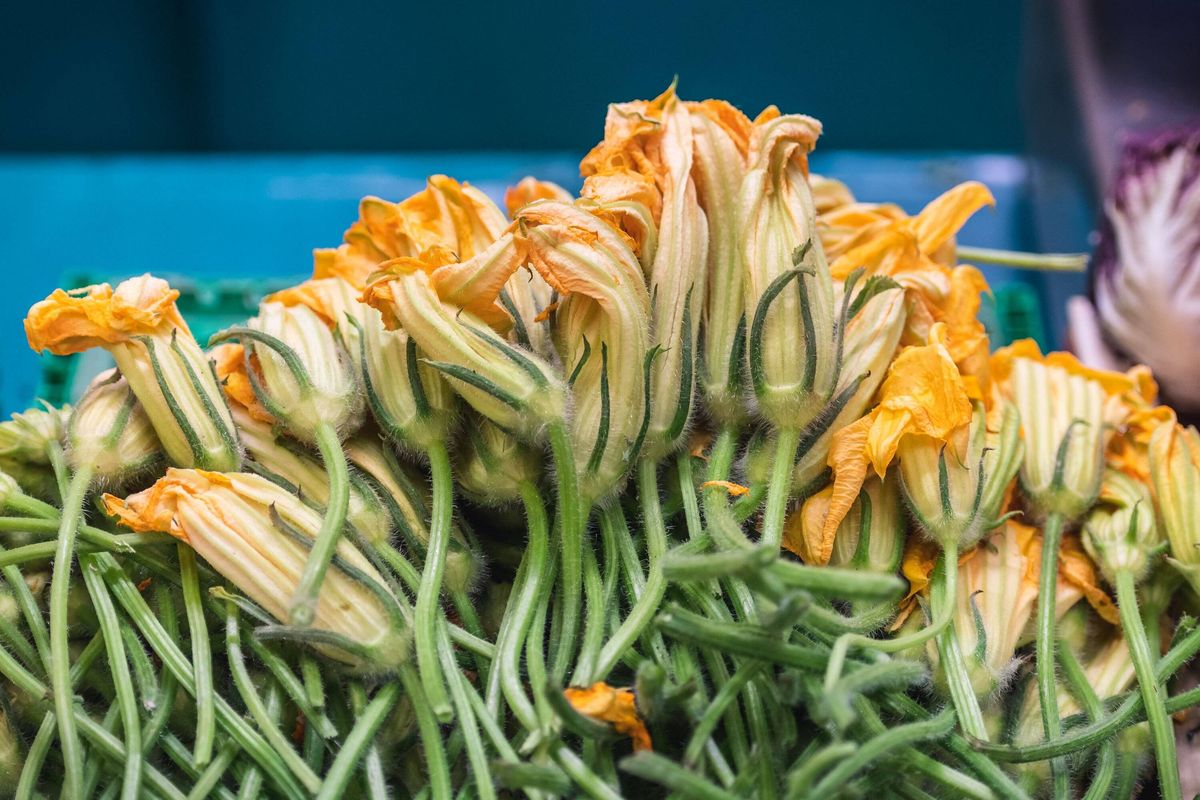
Courgettes are decorative as well as taste(Image: Getty)
Courgette, or zucchini for your American cousins, is “the plant that keeps on giving,” according to Benedict. “These guys can go from seed to sprawling plant in what seems like the blink of a horticultural eye.”
Courgette plants are so remarkably productive that you needn’t grow any more than half a dozen at most. They should be sown no more than three to four weeks before your anticipated last frost date, and will be harvest-ready sooner than you might expect: “I harvest them young, when they’re at their nuttiest and densest,” Benedict explains, “they’re just sublime like that.” Courgettes offer tremendous instant satisfaction for the impatient gardener: “In fact,” Benedict says, “one year, I had my first picking towards the end of May from an early April sowing — they’re that fast.”
According to gardening tradition, seeds ought to be sown edge-on rather than flat to avoid becoming too waterlogged and risking mould and mildew, but in reality, Benedict says they grow so rapidly that you’d need to be particularly unfortunate with the weather for that to become an issue.
Cucumbers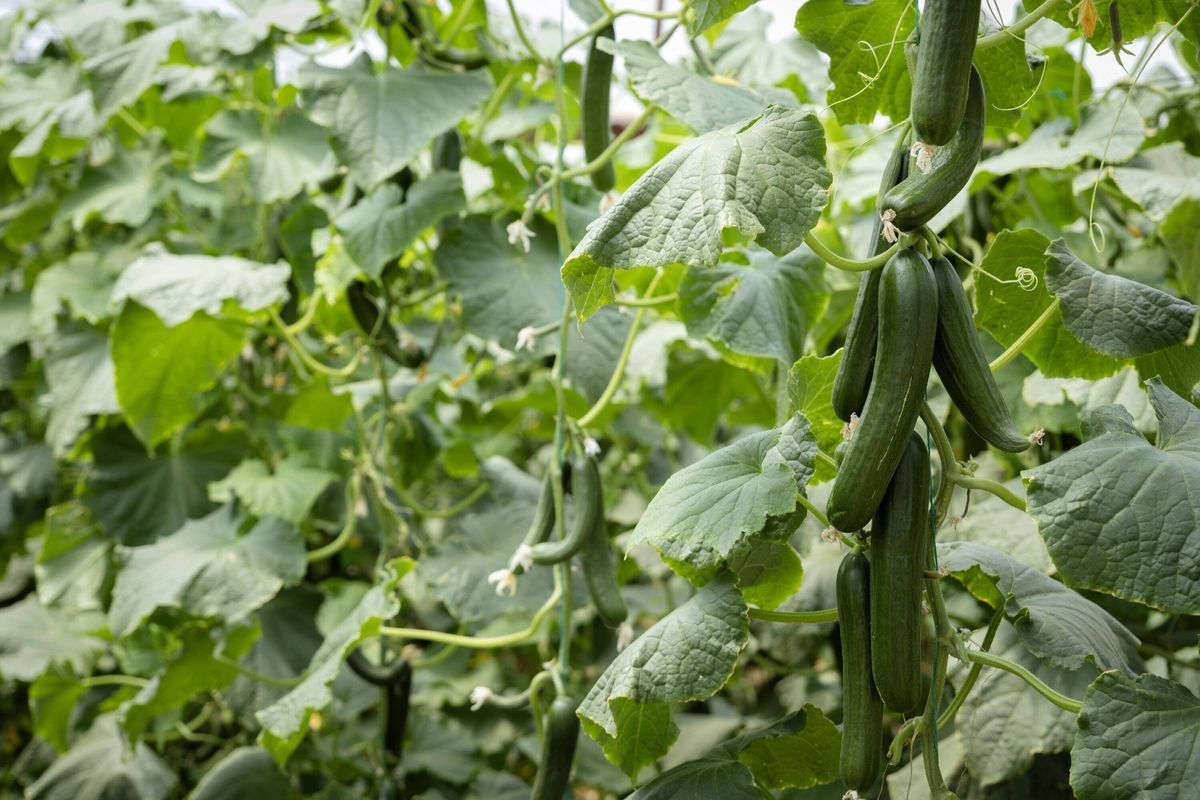
Cucumbers will be happier in a greenhouse(Image: Getty)
While cucumbers bear a striking resemblance to courgettes, they require somewhat more careful handling. They germinate most effectively in warmer conditions, so a greenhouse would be ideal, or failing that, you can simply start them off indoors.
They will sprout remarkably quickly if kept sufficiently warm, Benedict says, “and they’ll soon produce those floppy little leaves that tell you they’re ready for more space.”
Cucumbers make a fantastic addition to any vegetable patch, he adds, as they’re surprisingly pricey in supermarkets, yet remarkably versatile. Benedict says: “I’m always amazed at how much cucumbers cost, but when you grow them yourself, I love them blended into smoothies, and they’re meant to be incredibly good for your skin, eyes and what-not.” Whatever your plans for your cucumbers, there are just a few crucial points to bear in mind: “Whether you’re growing your cucumbers in a greenhouse, polytunnel or hoop house, or outside in a sunny and sheltered spot, the key things to remember are regular watering and regular feeding.
“Inconsistent moisture can lead to bitter-tasting fruits, and no one wants that after months of hard work!”
Chard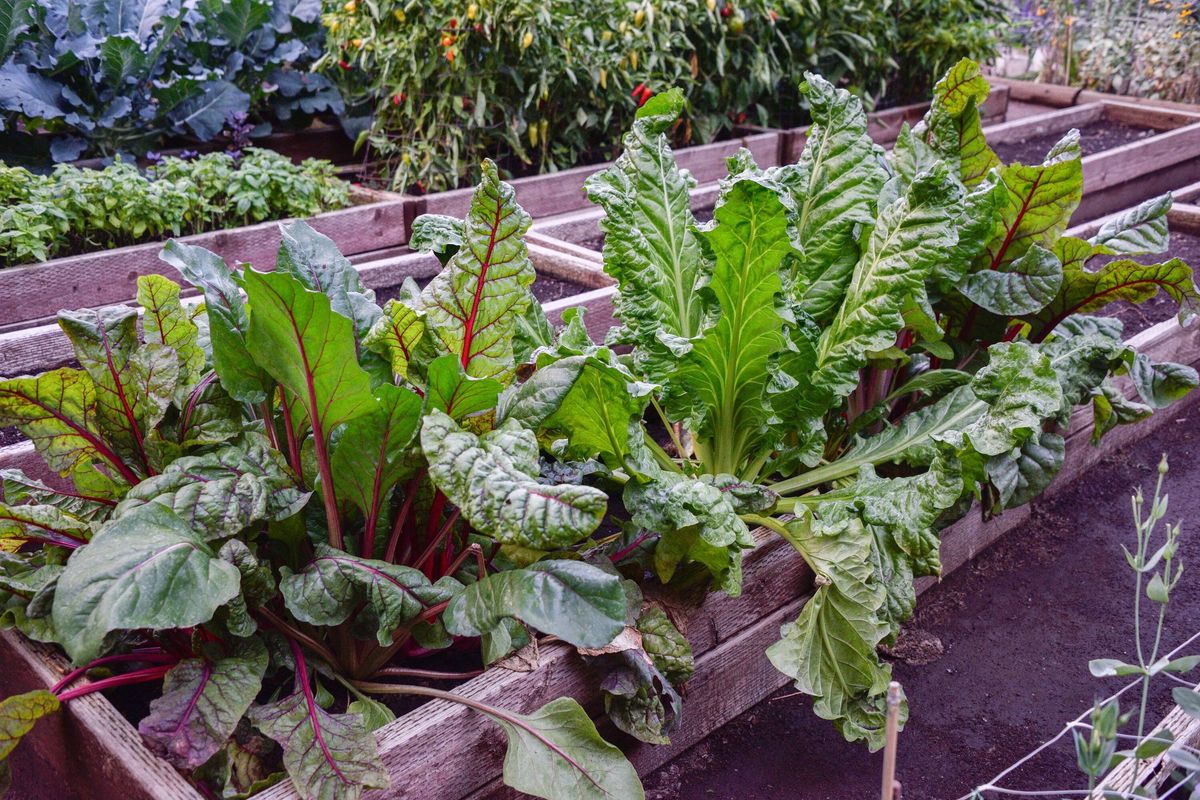
Apart from being a healthy food, chard is quite a decorative crop(Image: Getty)
“Chard is one of my favourite vegetables for sheer reliability and productivity,” Benedict says. “Chard can be colourful, incredibly productive, and is far more tolerant of heat — and cold, for that matter — than many other greens.”
Getting the timing right with chard is essential, Benedict explains: “The interesting thing with chard is that you can sow it maybe a month earlier than now, but the risk of it bolting — that’s flowering prematurely — does go up if you do that.”
For this reason, he advises against sowing chard seeds too soon, suggesting it’s preferable to wait until spring is properly established: “I’ll be planting my chard seedlings a little over a foot or 35cm apart in both directions,” he says, “and after that it’s simply a matter of keeping the area well watered and weed-free.”
Once established, you can simply pick the outer leaves when required: “By harvesting like that, little but often, I should get a harvest for many months from just the one sowing,” Benedict says.
Celery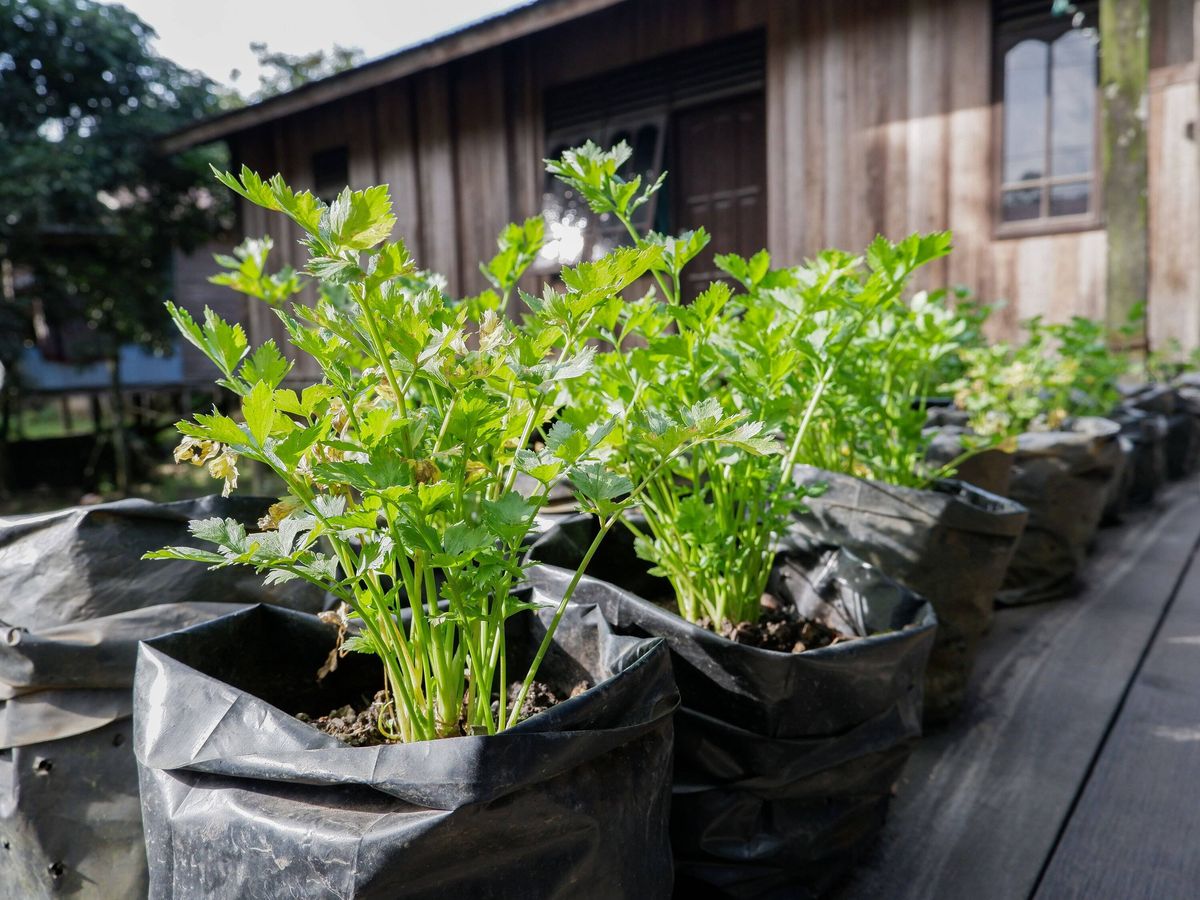
Celery does require a little more care than some other garden begetables(Image: Getty)
Celery proves somewhat more challenging than the other plants on Benedict’s list. Although it thrives in the same all-purpose potting mix as the other vegetables mentioned, its seeds are extraordinarily tiny — barely larger than specks of dust — making it worthwhile to sieve your compost to achieve a similarly fine consistency.
As celery requires light to germinate, simply scatter the seeds across the surface, pressing them down gently to stop them drifting away, then water carefully using a watering can fitted with the finest rose available.
“Our celery seeds will need warmth, patience, and just a little bit of faith because they’re in no hurry to come up,” Benedict explains. Covering the pot with a sheet of clear plastic will give celery seeds the optimal start, and seedlings can subsequently be transferred into individual plugs to develop further before being planted outside.
Benedict cautions: “Celery needs rich soil and consistent moisture throughout the growing process. If you do let it dry out, it can get a bit stringy and strong flavoured and not particularly pleasant — this is actually a bog plant after all. But keep it happy and you’ll be enjoying crisp and aromatic stems that are leagues ahead of anything you’ll find in the supermarket.”
Companion Flowers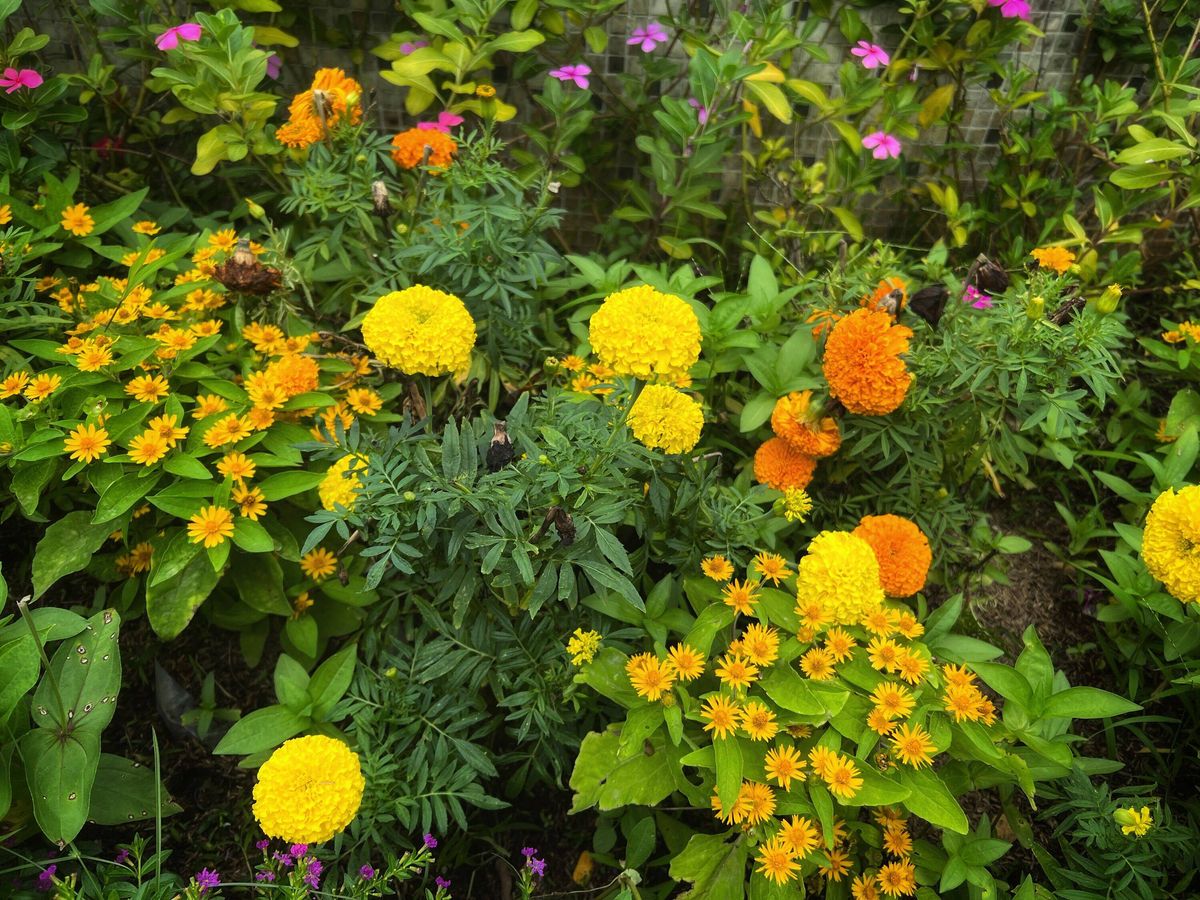
Marigolds are excellent companion plants for a vegtable patch(Image: Getty)
Alongside all those practical vegetables, Benedict recommends introducing a selection of flowers to keep your crops company. Marigolds, zinnias, and alyssum are outstanding companion plants, combining to produce a vibrant, low-maintenance, and pest-resistant outdoor space.
“Marigolds will help to confuse pests, while sweet alyssum forms low, fragrant carpets that attract beneficial insects of all kinds,” Benedict explains.
And zinnias, with their striking colours, make superb cut flowers. “These should be kept frost-free and then in a couple of weeks or so they’ll be ready to plant out and offer their colour, buzz, movement and joy to the garden.”
Comments are closed.