
Plant-filled trucks are pulling into garden centers, and catalog companies have begun shipping their bare-root plants.
It seems the 2026 planting season has arrived … or has it?
Just because the calendar says it’s spring doesn’t mean it’s “safe” to plant whatever you want.
Planting times for Pennsylvania not only vary by the type of plant but by the specific area.
Here’s a rundown to help you figure out when to pull the plant trigger:
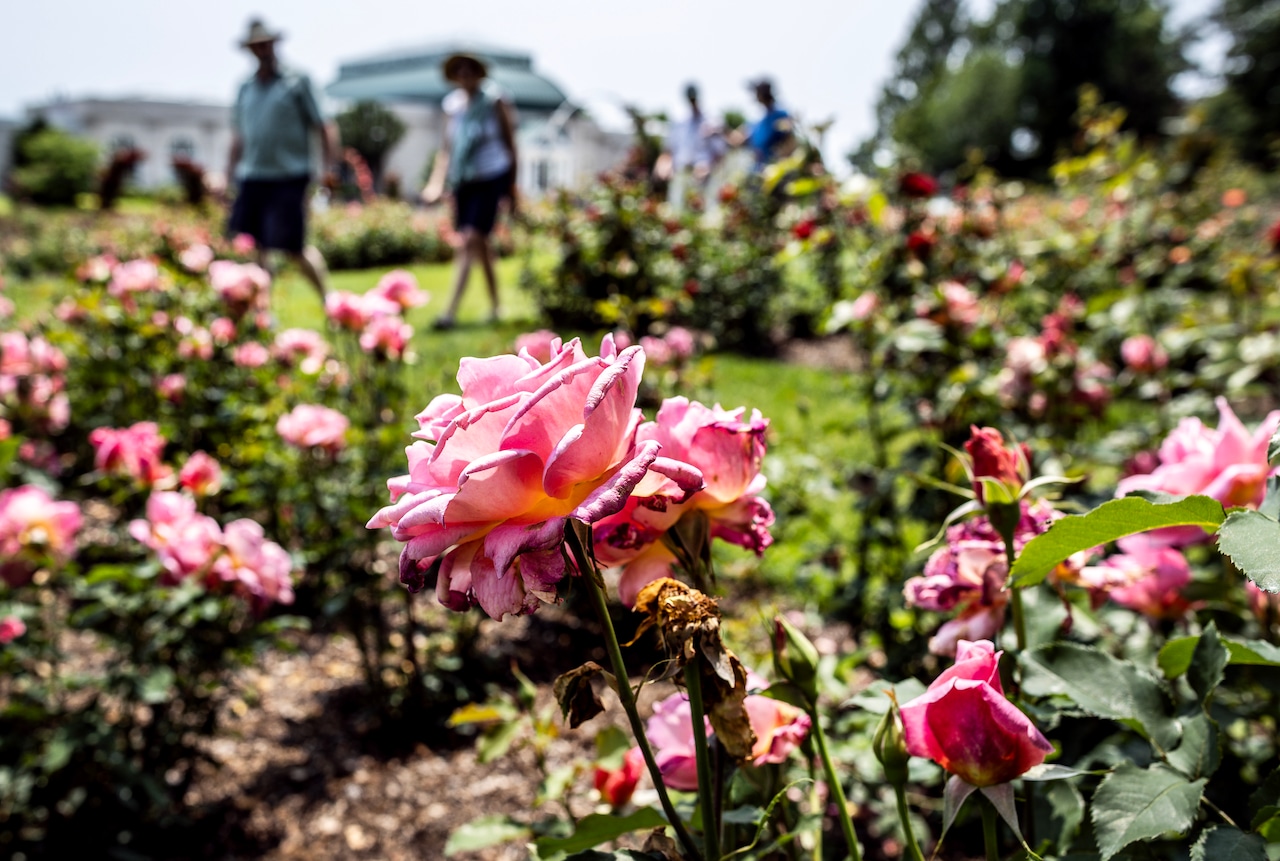 Hershey Gardens has thousands of roses. These bloomed in June 2025. Late March through April is a good time to plant roses. (Dan Gleiter | dgleiter@pennlive.com, file)Dan Gleiter | dgleiter@pennlive.comTrees, shrubs, roses and evergreens
Late March through April is a good time frame for so-called “woody plants.” Most of these can take sub-freezing weather, and so they can be planted while overnight frosts are still possible (and likely).
Just pay attention to the USDA Cold Hardiness Zones listed on plant tags.
The USDA assigns a cold-hardiness zone to each area of the U.S. based on that area’s average low temperature in winter.
Most of the Harrisburg area is in USDA Cold Hardiness Zones 6b and 7a, which means average winter lows that bottom out between minus-5 degrees and 5 degrees above zero.
Check USDA’s online interactive Cold Hardiness Zone Map to type in your Zip code and see your hardiness rating.
Once you know that, stick with plants that have hardiness ratings in a range that includes yours. A shrub that’s listed for hardiness in zones 4 through 8, for example, would be suitable for the Harrisburg area’s Zone 6b or 7a winters.
Local garden centers and nurseries generally sell only plants that are reliably hardy in our area — at least those sold in the outdoor nursery areas and not in sections displaying frost-sensitive tropicals and annuals.
Don’t be concerned if the plants haven’t leafed out yet. Some woody plants are still dormant and will begin growing for the season as spring progresses.
Perennials
Perennials are flowers and ornamental grasses that come back every year from their own roots.
As with woody plants, most are also tolerant of sub-freezing weather and can be planted from early April onward – again, so long as you’re sticking with plants rated to your cold-hardiness zone.
As with woody plants, perennials are also normally displayed outside.
Give them a few days of protected outside exposure before planting to be sure they’re cold-adapted – in case the plants were greenhouse-grown and just delivered.
Don’t worry if a sudden, super-cold spell swoops in after planting and causes some leaf damage. Just keep the soil damp, and the plants will grow replacement leaves.
If you’re concerned, drape a floating row cover or sheet over newly planted perennials if a harsh freeze is in the forecast.
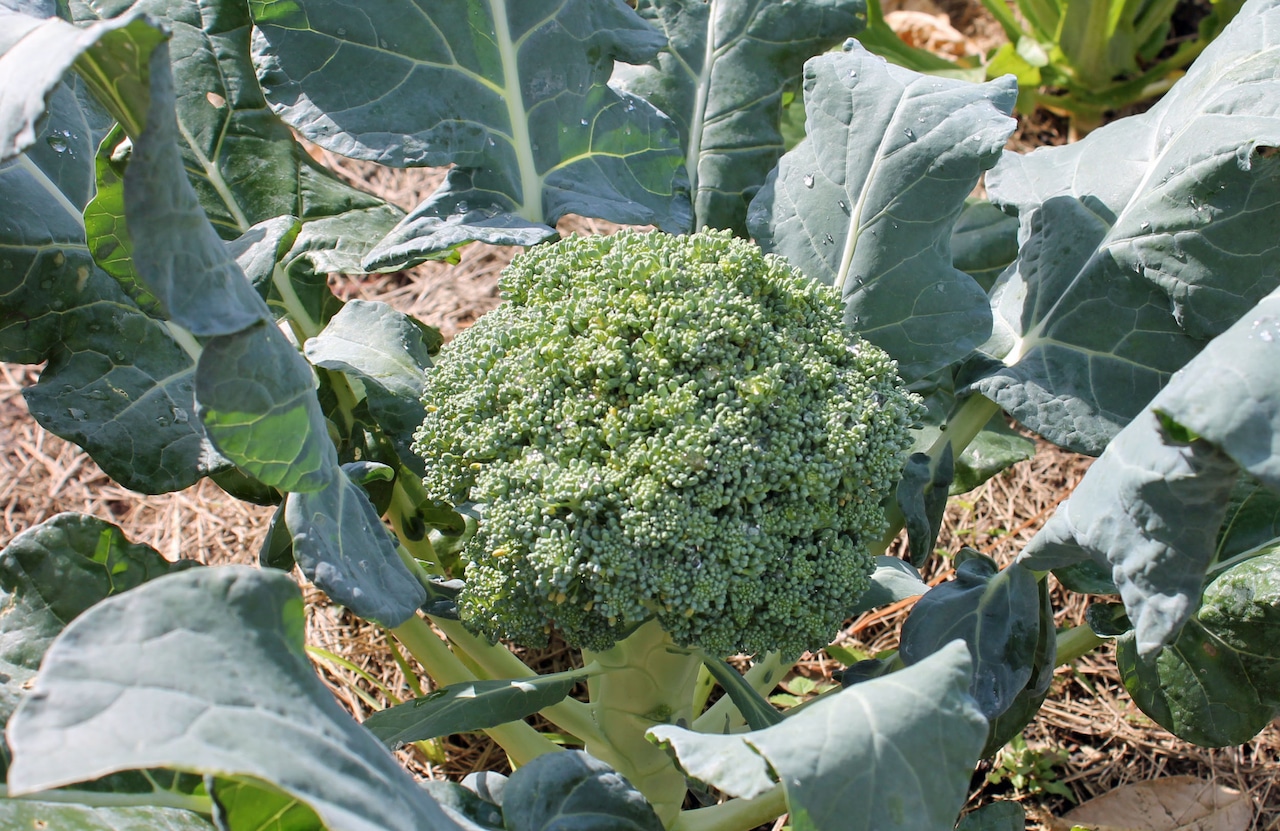 Cold-hardy or “cool-season vegetables” include broccoli. (George Weigel, PennLive.com/file)George WeigelCold-hardy annual flowers and vegetables
These are plants you’re growing just for one season, but they’re cold-hardy enough to tolerate a frost or two. That means they can go into the ground or in a pot in early April instead of waiting until all danger of frost has passed.
In the flower garden, examples of hardy annuals are snapdragons, pansies, violas, dianthus, calendula, nemesia, and dusty miller.
In the vegetable garden, cold-hardy or “cool-season vegetables” include onions, leeks, shallots, carrots, lettuce, spinach, radishes, beets, cabbage, broccoli, cauliflower, kale and peas.
Most of these really ought to go in the ground this early because they don’t tolerate heat well.
That’s why flower gardeners often replace their early-spring planted pansies and snapdragons with more heat-loving varieties in May or June, and why vegetable gardeners do the same by replanting a summer crop where they’ve harvested a spring one.
Warm-season annual flowers and vegetables
Here’s where things get a little trickier. Summer or “warm-season” annuals and vegetables don’t tolerate frosts and will croak if you plant them too soon.
The catch is that we don’t know for sure each year when the spring’s last killing frost will occur – i.e. when it’s “safe” to plant the summer annuals and veggies. That date can vary widely from year to year and area to area.
Last spring, temperatures dipped to 27 degrees overnight in Harrisburg on April 9, but then nothing below 32 degrees followed until November.
Those readings came from the area’s “official” temperature-monitoring station at Harrisburg International Airport, though, so if you’re in an outlying or higher-elevation reading, you no doubt had frosts later in the season.
If you go by Harrisburg’s last-spring-frost average date since 2000, April 11 is the recent average.
If you go by the more cautious latest “official” spring frost since 2000, that date is May 10.
This is why most gardeners (or at least the most risk-averse ones) still time their summer-plant plantings by that or the area’s all-time latest frost date, which is May 11, 1966.
Gardeners above Peters Mountain and in other higher, colder areas know that even that date isn’t the guaranteed end of frost and so they often wait until Memorial Day to do their “summer planting.”
One strategy some gardeners use is to wait until midway through April and then start looking at the 10-day forecast. If there’s nothing close to 32 degrees approaching the May 11 all-time-late-frost date, they’ll plant. If frost is a maybe, they’ll wait.
If frost pops up in the forecast after you’ve planted, floating row covers or sheets can give a few degrees of overnight protection.
Summer annual flowers that shouldn’t go in the ground until after frost include marigolds, zinnias, impatiens, petunias, vinca, begonias, coleus, celosia, calibrachoa, verbena, scaevola, geraniums and most salvias.
Summer vegetables that should wait until all danger of frost is gone include tomatoes, peppers, eggplants, cucumbers, squash, melons, beans, corn, pumpkins, okra and sweet potatoes.
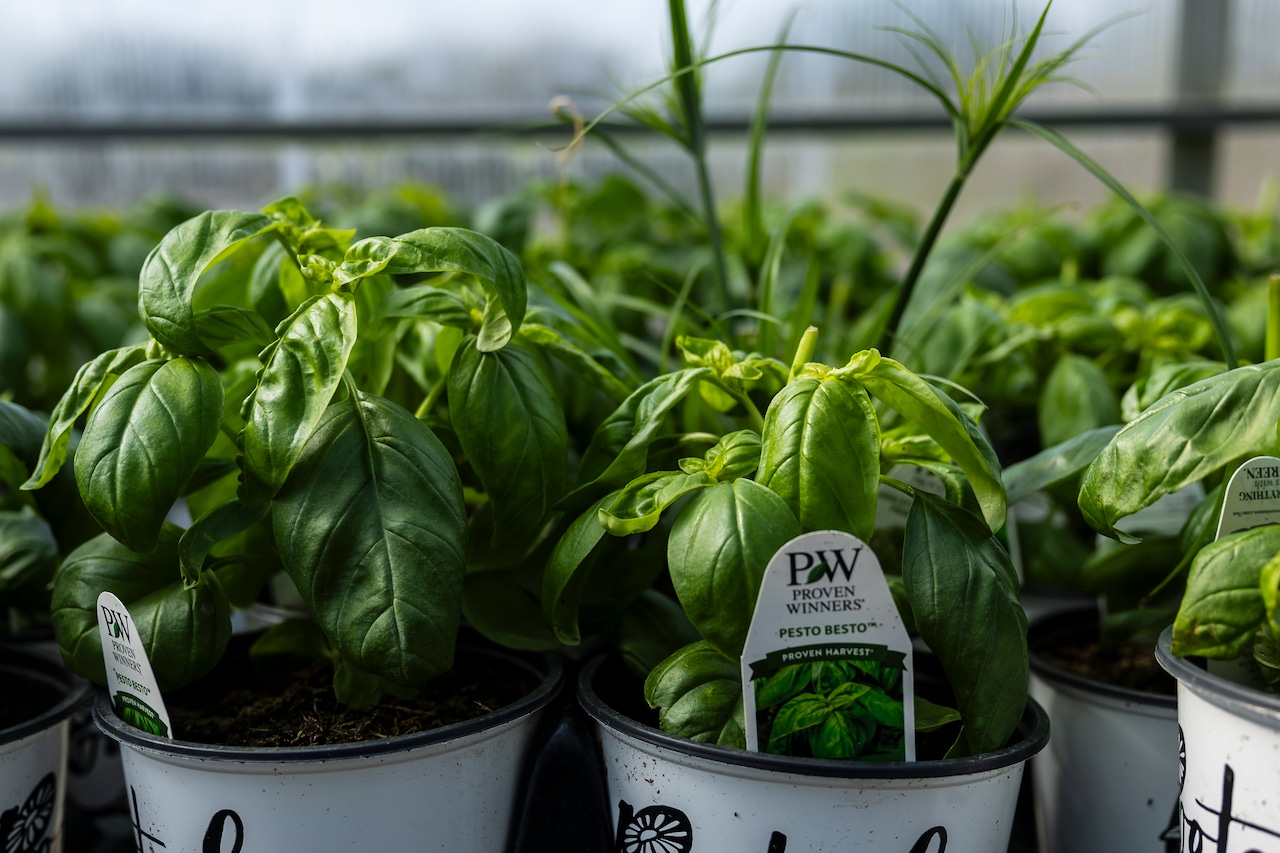 Basil is a cold-tender annual herb. (Kaytie Boomer | MLive.com, file)Kaytie Boomer | MLive.comHerbs
This one is a “depends.” Most herbs are cold-hardy perennials that can be planted in early April. They’ll survive winter and come back year after year.
Others are cold-tender and shouldn’t go outside until after all danger of frost has passed, a la summer annuals and vegetables.
Cold-hardy perennial herbs include sage, thyme, oregano, mint, chives, garlic chives, tarragon, lovage, Roman chamomile, lavender, lemon balm, winter savory and feverfew.
Cold-tender annual herbs include basil, dill, rosemary, parsley, coriander/cilantro, marjoram, stevia, summer savory and German chamomile.
Comments are closed.