
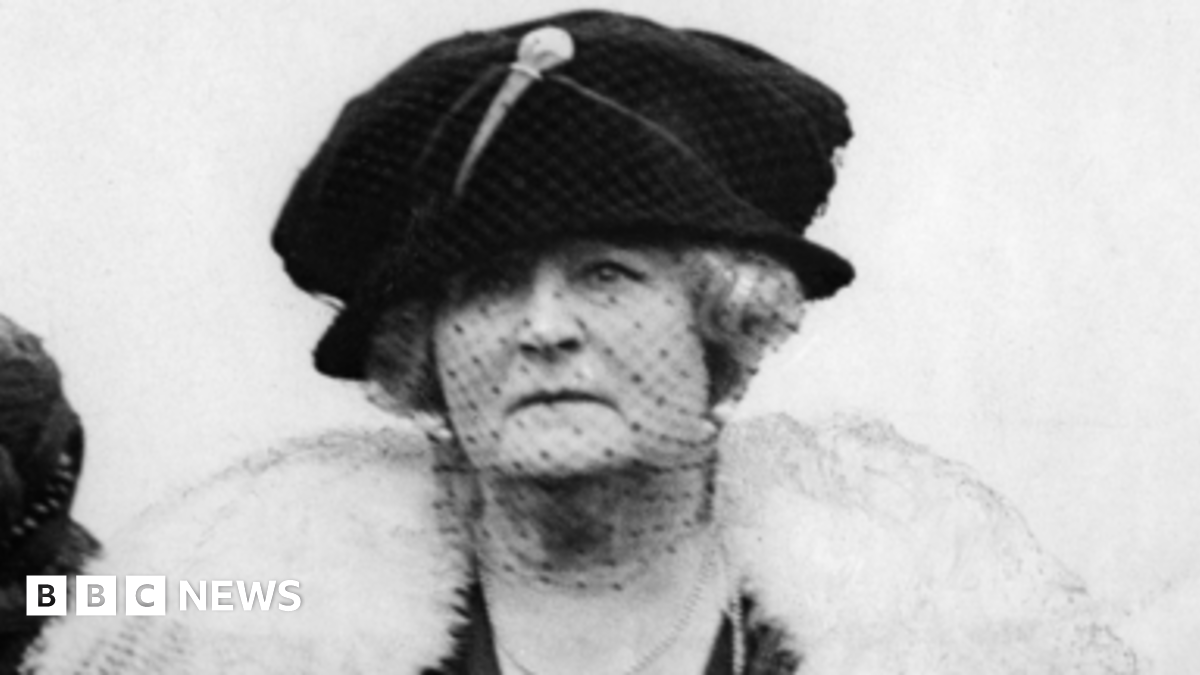
Based on the Bath Road, the school had more than 225 students in the five years it was in the town before it was succeeded by a larger all-inclusive college, land and accommodation scheme in Studley, Louise explained.
World War One saw the creation of the Women’s Land Army (WLA), recruiting women to work in agriculture while men fought on the front line. It changed the role of women in society dramatically.
Louise said: “Early women’s schools in gardening in this particular era formed the seed of of the WLA.
“Women were no longer just sat sewing and doing a bit of embroidery, we could just get on and do things.
“They’d thrown away the sewing needle and taken up the trowel.
“I mean, how dare they pick up a spade? How dare they learn about growing flowers? Because they weren’t supposed to do that. So I think it was fairly radical.”
While women have gardened for centuries, when they became visible doing these roles, it became usual for people to see women making things, growing things, making a living and going to horticultural college, she said.
“I just think it must have been really empowering and I think that’s what she facilitated.
“We’ve got some famous horticulturists and women are going into gardening. There are amazing women garden designers. It really is an occupation for everybody now, it’s an equal occupation.”
Comments are closed.