
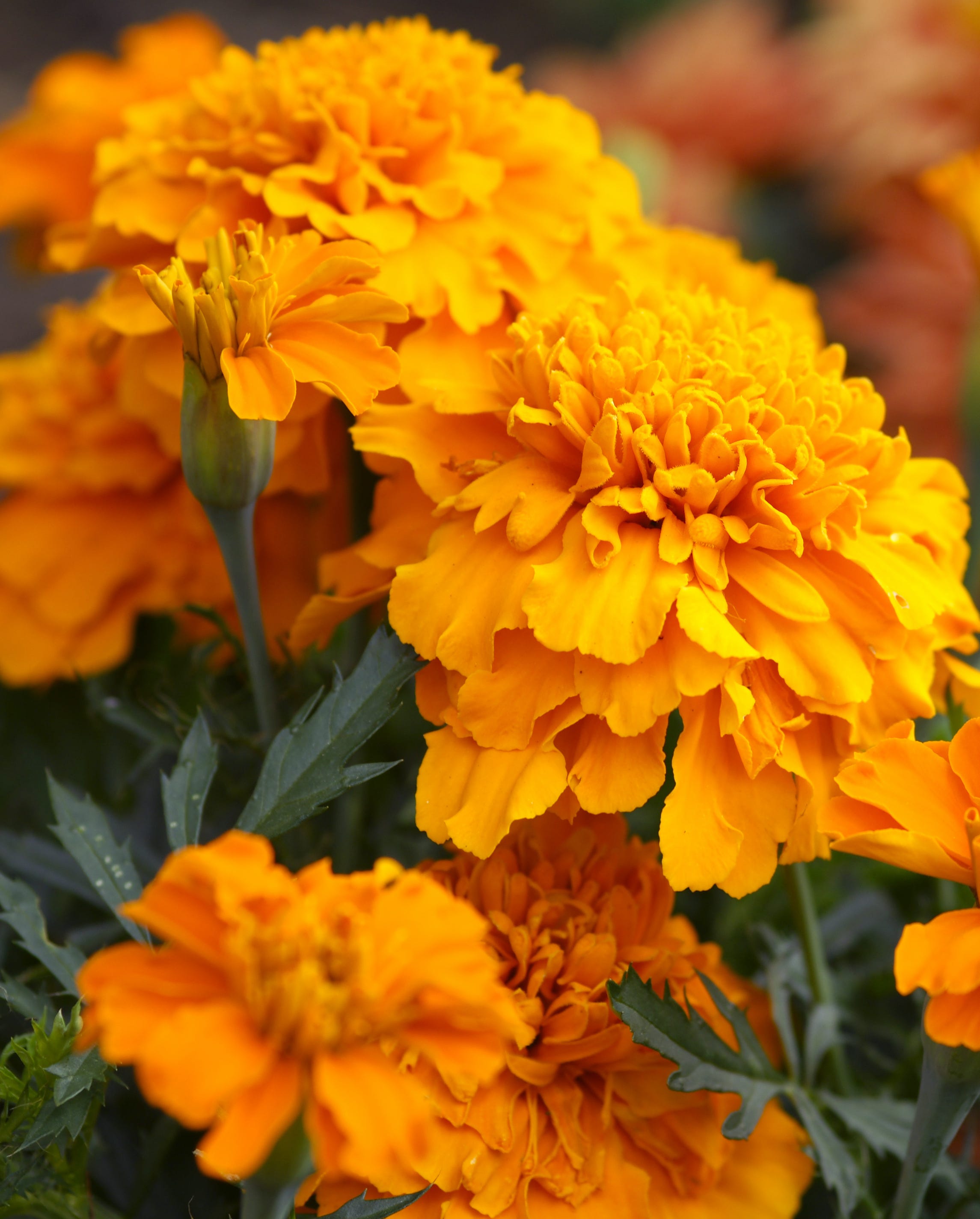
 Lucy Lambriex//Getty Images1Marigold
 schnuddel//Getty Images
Marigolds come in heights ranging from 6 inches to 3 feet tall in a variety of sunny colors including gold, red, and bicolor. Pollinators love them, and they’ll bloom from mid-summer to the first frost.
Plant seeds about a week after the last expected frost. Bonus: Save the dried flowers for seeds to plant next year!
Read more: 15 Flowers That Bloom Better When You Deadhead Them
2Zinnia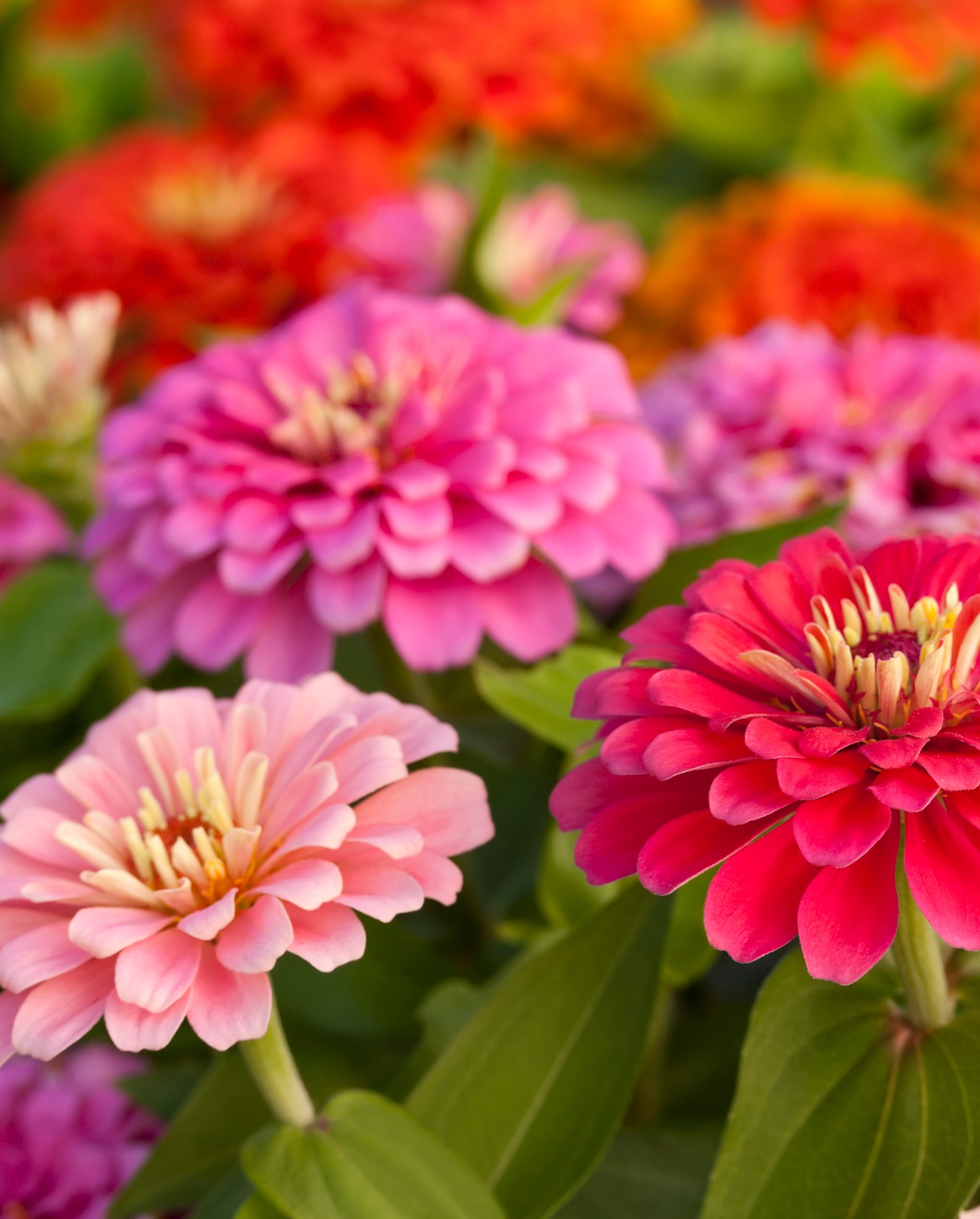 glennimage//Getty Images
Zinnias come in an array of shapes and sizes, from tiny ball-like flowers to big, bold mum-like shapes. You’ll find every color imaginable, and the more you cut them, the more they produce, so they’re ideal in cutting gardens.
Plant seeds when daytime temps are in the 50s and warmer.
Read more: 8 Easy-Care Flowers to Plant in a Cutting Garden
Advertisement – Continue Reading Below
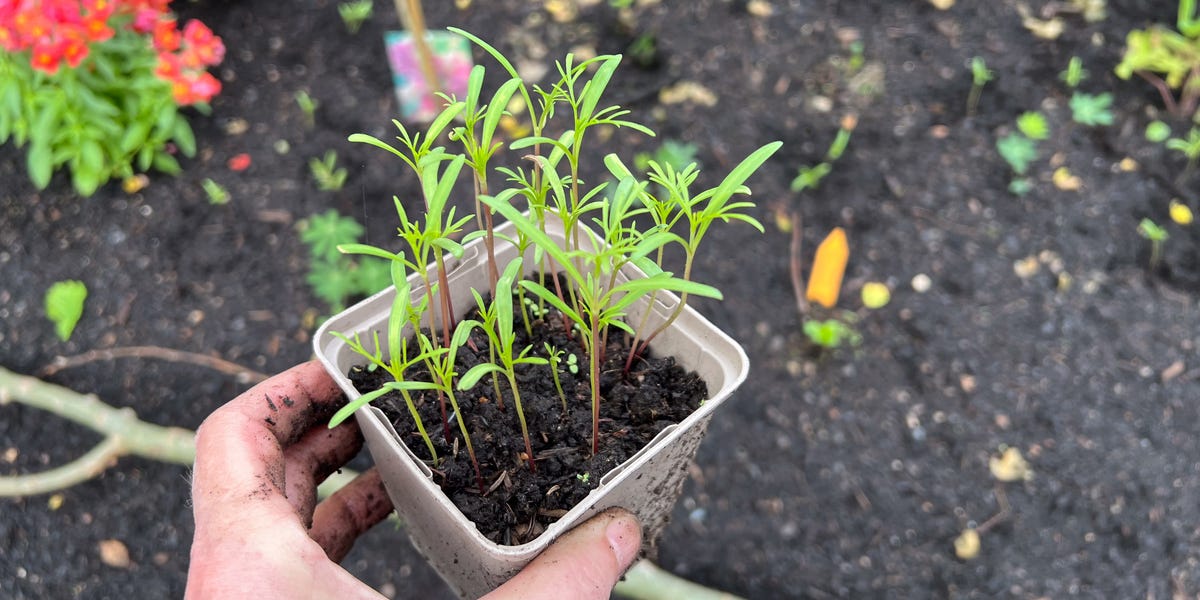
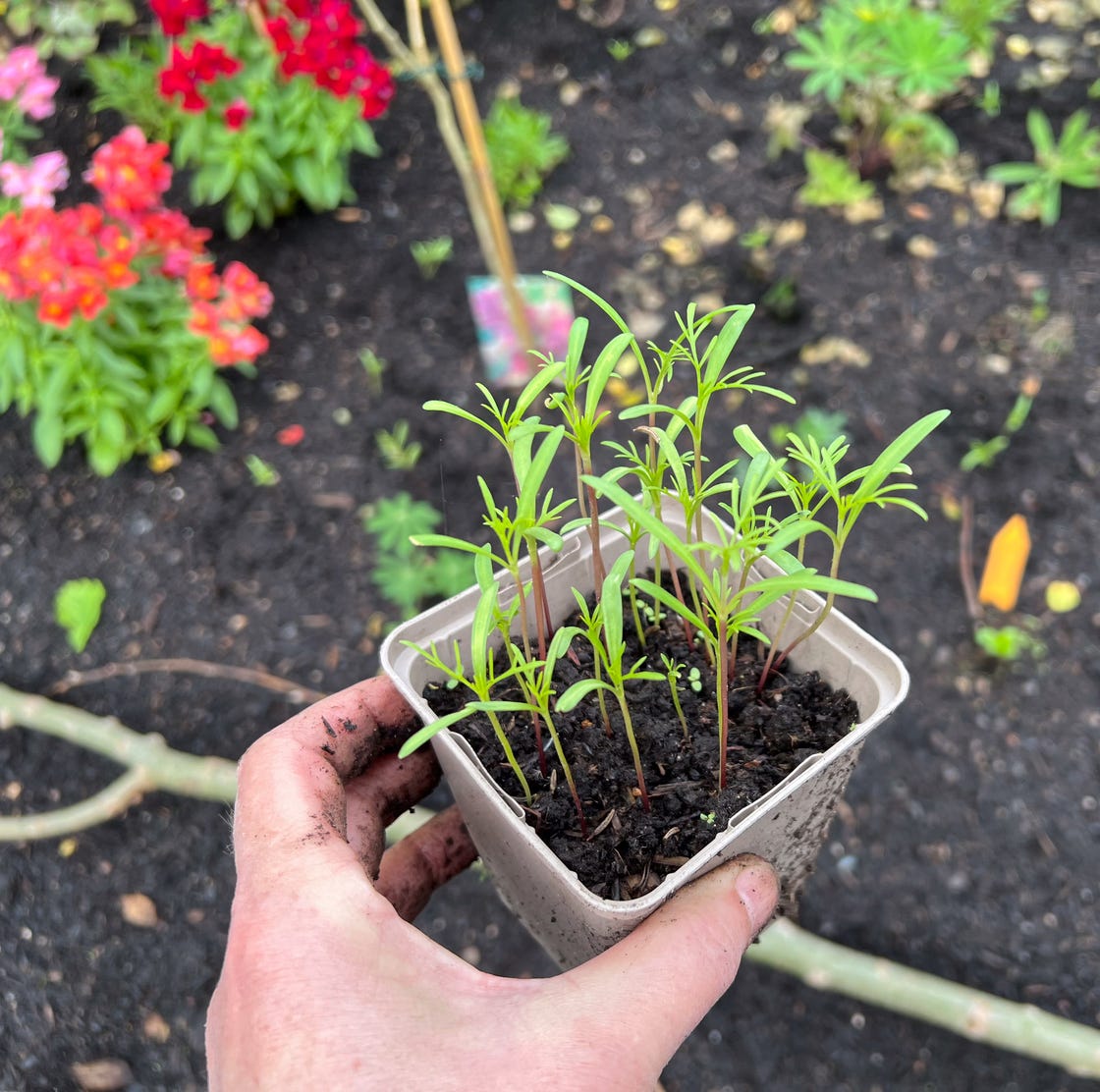
3Cosmos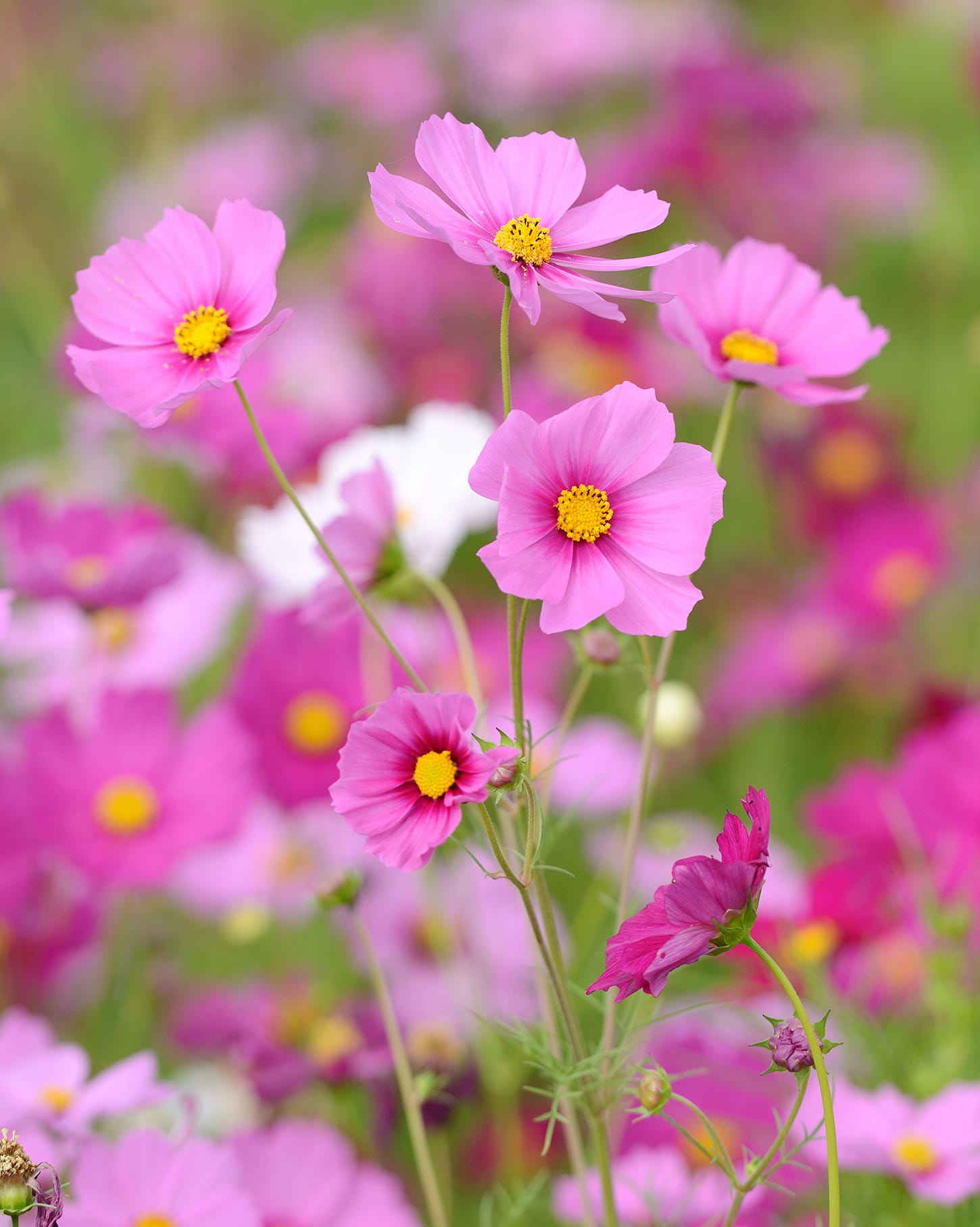 Getty Images
These ethereal flowers are lovely in mixed borders or as part of a cutting garden. They come in every shade from purest white to hot pink.
Plant the seeds when all danger of frost has passed.
4Nasturtium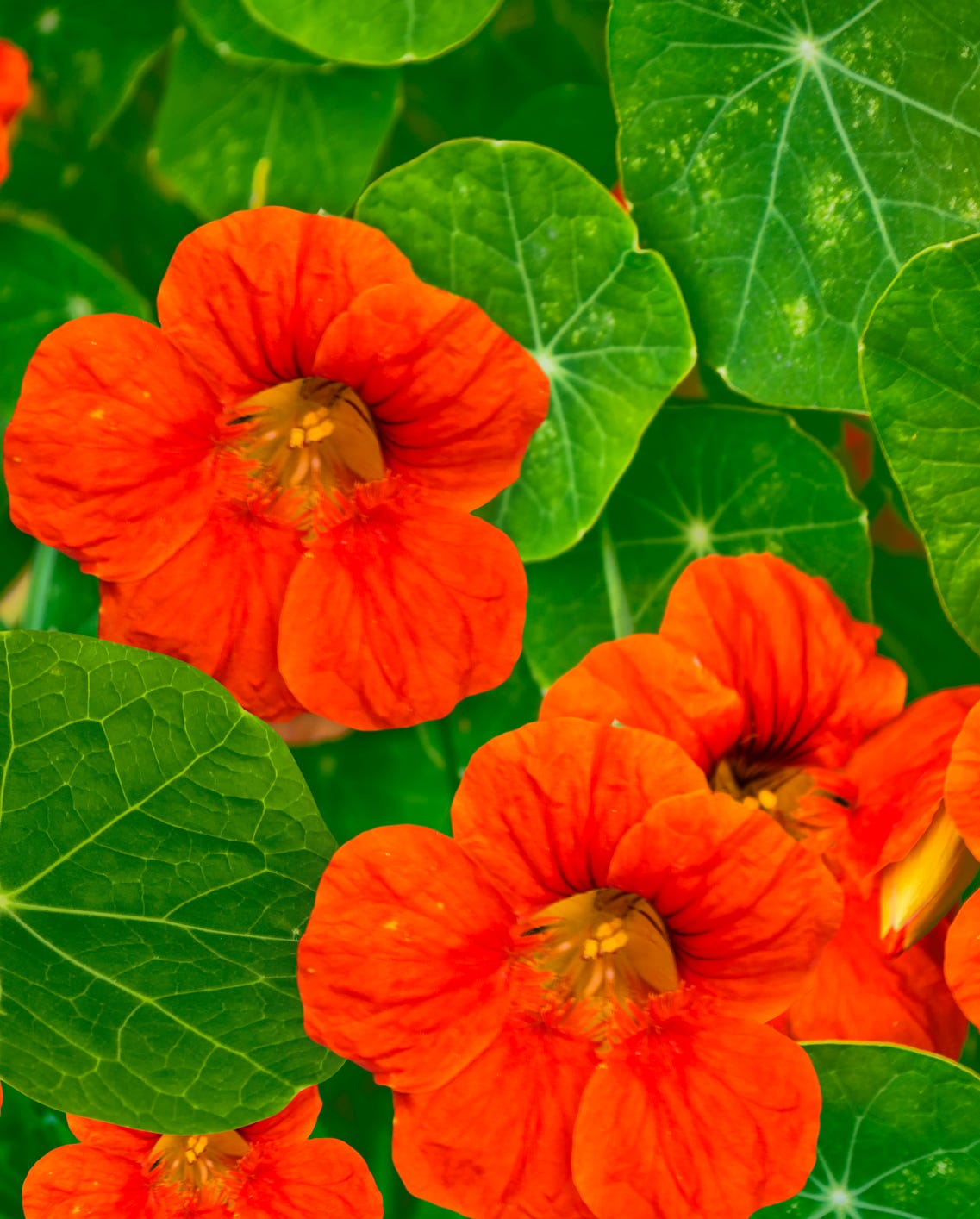 Elena Shutova//Getty Images
These rambling flowers are low-growing or slightly mounding. They come in beautiful shades of peach, pink, red, and orange. The exquisite flowers and leaves are all edible and make a pretty addition to salads and cocktails.
Plant the seeds about a week after the last expected frost date.
Read more: How to Grow Nasturtiums
Advertisement – Continue Reading Below
5Love in a Mist Pedro Liborio / 500px//Getty Images
If nothing else, you need to plant these flowers for their irresistible name! The delicate blue blooms attract tons of pollinators.
Plant the seeds when the soil temperatures warm up to the 60s, which is usually in late spring to early summer when it’s safe to put out tomato or pepper seedlings.
6Ammi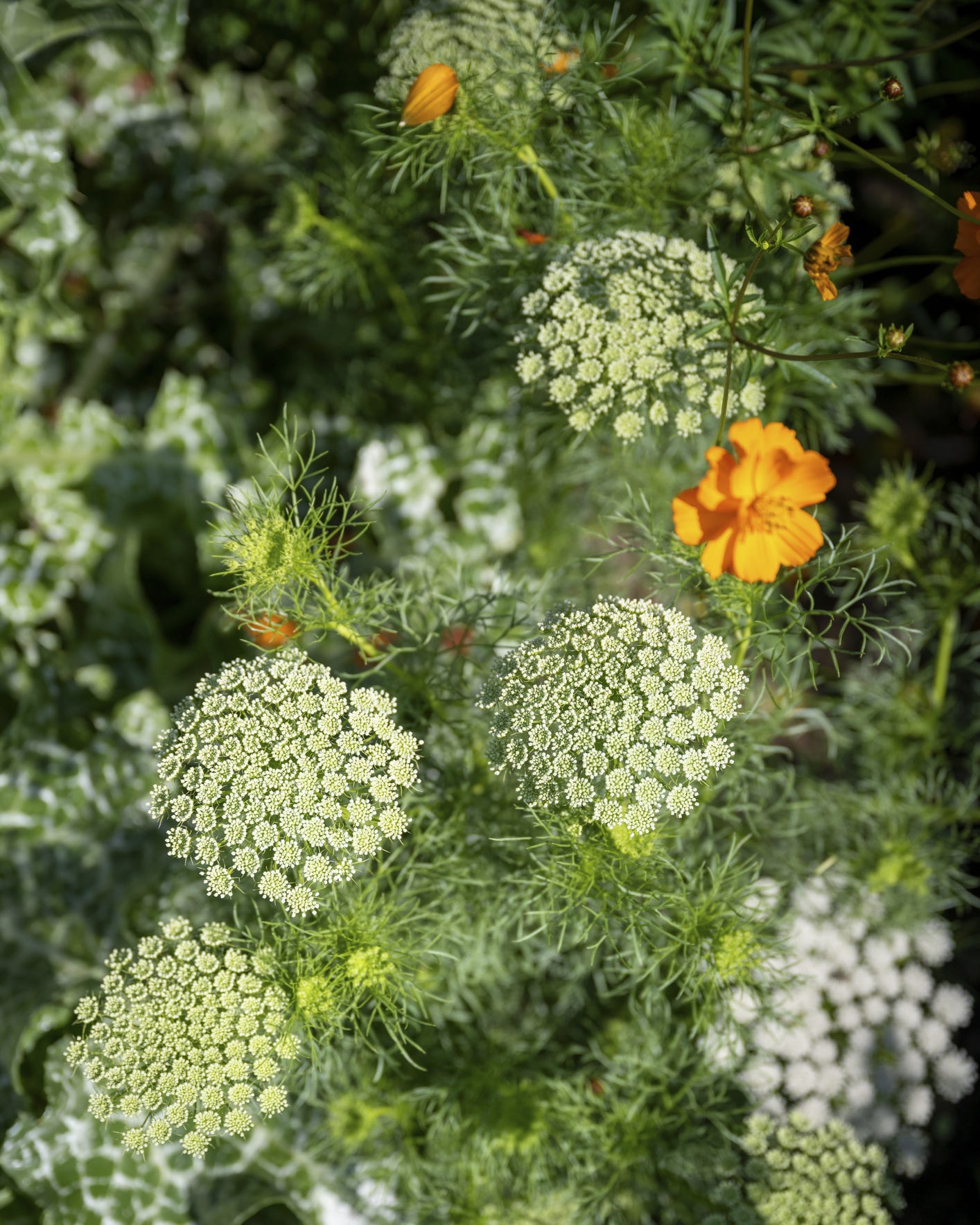 imageBROKER/Markus Keller//Getty Images
Ammi is a tall, graceful annual that looks smashing in cut flower arrangements. Its wide, flat umbel-shaped flowers attract tons of pollinators. It also self-sows easily, so you may never need to plant them again, once you have a good crop.
Plant the seeds as soon as the soil can be worked. Because they’re not the longest-lasting flowers, succession plant seeds a few weeks apart for longest harvest time.
Advertisement – Continue Reading Below
7Morning Glory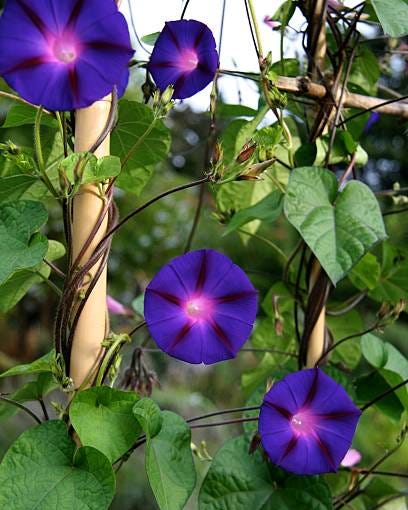 sallyjshintaffer//Getty Images
Another vining flower is morning glory, which twines gracefully up a trellis or fence line. Deadhead them if you don’t want them to reseed next year because some types can become quite pervasive in the garden if left to produce seeds.
Let the ground warm up to the mid-60s before you sow these seeds.
8Sweet Alyssum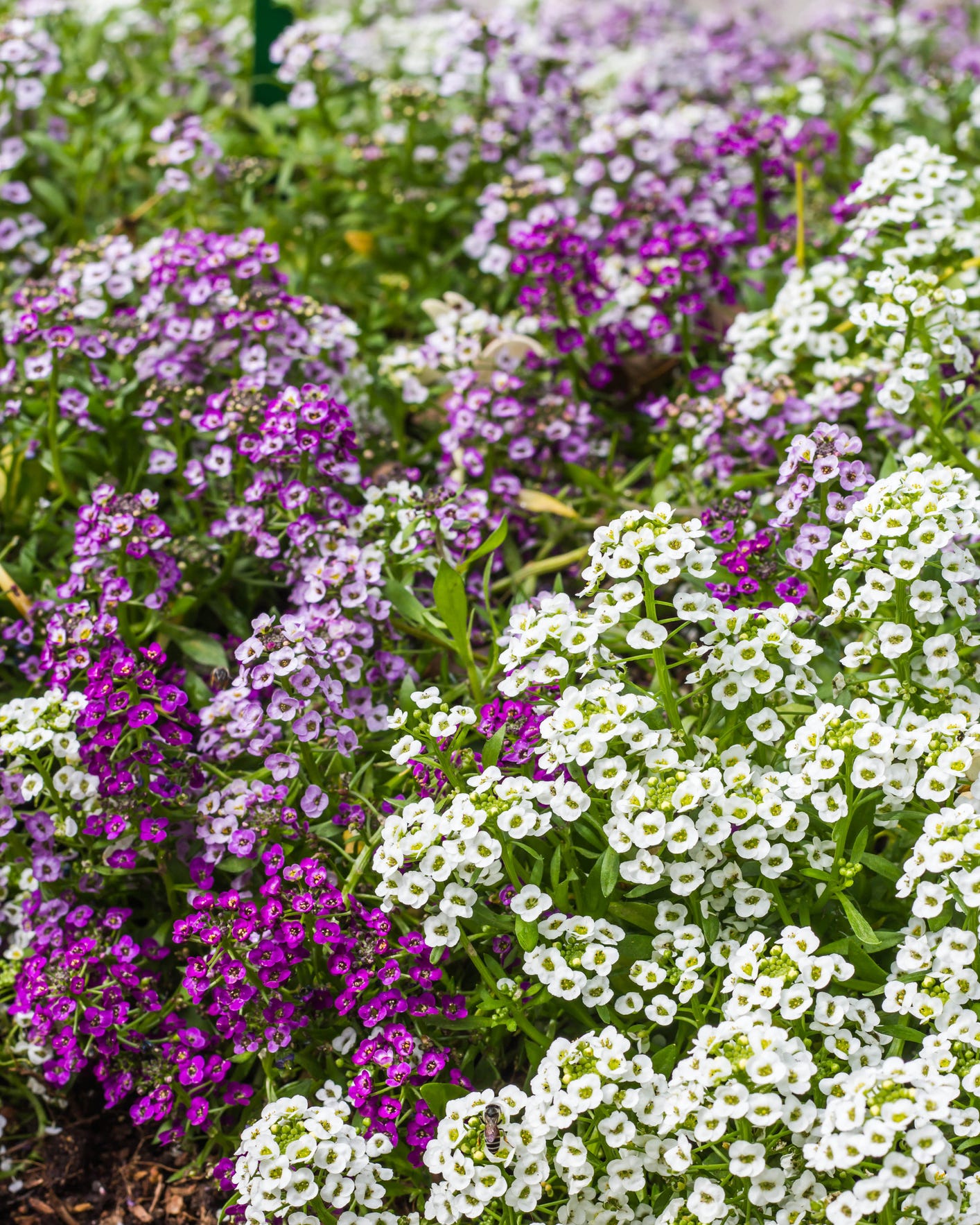 Nawin_nachiangmai//Getty Images
Sweet alyssum is a low-growing, sweetly-scented flower with a delicate honey scent. Pollinators love it, and this annual can take the cold, surviving well into fall even after a few light frosts.
Plant the seeds as soon as the soil can be worked.
Read more: 20 Types of Tiny Flowers to Fill Your Garden This Year
Advertisement – Continue Reading Below
9Moss Rose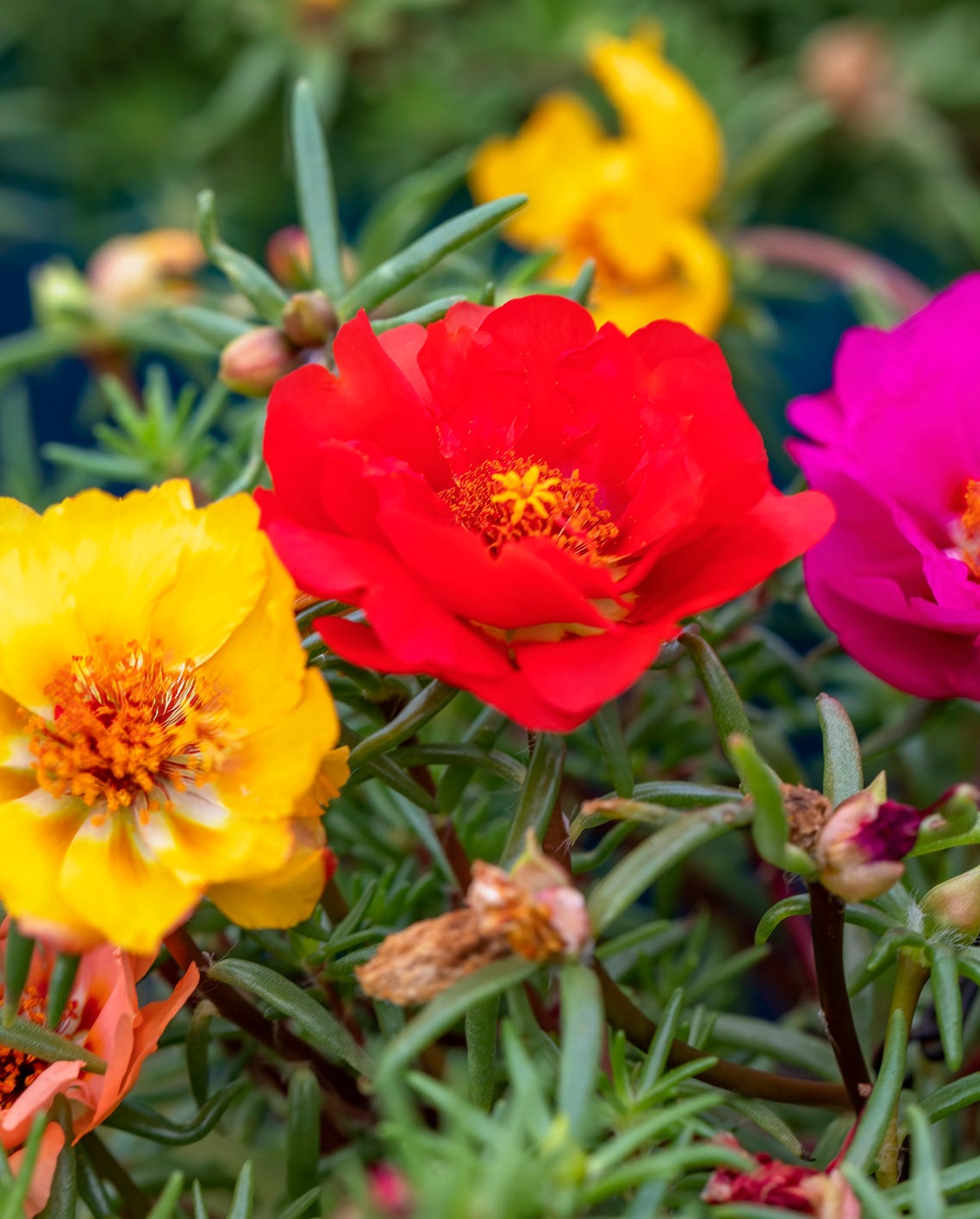 Ali Majdfar//Getty Images
Also known as portulaca, this low-growing plant boasts brilliantly-colored blooms of red, white, yellow, and hot pink along its succulent stems.
Sow seeds after the last expected frost date.
10Cardinal Climber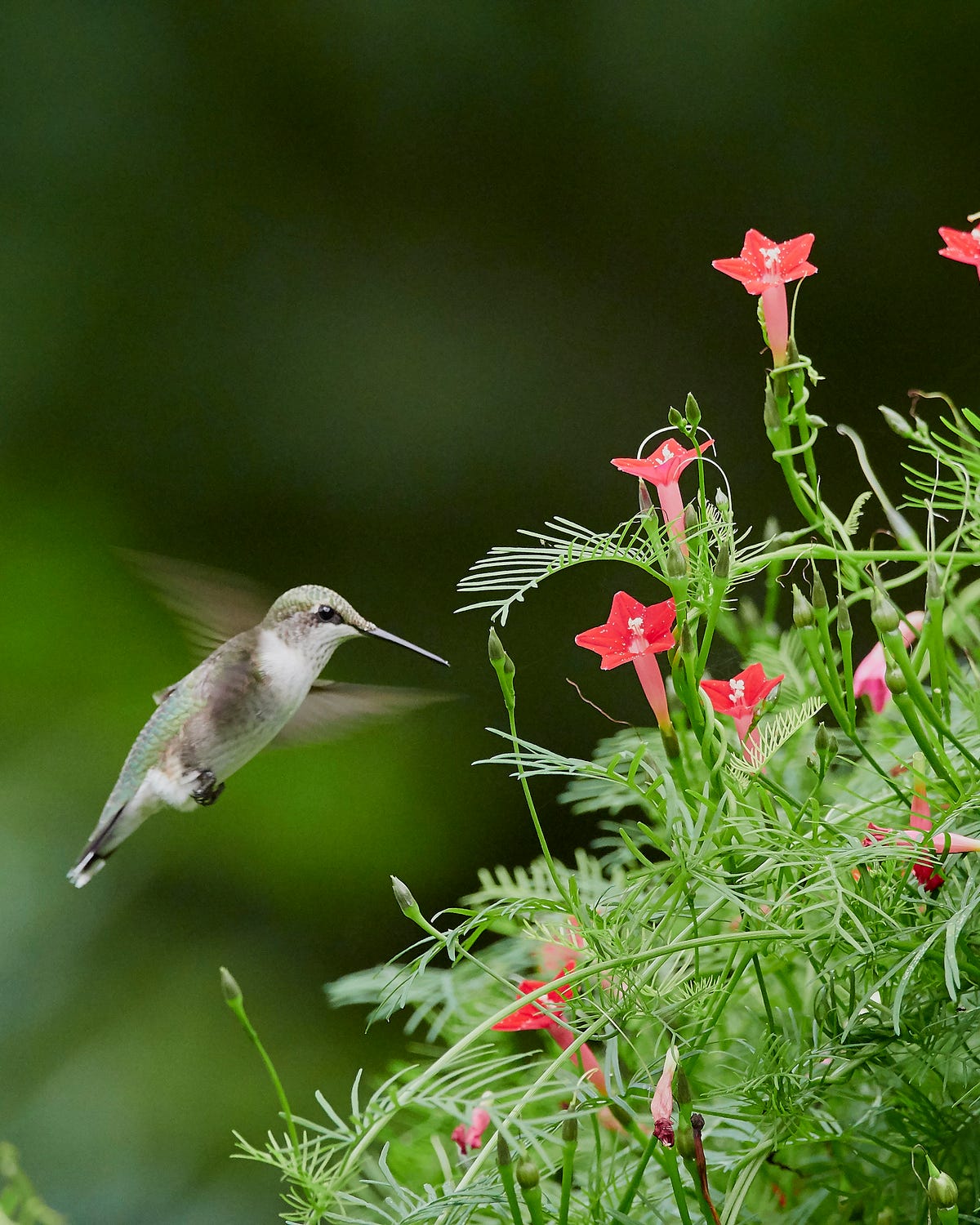 Gary W. Carter//Getty Images
If you’re looking for a pretty vining plant, cardinal climber has lacey foliage and red tubular-shaped flowers that hummingbirds love.
Plant the seeds about a week or two after the last frost date.
Read more: The Truth About Hummingbirds and The Color Red
Advertisement – Continue Reading Below
11Sweet Pea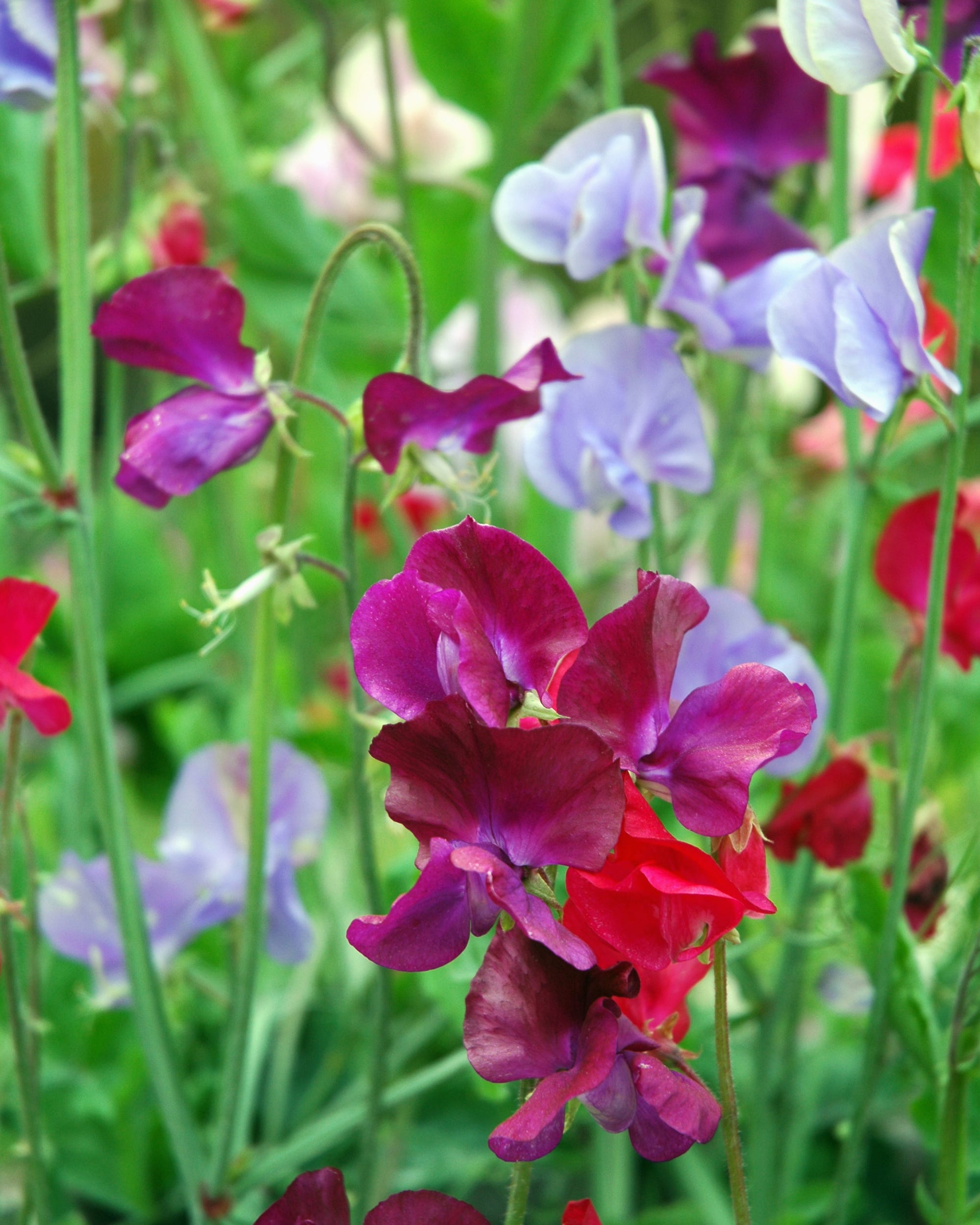 brytta//Getty Images
Sweet peas have a delicate fragrance and vining form that’s charming on a trellis in the spring garden. They prefer cool weather and fade when it gets too hot.
Soak the seeds overnight to aid germination, then plant them about six to eight weeks before the last expected frost date in your area.
Read more: Beautiful Flowering Vines to Adorn Walls, Trellises, and Fences
12Dill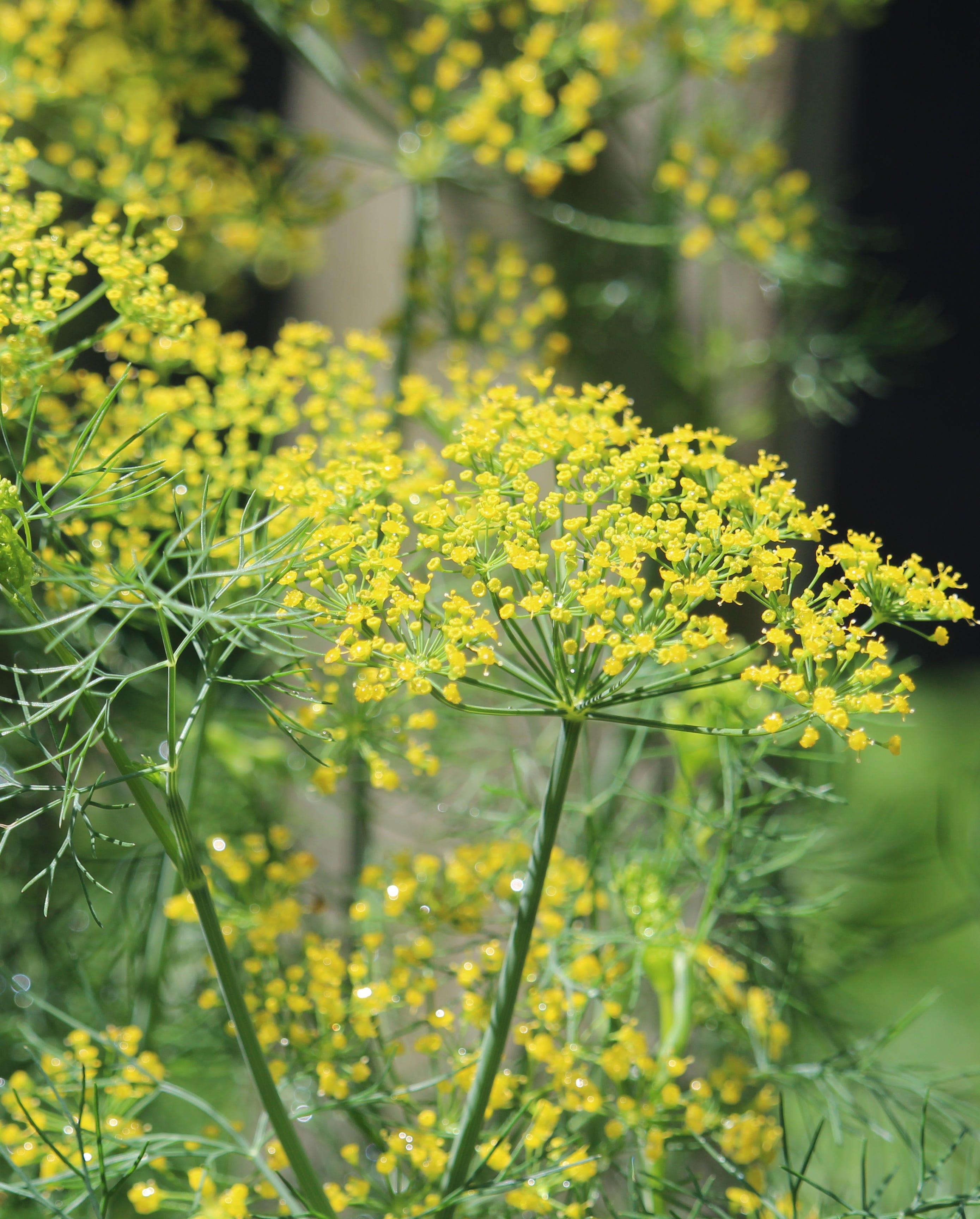
This herb actually produces lovely, large, wispy flowers that pollinators adore. They make a nice filler flower for bouquets, too.
Sow seeds in early spring because it actually prefers cool weather.
Read more: How to Start an Herb Garden
Advertisement – Continue Reading Below
13Verbena Bonariensis TatianaMironenko//Getty Images
These purple flowers on tall, wiry stems make a beautiful addition to borders. They’re a great source of late season color and nectar for pollinators in your garden.
You can sow seeds indoors about 8 weeks before the last frost to get a jumpstart on these somewhat slow-growers, or you can sow them in the garden directly.
Read more: How to Design a Pollinator Garden That Actually Works
14Sunflower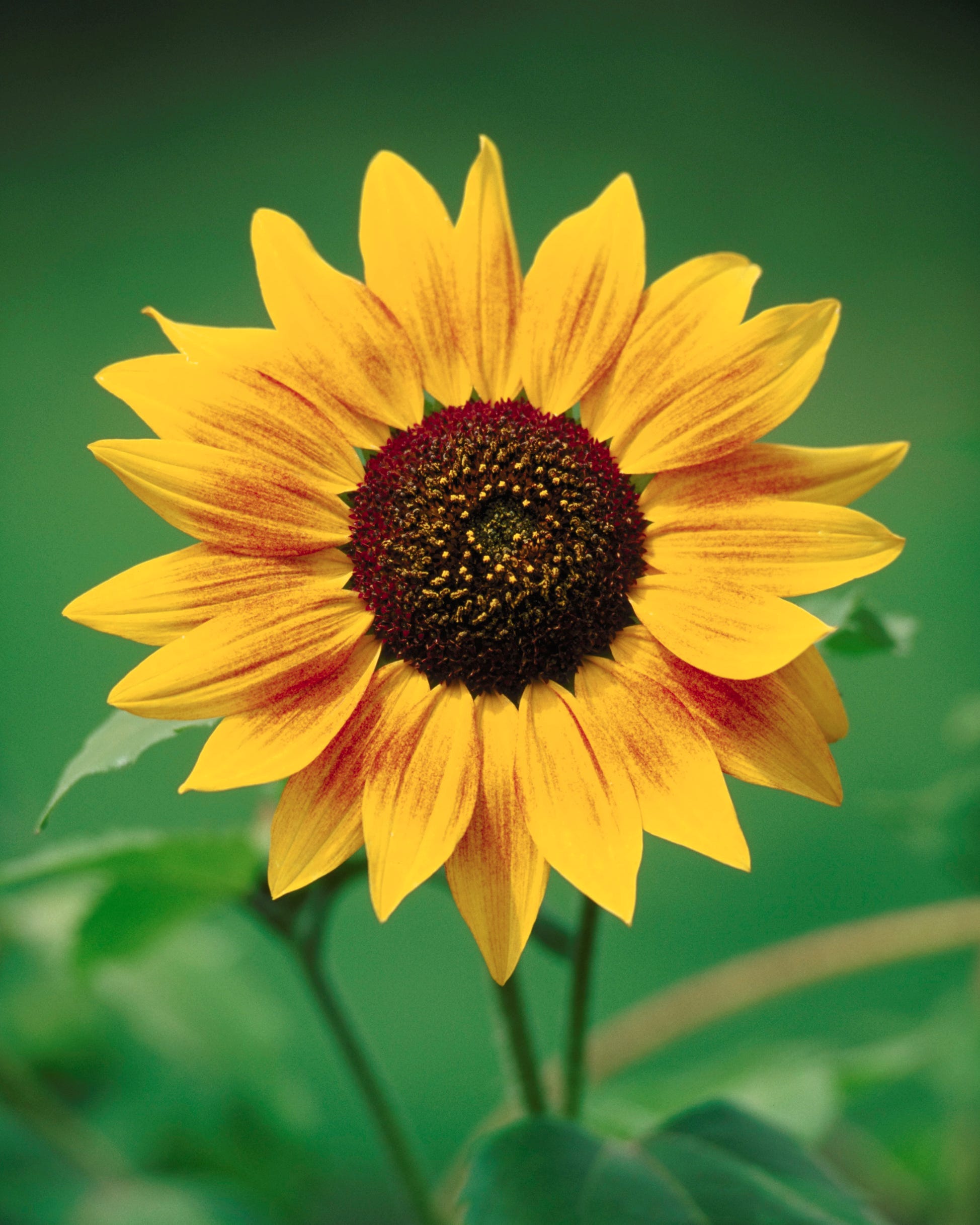 Ron Watts//Getty Images
Sunflowers are the quintessential flower of summer! They come in varying heights from 2 feet to 10 feet tall and every color from cheery yellow to chocolate brown to deepest burgundy. They attract tons of pollinators, too, especially late in the season.
Plant the seeds from early to mid-summer for a succession of flowers all the way through fall.
Read more: How to Grow Sunflowers
Advertisement – Continue Reading Below
15Chamomile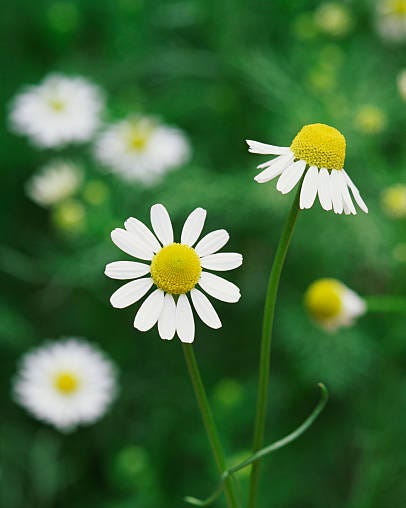 Wally Eberhart//Getty Images
You can’t help but smile when you see the cheery, daisy-like flowers of chamomile. There are both annual and perennial varieties, but opt for German chamomile (the annual type) for quick results.
Plant the seeds after the last frost date in your area.
Read more: How to Grow Chamomile In Your Garden
Advertisement – Continue Reading Below
Readers Also Read
Advertisement – Continue Reading Below
Advertisement – Continue Reading Below
Comments are closed.