
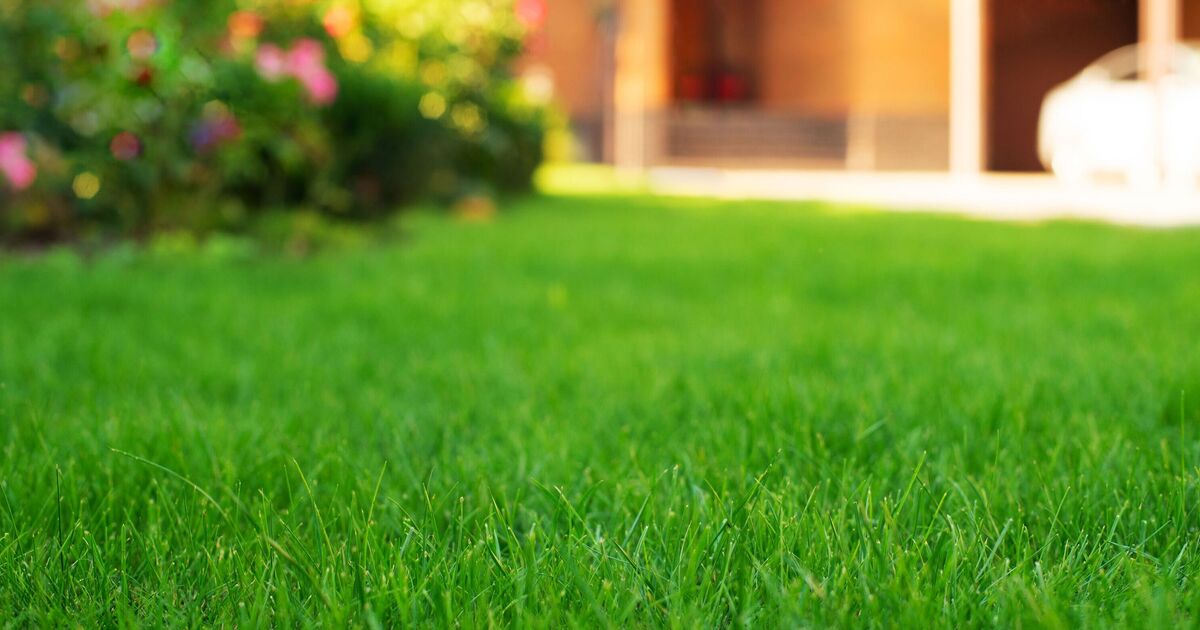
Spring has sprung in the UK and as the weather continues to improve, it means it’s finally warm enough to get out in the garden again. The beginning of spring is a time for planting, tidying, pruning and mowing again. After a long and cold winter, garden lawns can often be left looking brown and patchy, which can be caused by natural dormancy, waterlogging, compacted soil, or fungal diseases like fusarium patch, also known as snow mould.
The disease is caused by the fungus Microdochium nivale and can cause damage to grass at any time of the year, although it is most frequently found during the colder periods of autumn, winter and early spring. But according to gardening experts, three essential steps can help restore your grass and bring it back to life so it grows back thicker, greener and healthier this spring.
The first step to achieving a healthier, greener lawn is to regularly mow your lawn – around once or twice a week – as this encourages grass to grow and helps to stop weeds from developing and stealing all the nutrients.
The second step is to avoid cutting your lawn too short by adjusting the height of your lawnmower blades. This helps to reduce stress on your lawn and allows the blades of grass to retain more moisture, helping it to stay green and healthy.
In its online advice to achieve a thicker, greener lawn, The Turf Doctor said: “Regularly mowing your lawn helps make the grass greener and thicker. You might have heard that getting your hair trimmed regularly helps it to grow faster, and the same goes for the grass on your lawn!
“Regular mowing encourages grass to grow thicker and greener through a process known as the “stimulation effect.” When you mow your lawn consistently and at a decent height, you remove the top portion of the grass blades, which prompts the grass to respond by producing new shoots and leaves.
“This stimulates lateral growth, promoting a denser turf as the grass plant works to compensate for the loss of leaf on top. Plus, regular mowing has the additional benefit of preventing weeds from developing, so your grass gets a greater share of all the good stuff: available sunlight, nutrients, and water. It can allocate more resources to growth, leading to a thicker and healthier lawn with a lush green appearance.”
The third essential step to a healthier looking lawn is to water your lawn as this encourages the roots to grow deeper into the soil, making your grass more drought tolerant, and helps grass to absorb nutrients more effectively.
If you want to help save some pennies on your water bill, you can make use of grey water instead, which comes from non-toilet plumbing systems like your bath, shower, sink, and even the water you boil vegetables in.
East River Nursery said: “The next time you boil pasta or steam some vegetables in your kitchen, instead of pouring the water down the drain, use it in your garden or in your house to keep your plants green and flourishing.
“You can also use water from boiling eggs, which is full of calcium your plant needs to grow. This method of watering your plants works because it acts like a fertiliser to give your plants the nutrition they need to survive.
“There are many advantages to using cooking water to feed your plants. Not only is it cost effective and resourceful, the fertiliser it provides for your plants gives them a more stable and steady growth period. The water will help promote natural nutrient storage within the soil.
“This means you will not have to fertilise your plants or garden as often providing longevity for your soil. It will also help your soil retain more moisture, therefore reducing the amount of times you will need to water.”
Comments are closed.