
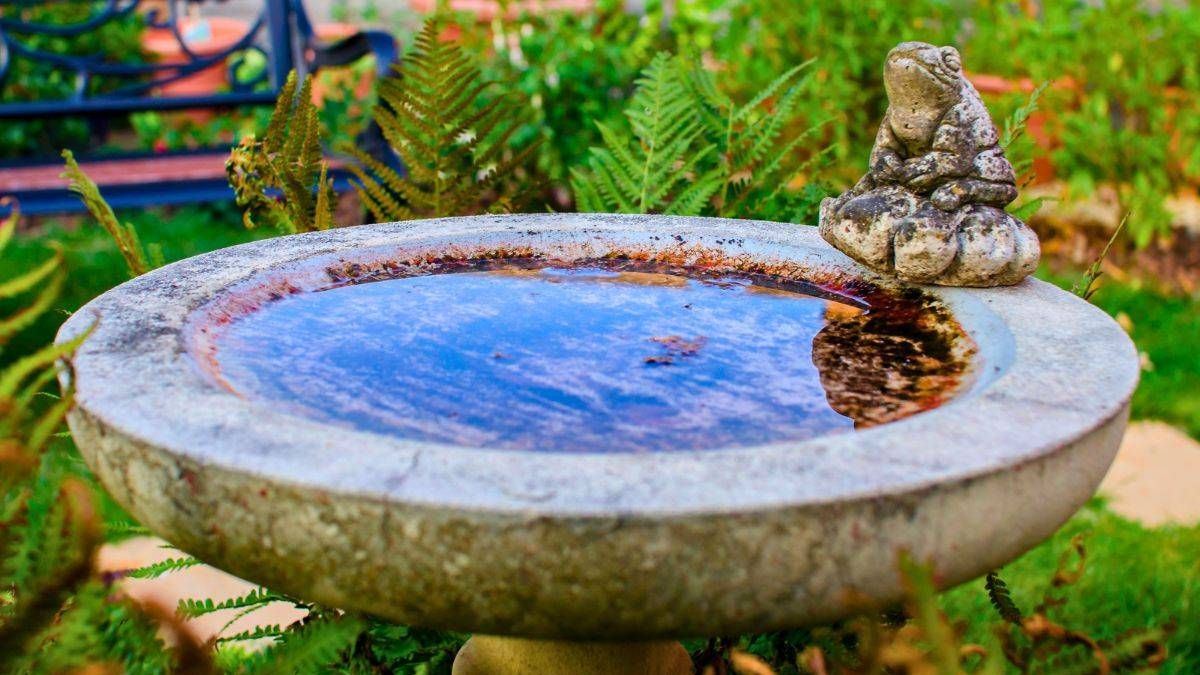
You can help keep local birds healthy in spring by carrying out a simple task now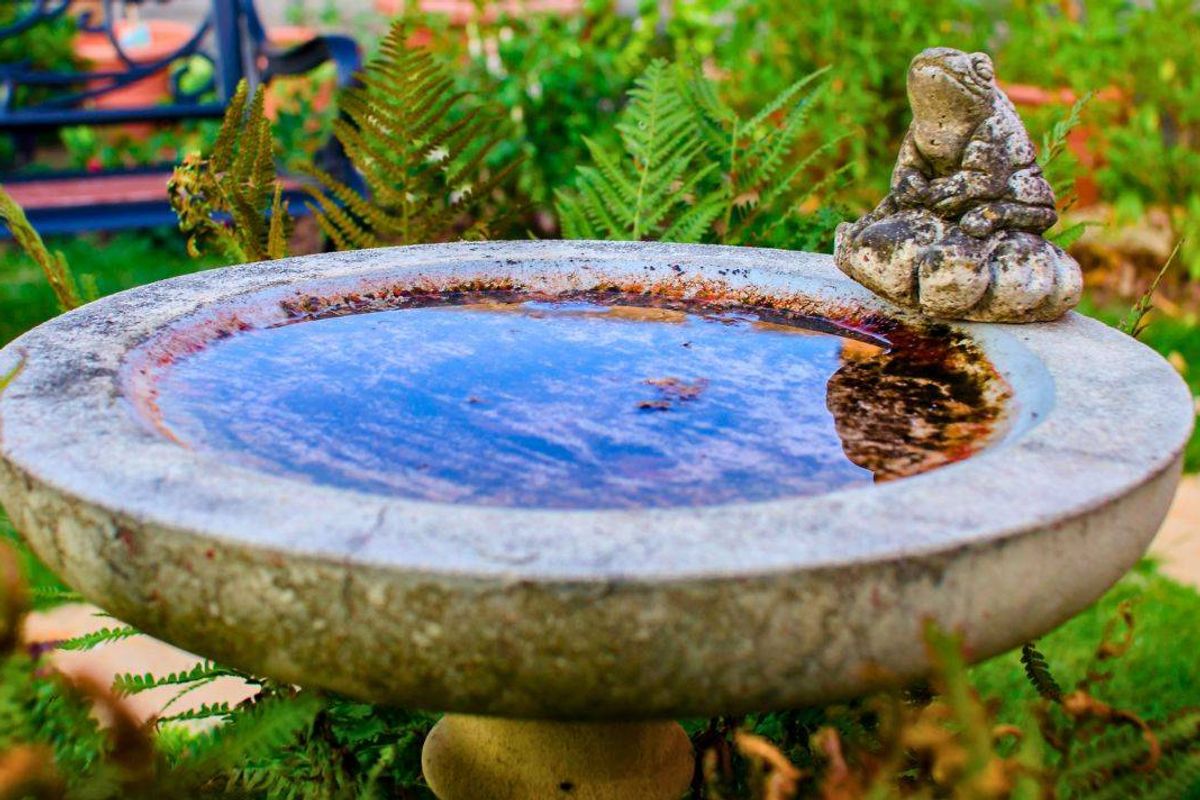
Do not use bleach or pennies to clean a birdbath as it will harm birds(Image: Getty)
Birdbaths rank among the most valuable ways gardeners can help local wildlife, offering a secure spot for birds to drink as temperatures rise this spring. Yet they can prove quite troublesome to keep clean at this time of year, with sunny conditions often causing algae to flourish rapidly and leave a birdbath extremely grimy.
Algae becomes more prevalent when sunshine appears, as it warms the water in a birdbath, establishing perfect conditions for the plant to multiply and spread. Removing algae from a birdbath is vitally important, as it creates a slimy setting where bacteria and parasites can flourish, rendering the drinking water dangerous to birds. James Theodore from Water Fountain Online has revealed there’s a straightforward method to get a birdbath spotless without needing to scrub it or resort to harsh chemicals like bleach – you simply need a few drops of white vinegar.
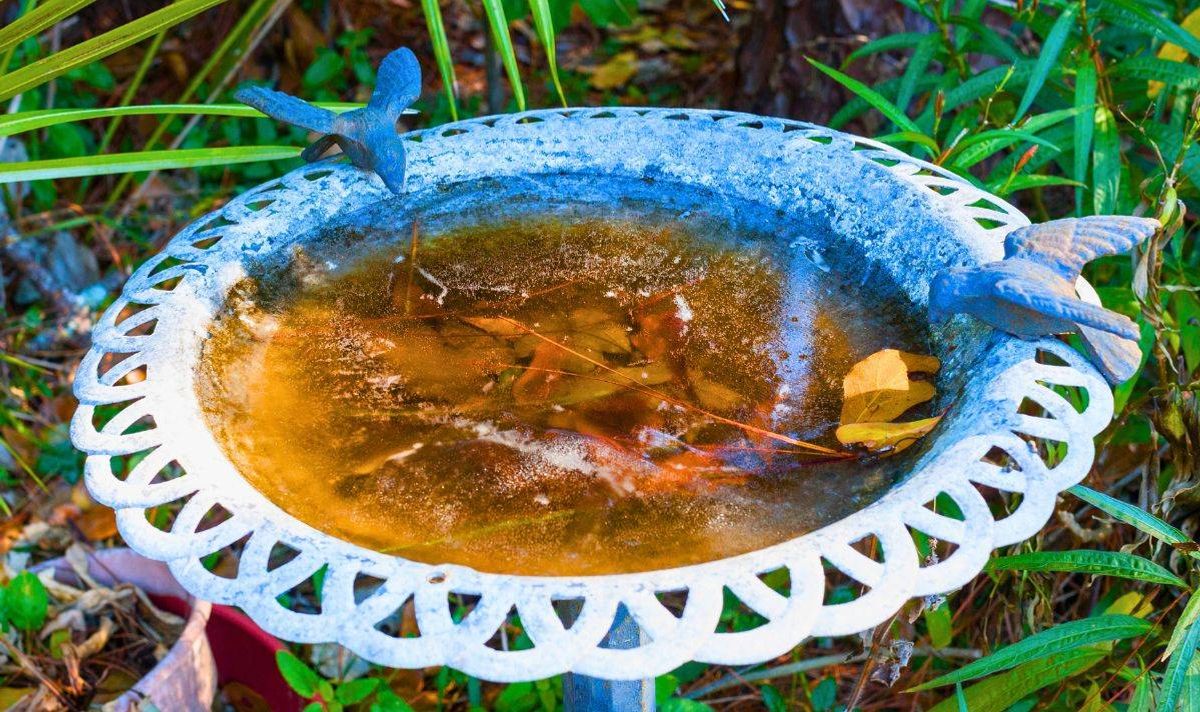
Algae will grow more in birdbaths in sunny weather as it thrives in warm water(Image: Getty)
James said: “White vinegar is the best natural cleaner you can use. Unlike bleach, which is highly toxic if not rinsed perfectly, vinegar is a natural acid that is tough on algae but safe for wildlife.”
Why is white vinegar the best way to clean a birdbath?
Numerous gardeners turn to bleach in their birdbaths because it can break down algae swiftly with minimal effort, but it’s not advised as it’s extremely poisonous to birds, reports the Express.
Bleach can injure birds if they consume even a tiny amount, and it can also strip away the natural oils on their feathers, leaving them parched and making it harder for birds to take flight.
While some folks on social media suggest cleaning hacks like dropping a penny into a birdbath, this method is ineffective and the zinc in the metal can be harmful to birds.
White vinegar is the top choice for cleaning a birdbath as it’s mildly acidic, enough to tackle algae without posing a threat to our feathered friends.
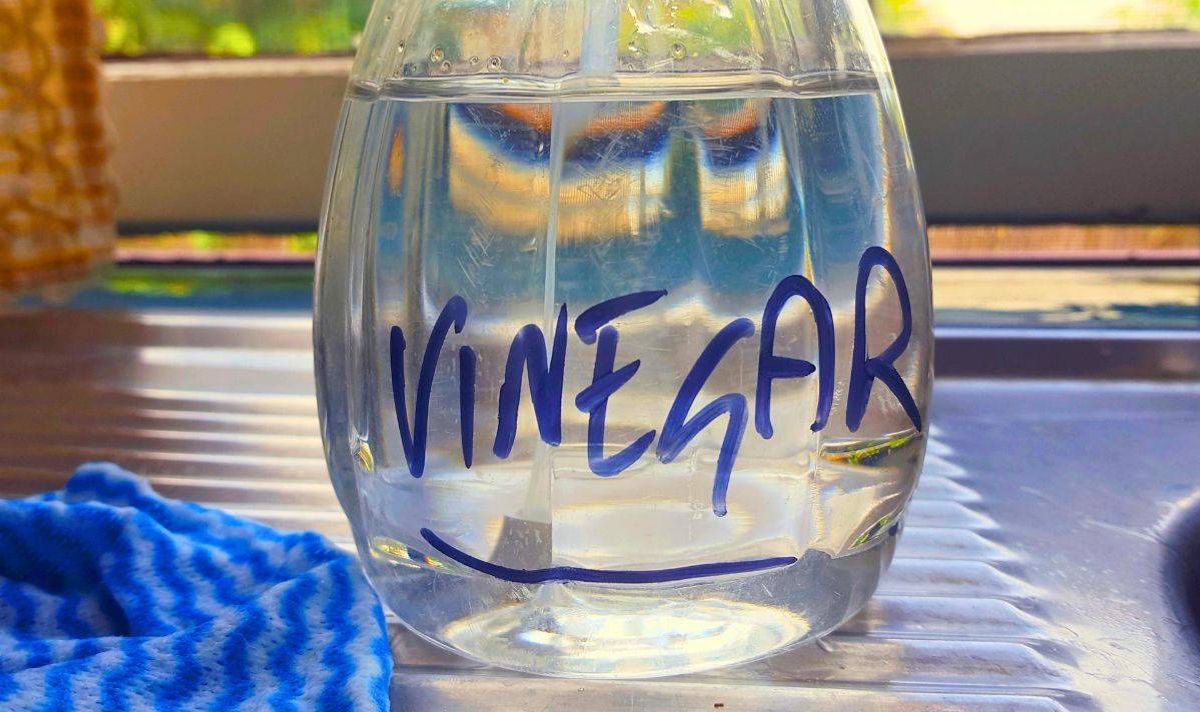
White vinegar is a natural and still very effective way to remove algae(Image: Getty)
It’s safe for birds to drink and won’t harm their feathers if any residue remains, making it an eco-friendly option.
The best part about using white vinegar? It requires minimal effort and leaves you with a gleaming bird bath in just 10 to 15 minutes, all without the need for harsh chemicals.
How to use white vinegar to clean a birdbath
Start by mixing nine parts water with one part white vinegar in a bucket. If your birdbath hasn’t been cleaned throughout the winter, up the potency of the solution by using equal parts vinegar and water.
Next, empty any dirty water onto the ground before pouring the vinegar solution into the birdbath.
If your birdbath is particularly hefty or the algae is especially stubborn, it might help to give it a blast with a high-pressure hose before adding the vinegar solution.
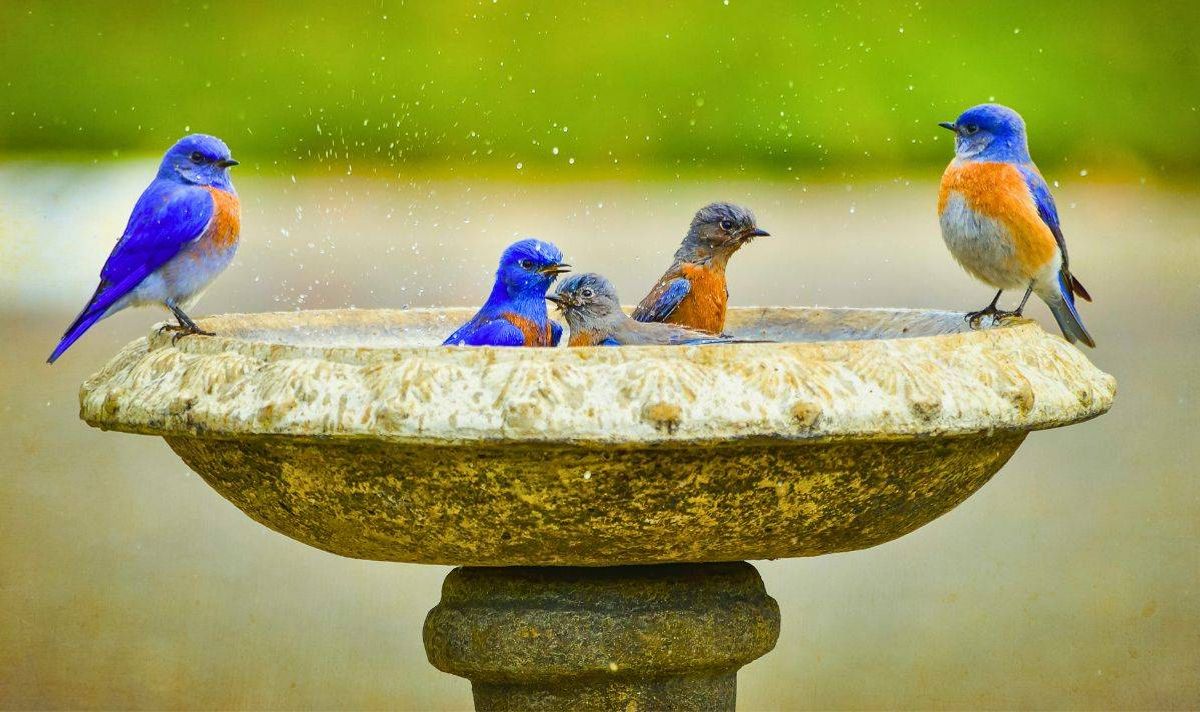
Let the white vinegar sit in the birdbath for a few minutes and it will be completely clean(Image: Getty)
Allow the vinegar to sit in the birdbath for 10 to 15 minutes, giving it time to break down the algae.
Once the time is up, scrub the birdbath with a sponge or a bristle brush, and any remaining algae should slide off with ease.
Next, allow the birdbath to dry out fully in the sun before refilling it with water.
James stated: “UV sunlight is a powerful natural sanitiser that kills remaining bacteria.”
Your birdbath should now be entirely free of germs and perfectly safe for birds to use. Aim to clean it once a week or every few weeks to prevent algae from accumulating inside it again.
Comments are closed.