
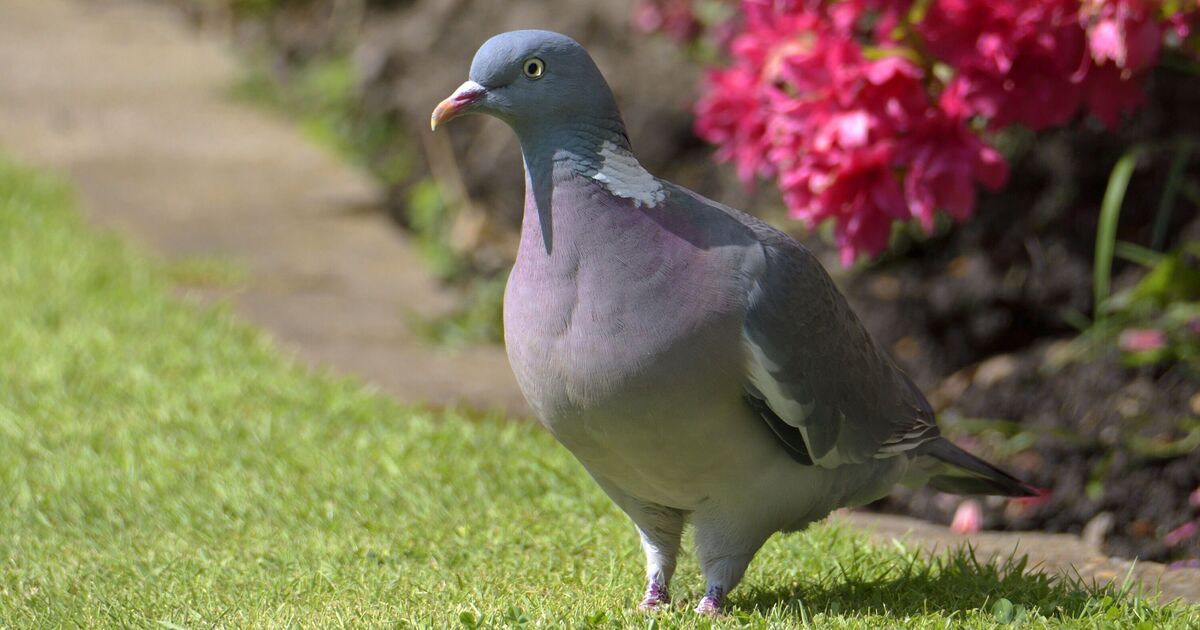
Pigeons can be destructive to gardens (Image: Getty)
Gardeners are being told they can deter pigeons instantly using a simple, cheap household item. The common nuisance birds are known for damaging plants, digging up seedlings and leaving mess across patios and outdoor spaces.
But experts say there is a quick, low-cost solution that can help keep them at bay without causing harm. Gardening expert Adeel Ulhaq believes that tin foil can save gardeners time, effort and money by keeping pests away. He told Country Living: “Pigeon droppings are highly acidic and can corrode everything from paint to metal surfaces in your garden.
READ MORE: Stop planting grass lawns when one alternative is lower maintenance
READ MORE: Gardener urges anyone using new pots to do 1 task before planting
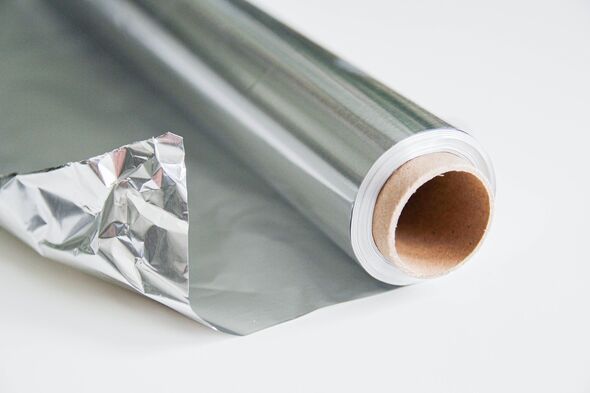
Tin foil can be surprisingly effective in deterring pigeons (Image: Getty)
“Not only this, but these droppings can also attract other pests such as rats, which can cause further damage to your home.”
Ulhaq suggest hanging tin foil from the branches of trees and plants, almost like Christmas decorations, to achieve best results.
He added: “When the light hits the foil, it reflects and scares the pigeons away.”
One widely available kitchen product is said to work by overwhelming pigeons’ senses, making treated areas far less appealing for them to land or feed.
The strong smell and taste act as a natural deterrent, encouraging birds to move elsewhere.
According to Mr Ulhaq, pigeons are sensitive to bright reflective surfaces meaning that the reflection of the sun off the tin foil could be enough to encourage the birds to leave your garden alone.
He continued: “The best way to keep pigeons out of your garden is to make it as unwelcoming as possible without harming them, and a cheap way of doing so is using a roll of foil from the supermarket.”
Tin foil is a multi-use item common in most kitchens that can be purchased cheaply online, with Amazon selling rolls for as little as 65p.
To use the method, gardeners are advised to sprinkle the product around flower beds, vegetable patches, balconies or any areas where pigeons tend to gather. It can also be mixed with water to create a spray for surfaces such as fences, railings and pots.
Because the solution is non-toxic and easy to apply, it offers an alternative to more expensive or chemical-based bird deterrents. It is particularly useful for those looking to protect plants while maintaining a wildlife-friendly garden.
However, the treatment may need to be reapplied regularly, especially after rain, to maintain its effectiveness.
With pigeons becoming more active in milder weather, experts say acting early with simple, affordable solutions can help prevent damage before it starts — saving both time and money for gardeners.
Comments are closed.