
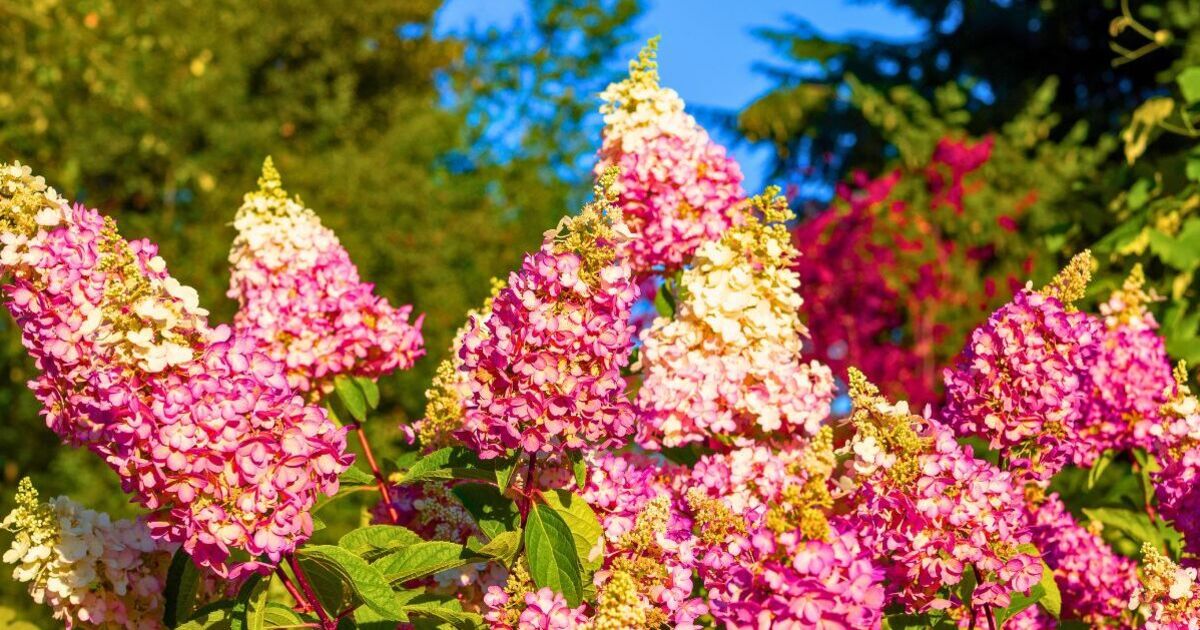
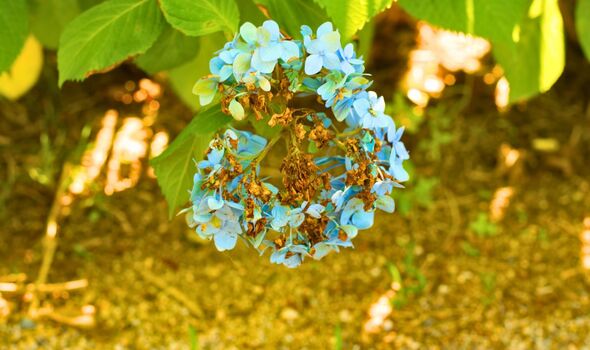
Gardeners need to be careful to water their hydrangeas as they can easily dry out in spring and summer (Image: Getty)
Hydrangeas are slowly starting to grow again now that spring has arrived, and gardeners need to pay attention to them now if they want to get the best possible blooms. Most people love hydrangeas because they tend to be quite easy to care for, as long as you know how to keep them hydrated, as they have shallow roots that cannot hold much water. This means hydrangeas often need a strict watering schedule to stay healthy once the weather gets warmer as otherwise they can quickly dry out.
If gardeners forget to water hydrangeas when their buds are starting to form, it can really affect their flowers, making them smaller or less colourful than they should be. However, Rebecca Lovatt, a gardener and founder of My English Country Cottage, has shared a simple way to keep hydrangeas happy without constantly hovering over them with a watering can.
READ MORE: Gardener recommends evergreen plant that will give you beautiful pink flowers
READ MORE: Be really helpful this spring for much-needed garden pollinators
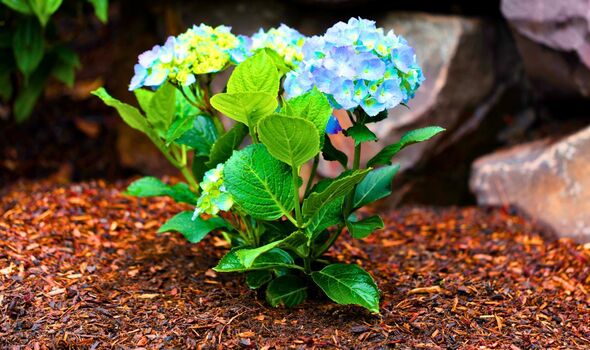
Mulching a hydrangea helps protect the roots and keep more moisture in the soil (Image: Getty)
Rebecca said: “[Hydrangeas] also tend to wilt in hot weather, so keep them well watered during hot spells in summer. Refreshing the layer of mulch you added when planting continues to help lock that moisture in. It’s best to do it in the Spring.”
Mulching is a gardening technique in which the top layer of soil around a plant is covered with organic material to protect it from weeds or extreme weather conditions.
Gardeners usually mulch in winter to protect plant roots from freezing and in summer they tend to mulch to stop plant roots from drying out.
However, it is useful to mulch hydrangeas in spring, as this is a very rainy season and mulch will hold onto that water and slowly drip it down onto the plant so they stay hydrated.
Hydrangeas will have a steady supply of moisture if they have been mulched and their roots will be better protected from the hot weather so they do not constantly need to be watered.
Mulch also breaks down naturally over time, enriching the soil with nutrients and ensuring bigger and healthier hydrangea blooms once summer arrives.
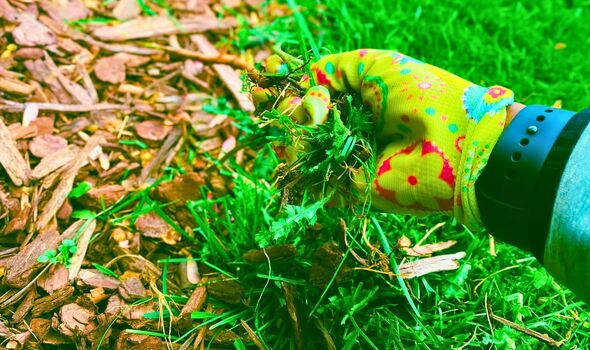
It is quite easy to mulch as you just need to layer the material around your hydrangea (Image: Getty)How to properly mulch hydrangeas
To begin, choose the right mulch for your hydrangeas. It tends to be best to use wood bark or shredded hardwood, as they can hold a lot of moisture.
You can also use compost, straw, and leftover grass clippings, and some gardeners like to use pine needles, which are acidic, as they can help hydrangea flowers naturally turn blue.
Once you have the mulch, simply prepare the soil by removing any seeds and lightly digging to loosen it. Then, spread the mulch in a thin layer (around five centimetres) around the base of the hydrangeas.
Make sure the mulch is not touching the stems; excess moisture can build up on the foilage, leading to rot or mould.
Water the mulch thoroughly, and continue to water hydrangeas at least twice a week. They should have enough water, no matter how hot it gets, so you get spectacular blooms later this year.
Comments are closed.