

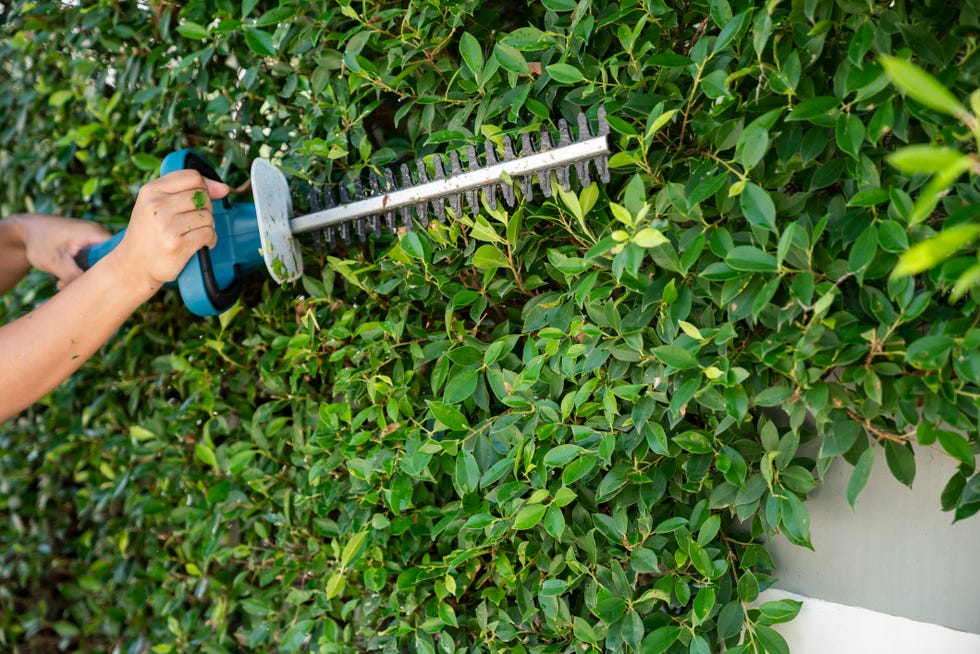
As you might expect of the nation’s favourite gardener, Alan Titchmarsh has strong views about hedge trimmers. ‘This one is battery-operated,’ he says in a recent YouTube video, ‘so much better than the ones which are operated with electric cable. The danger of cutting through them is just too much to contemplate.’
His passionate feelings do not merely extend to the tools employed to do the job, though. Timing is everything, too. ‘Once the birds are starting nesting, stay away,’ he says firmly. ‘You don’t want to disturb them.’
So, how do you know when to step away from your trimmer? ‘There’s a technical difference, but not an ideological one, between farmers, landscape contractors and private gardeners,’ explains gardening expert Dan Cooper. The former have to abide by stricter rules under the Wildlife and Countryside Act, he explains, which states that ‘you must not cut or trim a hedgerow that is covered by the rules from 1 March to 31 August’. This is primarily because of the vital role hedgerows play as habitats and wildlife corridors. Should we all stop tackling our hedges now then?
oceane2508//Getty Images
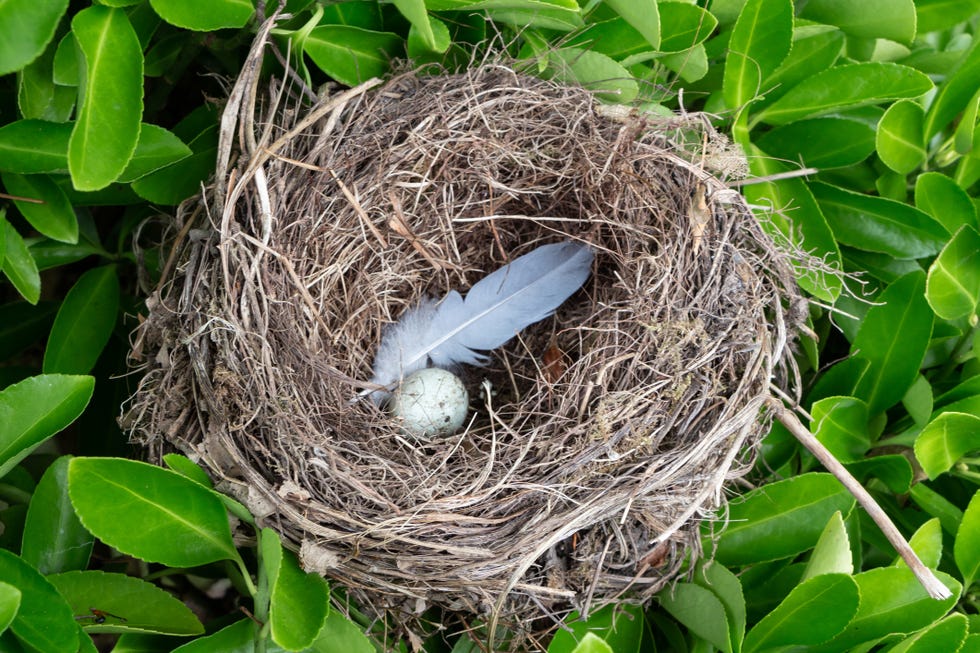
‘For private garden hedges, while it’s not forbidden to cut a hedge at any time, it is not recommended to undertake major trimming during the nesting season (roughly March to August) to protect nesting birds,’ says Dan. ‘It is an offence to destroy or disturb a nest while it is being built or in use, and you could be fined or even imprisoned for doing so. Even making a lot of noise or working close to a nest could be enough to scare adult birds, and they may then abandon their eggs or chicks. With the population of many garden birds in sharp decline, that’s not something anyone wants to contribute to.’
There are other reasons you wouldn’t choose to cut hedges during this period, explains Dan, including the loss of flowers and fruit: ‘If there are definitely no birds or nests and you really feel the need to tidy up a hedge, you can do it. But, generally, you’d be better off waiting until new growth has developed and firmed up later in the summer/autumn. The recommended time for cutting most hedges is September to February.’
Witthaya Prasongsin//Getty Images
There are a few exceptions, however. The restoration of evergreens like yew and laurel – two of the UK’s most popular hedges – requires hard pruning and is best tackled in April or May, when the plants are actively growing, says Dan, ‘but that still doesn’t give anyone license to disturb a nest in the process.’
So, what should you do if your hedge is looking a little unruly? First, be hyper aware of any nesting activity in your garden, says Dan. ‘Check very carefully before interfering with any hedge, tree or shrub at this time of year. If there’s no sign of activity for several days, it’s probably safe to proceed.’ That said: ‘Some birds have only one clutch of eggs, while others will return to old nests and lay more, or build new ones during the season.’ So, keep your eyes and ears open till late summer…
Related Stories
Comments are closed.