
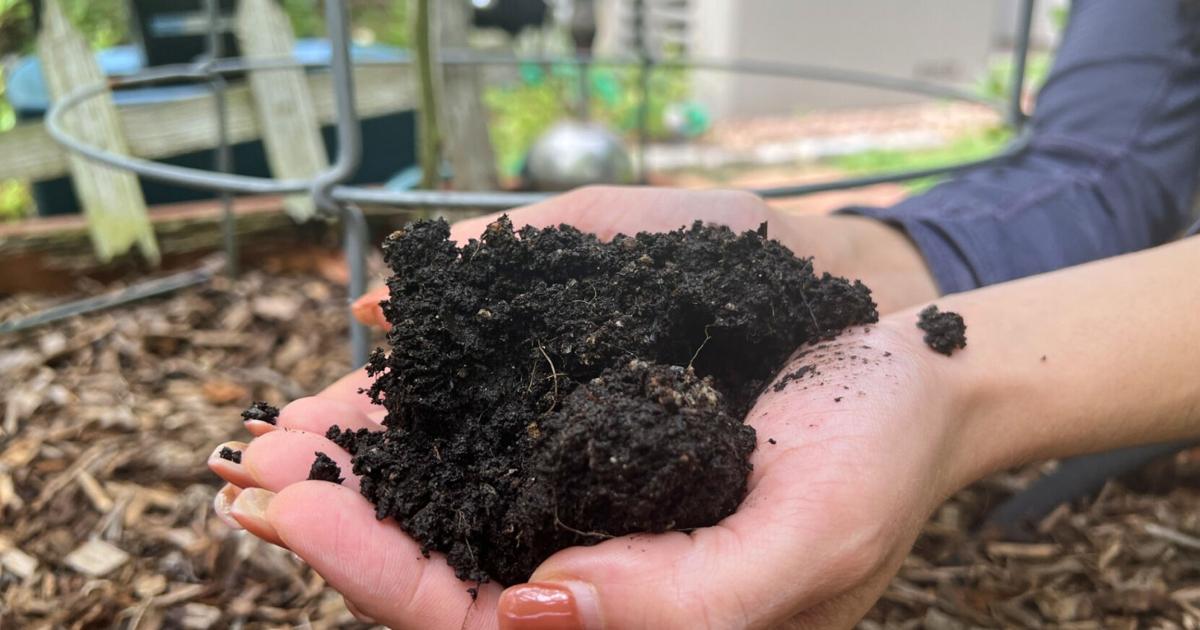
In subsequent years, simply spread the organic matter over the soil and allow it to work its way down naturally as it decomposes.

You can test your soil’s pH with an at-home kit.
Jessica Damiano
Check your soil pH
What is your soil’s pH level? Each plant type thrives only within a specific pH range. Learn your plants’ target range, then check your soil’s value with a home test kit. If its level is outside the ideal range, raise it by incorporating garden lime or lower it with elemental sulfur, following the dosing directions on the package label.
While you’re at it, check nutrient levels to ensure the soil is rich in nitrogen, phosphorus and potassium — the three essential macronutrients for plant health. The results will guide your fertilizer strategy. You can buy a separate test kit or look for a combination pH-nutrient kit. Both are inexpensive and widely available. Alternately, call your local cooperative extension office; many provide soil tests and guidance for a nominal fee.
Healthy soil doesn’t happen overnight
For the best results, focus on building soil health slowly rather than relying on quick fixes, which are typically short-lived. This means opting for slow-release fertilizers and organic matter, such as compost, rather than using fast-release synthetic fertilizers. Save fast-release options for emergencies when you need to resolve a nutrient deficiency quickly to save a plant.
Avoid walking on soil in beds, borders and the lawn. Doing so risks compacting the soil, which closes vital air pockets, inhibits water flow and makes it difficult for roots to grow through. Most plants growing in compacted soil will be stunted or otherwise fail to thrive.
Bare soil leads to erosion, nutrient deficiencies, moisture loss and the death of microorganisms. It also rolls out the welcome mat for weeds. Plant something or cover the soil with a thick layer of undyed organic mulch like shredded bark, wood chips, straw or dry leaves.
Comments are closed.