
Sally Scalera
| For FLORIDA TODAY
Hopefully, you will have time to spend a lot of time outside this month, since the weather is usually wonderful! This is also a great time to get out in the yard to spruce things up, especially after the winter freeze, or make a few changes.
Here are some ideas for things you can do this month.
* Mark your calendar for Saturday, April 25, our Brevard Discovery Gardens’ 4th Annual Spring Fling in partnership with Brevard Backyard Beekeepers Bees, Butterflies & Blooms Festival.
We will have a lot of things for sale, including native & Florida-Friendly plants, raspberry and blackberry plants, vendors selling gardening supplies, and local beekeepers selling a wide variety of honey and other products! We also have educational presentations planned for the morning, with repeats in the afternoon. There are also activities planned for children, including a garden scavenger hunt, face painting and spelling BEE. Since there is so much to do, we will also have food vendors offering meals, ice cream, and more, so you won’t go hungry! To stay informed, check out facebook.com/BrevardDiscoveryGarden/ and facebook.com/BrevardBeekeepers/.
* If you like to eat, you may be interested in the Be Healthy: Grow Your Own Food four-week series, which is scheduled for Monday, June 22nd, through July 13th. Two classes will be offered each Monday, a morning class from 10-noon and another from 6-8 PM. Learn how to grow vegetables, herbs, and fruit crops in containers or the ground, so you can grow nutritious food at home, even if you only have a balcony or patio! Each ticket includes handouts and some heirloom seeds for $70. Couples, families, and friends can learn together and share the notebook and seeds.
The classes will be taped and available to watch for 180 days after each class. For more information on what is covered in each class, go to eventbrite.com/e/be-healthy-grow-your-own-food-4-class-series-on-mondays-tickets-1981424068728. Or call 633-1702 and press 0 for help.
* Many people fertilize their lawns this month, but instead, consider following nature’s lead and re-establish the soil food web to take care of your lawn, ornamental plants, palms, and especially trees. To reduce the potentially harmful effects of synthetic fertilizers, consider using organic fertilizers while the soil food web is getting established, which provide slow-release nitrogen and other nutrients.
Soil microbes provide plants with the nutrients they require in small amounts, thereby helping protect water quality. If you would like to learn how to get the biology around the roots of your plants, email the UF/IFAS Extension Brevard County Master Gardeners at brevard-mg1@ifas.ufl.edu for a copy of “Easy Directions for Improving Soil Health.” Once the soil food web is established throughout the yard, the plants will receive all the nutrients they need.
Heads up: This is not the time to prune palms or trees
* Mow your turf weekly (this also keeps the weeds from producing seeds) and set the mower blades on the highest setting. Let the grass clippings fall on the lawn (and throw any that land on impervious surfaces back onto the grass) so the organic matter and nutrients return to the soil and stay out of the Indian River Lagoon or the St. Johns River.
*Don’t prune palms or trees this month; bats and other wildlife are raising their offspring now, and it is best for the health of a palm to not remove any green fronds. The palms produce new green fronds to carry on photosynthesis, so the removal of green fronds will adversely affect the growth and possibly the health of the palm, depending upon how severely and often they are pruned.
* If your azalea or gardenia shrubs are getting too large, prune them after they have finished blooming.
* Vegetables that can be planted in April include beans (bush, pole, and lima), Chinese cabbage, okra, Southern peas, Seminole pumpkin, squash, sweet corn, sweet potatoes, Swiss chard, calabaza, chayote, yard-long beans, jicama, Malabar spinach, and other tropical crops.
* Okra, southern peas, Seminole pumpkin, and Swiss chard can be started from seed in April and planted in the garden in May.
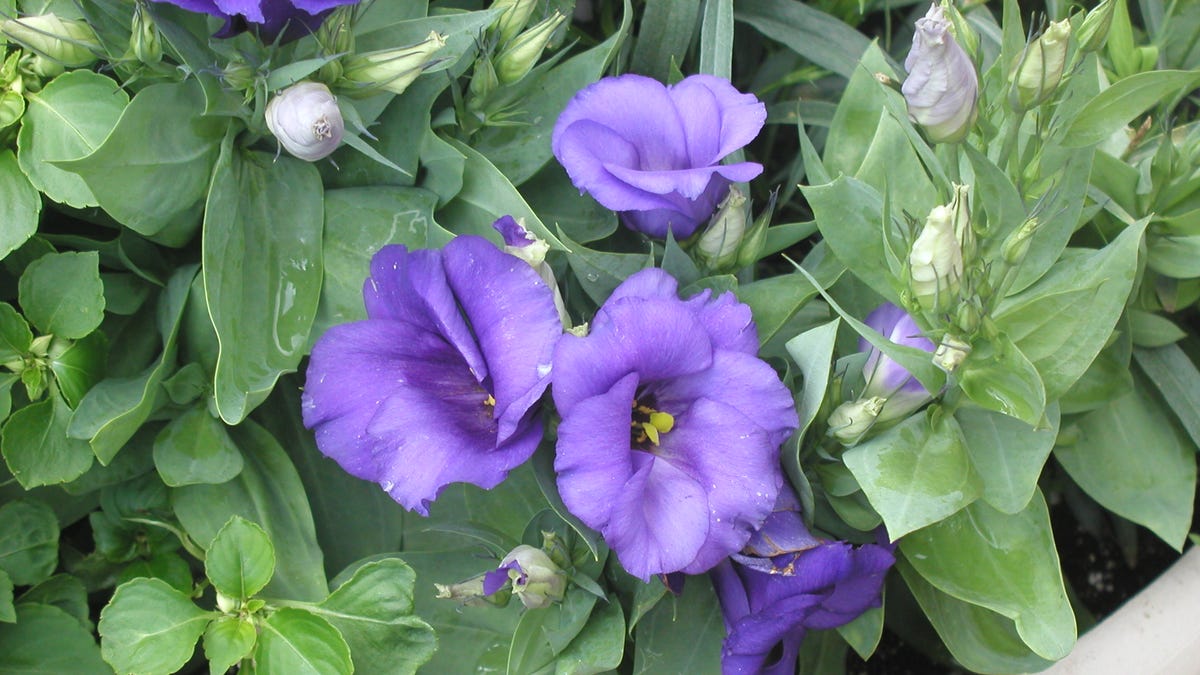
*If you’re interested in adding some color to your landscape, here are some plants that can handle full sun through the summer: floss flower (Ageratum), Amaranthus, asters, celosia, coleus, cosmos, dahlia, Dahlberg daisy, lisianthus, blanket flower (Gaillardia pulchella), gazania, gerbera daisy, kalanchoe, sunflowers, gomphrena, Melampodium, lobelia, portulaca, blue salvia, red salvia, dusty miller, marigolds, zinnias, etc.
* For shady areas, consider planting some of these flowers or colorful foliage plants: non-stop and tuberous begonias, caladium, coleus, firecracker flower (Crossandra spp.), impatiens, and geraniums.
* In the herb garden, you can plant basil, chives, garlic chives, dill, borage, pineapple sage, Mexican oregano, fennel, Mexican tarragon, oregano, mints, rosemary, sage, sweet marjoram, and thyme.
* Have you checked out the Brevard County Farmers Market in Wickham Park on Thursday afternoons from 3 to 6 p.m.? Here’s a taste of what’s available this month. Vendors will be selling fresh herbs, microgreens, mushrooms, organic coffee, vegetables, dips, beef jerky, fresh salsas, candied jalapenos, sweet relish, cupcakes and other sweets, homemade jams, barbecue sauces, breads galore, jellies, and a variety of olives and oils.
On the second Thursday of every month, Deep Roots Meat comes with their Florida-grown, grass-fed Angus beef, pork, chicken, and lamb straight from their farm. There is also a Master Gardener clinic at the Farmer’s Market that you can visit to get answers to your gardening questions. Stop by for the free samples and stay for the community! For the latest news from the Farmer’s Market: facebook.com/brevardcountyfarmersmarket/.
Sally Scalera is an urban horticulture agent and master gardener coordinator for the University of Florida’s Institute of Food and Agriculture Science.
Comments are closed.