
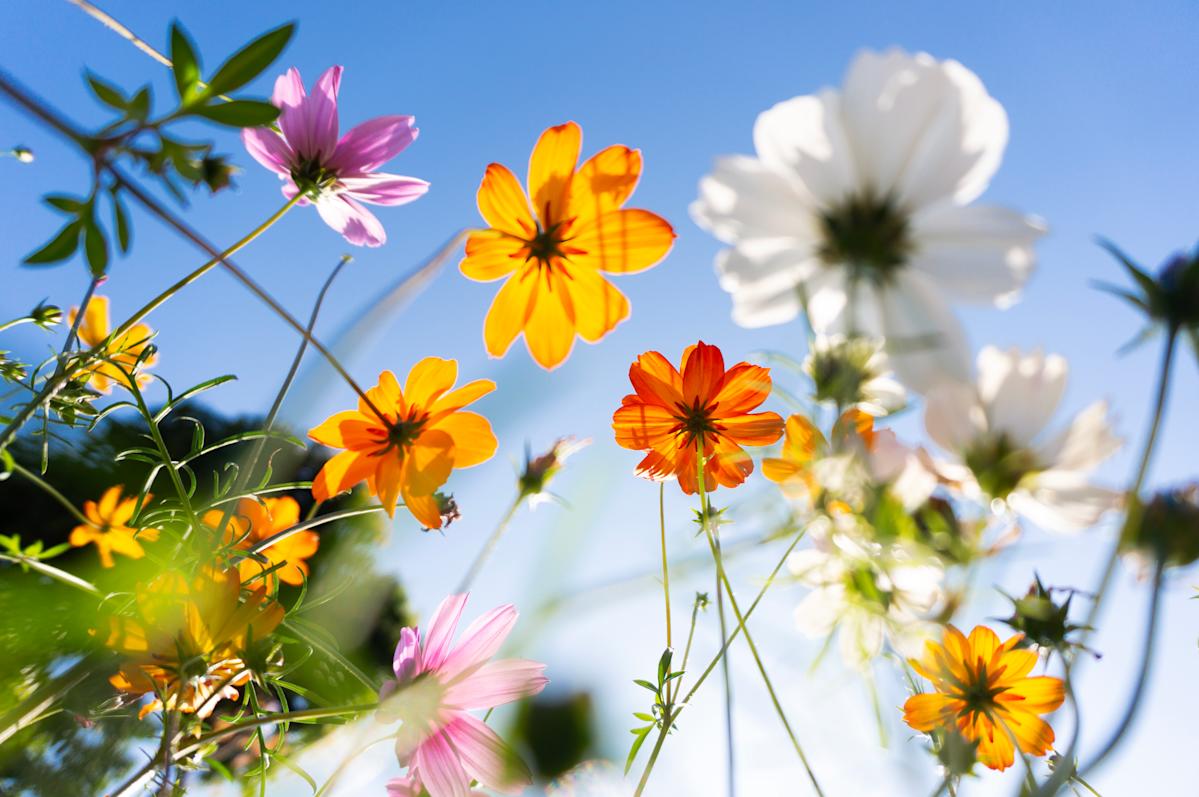
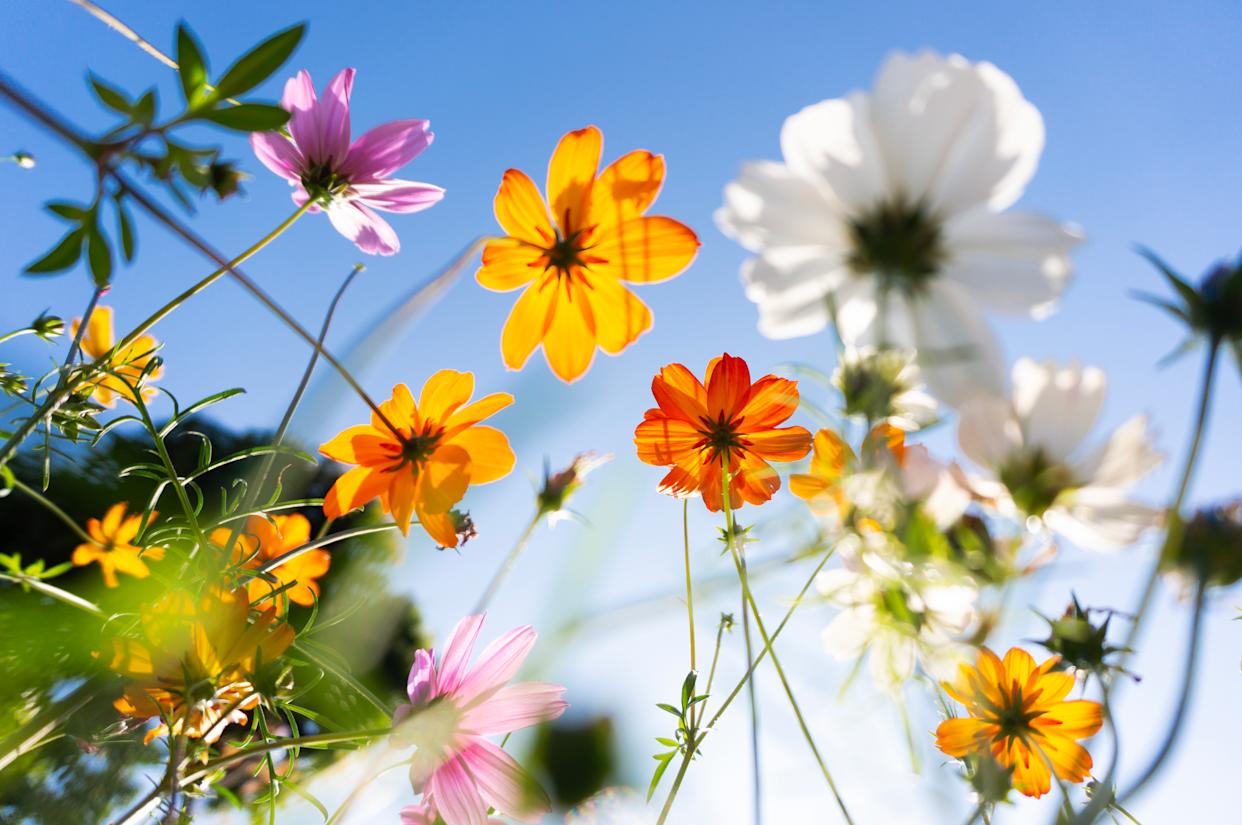
Cosmos are are especially easy to sow in most gardens, plant pros say. (real444 via Getty Images)
Picture this: You walk out into your yard on a peaceful summer morning, and you’re greeted by dozens (maybe even hundreds) of bright flowers. Bees, butterflies and hummingbirds flit from bloom to bloom, and for a split second, you might feel a tiny bit like Snow White. Pretty idyllic, right?
To make this dream a reality, now’s the time to start prepping your soil, planting seeds and laying the foundation for an abundant summer garden. But which flower seeds will have the best chance of making your garden dreams come true? For an expert answer, Yahoo checked in with Kate Herlihy and Callyn Owen, who manage The Nursery at Mount Si in North Bend, Washington. They shared their top five picks for the best (and easiest) flowers to start from seed in most gardens.
Tools to get you started in your garden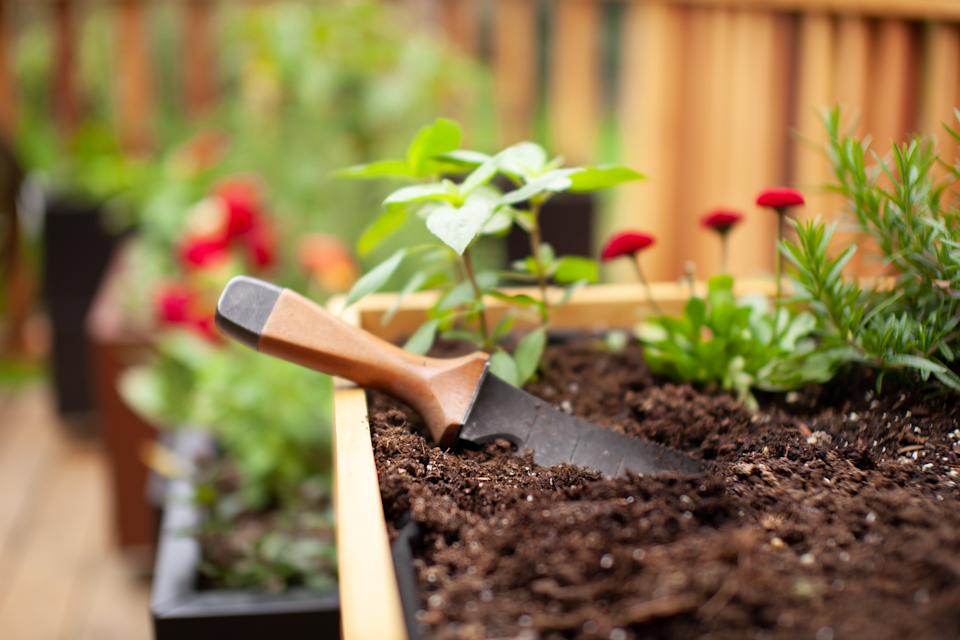
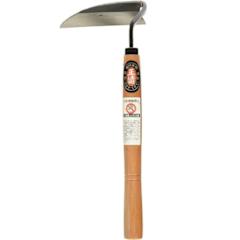
Many pro gardeners recommend using a Hori Hori as an alternative to the common garden trowel. (Ashley-Belle Burns via Getty Images)
Before we dig into the seed stash, let’s talk tools. After all, you won’t get very far in your garden without the right gear.
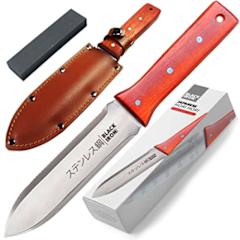
Here’s a quick roundup of the gardening tools Herlihy and Owen recommend for gardeners at every level, and they ones they personally use in their own yards. For more recommendations, check out our deep-dive into these pros’ favorite gardening tools.


 5 flowers pro gardeners say are easy to start from seed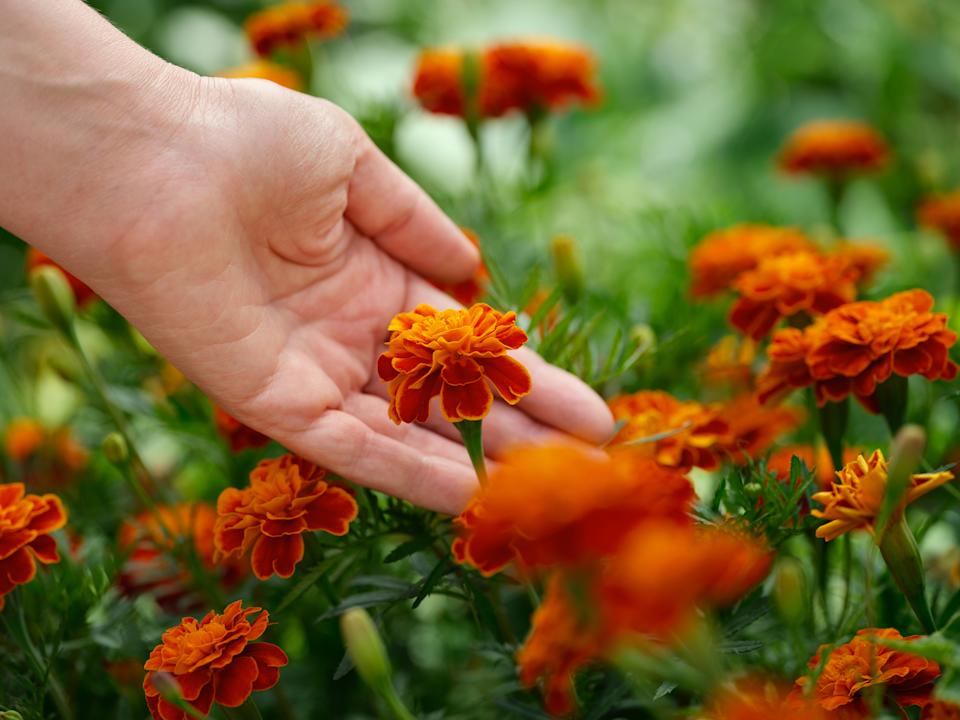
Marigolds are hardy, vibrant and long-lasting, often blooming from spring into late fall. (Professor25 via Getty Images)
It’s easy to scatter seeds through your yard, cross your fingers, and hope for a whimsical wonderland — but not all flowers are as eager to grow as others, especially from seed. Owen and Herlihy recommend the five flowering favorites below as a great entry point for anyone starting their blooms from seed this spring.
No matter which flowers you end up adding to your garden this year, Herlihy and Owen also recommend choosing a mix. Diversity is key to a healthy garden (and a healthy ecosystem), so don’t be afraid to experiment with lots of different seeds.
Sunflowers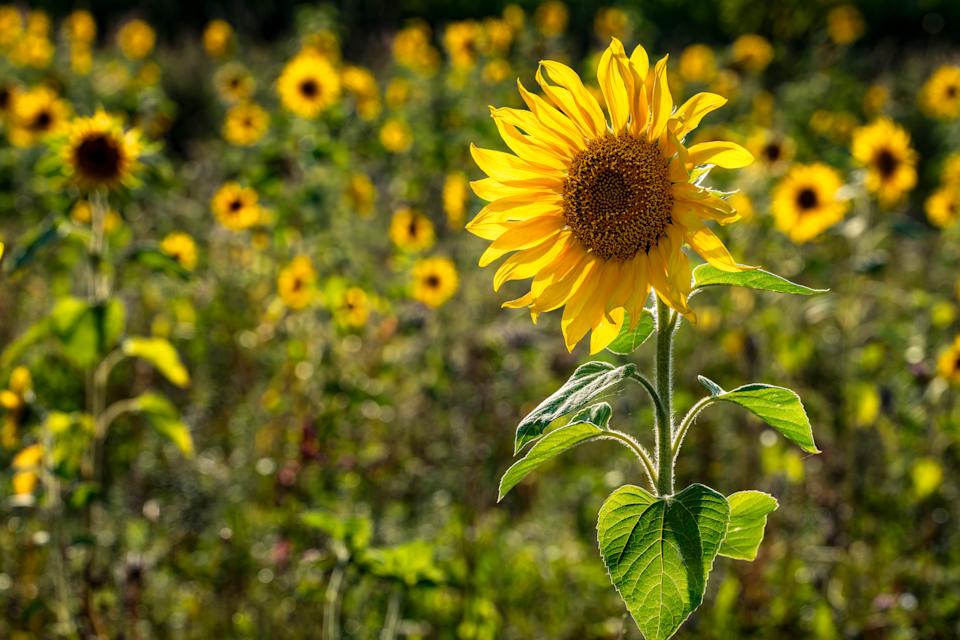
An oldie but a goodie, sunflowers are easy to grow and stunningly beautiful when in bloom. (Gaitanides via Getty Images)
Sunflowers are a classic for a reason. They’re big, bright and beautiful, and it’s hard to pass one in bloom without feeling a little mood boost. Sunflower seeds are also sizeable and easy to plant (not to mention edible), making the task a fun project for kids, according to Herlihy and Owen. Just make sure to plant these golden giants in a spot that gets plenty of sunlight — they’re called sunflowers for a reason.
 Marigolds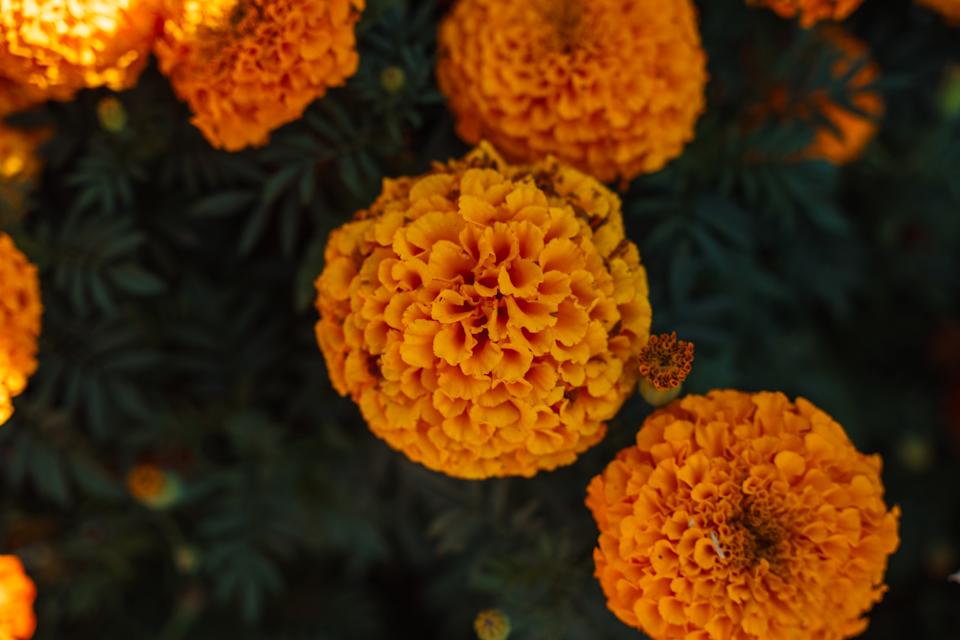
Though they’re often associated with fall, marigolds are a great flower to start from seed in spring. (Anastassiya Bezhekeneva via Getty Images)
These feathery, vibrant flowers come in shades of orange, yellow and red, and they have an impressively long blooming season. In certain climates, some varieties can bloom from early spring all the way into late fall. From seed, they take about two to three months to reach the flowering stage, so if you plant now, you should have blooms by the start of summer.
Herlihy and Owen note that marigolds are also good companion plants for vegetables, herbs and other flowers. They also help attract pollinators like bees and butterflies to your garden.
 Cosmos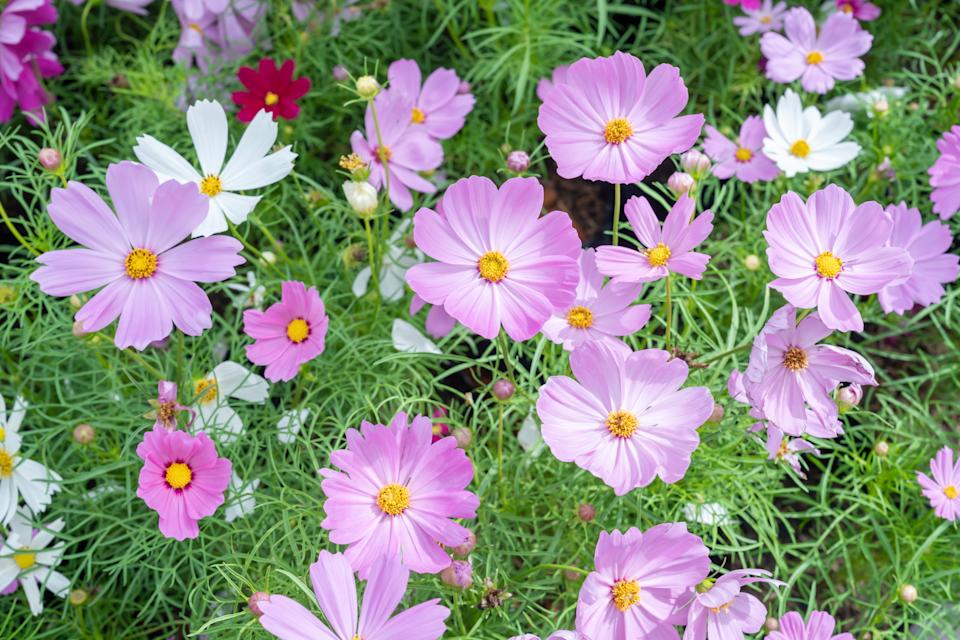
Delicate yet plentiful, cosmos are eager to grow in most places. (Pakin Songmor via Getty Images)
It’s hard to deny the beauty of blooming cosmos, with their delicate petals, bright yellow centers and lace-like leaves. Cosmos come in a wide variety of colors, from white and pink to orange, yellow and even dark red. Their blooms are plentiful, with a long flowering season, spanning summer to late fall in many regions. Herlihy and Owen note that cosmos, like many flowers, love being harvested, so the more you cut, the more they’ll bloom.
While cosmos are easy to cultivate, Owen notes that these tender blooms may be considered invasive in some places, so growers should check in with the gardeners at their local plant nursery or garden center — always a great way to learn about native vs. invasive plants in your area.
 Calendula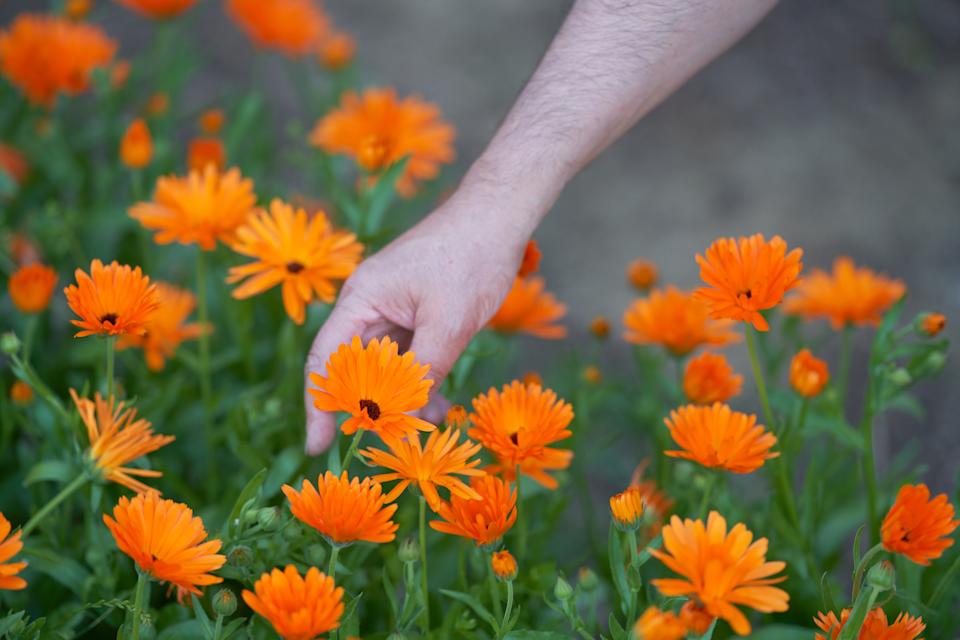
Calendula is famous for its long history as an edible plant and medicinal herb. (annick vanderschelden photography via Getty Images)
Known for its rich orange blossoms, calendula is a powerful addition to any garden — but not just for its beauty. Calendula flowers are edible, according to Herlihy and Owen (plus experts like the Wisconsin Horticulture Division of Extension), and they can be added as a colorful garnish to summer salads. Calendula has long been used as a traditional remedy for skin conditions, burns and wounds, and its abilities are backed by scientific data, like this review published by the National Library of Medicine. It’s also a popular ingredient in skin- and hair-care products (and not just the “natural” ones).
Herlihy and Owen say calendula, like marigolds, is a good companion plant for vegetables, helping to bring in pollinators and other beneficial insects.
 Nasturtiums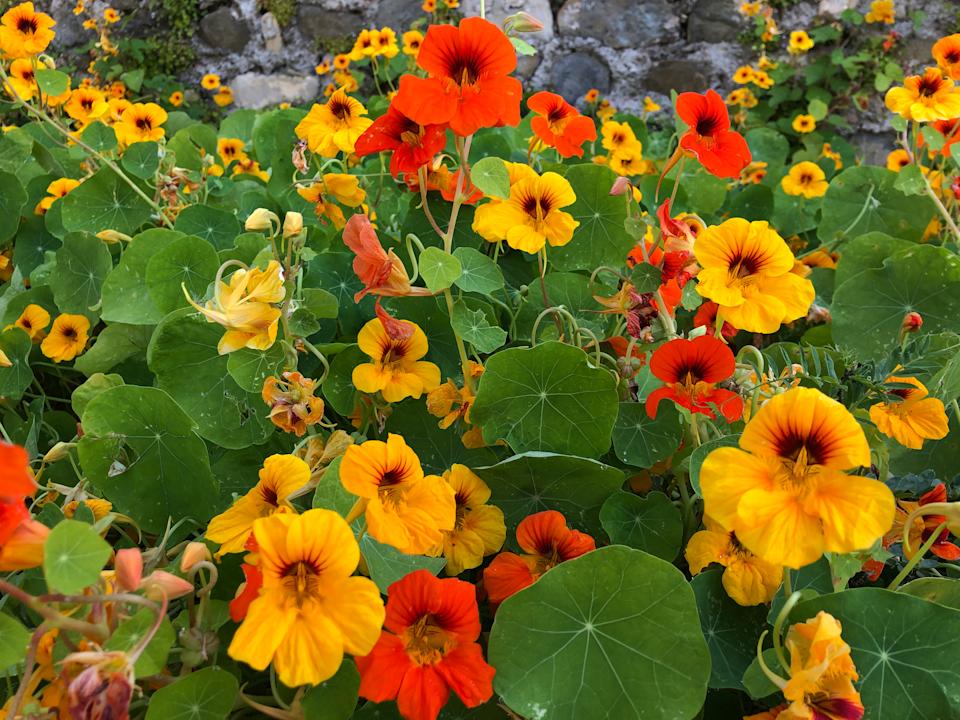
Nasturtiums love to creep and spread, but their roots are easy to pull if they get unwieldy. (Martin Zaiser via Getty Images)
Let’s round out this list with another fun edible flower: the mighty nasturtium. With creeping vines and unique round leaves (that look a bit like lily pads), nasturtiums send out loads of bright orange, yellow and red blooms all summer long, often sticking around until the first frost. Like sunflowers, nasturtiums have big seeds that are fun and easy to plant.
When I say nasturtiums are edible, I mean it — flowers, leaves, seeds and all. They have a light peppery taste that’s great in summer salads, and the flowers are slightly sweet, especially when they first bloom. Just be careful about where you plant nasturtiums in your garden, as they love to creep and spread. Thankfully, their roots are delicate and easy to remove if they get too wild.
More Yahoo gardening
See all Yahoo gardening articles
Comments are closed.