
 ooyoo//Getty Images1Mountain Laurel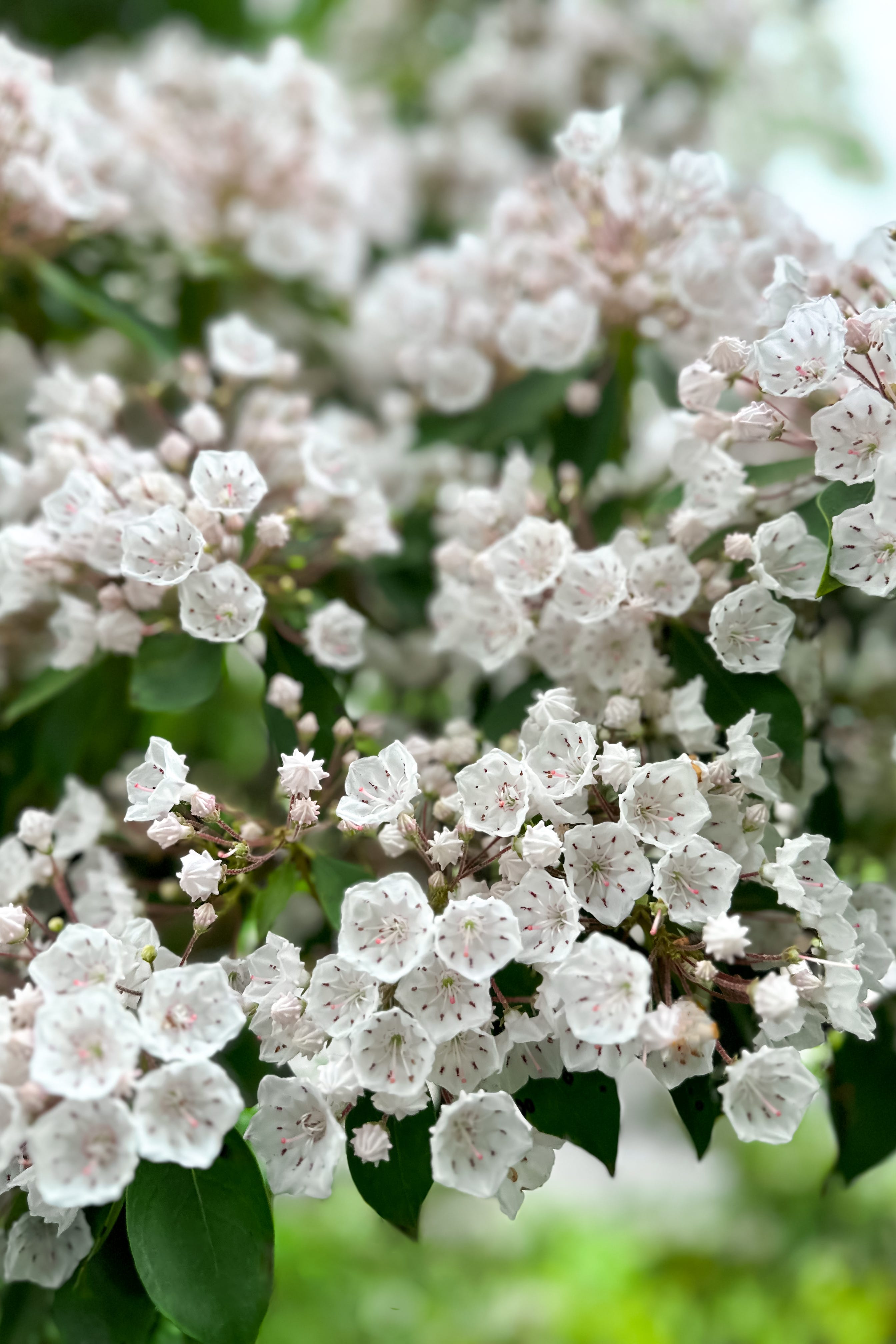
Mountain laurel, also known as Kalmia latifolia, is a beautiful evergreen shrub that’s also the state flower of Connecticut and Pennsylvania. The white or pale pink bell-shaped flowers start as deep pink buds, which emerge in late spring to early summer. Even after the petals fall off, this beautiful shrub remains stunning thanks to its glossy leaves, which transition from light green to a deep purplish hue throughout the year.
USDA Hardiness Zones: 4 to 9
2Japanese Kerria
Native to both China and Japan, this striking flowering shrub produces bright yellow blooms that resemble a cross between a pom-pom and a rose. The Japanese kerria first blooms in the spring amongst light green leaves, and as the seasons continue to change, the flowers fall off, and you’re left with bright green stems in the winter.
USDA Hardiness Zones: 4 to 9
Advertisement – Continue Reading Below
3Azalea
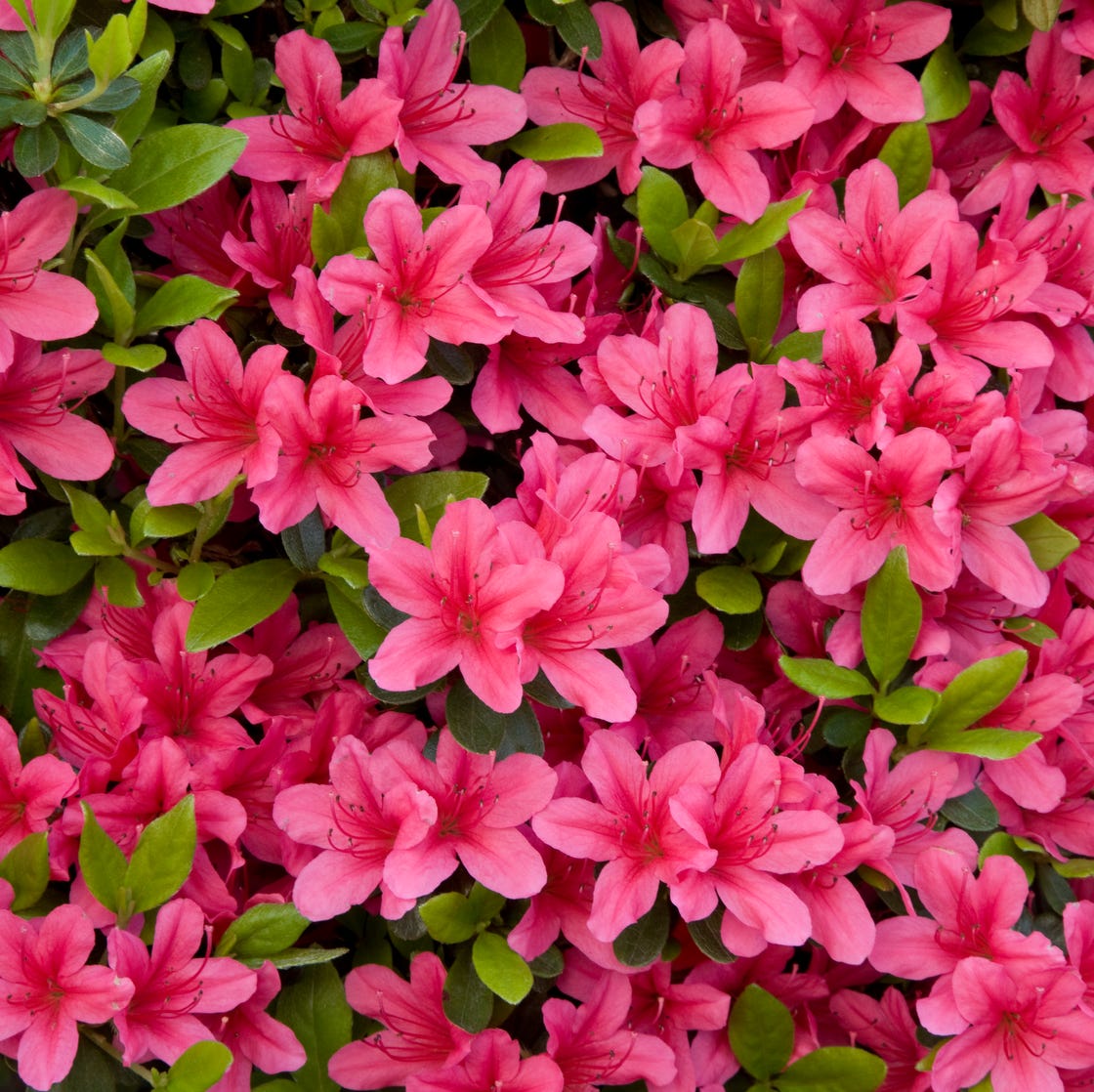
This popular flowering shrub comes in a variety of shapes and sizes, blooming primarily in the spring. Most of these stunning azalea bushes are evergreen, and their funnel-shaped blooms come in a range of colors, such as pink, white, red, and purple.
USDA Hardiness Zones: 4 to 10
Advertisement – Continue Reading Below
4Flowering Quince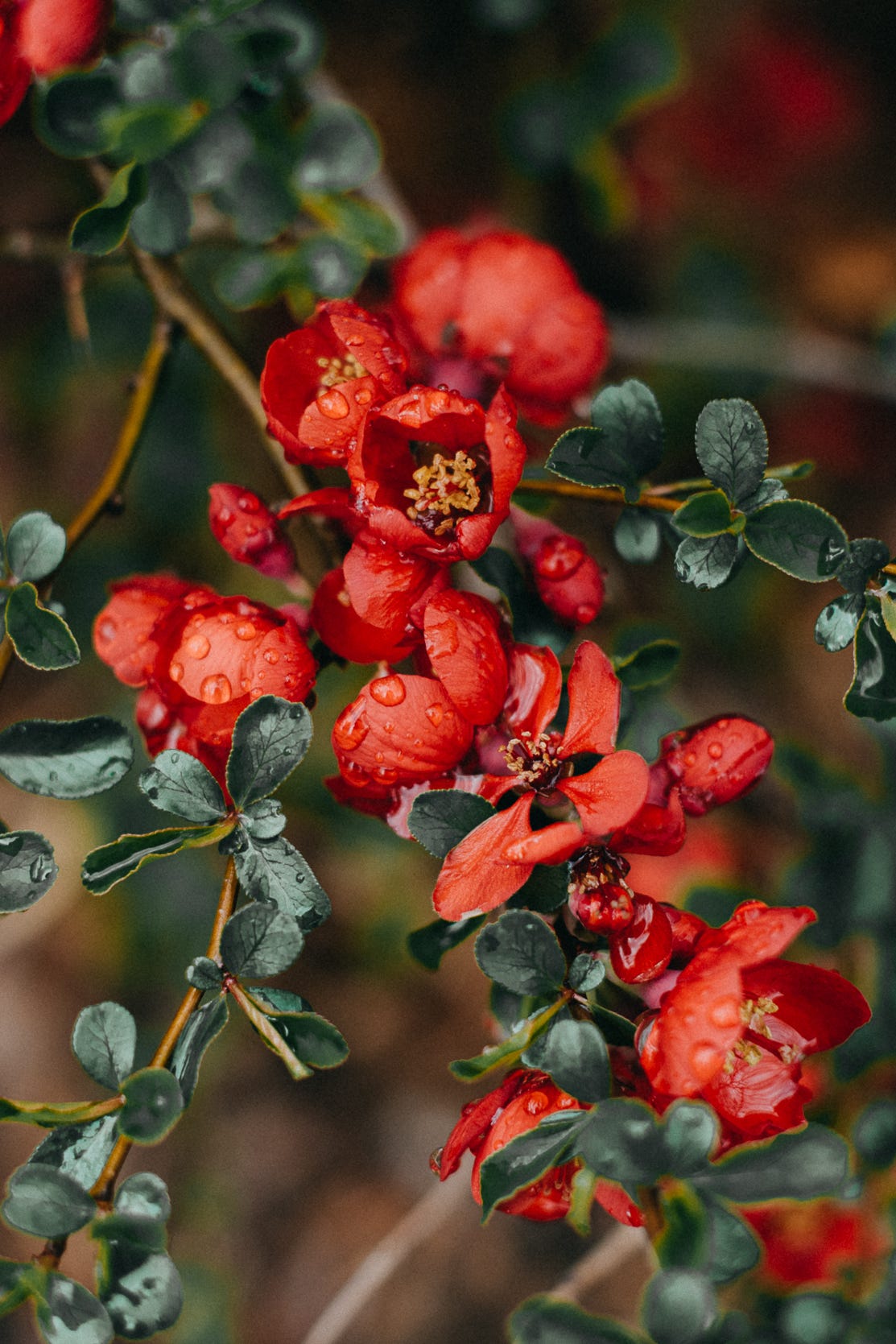
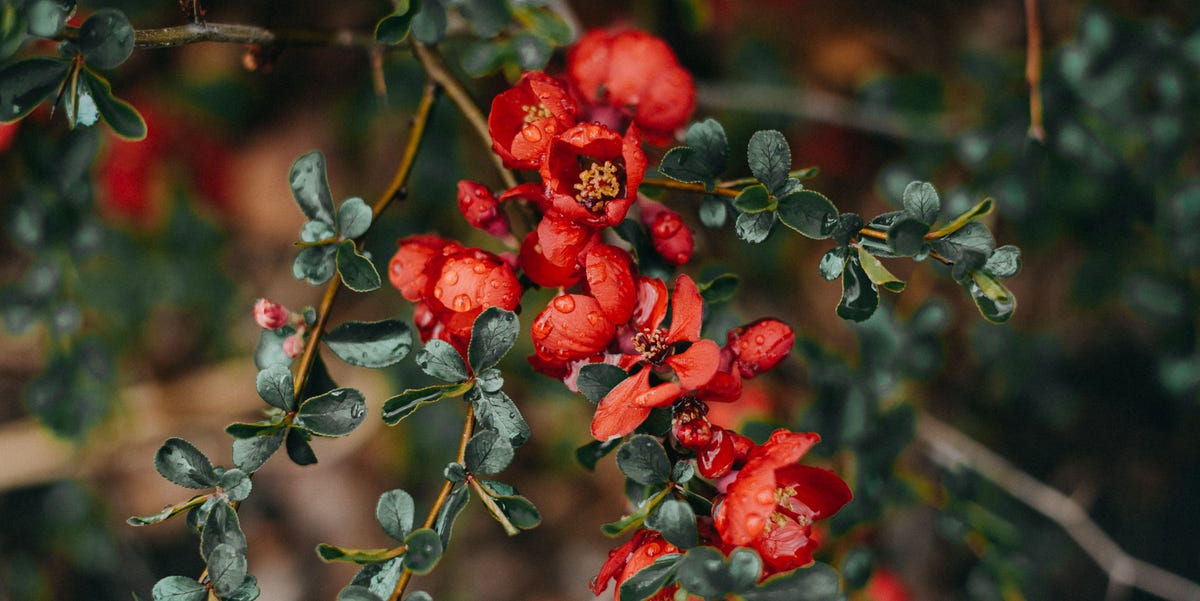
Flowering quince is a wonderful addition to your garden or yard if you want early blooms, as this shrub flowers in early spring. The petals are very vibrant, especially next to the dark green foliage, and come in a range of hues from bright scarlet-orange to crisp white to a loud pink.
USDA Hardiness Zones: 5 to 9
5Carol Mackie
This evergreen flowering shrub produces small, fragrant clusters of pale pink flowers starting in late spring, which then turn into tiny red fruits in the fall. Carol Mackie shrubs are rather short and prefer partial shade. While they’re delicately beautiful, they’re extremely toxic if ingested.
USDA Hardiness Zones: 4 to 8
Advertisement – Continue Reading Below
6Mock Orange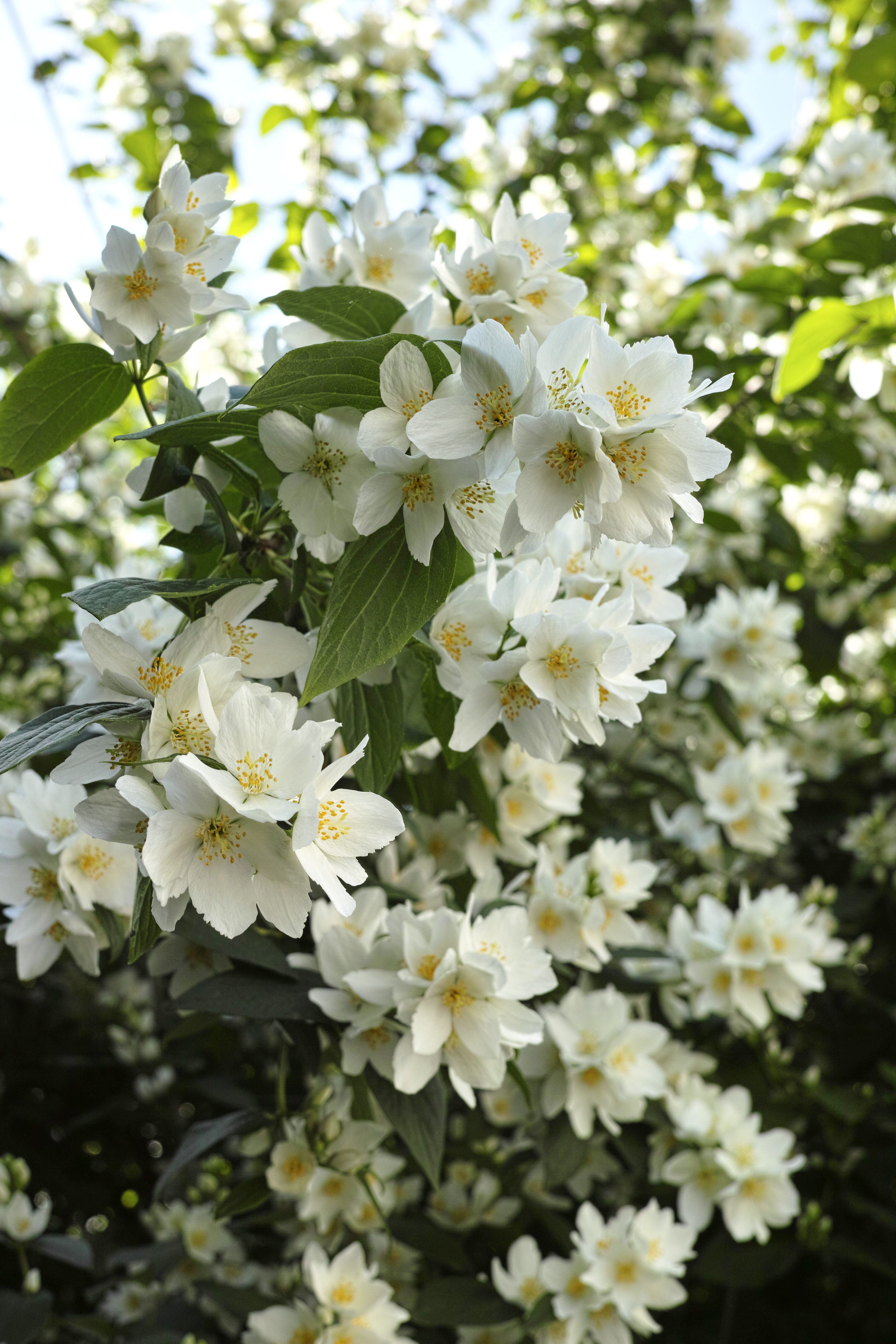
If you want an extremely fragrant flowering shrub that smells like orange blossoms with a hint of pineapple, consider planting mock orange in your yard. This shrub blossoms for several weeks in late spring to early summer, producing elegant white flowers that cover the entire plant.
USDA Hardiness Zones: 4 to 9
Advertisement – Continue Reading Below
7Japanese Andromeda
The dangling bell-shaped flowers of the Japanese andromeda plant are what make it so desirable. Blooming in pink or white in early spring, this flowering shrub is evergreen and makes for an elegant addition to any garden.
USDA Hardiness Zones: 5 to 8
8Nanking Cherry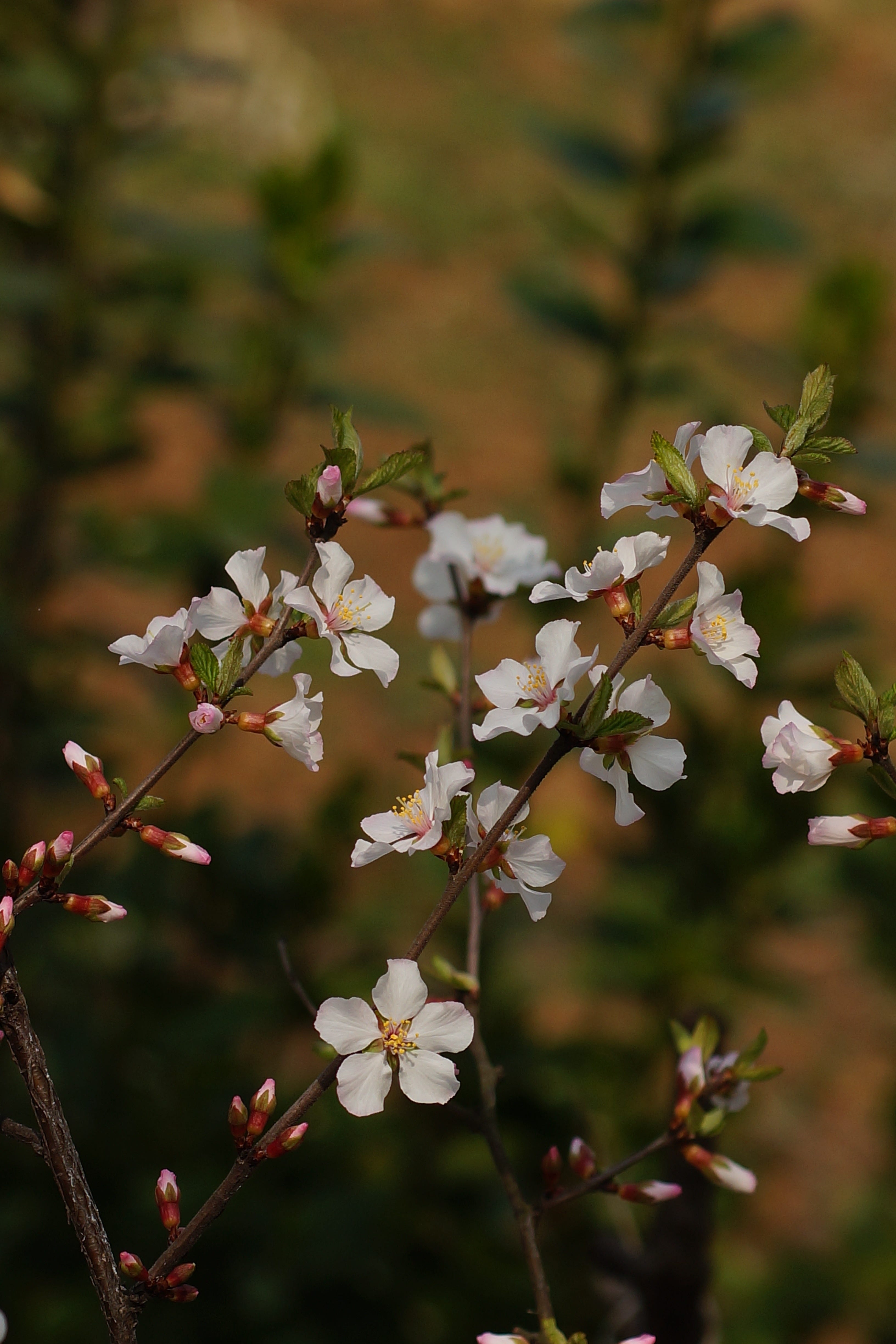 hwatar21
The Nanking cherry is a winter-hardy flowering shrub with beautiful flowers that turn into delicious fruits. The petals start as pink buds, then unfold into fragrant white flowers that last from early spring to early summer before transforming into red cherries.
USDA Hardiness Zones: 2 to 7
Advertisement – Continue Reading Below
9American Cranberrybush
Before the American cranberrybush shows off those vibrant red fruits, it produces delicate white florets surrounded by larger white flowers. It would look lovely in any part of your yard, though we recommend planting it somewhere it can easily be seen, as it’s stunning in all four seasons.
USDA Hardiness Zones: 2 to 7
Advertisement – Continue Reading Below
10Flowering Currant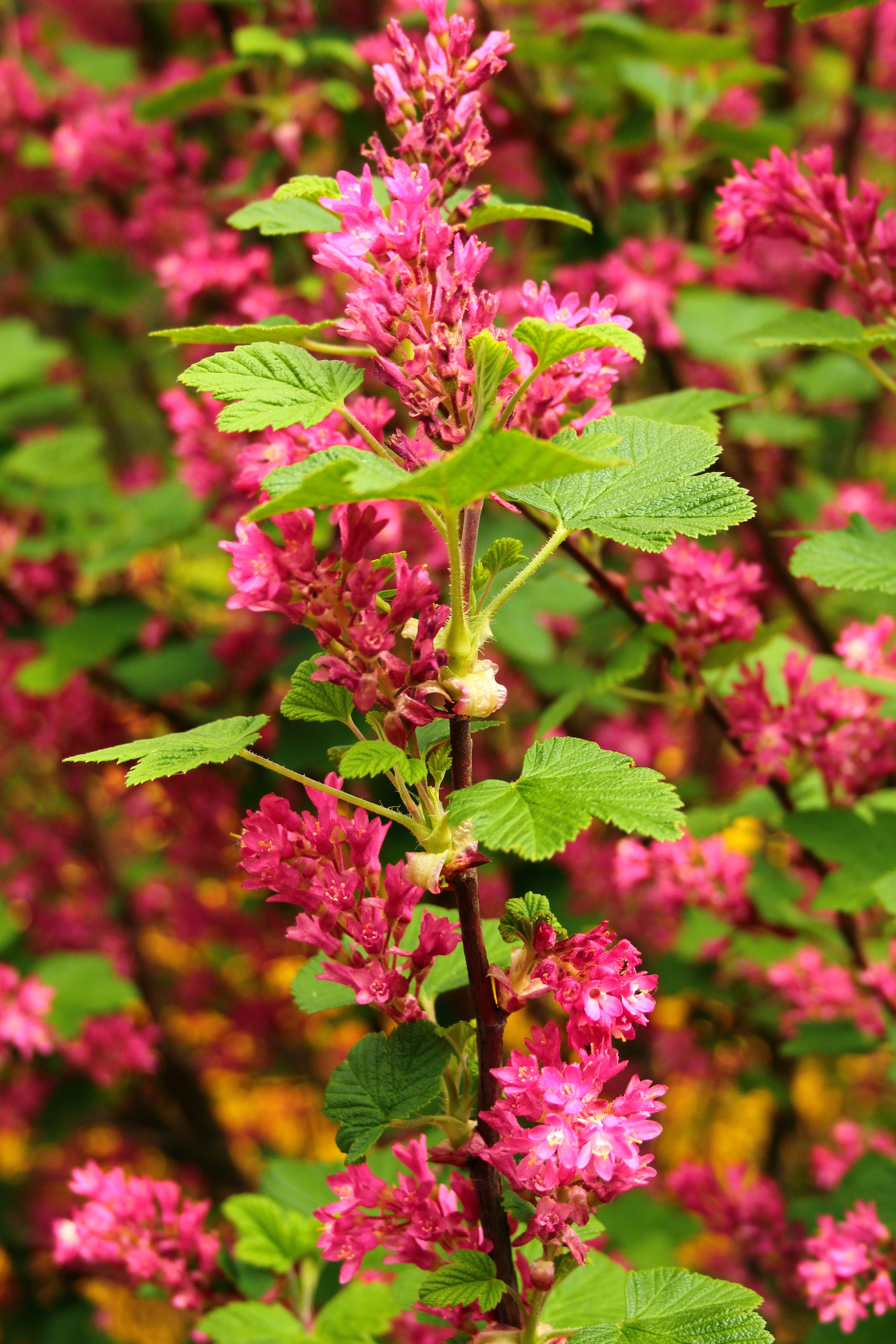
The flowering currant is a medium-sized shrub that produces beautiful clusters of drooping flowers starting in early to mid-spring. The petals are typically a pink or red hue, which then turn into small, dark blue edible berries. Because these shrubs flower so early, they provide early nectar for butterflies and hummingbirds to enjoy.
USDA Hardiness Zones: 6 to 8
11Ceanothus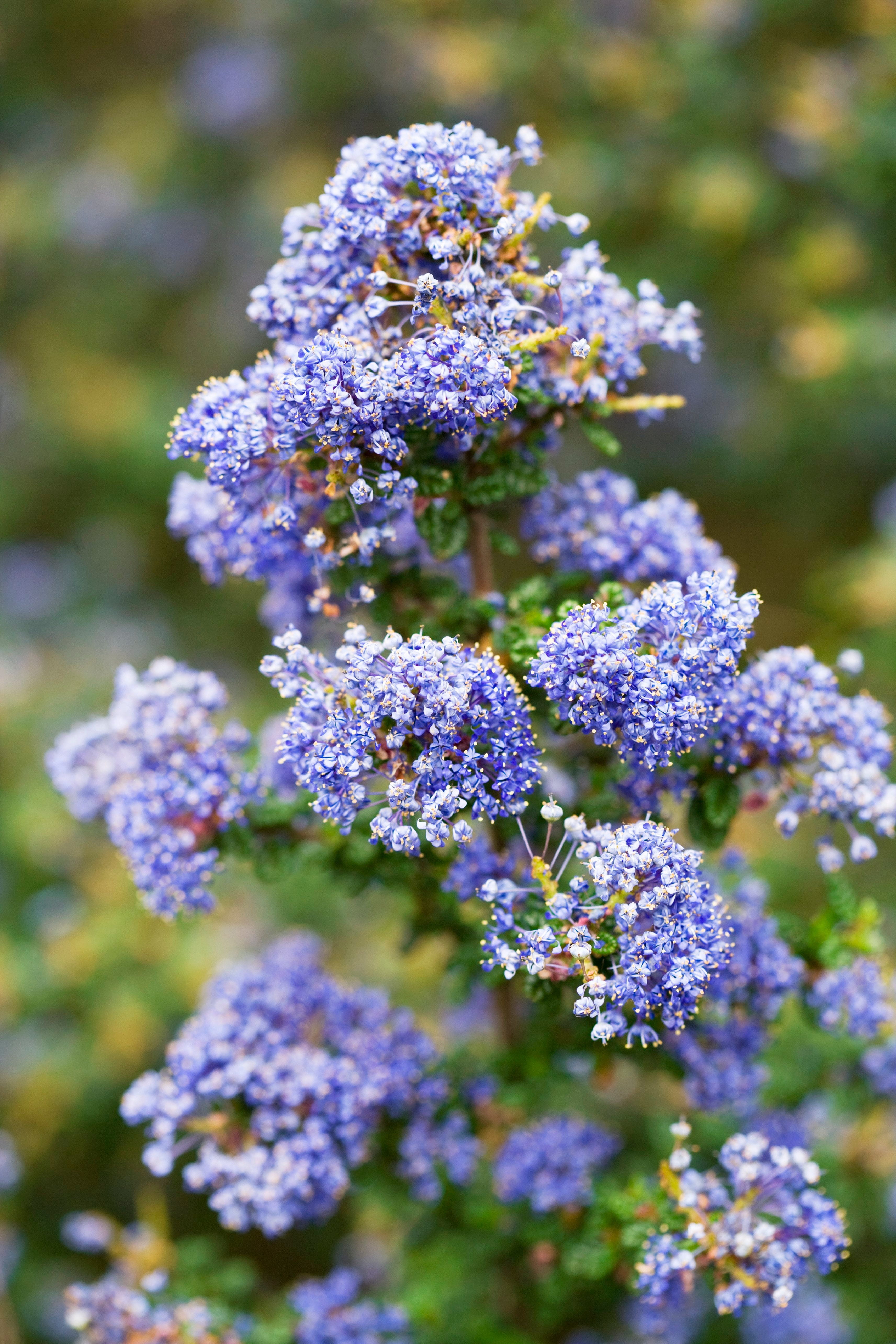
Ceanothus, or the California lilac, is a flowering shrub native to North America. They’re fast-growing and very eye-catching thanks to their clusters of tiny purple flowers and lovely dark green foliage.
USDA Hardiness Zones: 7 to 10
Advertisement – Continue Reading Below
12Japanese Dogwood
With star-shaped blooms and pointed, dark green leaves, the Japanese dogwood shrub is very striking. The petals are creamy white, turning into pinkish-red fruits in the summer and throughout the fall. It is a flowering shrub that will be beautiful all year, despite having no flowers or leaves in winter.
USDA Hardiness Zones: 5 to 8
Advertisement – Continue Reading Below
13Lavatera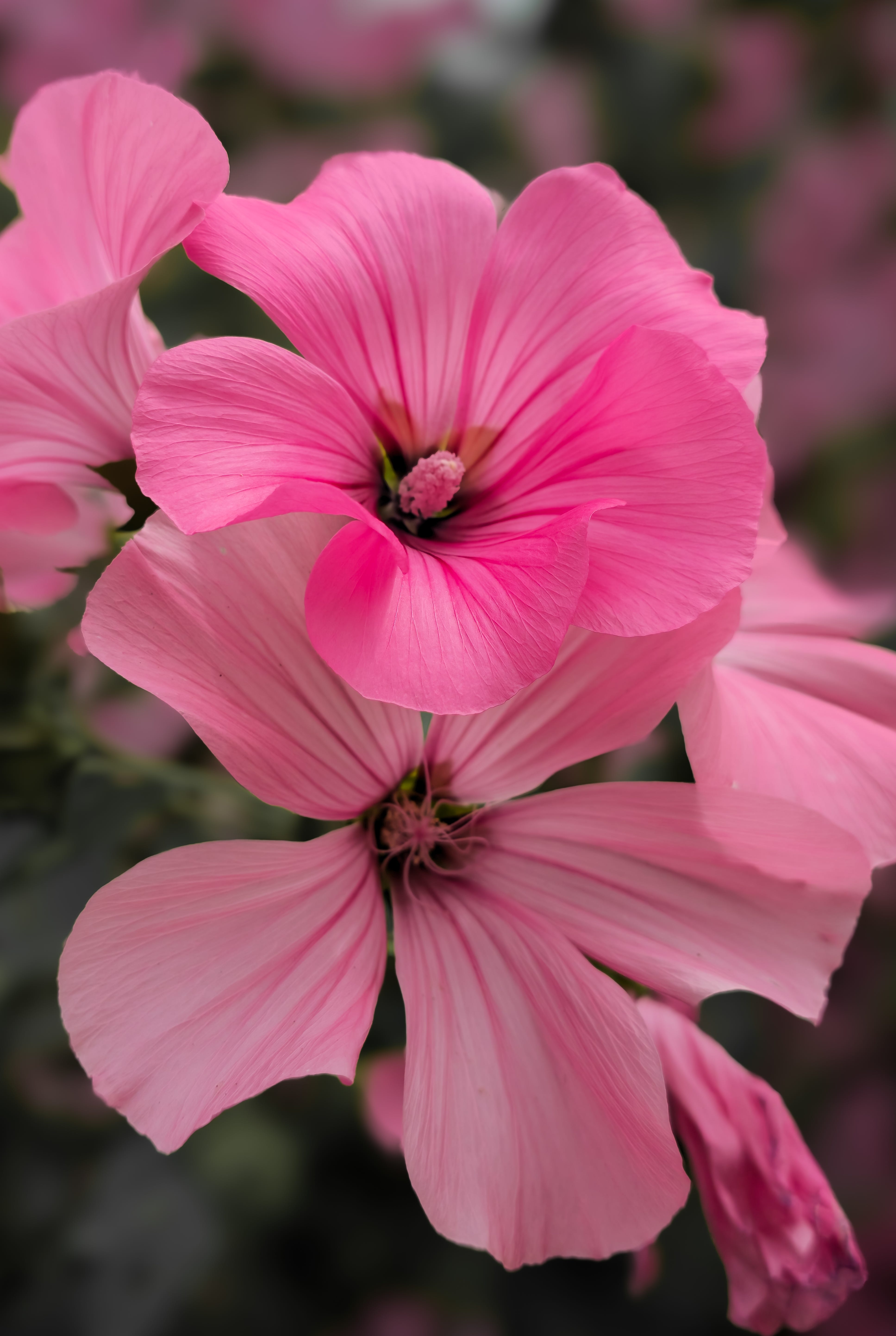
Similar to hibiscus, the lavatera plant produces showy, large funnel-shaped flowers in shades of pink, purple, and white. They’re in the mallow plant family, and depending on the species you get, they can grow anywhere between two and three feet to 10 feet tall.
USDA Hardiness Zones: 6 to 8
14Fuchsia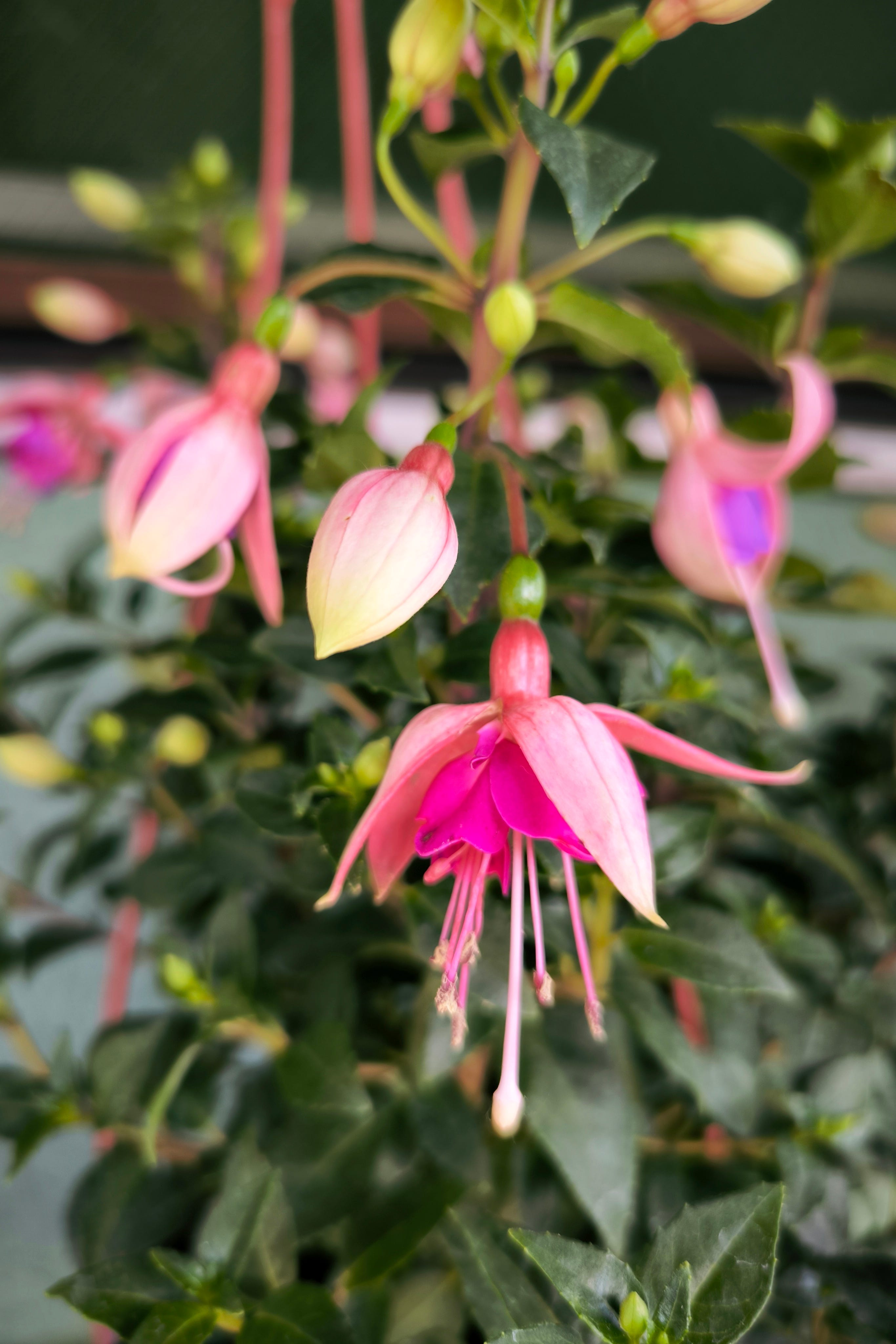
The flowers that bloom from the fuchsia plant are extremely unique and ornamental, making them stunning choices for your garden. This flowering shrub first blooms in late spring and goes into early fall, with some varieties blooming year-round depending on conditions.
USDA Hardiness Zones: 6 to 11
Related Story:How to Grow Fuchsia Plants That’ll Thrive in a Shady Garden
Advertisement – Continue Reading Below
15Rockrose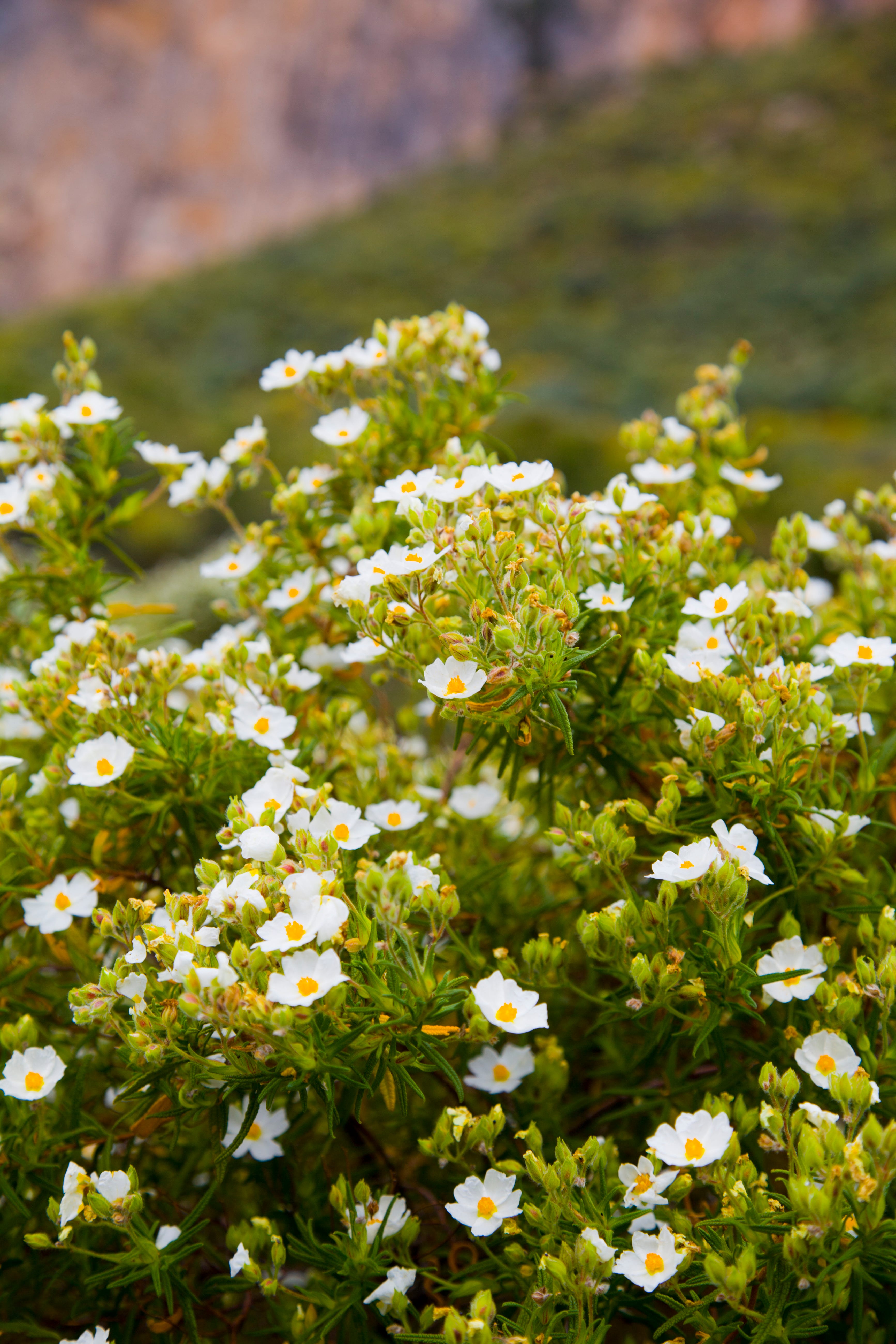
This evergreen flowering shrub produces flowers in a range of hues, from white to purple, with bright golden stamens that bloom in the spring and summer. The rockrose, also known as Cistus, loves full sunlight and is fairly drought-resistant once established.
USDA Hardiness Zones: 8 to 10
Advertisement – Continue Reading Below
16Weigela Federica Grassi//Getty Images
The tubular flowers of this spring-blooming shrub are much loved by hummingbirds. The graceful arching shape looks wonderful if you give it plenty of space to spread. Reblooming types will bloom again sporadically throughout the summer.
USDA Hardiness Zones: 4 to 8
17Camellia Elizabeth Fernandez//Getty Images
The gorgeous blooms of camellias almost don’t look real! This evergreen shrub flowers from late winter into summer, depending on the variety. Read the plant tag or description so you’ll know what you’re buying.
USDA Hardiness Zones: 7 to 10
Related Story:15 Types of Camellias That Bloom in the Most Gorgeous Colors
Advertisement – Continue Reading Below
18Forsythia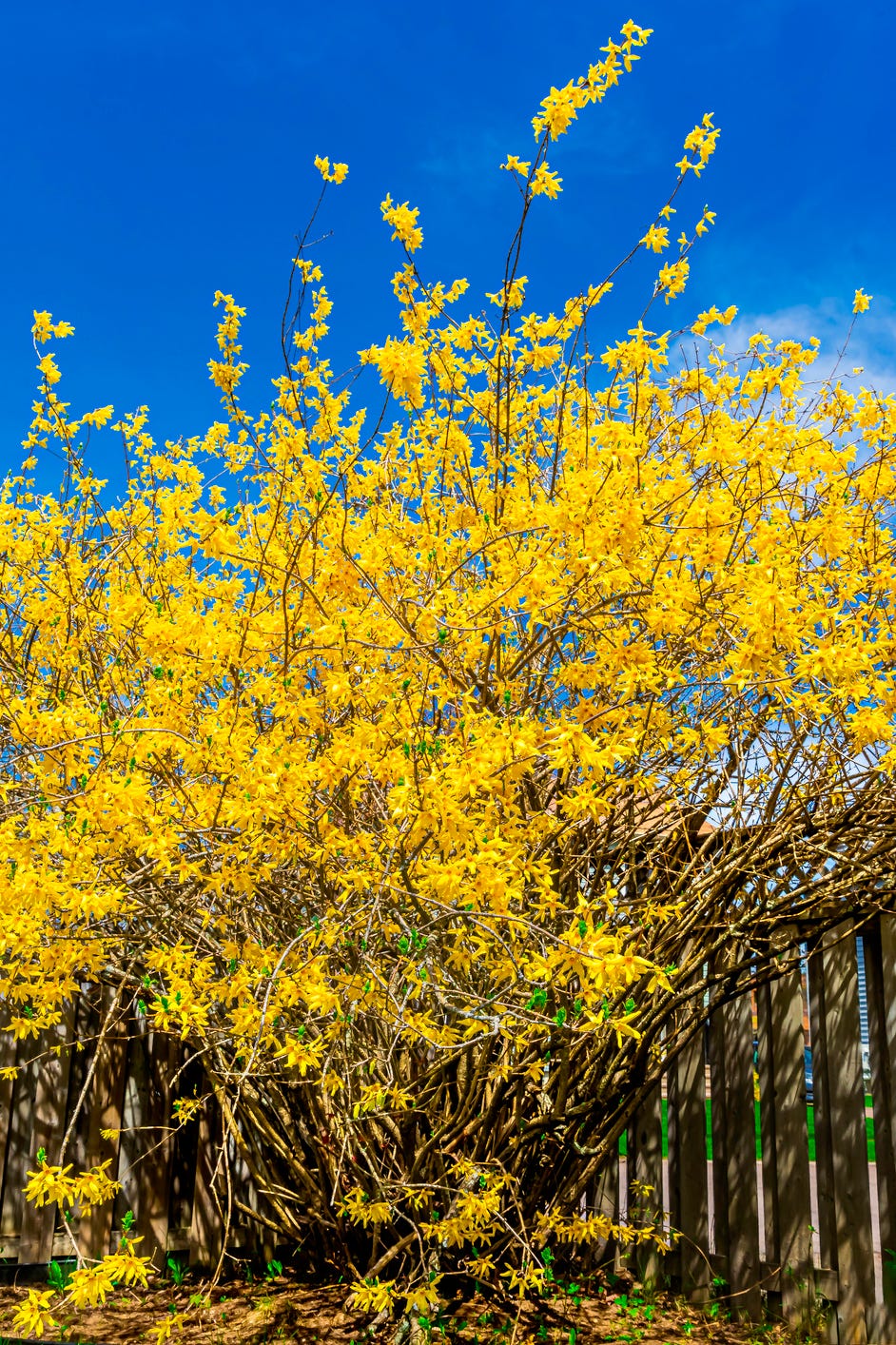 Khanh Ngo Photography//Getty Images
Just when you’ve had enough of winter, the bright yellow blooms of forsythia appear even before the foliage. This easy-care shrub makes a great (and inexpensive) privacy screen, too. Look for a more compact size if you have a smaller garden.
USDA Hardiness Zones: 4 to 8
Advertisement – Continue Reading Below
19Butterfly Bush Jacky Parker Photography//Getty Images
As you might suspect, this fast-growing shrub attracts tons of butterflies and other pollinators. Newer types are not invasive and are also more compact, ranging from a foot tall to four or five feet tall.
USDA Hardiness Zones: 5 to 9
20Shrub Rose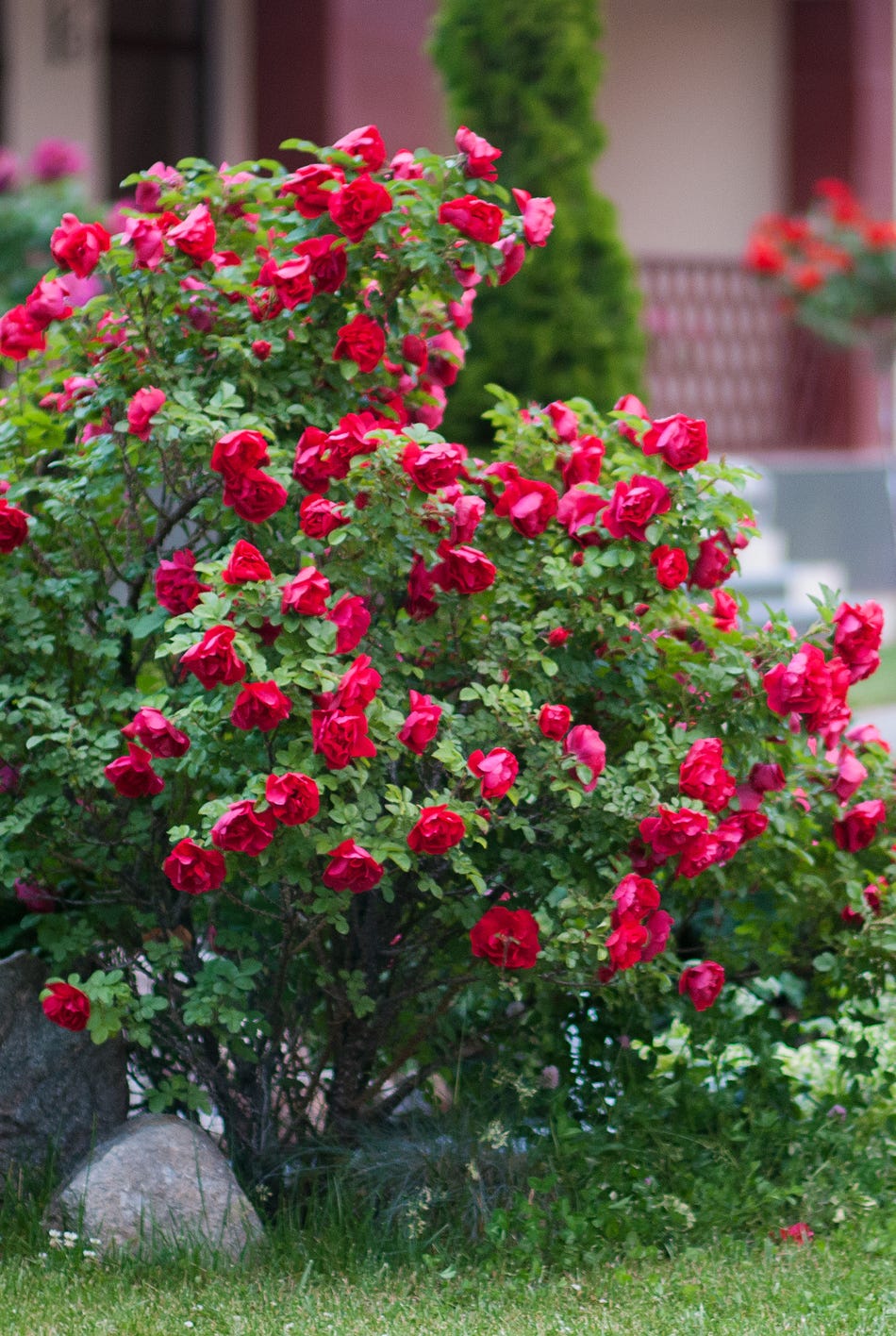 Yulia Shaihudinova//Getty Images
Roses aren’t as finicky as you might think. Shrub roses are some of the easiest types to grow, and new varieties are more cold-hardy and disease-resistant, too.
USDA Hardiness Zones: 5 to 11
Advertisement – Continue Reading Below
Readers Also Read
Advertisement – Continue Reading Below
Advertisement – Continue Reading Below
Comments are closed.