
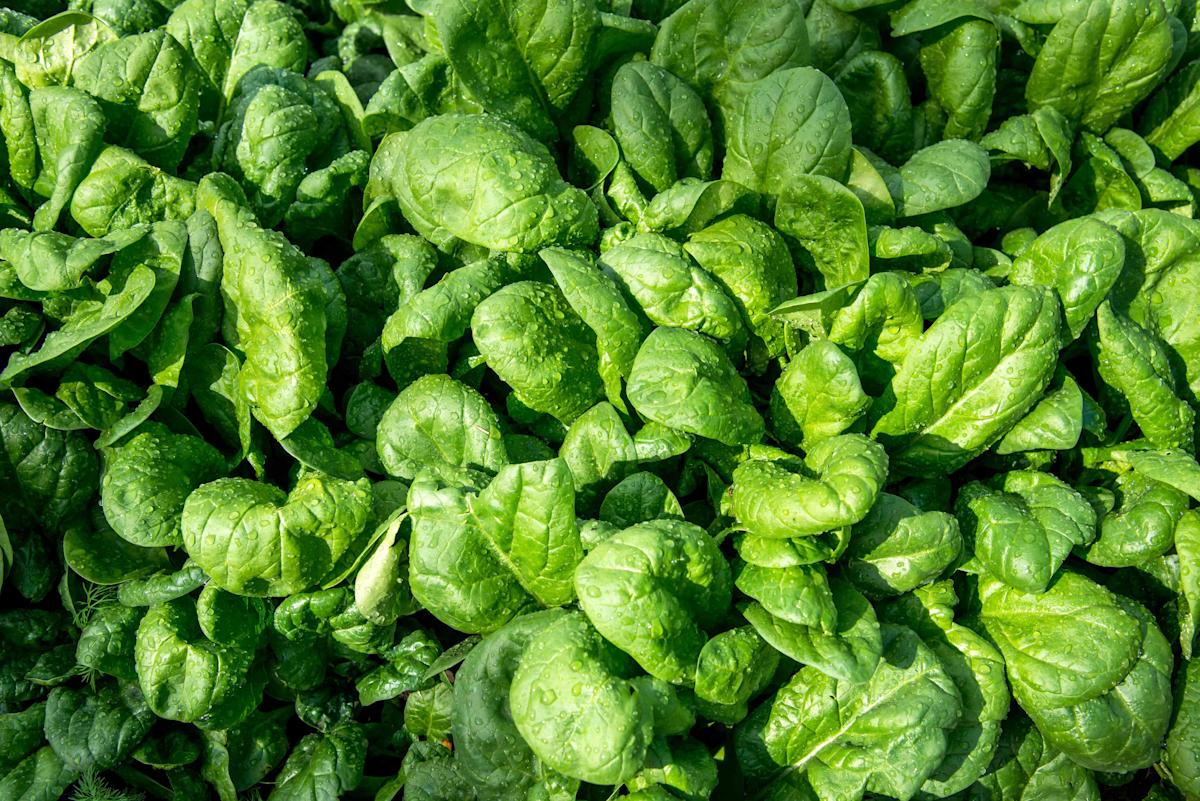
Spinach is a cold-tolerant plant that grows best in spring and fall, and bolts in the summer heat.
However, there are plenty of heat-tolerant plants that can be planted alongside spinach to keep veggie beds productive through summer and boost harvest yields.
Best of all, many of these spinach companion plants also repel pests and can help protect spinach leaves from damage.
What Is Companion Planting?
Companion planting is a simple gardening technique where you plant plants that support each other’s growth close together.
Some companion plants may repel pests or attract predatory insects that devour destructive bugs, while other companion plants may provide shade, attract pollinators, or offer other benefits. Some simply grow in the same conditions, and will benefit from receiving the same water, fertilization, and light.
If you want to grow healthier and more productive spinach plants, here are a few companion plant pairings to try.
01 of 15

Credit: Westend61 / Getty Images
Strawberries and spinach are often paired together in salads, but they may great partners in gardens, too. These plants both thrive in cool weather and rich soil, and strawberry flowers attract hoverflies that feed on spinach pests.
02 of 15
Legumes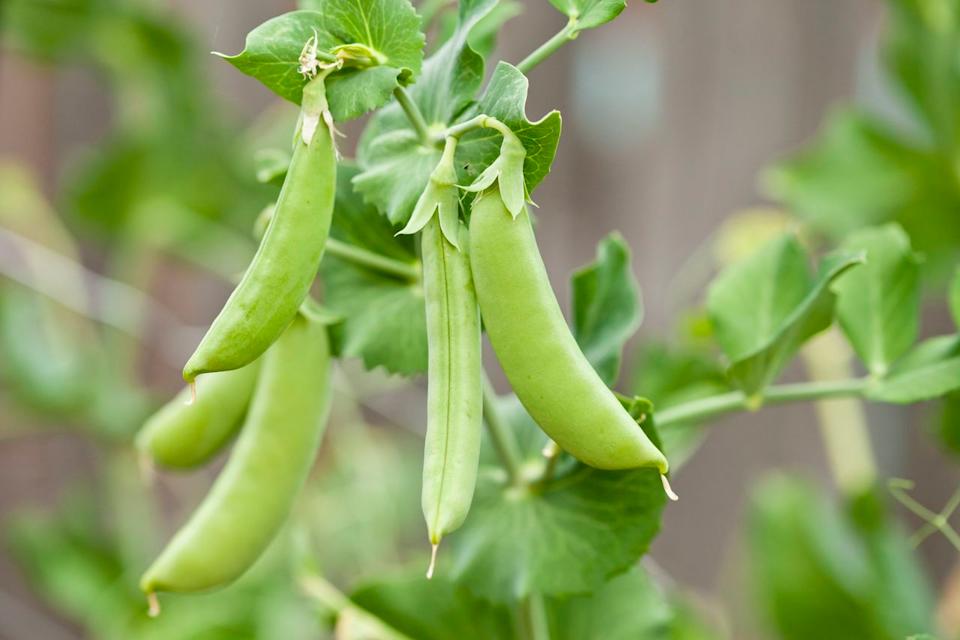
Credit: Jenny Dettrick / Getty Images
Beans, peas, and other legumes are famous for their nitrogen-fixing roots that naturally enrich soils. Keeping these plants near spinach can provide more nutrients to spinach plants, while trellised beans may also protect heat-sensitive spinach from intense sun.
03 of 15
Credit: annick vanderschelden photography / Getty Images
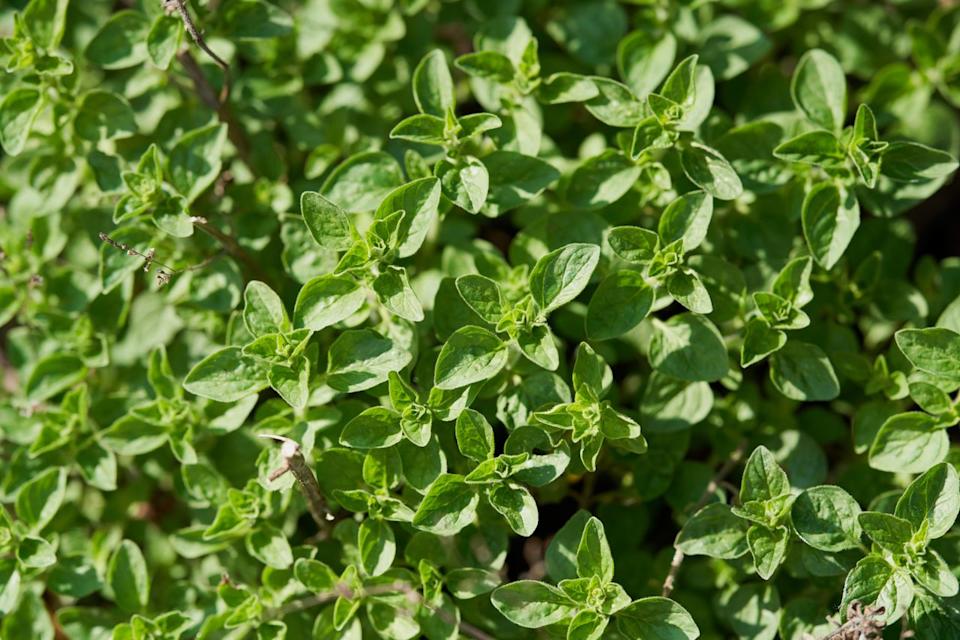
Strongly-scented oregano plants can repel pests from spinach, and oregano flowers are highly attractive to predatory insects, too. If you’ve struggled with pests like aphids in the past, growing spinach near oregano may help.
04 of 15
Alliums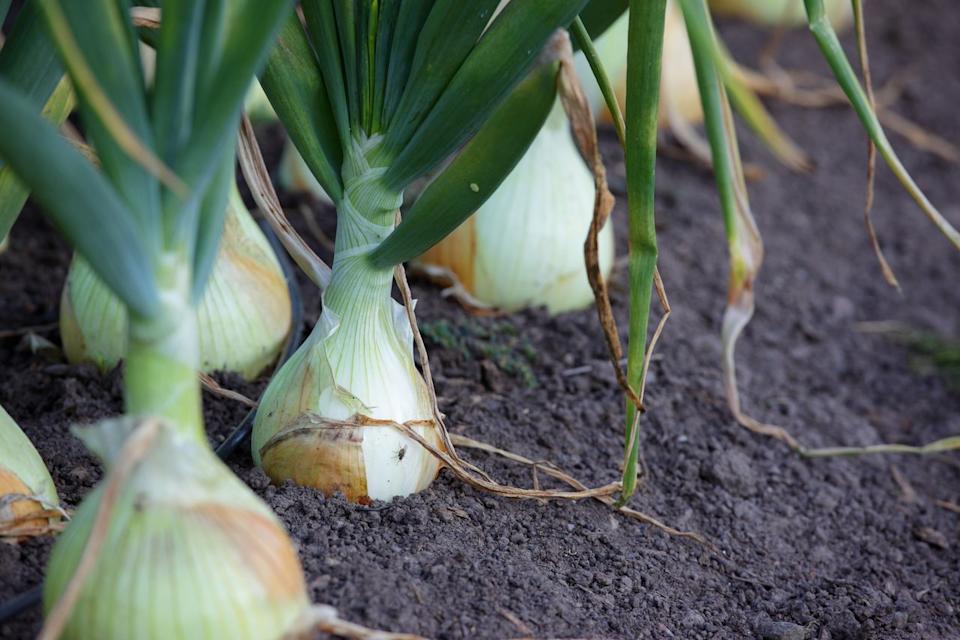
Credit: DaveAlan / Getty Images
Like oregano, alliums repulse a range of spinach pests, including hungry slugs that decimate spinach leaves. Leeks, onions, chives, garlic, and scallions are also harvested long after spinach, so interplanting spinach and alliums can maximize garden space.
05 of 15
Root Vegetables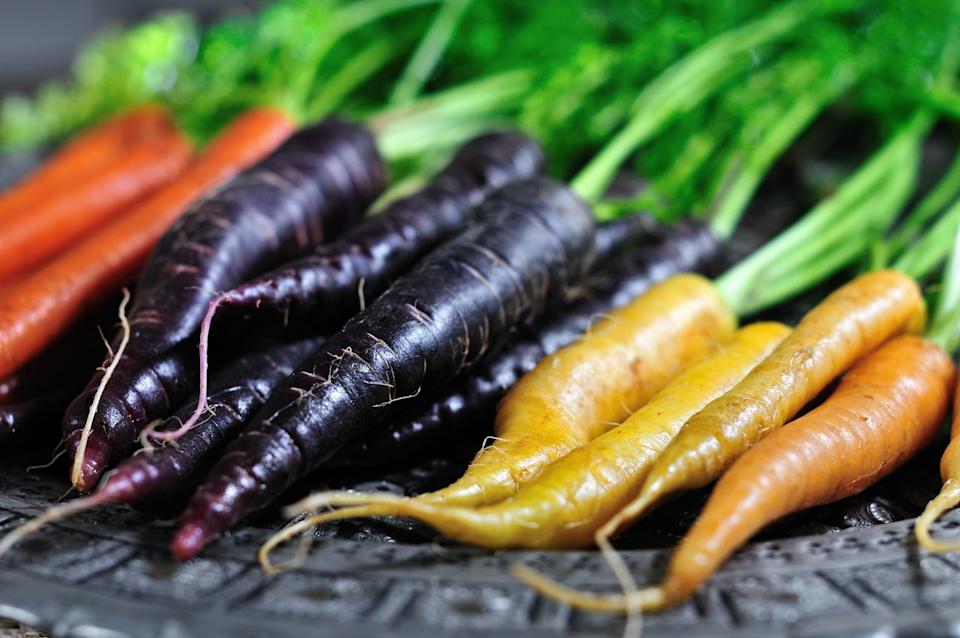
Credit: Allison Achauer / Getty Images
Carrots, beets, parsnips, and spinach all love cool weather and rich soil, and they thrive in spring or fall. Plus, root veggies do most of their growing underground, which means they won’t compete with spinach for space or light.
06 of 15
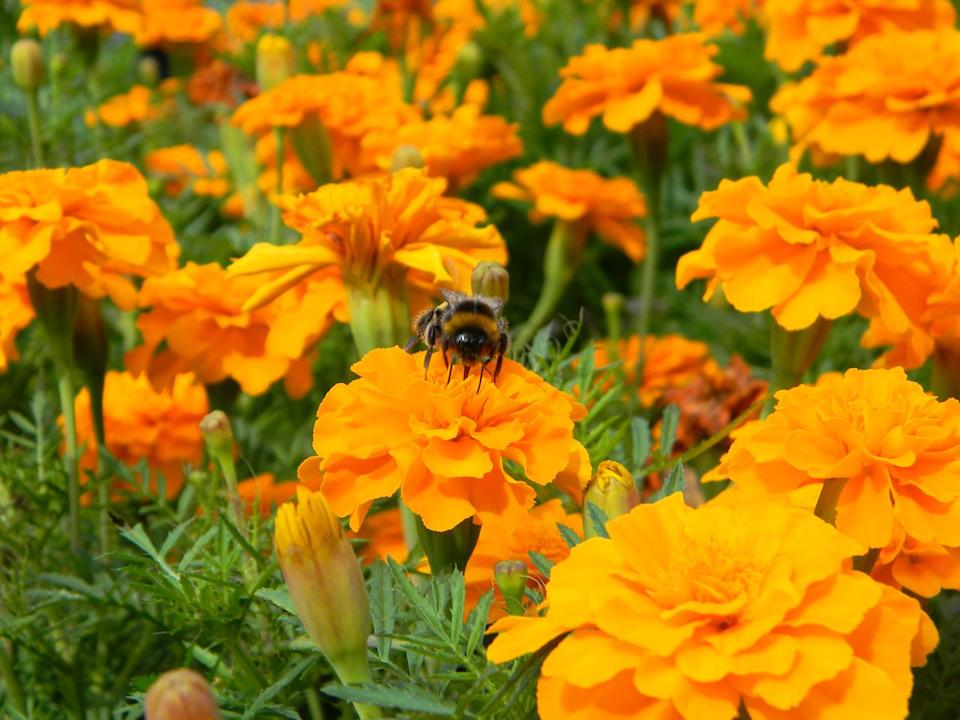
Credit: Lex20 / iStock / Getty Images
Marigolds are commonly grown for their pest-repelling properties, but these plants are even better at attracting hoverflies and other beneficial bugs. Not to mention, marigolds add a pop of color to veggie gardens and grow well in pots or larger beds.
07 of 15
Tomatoes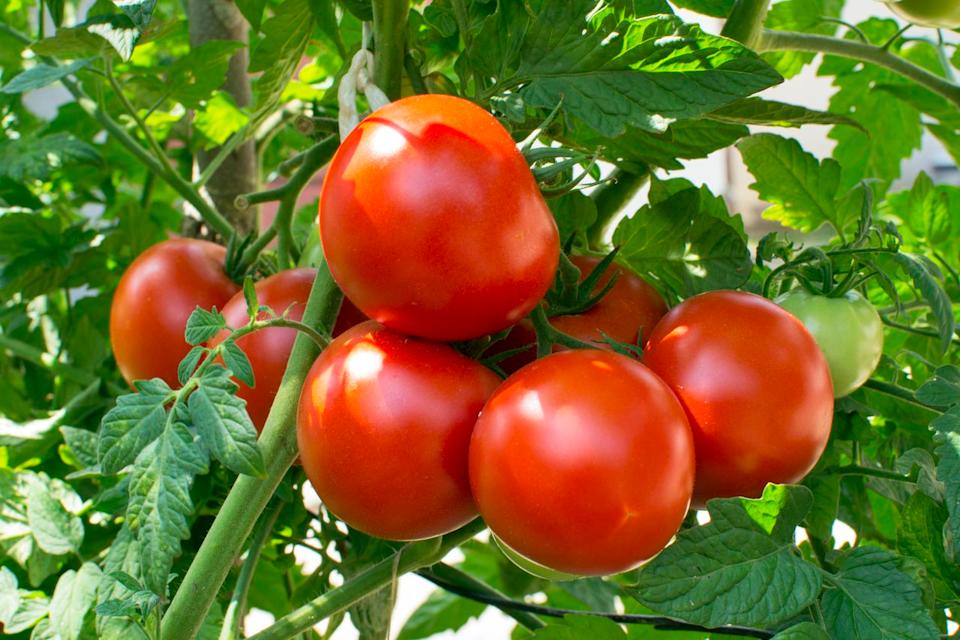
Credit: Helios4Eos / Getty
Spinach doesn’t tolerate hot weather, bolting as soon as temperatures rise in summer. But if you succession plant spinach with heat-tolerant tomatoes you can get more veggies out of your garden, and your soil won’t sit empty.
08 of 15
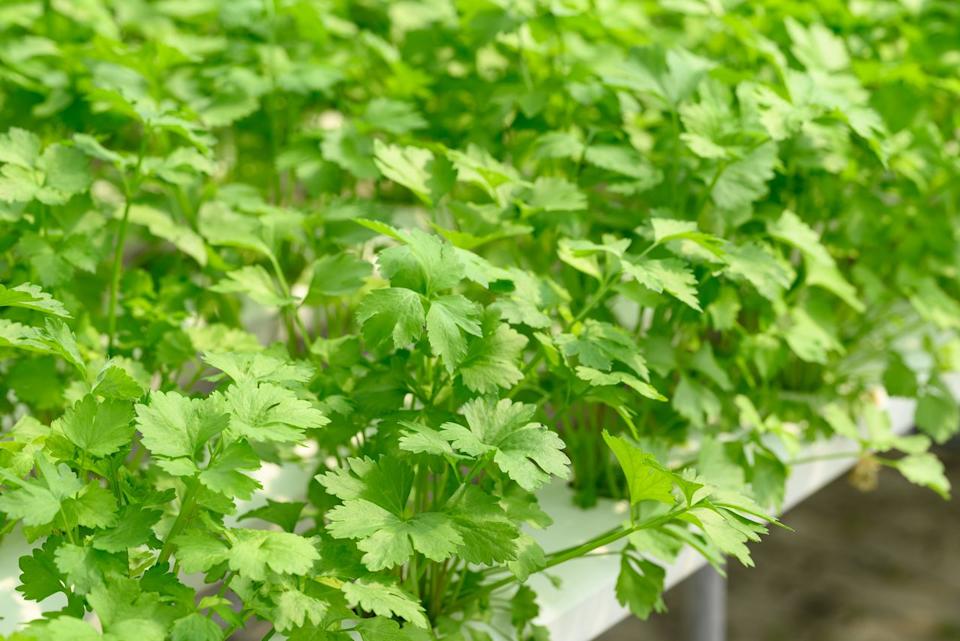
Credit: Nungning20 / Getty Images
Cilantro has similar growing needs to spinach and it craves cool weather and regular watering. Although spinach and cilantro both bolt in summer, you can plant a second crop of spinach and cilantro in late summer and harvest these cold hardy crops into fall.
09 of 15

Credit: Nadya So / Getty Images
Another pest-repelling flower, nasturtiums distract aphids and whiteflies, and attract predatory insects that feed on garden plants. Mounding nasturtiums are usually best for companion planting, while trailing nasturtiums may crowd out spinach.
10 of 15
Brassicas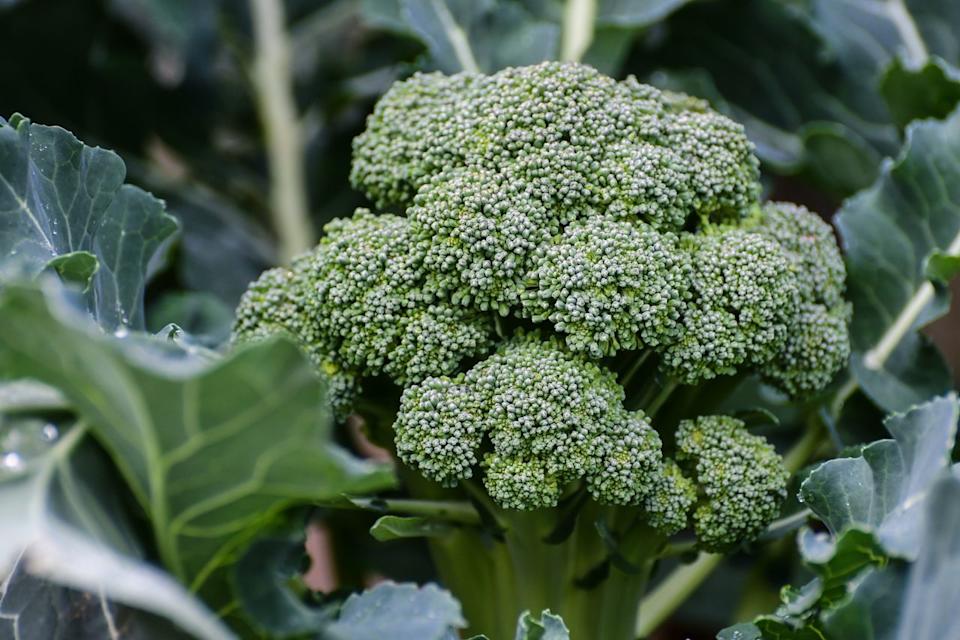
Credit: Barbara Rich / Getty Images
Cauliflower, broccoli, Brussels sprouts, radishes, and kale are just a few brassica plants that grow well with spinach. Brassicas all thrive in cool weather and moist, rich soil and they’re commonly grown under row covers, which can keep pests away from spinach plants, too, making them great companions.
11 of 15
Credit: RuudMorijn / Getty Images
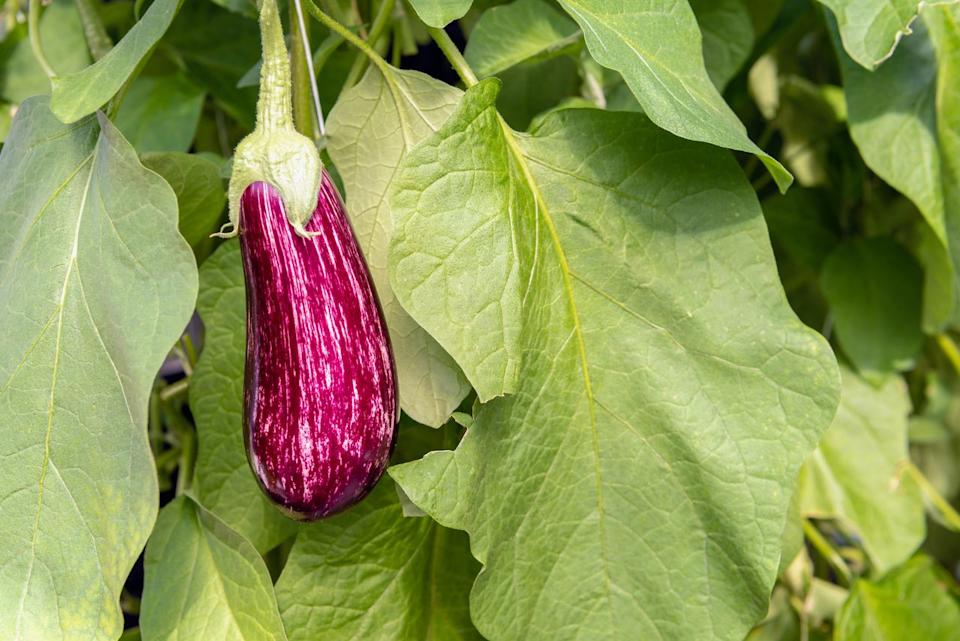
As with tomatoes, eggplants do most of their growing in summer and they can be succession planted with spinach to boost garden yields. Planting spinach under taller eggplants should also provide spinach with light shade and delay bolting.
12 of 15
Credit: Jasenka Arbanas / Getty Images
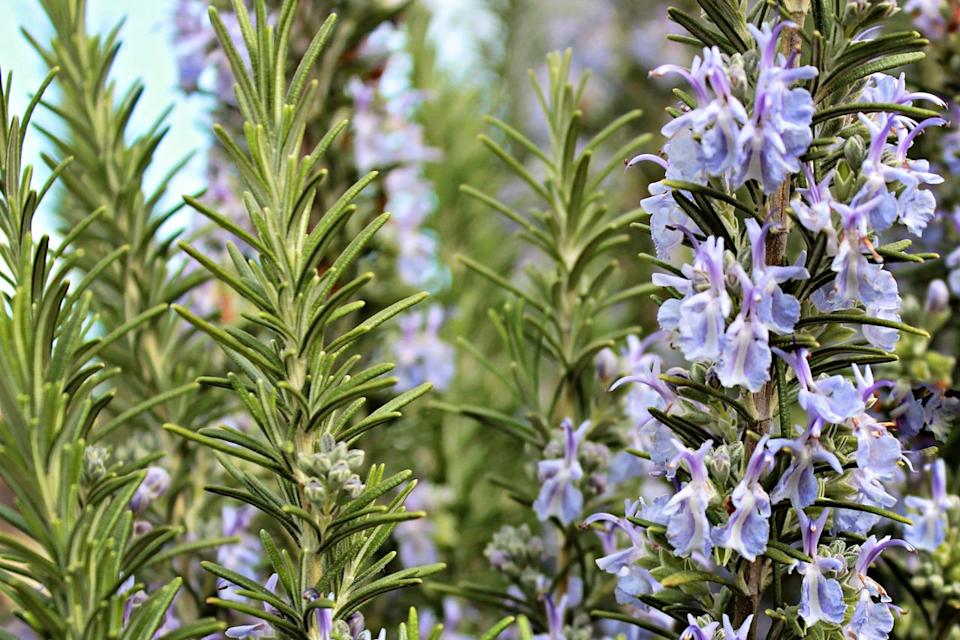
Slugs and other garden pests hate the scent of rosemary, and growing this fragrant herb near spinach can shield its leaves from pests. However, rosemary prefers drier soil than spinach, so you may want to grow it in pots near your veggie beds.
13 of 15
Credit: Kodiak Greenwood / Getty Images
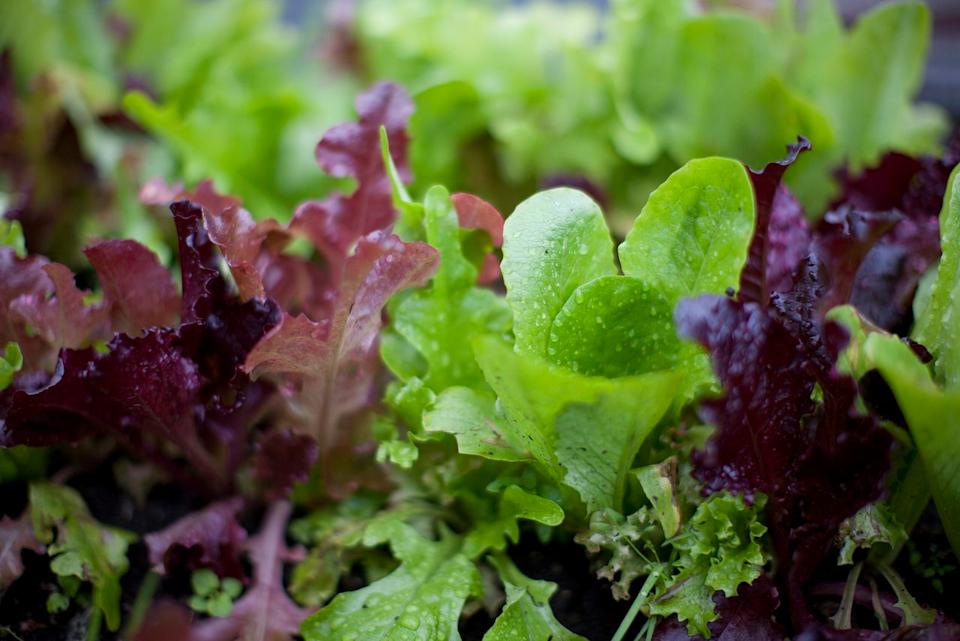
Most lettuce varieties grow best in cool weather and they have similar needs to spinach. Growing these two plants together is an easy way to add more color to your garden and get a mix of tasty greens for fresh salads.
14 of 15
Credit: Oxana Medvedeva / Getty Images
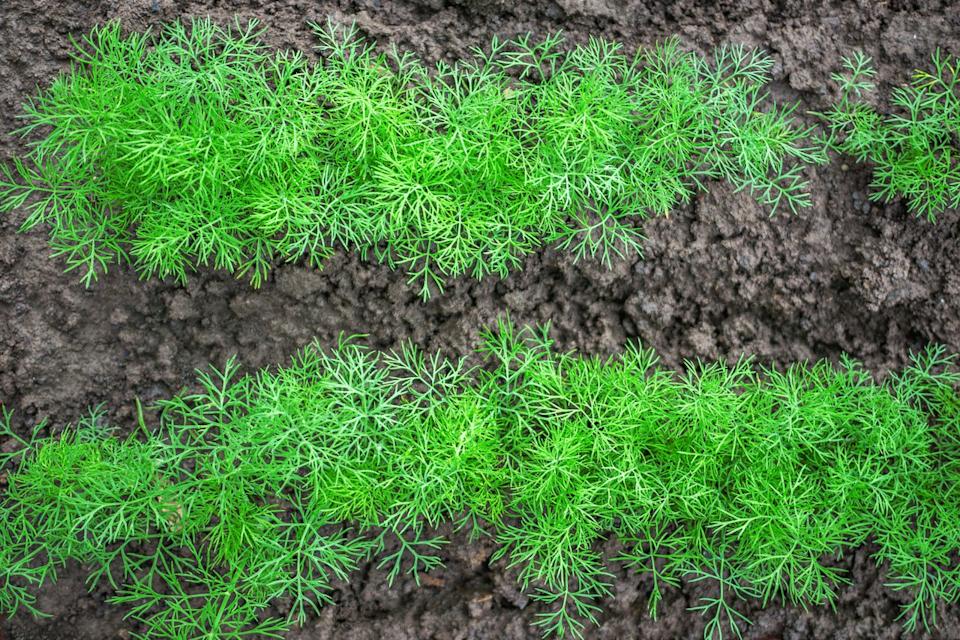
Dill prefers cooler weather and it’s usually planted in spring or fall, just like spinach. Dill plants also loves moist soil and they’re light feeders that won’t compete with spinach for nutrients.
15 of 15

Credit: The Spruce / LetÃcia Almeida
If you want to bring more color and beneficial insects to your garden, try planting cosmos near spinach. Cosmos are highly attractive to pollinators, as well as predatory insects like lacewings and parasitic wasps.
5 Plants to Avoid Growing Near Spinach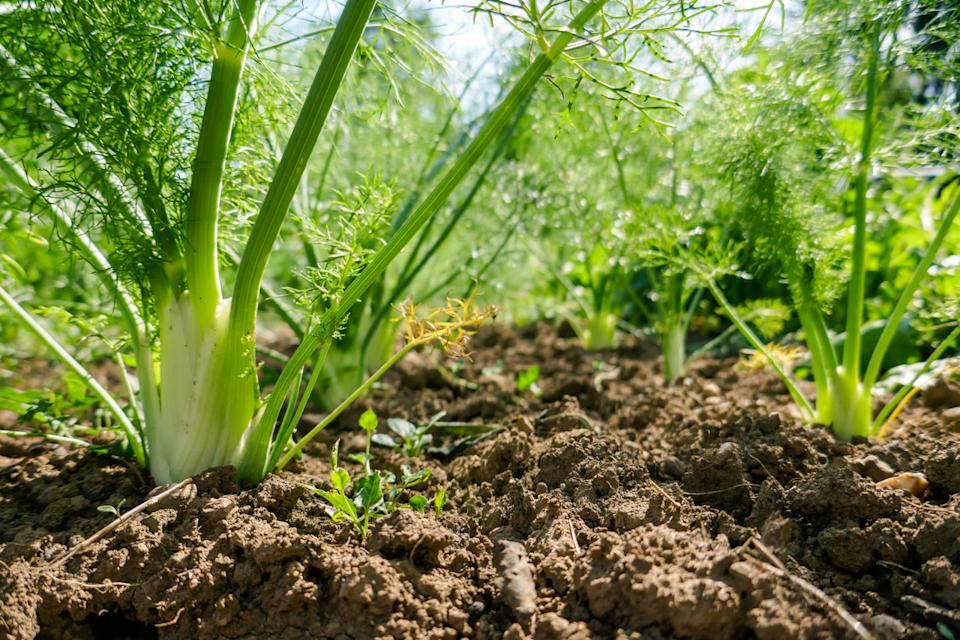
Credit: Photographer / Getty Images
Spinach grows well with most edible plants and it’s a top choice for succession planting. However, the following crops shouldn’t be planted near spinach if you want spinach crops to thrive.
Mint is infamously competitive and it can drown out slower growing spinach.
Corn is a tall plant that demands a lot of nutrients, and it’s likely to outcompete and overshadow spinach.
Potatoes are heavy feeders that commonly steal nutrients from spinach and other crops.
Fennel releases allelopathic compounds into the soil, which may reduce the growth of neighboring plants.
Sunflowers are also allelopathic plants that can inhibit spinach growth.
Read the original article on The Spruce
Comments are closed.