
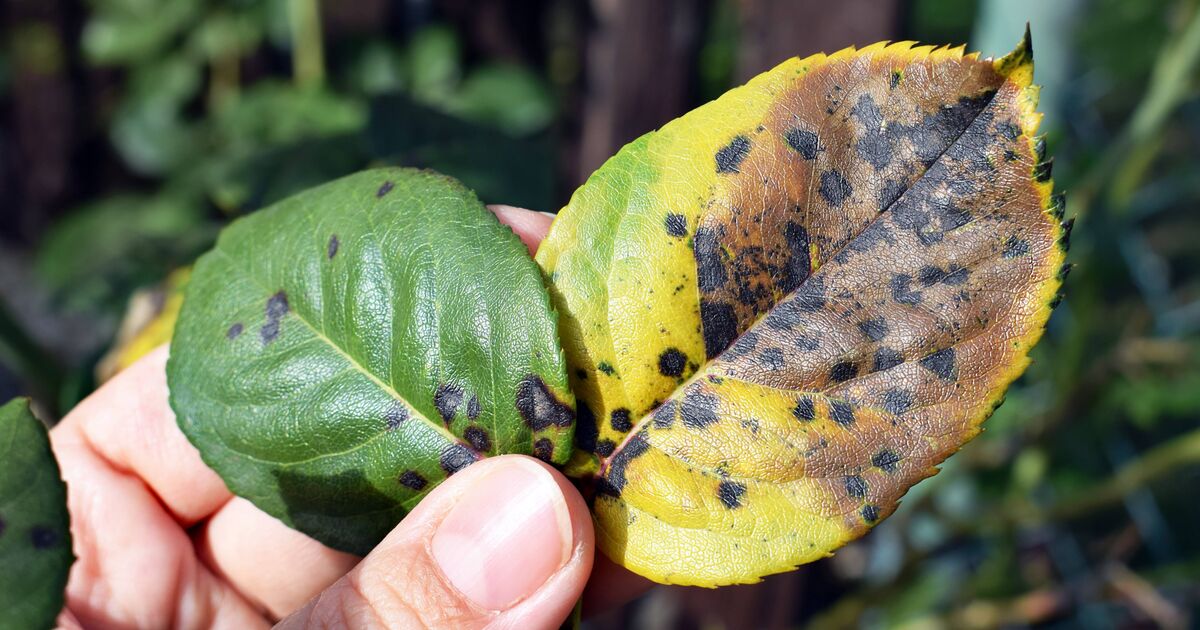
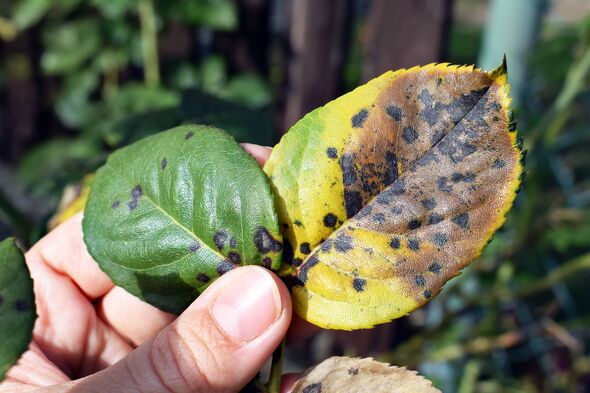
Roses won’t get black spot with this method (Image: matunka via Getty Images)
Roses sit at the centre of numerous British gardens, and to green-fingered homeowners, they’re a treasured asset. That’s why it can be so irritating to witness vibrant blooms lose their splendour to black spot disease.
Diplocarpon rosae is a widespread problem caused by the fungus that results in unsightly black spots on foliage, followed by yellowing and early drop. For many, it occurs annually, leaving the gardener feeling as though they don’t know how to address the matter. While chemical treatments and pruning methods have been widely recommended, one straightforward, natural approach is gaining traction online.
READ MORE: Drivers told not to underestimate impact of change coming in from Sunday
READ MORE: I used the new airport entry/exit system – summer will be chaos
It’s simple to implement, environmentally sound, and supported by an increasing number of home gardeners.
Sophie, who shares gardening advice under the username @lookinsidemygarden, disclosed a remarkably uncomplicated way to safeguard rose plants.
She said: “When the salvia warms up, they produce sulphur, which is a natural fungicide.”
According to Sophie, merely underplanting roses with salvia can protect them from the effects of black spot.
“Last year, all of my roses were underplanted with salvia, and I didn’t have any black spots,” she said.
Underplanting is the practice of positioning smaller plants, often low-growing perennials, beneath larger trees or shrubs.
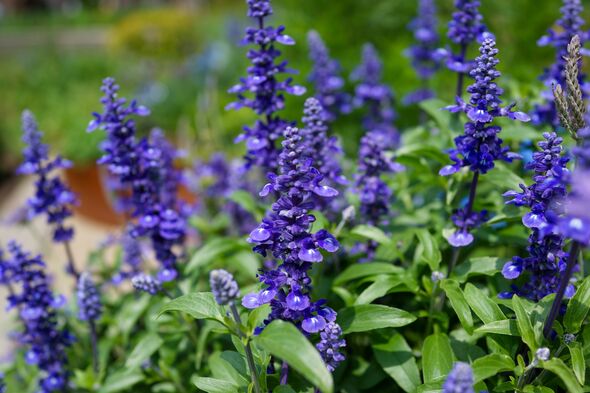
Planting salvia can prevent black spot (Image: wulingyun via Getty Images)
Not only is it effective, but salvia is also a resilient plant in its own right that appears attractive amongst other blooms.
Although many salvias will survive the winter, sometimes they don’t make it, but the good news is it’s really easy to take cuttings from salvia so that you will never be without them,” Sophie added.
These cuttings can be overwintered in a greenhouse, guaranteeing a year-round supply, and when spring comes, gardeners can easily propagate more, providing consistent protection for their roses.
Inquisitive followers requested further detail in the video’s comments, with one enquiring: “Does it matter which Salvia?” Sophie clarified: “It’s the greggii or microphylla.”
The gardening community responded enthusiastically, with one user declaring: “I may declare my everlasting love for this tip, or just say thank you.”
Another contributed: “I love roses, but whatever I try, two or three always have black spot. Probably have to wait for next year now, but thank you so much, in anticipation.”
Comments are closed.