
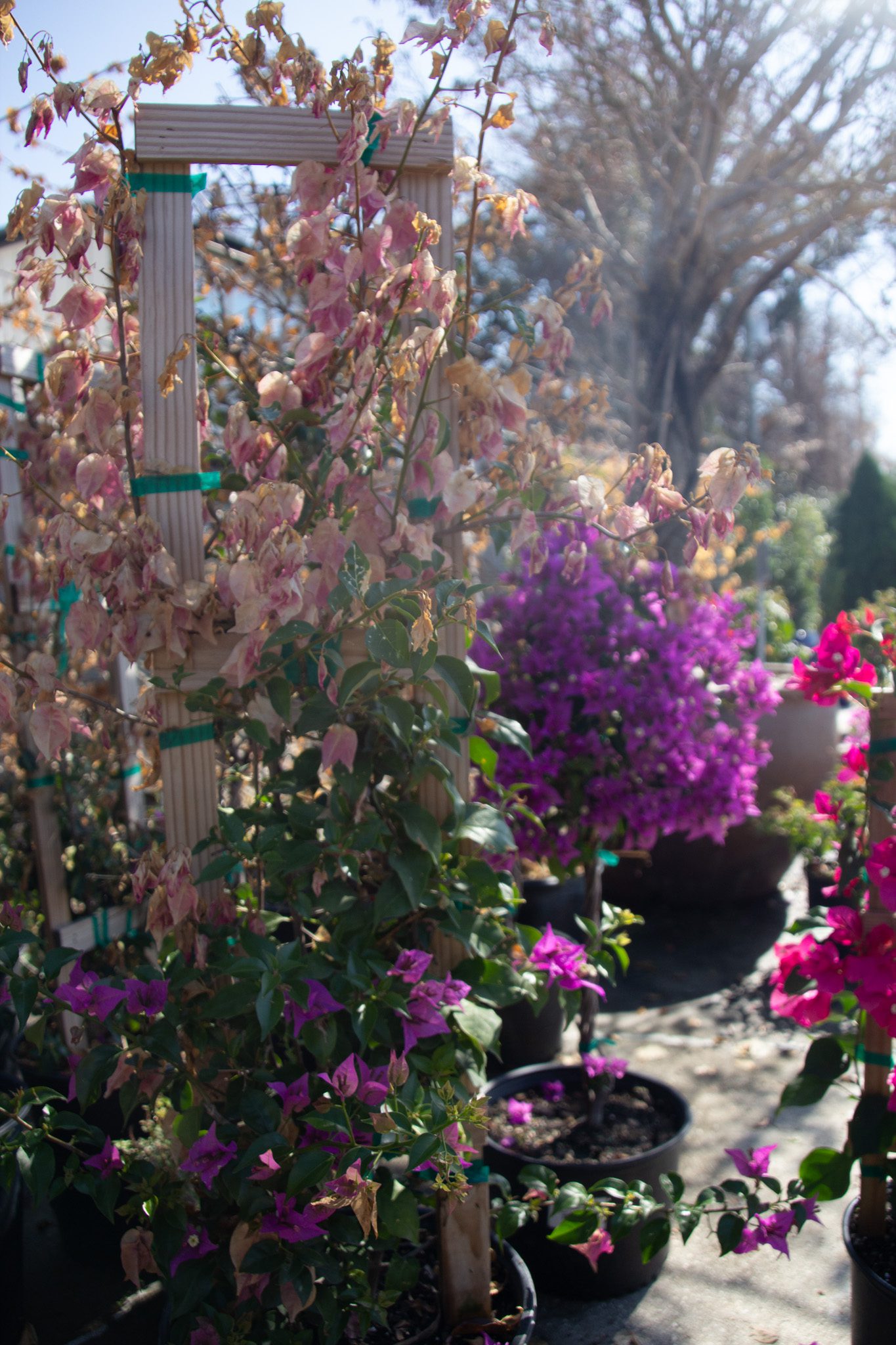
This past February, Central Florida faced record low temperatures. One area impacted by the icy climate was Florida’s greenery. Now that Orlando is warming up, questions around what to do with plants affected by the freeze arise.
After speaking with Laura Cosgrove, owner and manager of Apenberry’s Gardens, and McKenzie Owen, the event coordinator, social media manager and a sales associate of Apenberry’s, The Community Paper can give you some answers.
Cosgrove pointed out that it wasn’t just the fact that it was cold, but that it stayed cold for so long, that had a severe effect on the local plants. Thus, Cosgrove explained that it’s hard to know for sure which plants were significantly impacted.
According to Cosgrove, the flora’s individual characteristics, along with the level of protection from and exposure to cold weather, are among the significant factors to consider. However, as plants begin to grow back with the spring weather, you can start to tell how your plants might fare.
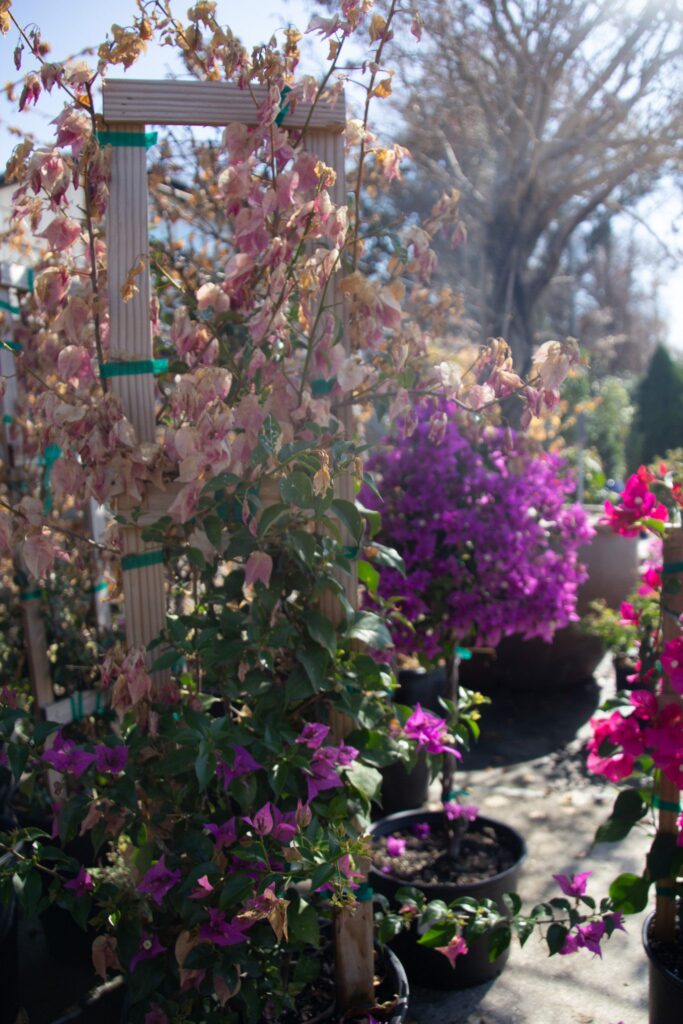
According to Cosgrove, it can take some time to know if plants survived the freeze. “It might be a few more weeks, might be a month or more,” Cosgrove said. (MINAAL ARAIN)
“Start doing individual assessments of your plant, and it starts with doing a little scratch on the bark to see if there’s something green underneath it, and if it’s green, that’s a good sign,” Cosgrove said. “Keep going up higher until you don’t see green, and when it’s brown or breaks off, that’s where the part of the plant’s dead.”
How brown the stem or bark of the plant is will determine how long it will take for your plant to regrow, Cosgrove said. The closer the browning is to the ground, the more likely your plant is to start over as a new plant, requiring more time to grow, she added.
“If you don’t see any new leaves certainly by end of March, mid-April, then it may not be able to come back,” Cosgrove said.
To foster new growth, Cosgrove and Owen recommend treating the plant as usual, mostly leaving it alone. They also offered these tips:
Use organic fertilizers.
Water the plants as you typically would.
Ensure your plants get good sunlight exposure.
Check for any pests in your garden or fungus on your plants.
“It’s already gone through a big shock,” Owen said. “Plants are very delicate, some of them more so than others, but just moving them or cutting them back can send a type of shock, and usually that shock is not a big deal, but after this previous shock, it could have worse results than you were hoping to have.”
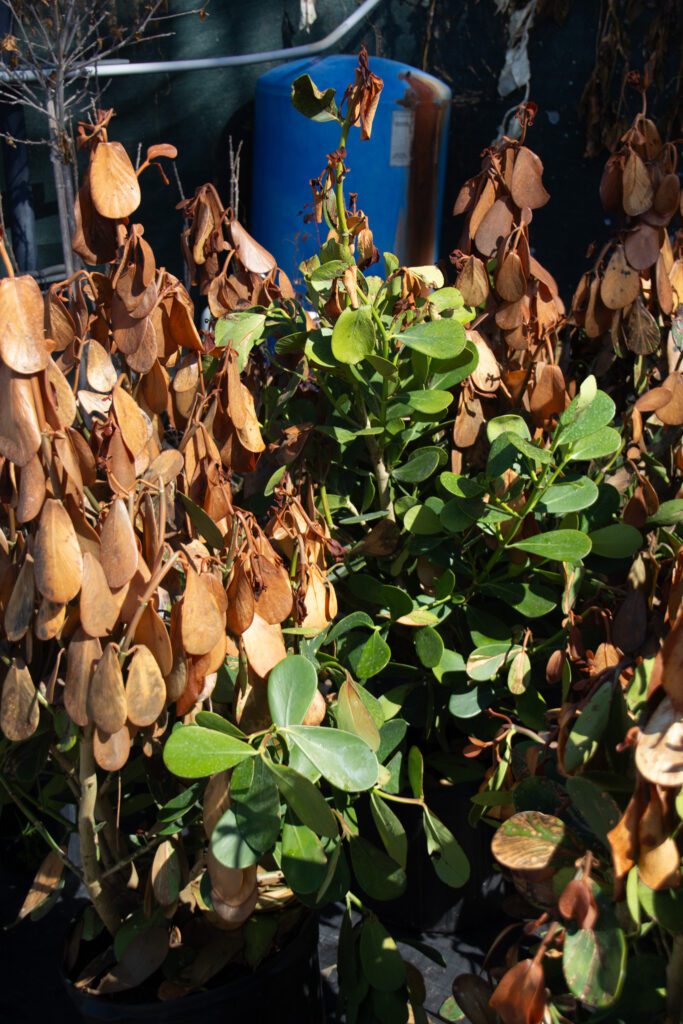
If your plant is brown, that doesn’t automatically mean it won’t grow back. As Cosgrove explained, it’s important to check how close to the ground the browning is. The further down the plant, the less likely to grow back. (MINAAL ARAIN).
That leads us to what plants aren’t expected to return. Some of the smaller plants or potted plants, such as begonias, aren’t likely to grow back, Cosgrove said.
Tropical plants, which are common in Florida, are also ones that you can visually tell were affected, Owen added.
For that tropical foliage, Owen mentioned there are some additional factors to keep in mind:
How long has that plant been in its location?
How long has it been established there?
How mature is the plant?
Moreover, Cosgrove mentioned it’s important to look at the plant as a whole. “If there’s no life to the plant, that they are softer, then that one’s probably not gonna come back,” Cosgrove said. Cosgrove also recommended replacing plants sooner rather than later if you want them to bloom immediately, as it will take time for them to regrow.
To properly dispose of dead plants, Cosgrove and Owen recommend either placing them in your normal community yard waste or composting certain parts. However, they mentioned that which pieces can be composted depends on the plant.
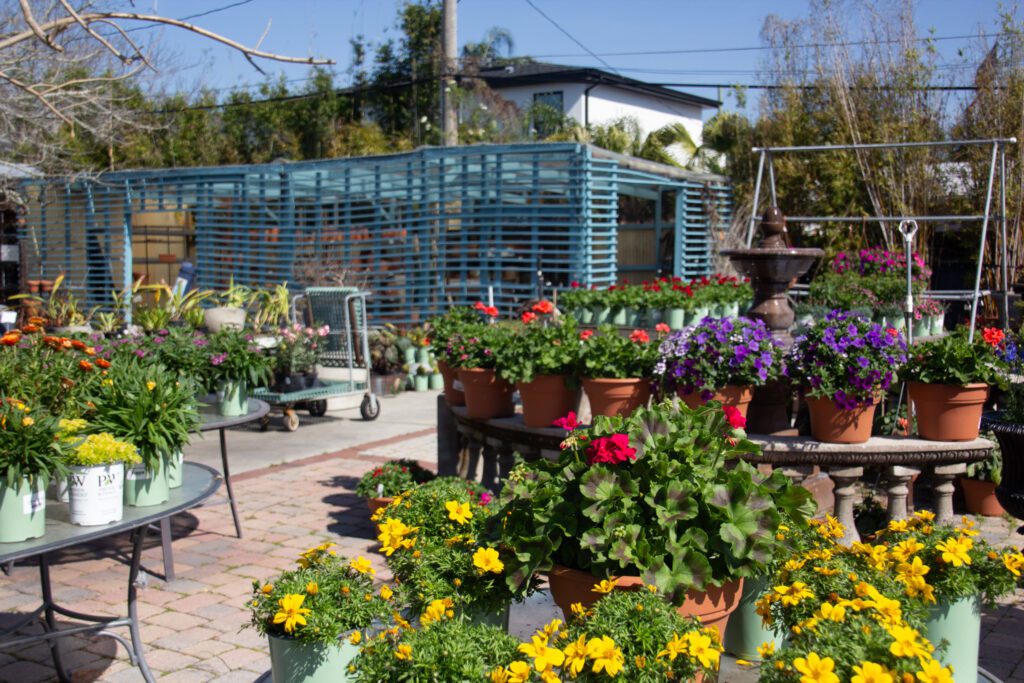
Using different resources, speaking to plant centers, and researching on your own are all good ways to ensure your plants will survive the different Florida seasons, Cosgrove and Owen said. (MINAAL ARAIN)
As cooler winter temperatures are becoming more normal for the Sunshine State, it might be worthwhile to consider which plants would do well both next winter and in the coming summer as you begin replacing plants.
Cosgrove and Owen suggested ways to figure this out:
“Take a look around and see which ones are looking their best right now, as far as what you can expect for if we have another freeze, and typically, those also have tolerated our summers as well,” Cosgrove said.
Comments are closed.