
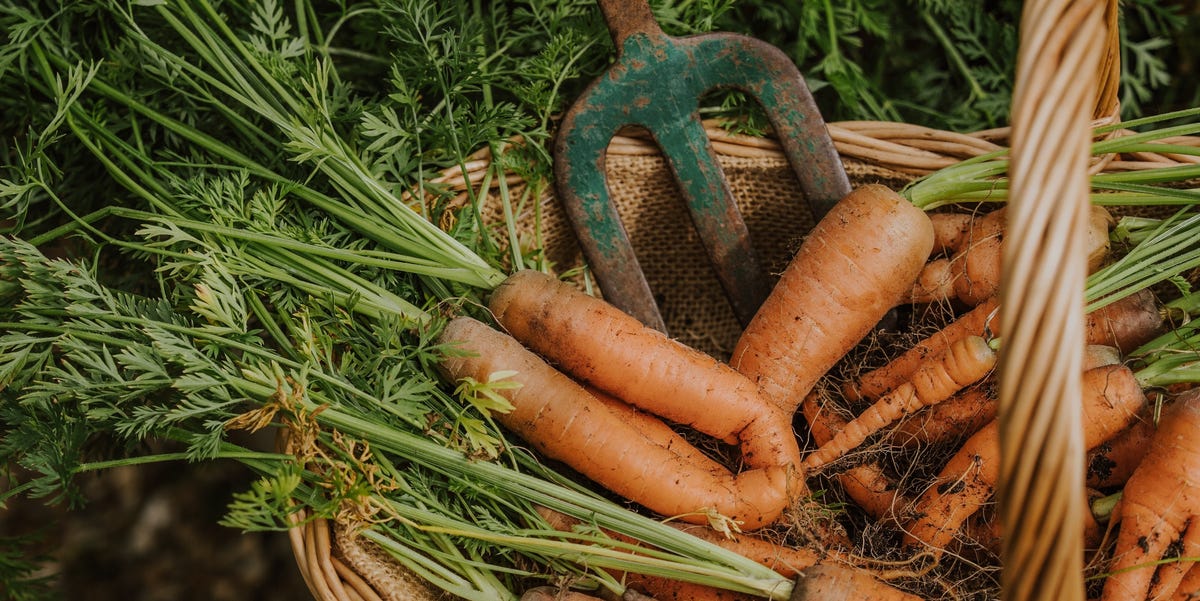
When April can seem to bring four seasons of weather in one day, it feels a bit optimistic to be thinking about summer food. And yet, this month is absolutely the time to turn your hand to the vegetable garden and think about what will whet your appetite later this year.
While some things I’ll try once, or maybe grow only one in every three or four years, carrots are an absolute stalwart of the smallholding. And, if I play my cards right, I can enjoy chomping my way through bunches from May through to Christmas.
Find the right plot
The first thing to say about carrots is that they don’t like being transplanted. Sow your seeds and leave them to it. They’re wonderfully forgiving plants and will tolerate most soils, but don’t like their roots being disturbed. I grow mine in my raised beds, away from nibbly pests or greedy chickens, but you can raise a respectable crop in a container or a corner of the garden.
Depth, rather than surface area, is key. Most carrots need around 30cm of soil to really let their roots stretch out but if you’re growing in a shallow spot or a windowbox, you can find stumpy or globe-shaped varieties that only need around 20cm depth of soil. Carrots also love the sun – a growing spot anywhere between full sun and partial shade is perfect.
Prep the soil before you start
An amusingly shaped carrot always makes me chuckle, but having to harvest an entire crop of forked types is a pain (especially when it comes to cleaning and peeling your vegetables), so the best way to avoid this is to make sure your soil isn’t full of stones or lumps of clay. And don’t pile on lots of manure or fertiliser, which can make the carrots grow side shoots.
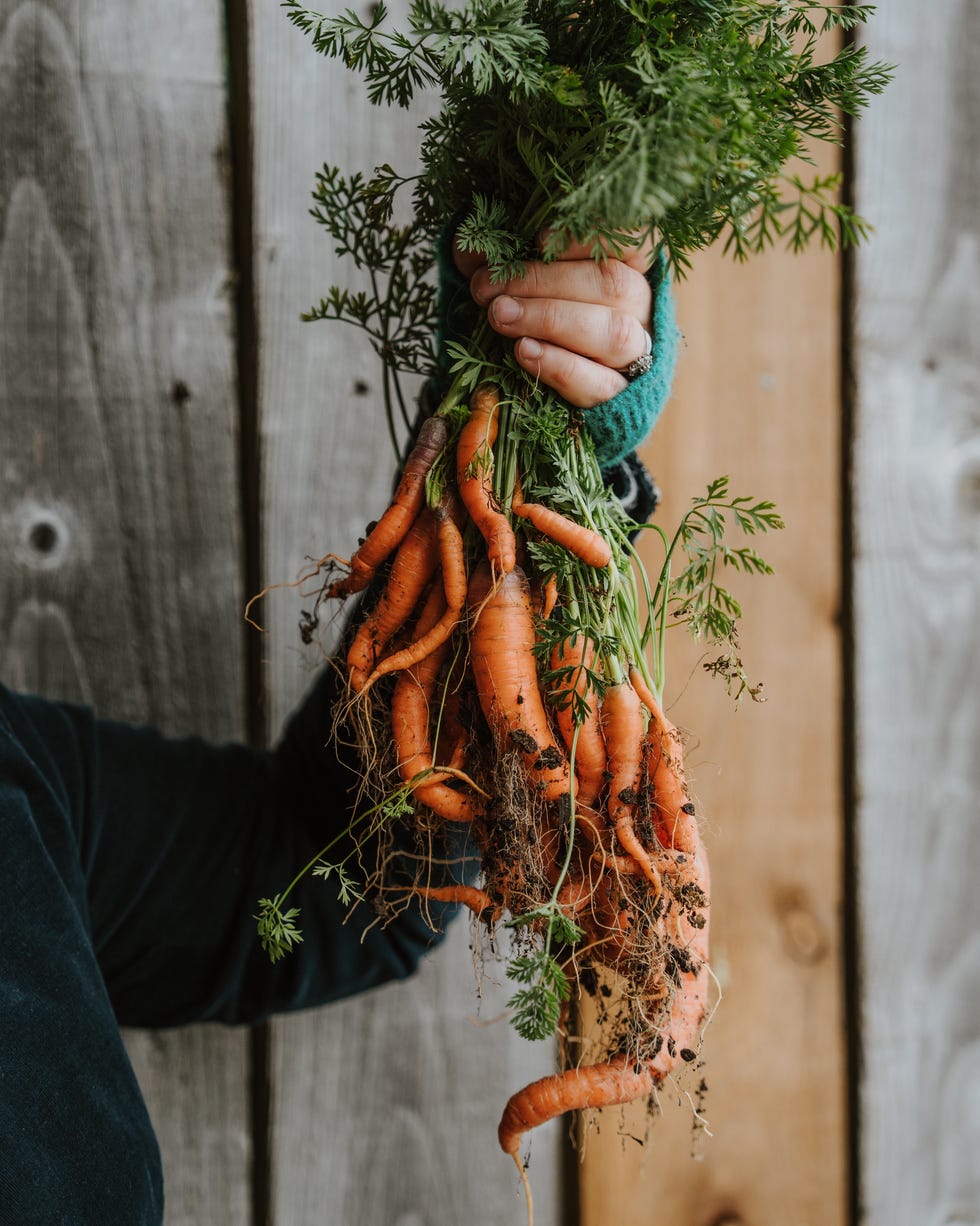
 When and how to sow carrot seeds
From late March onwards, I sow carrot seeds every four weeks to keep up a steady supply. Different varieties have been bred to go in the ground at different times of the year: in April, look for early- or mid-spring-sown varieties. Allotment favourites such as ‘Early Nantes’, ‘Early Scarlet Horn’ and ‘Chantenay’ are pretty much bulletproof, while golf ball-shaped carrots, such as ‘Paris Market Atlas’ or ‘Parabell’, thrive from early spring onwards.
I simply make rows in the soil, pushing the handle of my trowel into the tilth about an inch, before sprinkling in the seeds with my fingertips. The seeds are tiny and fiddly, but if you can aim for about one seed per centimetre, that’s perfect. Cover them over with a sprinkle of soil and, if it’s been a dry week, give them a water. I usually find in April, however, that Yorkshire is reliably soggy and nothing needs extra watering.
I keep rows fairly close together, so I can pack in lots of carrots. Most manuals will tell you to space them 30cm apart, but I’ve found 15cm is plenty (especially as I like pulling up mine when they’re smaller and sweeter). I also like to plant my carrots next to members of the allium family: leeks, onions, garlic and chives. Like Superman’s kryptonite, their onion smell fends off the dreaded carrot fly.
I’m not a fussy gardener. I don’t thin out carrots (which you do to make space to grow fewer, larger carrots). I don’t really see the point and, anyway, it releases chemicals into the air that attract the carrot fly. A win for laziness if ever there was one.
I am no slouch, however, when it comes to scoffing carrots. If you sow in early April, you should be chomping down on them by early June. Keep sowing every few weeks, changing varieties with the seasons, and you’ll still be picking veg well into December. I find that spring and summer carrots are best eaten raw, or slightly steamed, while autumn and winter-ripening carrots, which are slightly less sweet, make excellent roasters.
Four quirky carrot varieties to grow
Container carrots: Paris Market Round
These ball-shaped carrots are ideal for windowboxes; even the smallest spaces can grow something worthwhile.
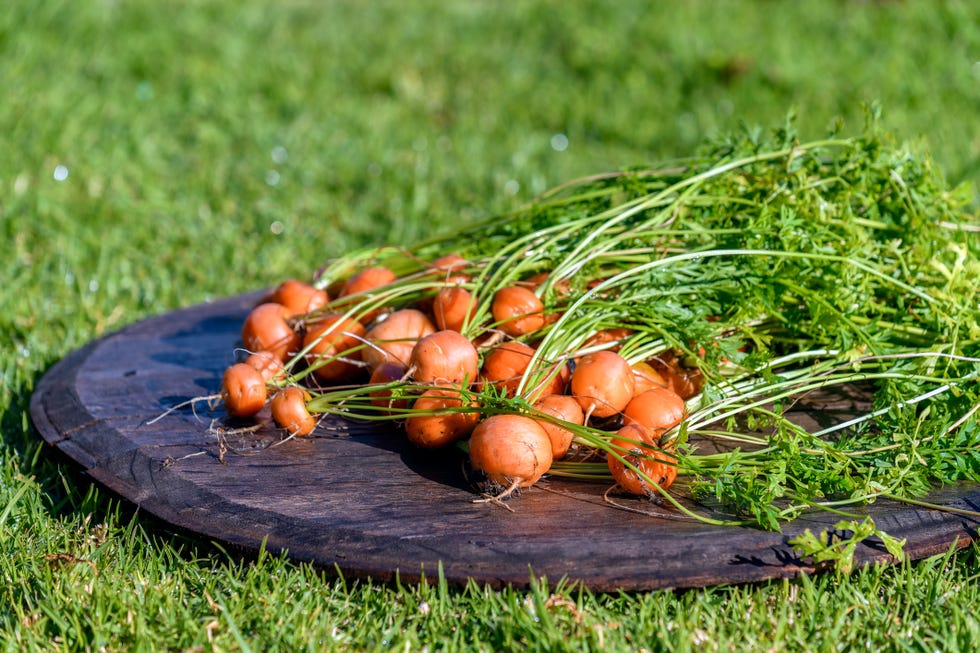
moisseyev//Getty Images
BUY NOW
Colour-change carrots: Atomic Red
This striking heritage variety is dark orange when you harvest it, becoming a brighter, richer red as it cooks.
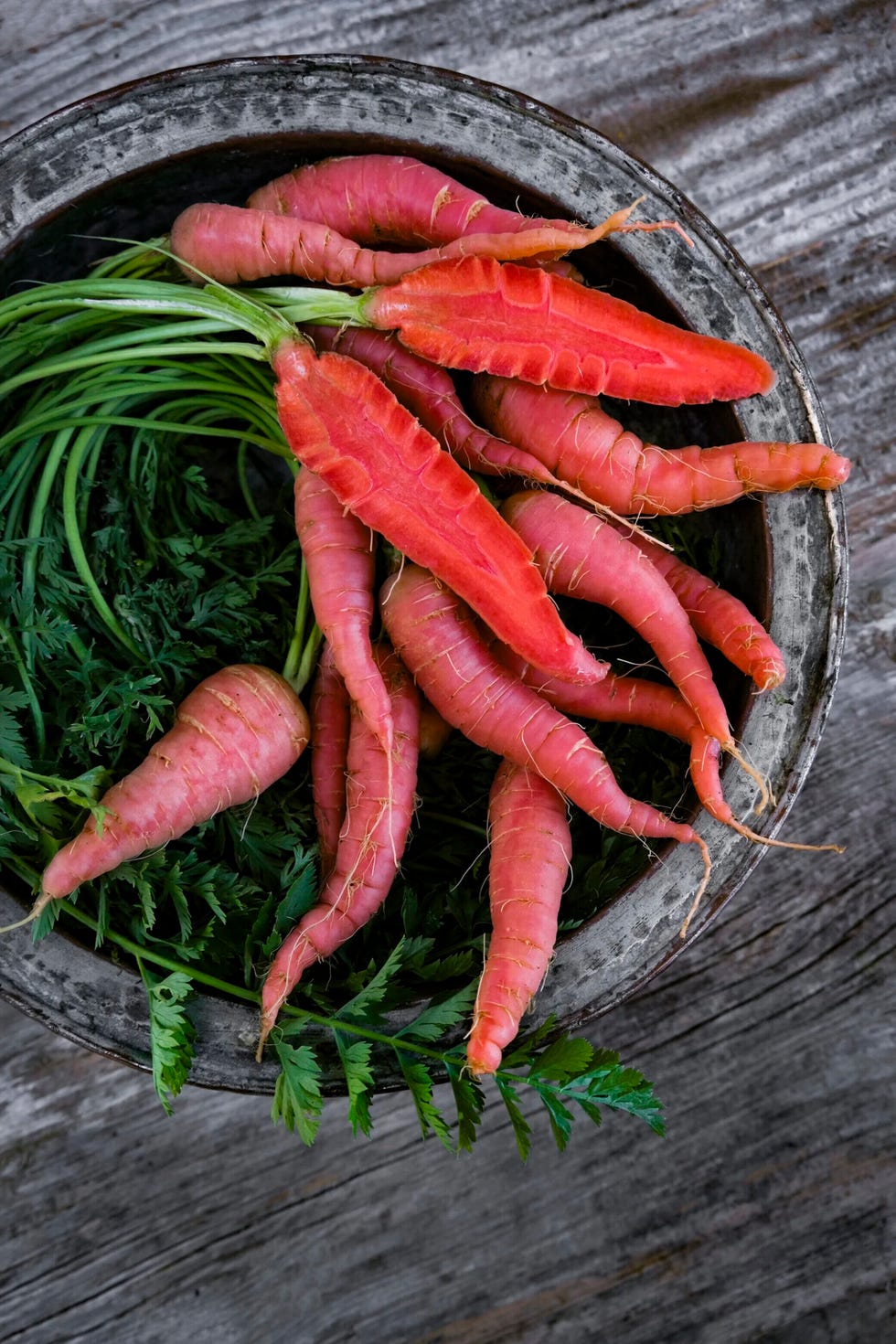
Atomic red carrot seeds, She Grows Veg
Winter carrots: Volcano
A stalwart of the veg patch in the colder months, this variety is ready to pull from October through to early spring.
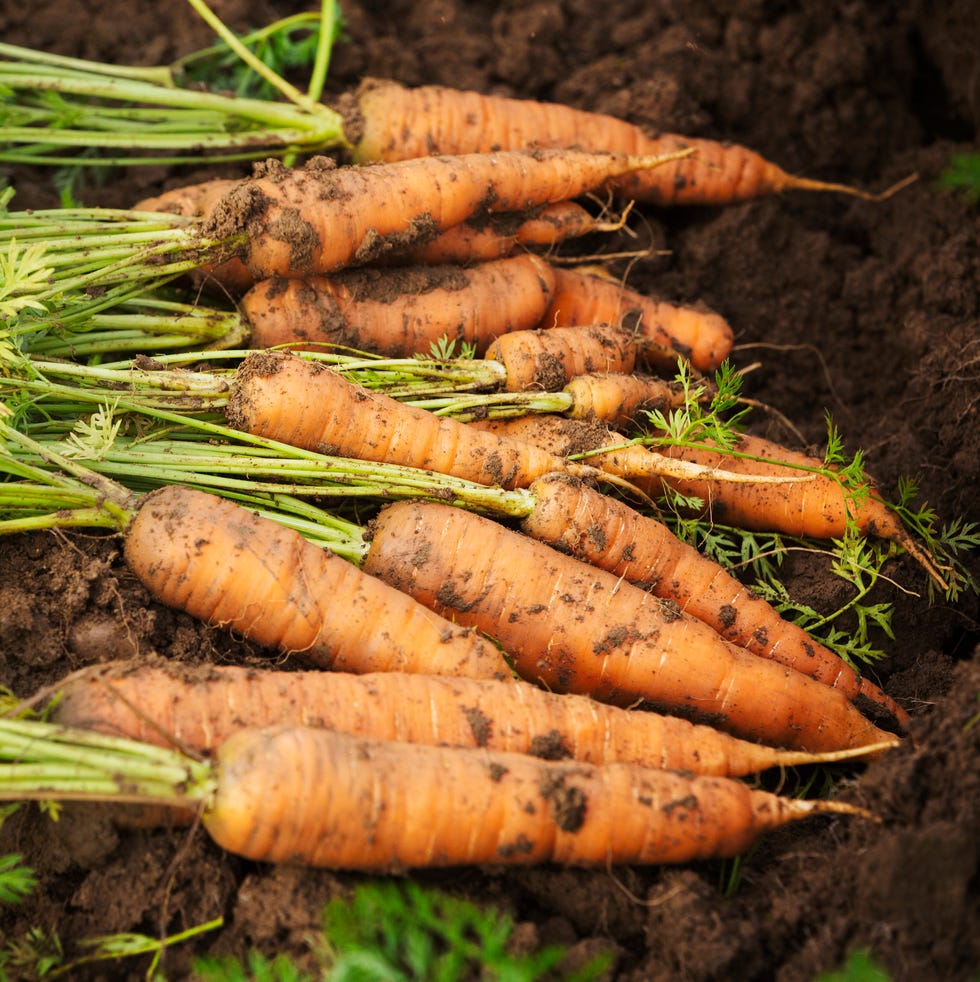
Photo Getty Images; Mint Images//Getty Images
BUY NOW
Vibrant carrots: Purple sun
A carrot that’s as good to eat as it is to look at. Sweet and vivid to the core, it can be enjoyed well into November.
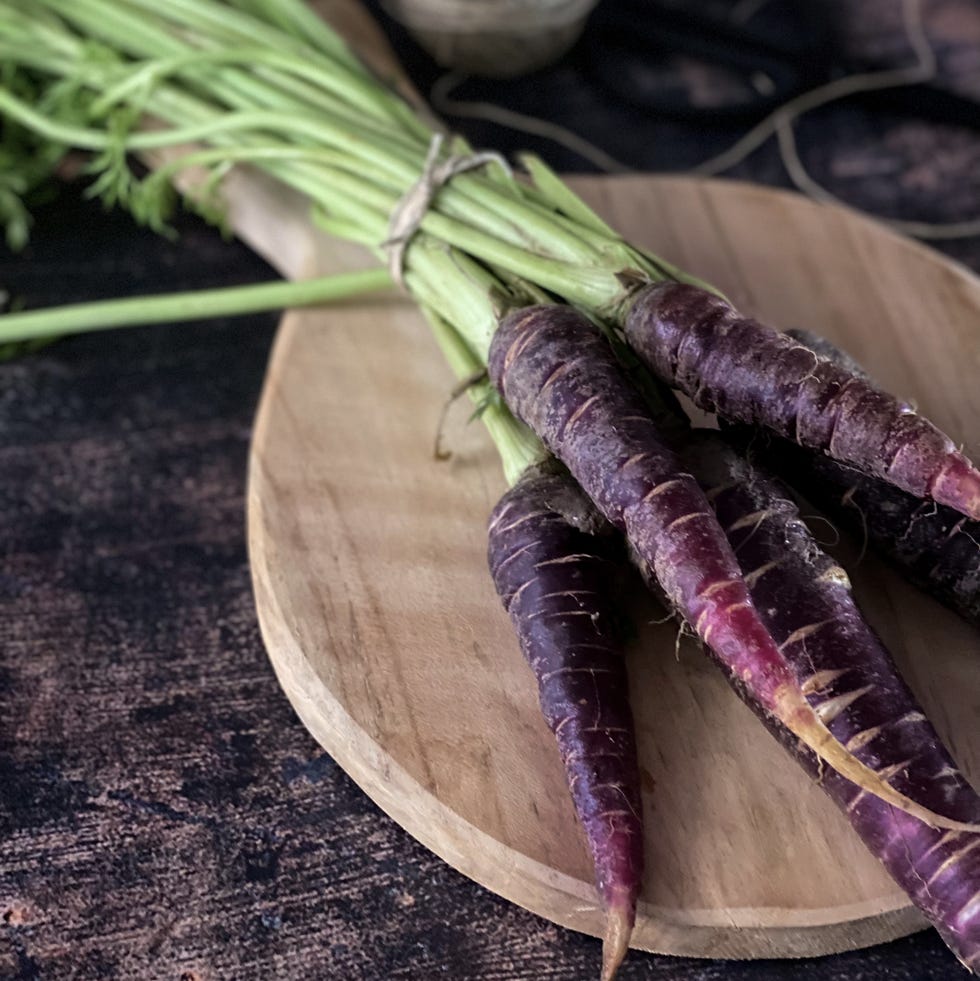
Photo Getty Images; Ines Fraile//Getty Images
BUY NOW
Go for colour
And don’t forget to try different colours. Carrots, which were first cultivated at least 1,000 years ago in the region that now covers Iran and Afghanistan, were originally purple. They were grown as much for their seeds and carrot-top leaves (which taste like a cross between parsley and slightly bitter carrot) as for their roots.
Red, yellow and, finally, orange varieties slowly emerged over the centuries, and the humble carrot probably didn’t reach British shores until around the 17th century.
It’s funny to think that this icon of the English vegetable plot is about as exotic a vegetable as you could wish for. Sow a packet of mixed-coloured carrot seeds and you’re tapping into thousands of years of horticultural history.
See more from Sally’s smallholding by watching our video series with Sally here and on Country Living’s YouTube channel.
Gardening must-haves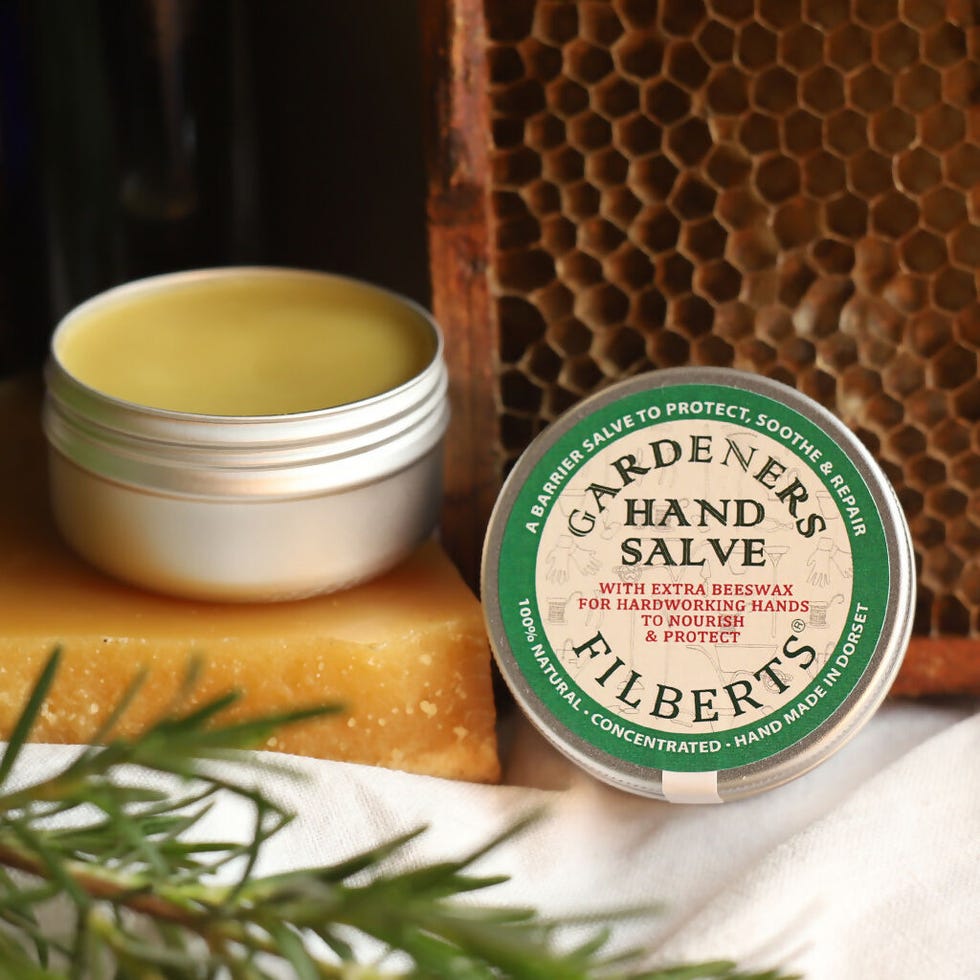 Filberts of Dorset Gardeners Hand Salve
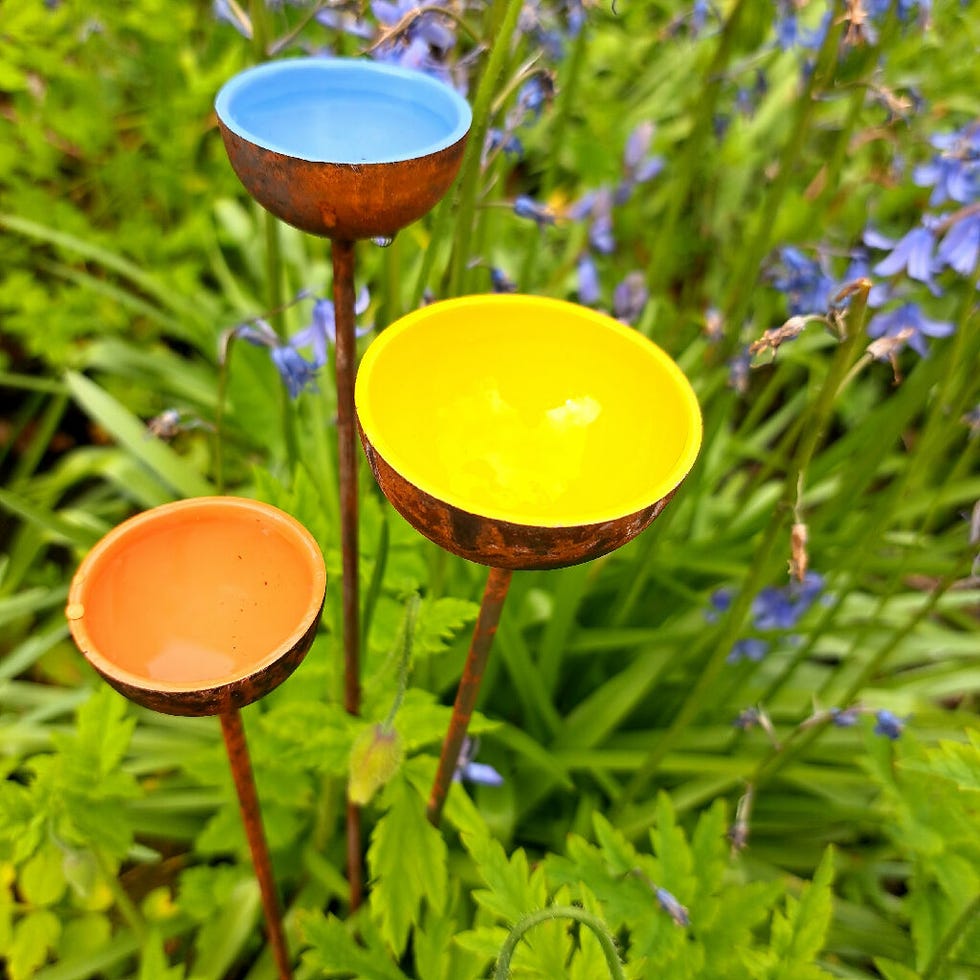 Haywards Garden Bee and Butterfly Water Stations, Garden Décor, set of three colourful bee water cups .
Now 17% Off
 Home Sussex Handmade Peg Apron
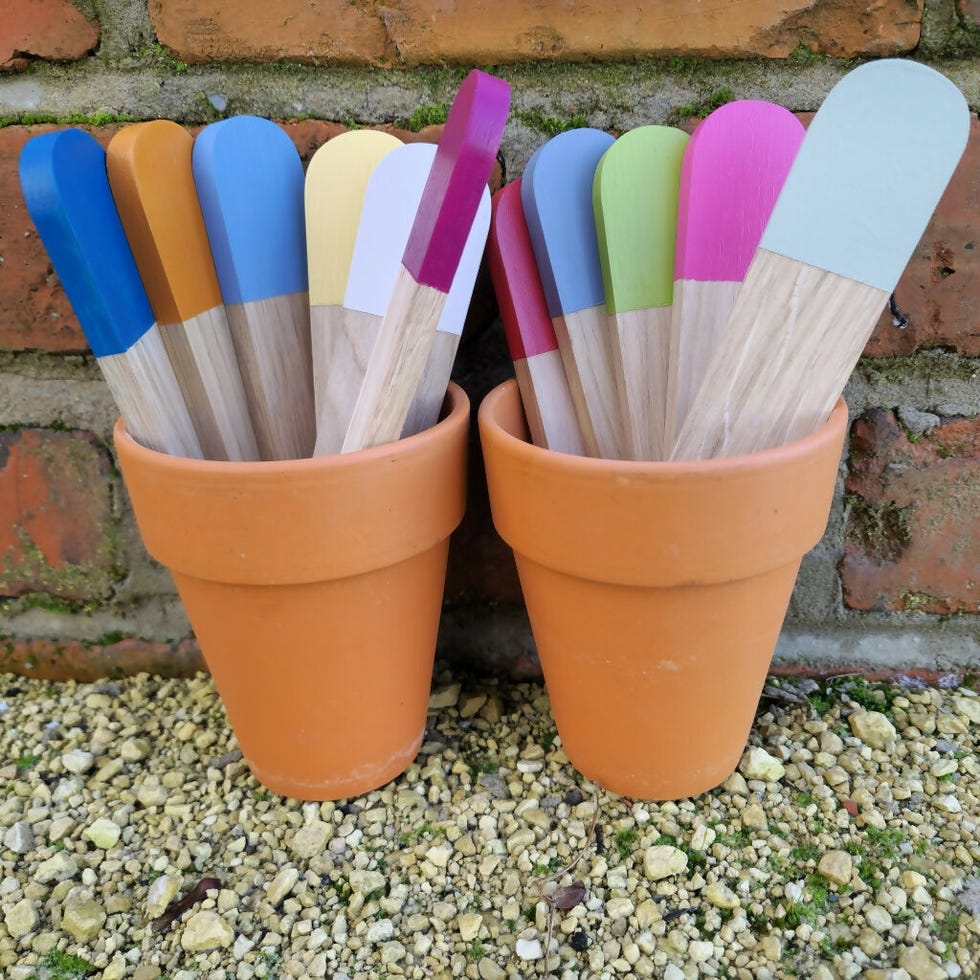 Painted Garden Label/Marker
 The Fae Potter Wild Bird Feeder ceramic hanging
 WhinnyPoo WhinnyPoo Box of 3 Plant Feed
I’m a smallholder, Country Living columnist and expert in rural living, residing in North Yorkshire.
Comments are closed.