
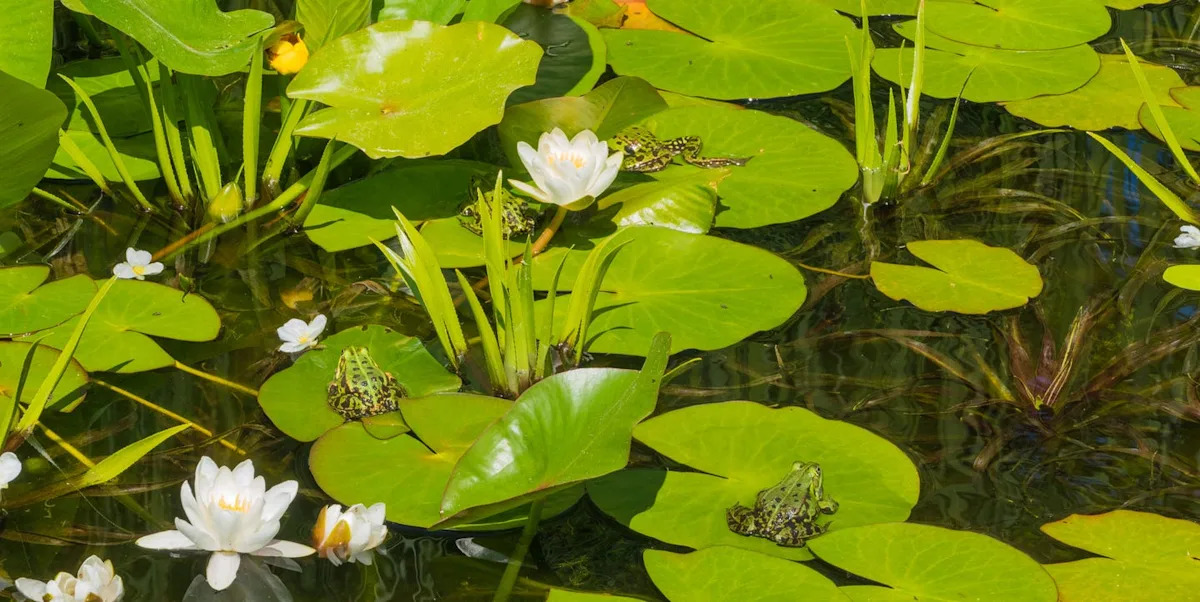
Frogs, tadpoles and a host of other amphibians – affectionately known as ‘pollywiggles’ in Norfolk – are set to take centre stage at the county’s first RHS Flower Show.
The Pollywiggle Garden, designed by Norfolk-based duo Joe and Laura Carey, draws inspiration from the restoration of north Norfolk’s rare pingo pools (small, shallow ponds formed by the melting of underground ice mounds) and the successful reintroduction of the endangered northern pool frog.
The benefits of pollwiggle gardens
Ask any gardener which pest causes them the most problems and you’re likely to get one answer: slugs. So what better way to deal with slugs than to encourage things that like to eat them into your garden? In this case, frogs.
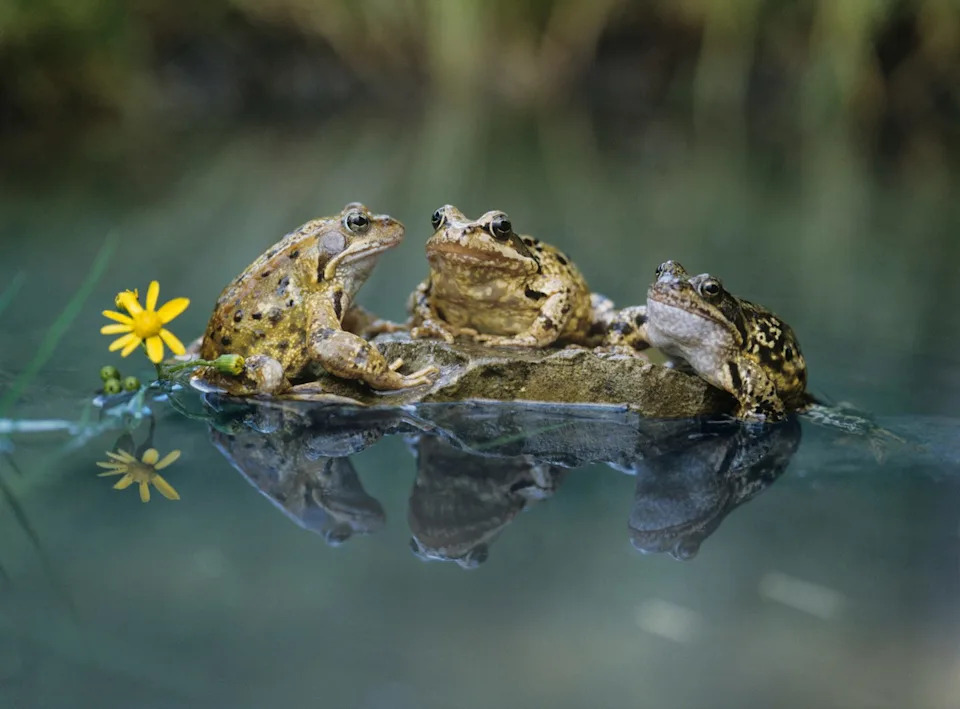
Britain’s rarest frog, once thought to be extinct due to habitat loss, has made a comeback in recent years with reintroduction efforts and the restoration of Norfolk’s pingo pools. These unique pools, formed at the end of the ice age, provide wetland habitats rich in biodiversity but have also been threatened by water extraction and expanding farmland.
moodboard – Getty Images
In the face of climate change and habitat loss, the RHS Pollywiggle Garden – set to appear at the RHS Sandringham Flower Show 2026 – is full of ideas on how gardeners can help create more spaces where water-loving wildlife can thrive in hot weather.
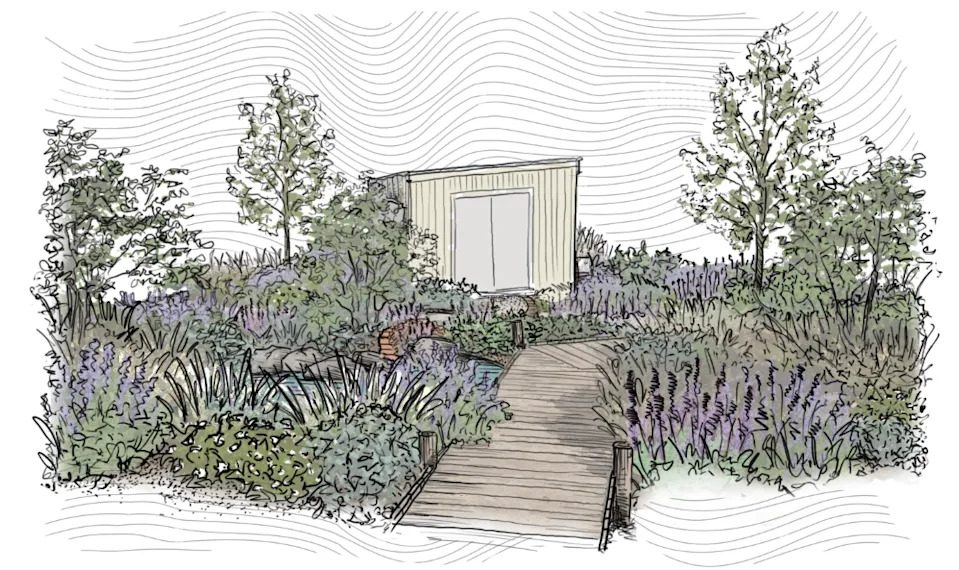
Lush, naturalistic planting scattered with moisture-loving trees, grasses and perennials surrounds a beautifully formed pond, creating habitat for tadpoles, frogs, and newts whilst still maintaining a carefully curated garden.
Joe and Laura Carey said, “This is a garden close to our hearts. We’ve so enjoyed seeing our own children out in nature spotting frogs, so we wanted to create a garden that inspires people to protect these often-overlooked creatures with a design that demonstrates that eco-gardens can still be aesthetically pleasing.
“The garden is packed with ideas for gardeners to try at home to create spaces that support our local wildlife while still being attractive spaces for us to enjoy.”
Courtesy of RHS
Sarah Wilson-Frost, RHS Horticulturist, said: “Water is such a precious commodity in our gardens with some areas of the UK having lost nearly 90% of their wetlands, which has had a real detrimental effect on wildlife.
“We, as a nation of gardeners, have the ability to help out our amphibian life. Even including just a small wetland area across many green spaces can have a huge benefit for amphibians and other wildlife.”
One of the big attractions of this show garden, built by Neil Askew Landscapes, is that visitors will be able to see this for themselves by actually walking through the garden – on a boardwalk over the water – rather than craning their necks at it over a boundary fence.
After the show, the garden will live on at Pensthorpe Nature Reserve, Norfolk, where it will become an interactive wildlife education garden.
Pond Insect-friendly plant collection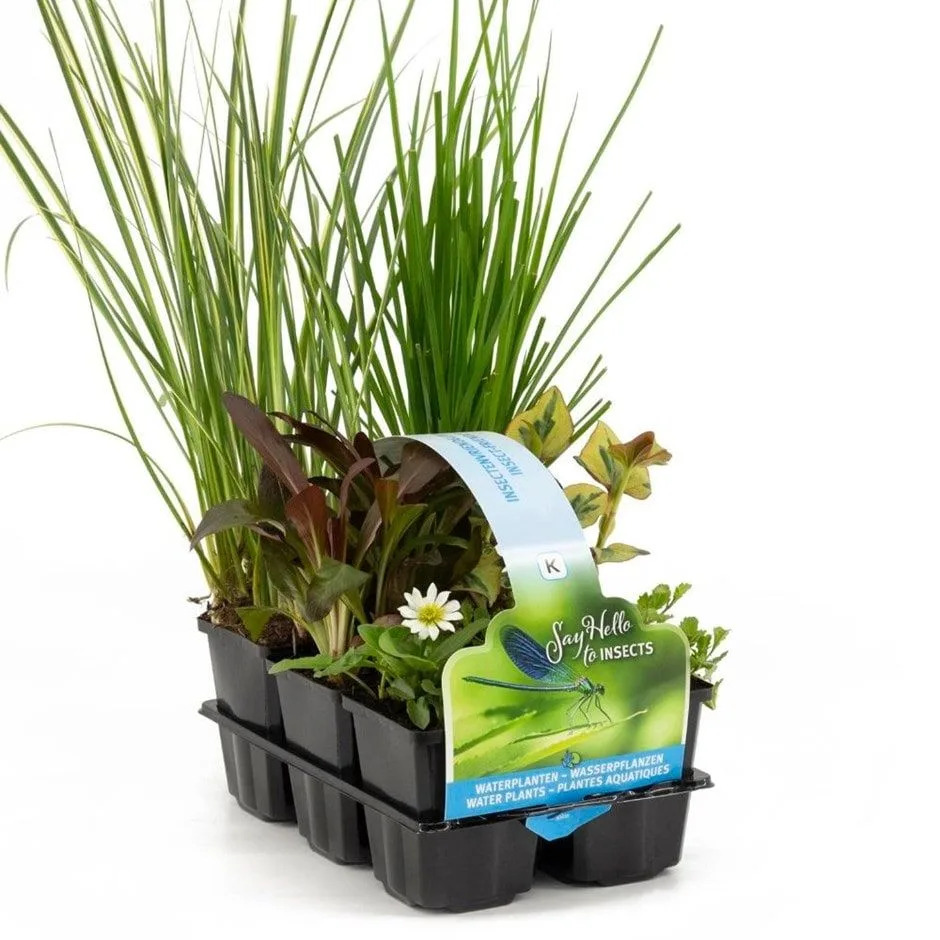
BUY NOW
Pond Insect-friendly plant collection
crocus.co.uk
£44.99
crocus.co.ukWater Lily PinkNymphaea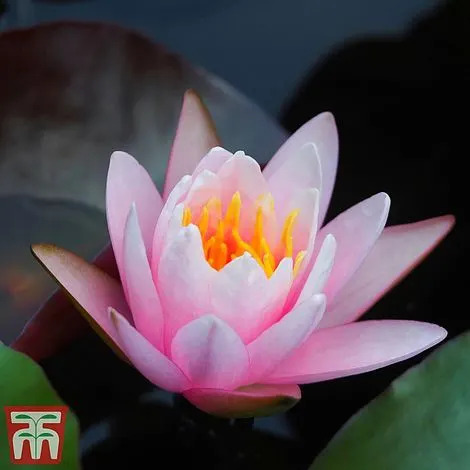
BUY NOW
Water Lily PinkNymphaea
thompson-morgan.com
£14.99
thompson-morgan.comFurniture ‘Rose Queen’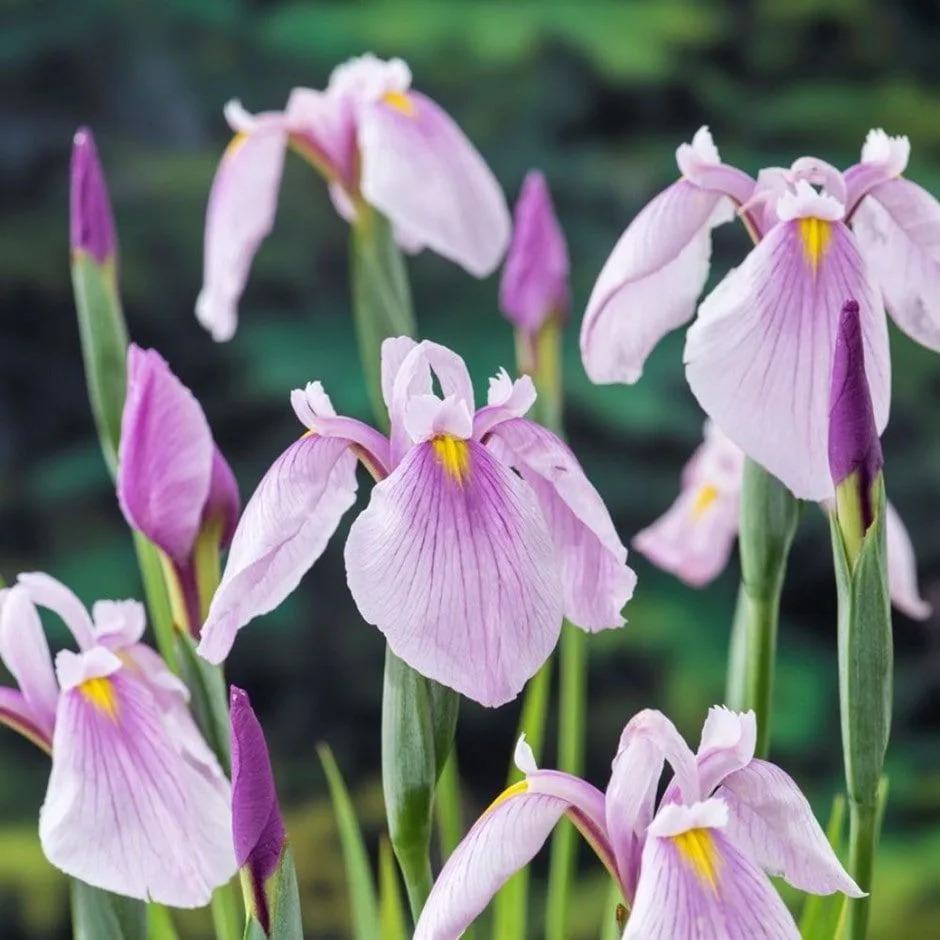
BUY NOW
Furniture ‘Rose Queen’
crocus.co.uk
£14.99
crocus.co.ukCeratophyllum demersum (Hornwort)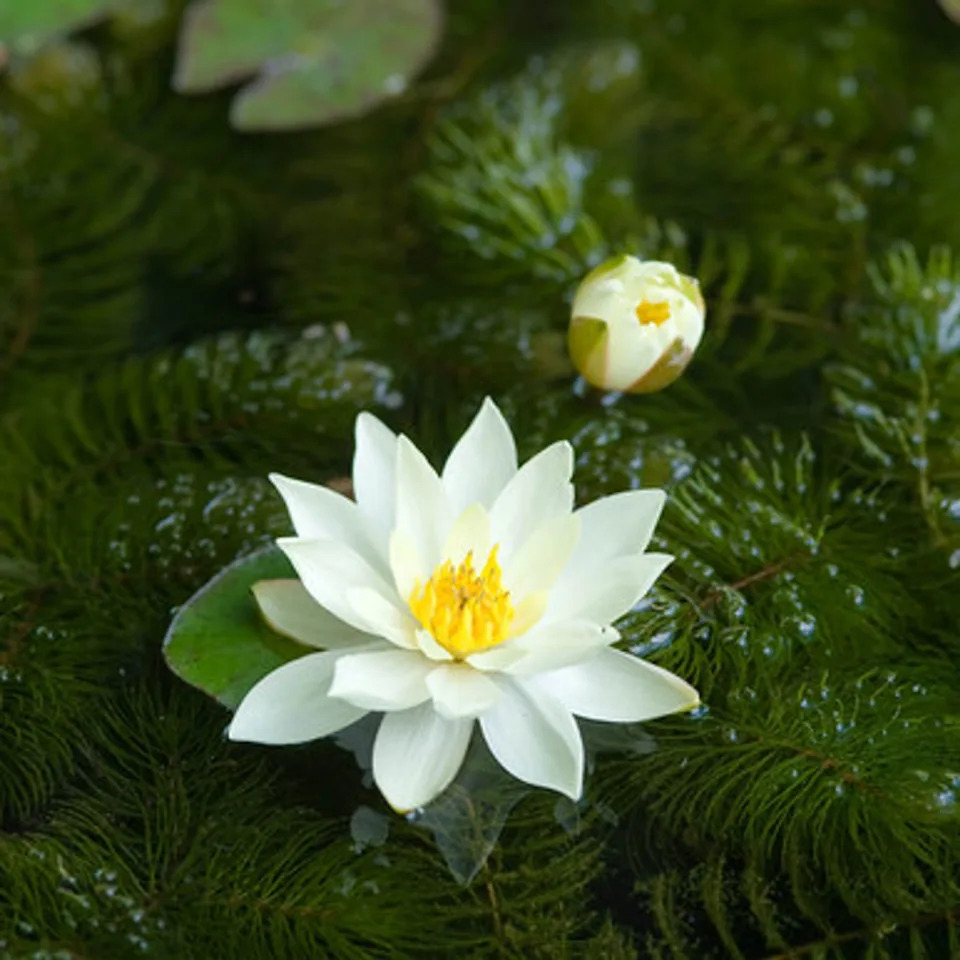
BUY NOW
Ceratophyllum demersum (Hornwort)
sarahraven.com
£7.95
sarahraven.comIris Black Gamecock | Water Iris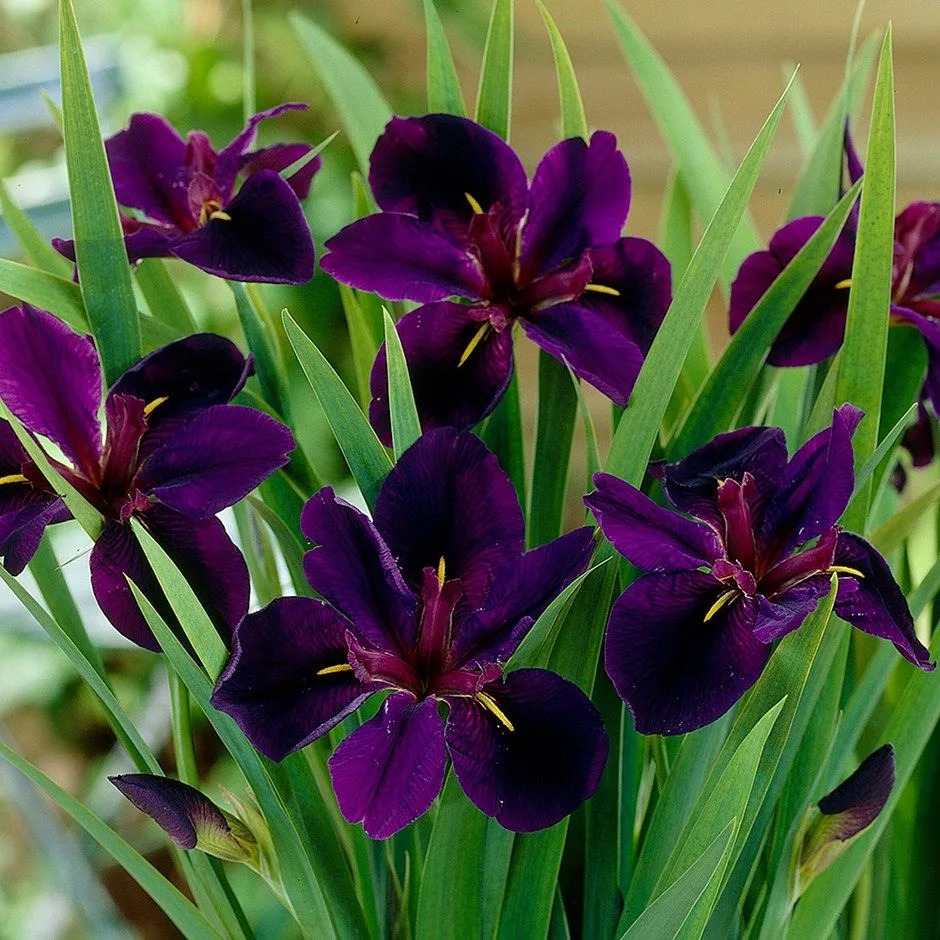
BUY NOW
Iris Black Gamecock | Water Iris
primrose.co.uk
£14.99
primrose.co.ukHydrocharis morsus ranae (Floating Aquatic)Frogbit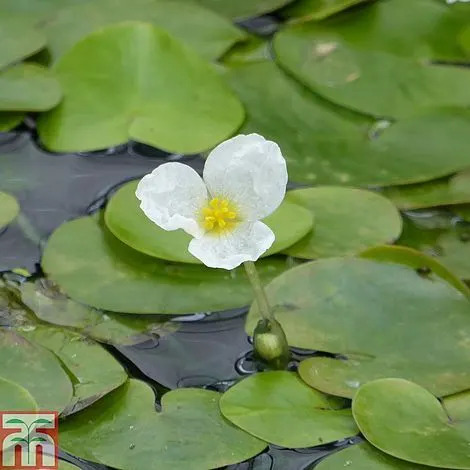
BUY NOW
Hydrocharis morsus ranae (Floating Aquatic)Frogbit
thompson-morgan.com
£18.99
thompson-morgan.com
Comments are closed.