
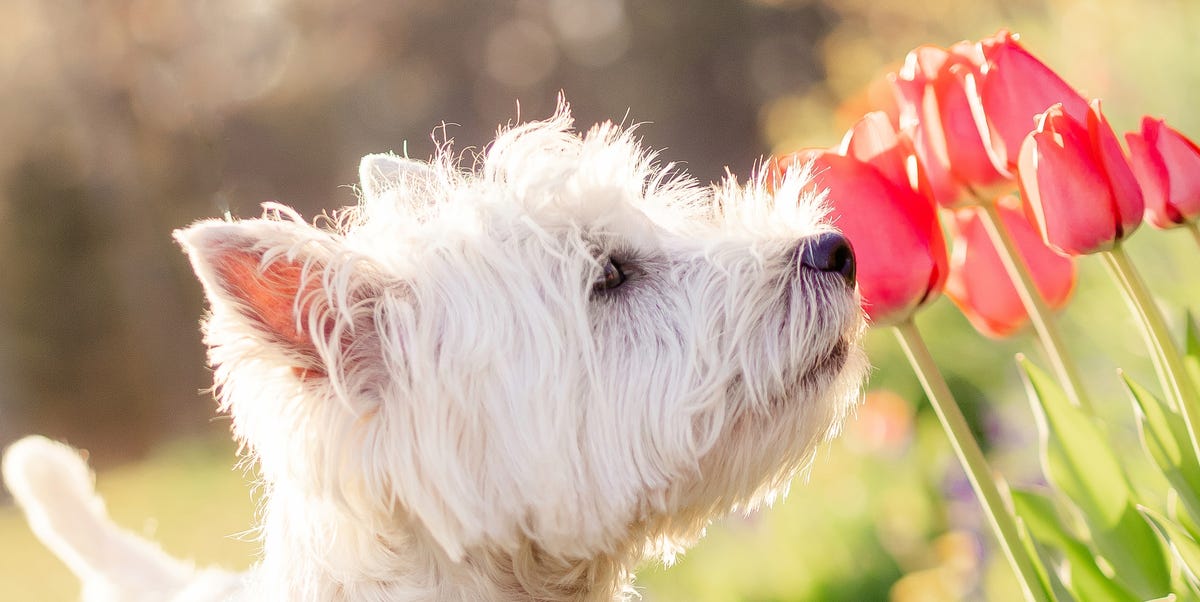
For many dog owners, the garden isn’t just an outdoor space for them to enjoy – it’s a place where their pets can roam freely and safely.
But spring brings new risks. As bulbs bloom and fresh plants fill beds and borders, hidden hazards emerge, with many common varieties posing a toxic threat to dogs.
Below, we’ve highlighted three popular spring flowers that are best avoided in homes with pets, along with three lookalike alternatives to plant instead. Even better, these safer choices are pollinator-friendly, helping you create a garden that supports your pets and local wildlife alike.
Instead of daffodils, plant cowslips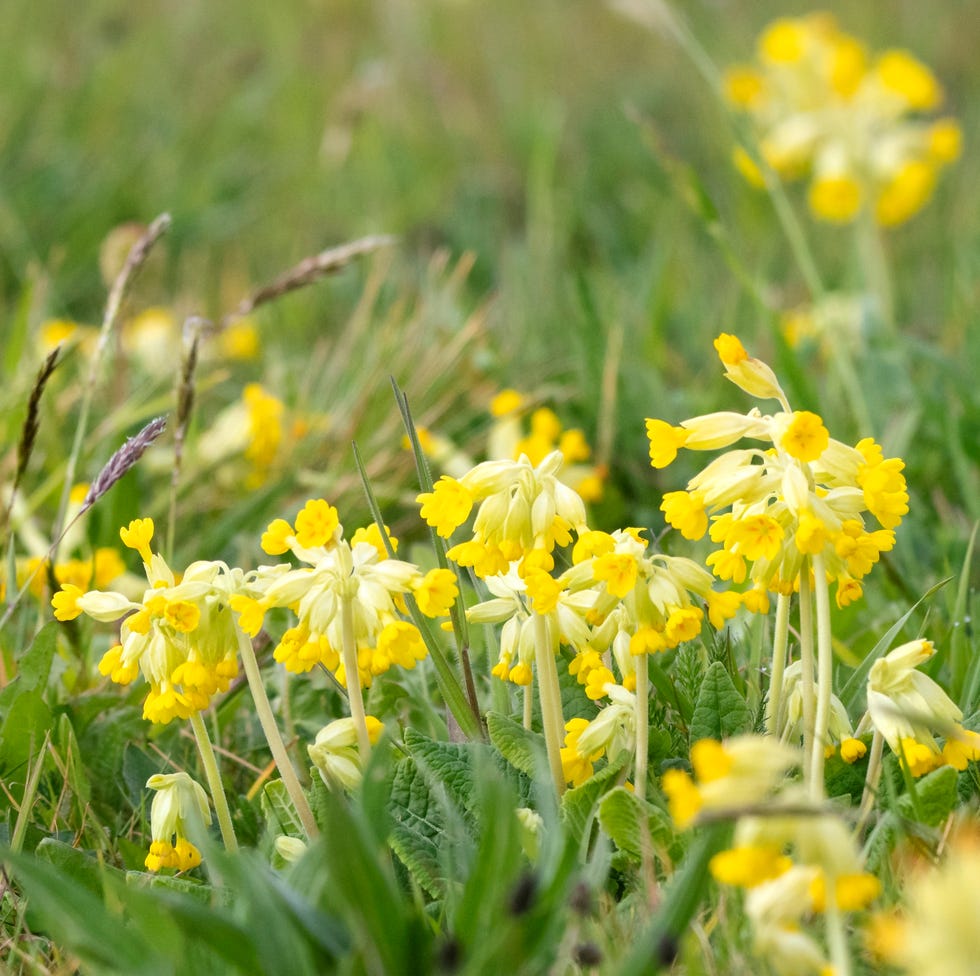

Trudie Davidson//Getty Images
Daffodils are poisonous to both dogs and cats if ingested. They contain lycorine, a compound that can trigger digestive issues, while other parts of the plant can irritate the mouth, throat and skin.
“The bulbs are particularly dangerous, so if your pet tends to nibble on plants or dig up the flower garden, it’s best to avoid daffodils altogether in gardens where pets are prone to digging or chewing,” says Emily Dr Emily Attlee, conservation scientist and co-founder of Seedball.
Instead, plant cowslip. An English countryside classic, the cowslip – with its vibrant yellow blooms – is a wonderful alternative to daffodils. “It has a sweet apricot-like scent and, most importantly, won’t cause any harm to your pets if they happen to stumble across and take a bite, making it a safer choice for pet-friendly gardens,” Emily adds.
Instead of foxgloves, plant snapdragons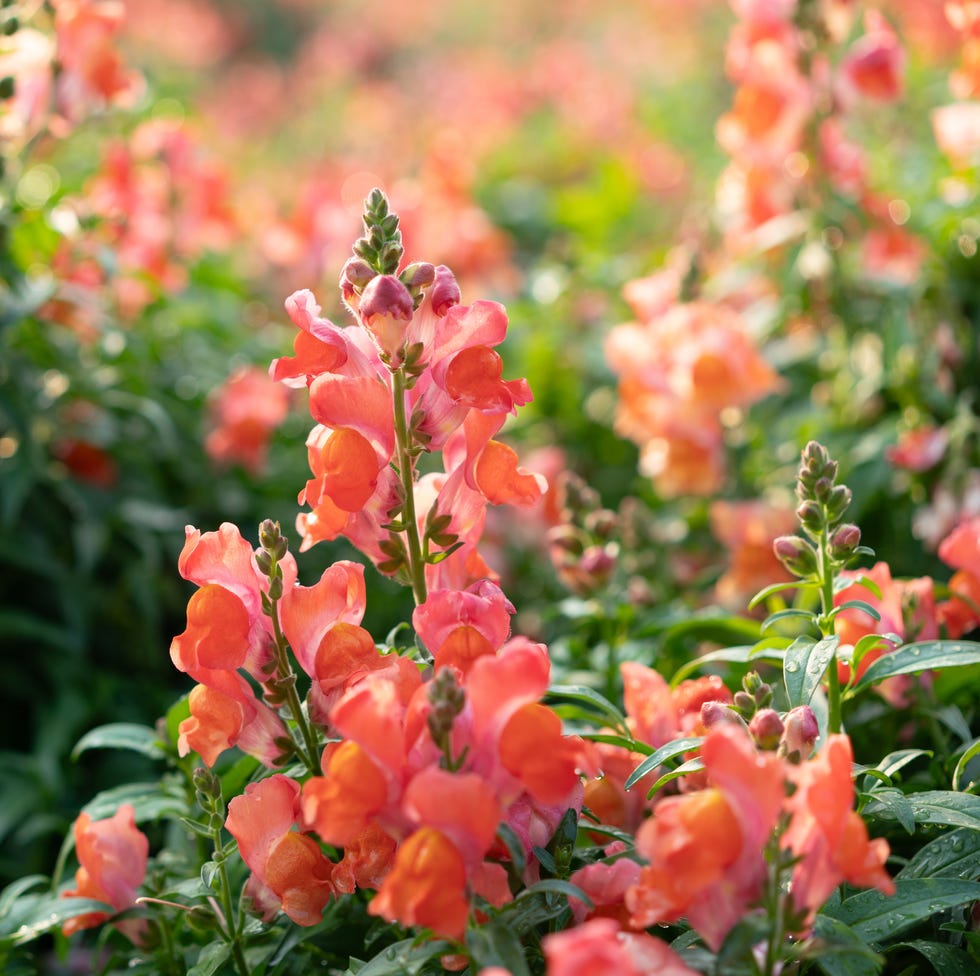
XIUXIA_HUANG//Getty Images
As striking as these towering, trumpet-shaped blooms may be, they present a serious risk to dogs (and even humans). Every part of the plant contains cardiac glycosides, a potent toxin that can be fatal if ingested. If you think your pet has eaten foxglove, seek veterinary advice immediately. Better still, opt for a safer alternative and avoid the risk altogether.
Instead, plant snapdragon. Snapdragons may lack the arresting markings sported by foxgloves, but they also grow colourful clusters on tall stems – and most importantly, they’re dog-safe. They’re also considered a pollinator powerhouse from early spring until the first frost.
Instead of oxeye daisies, plant white cornflowers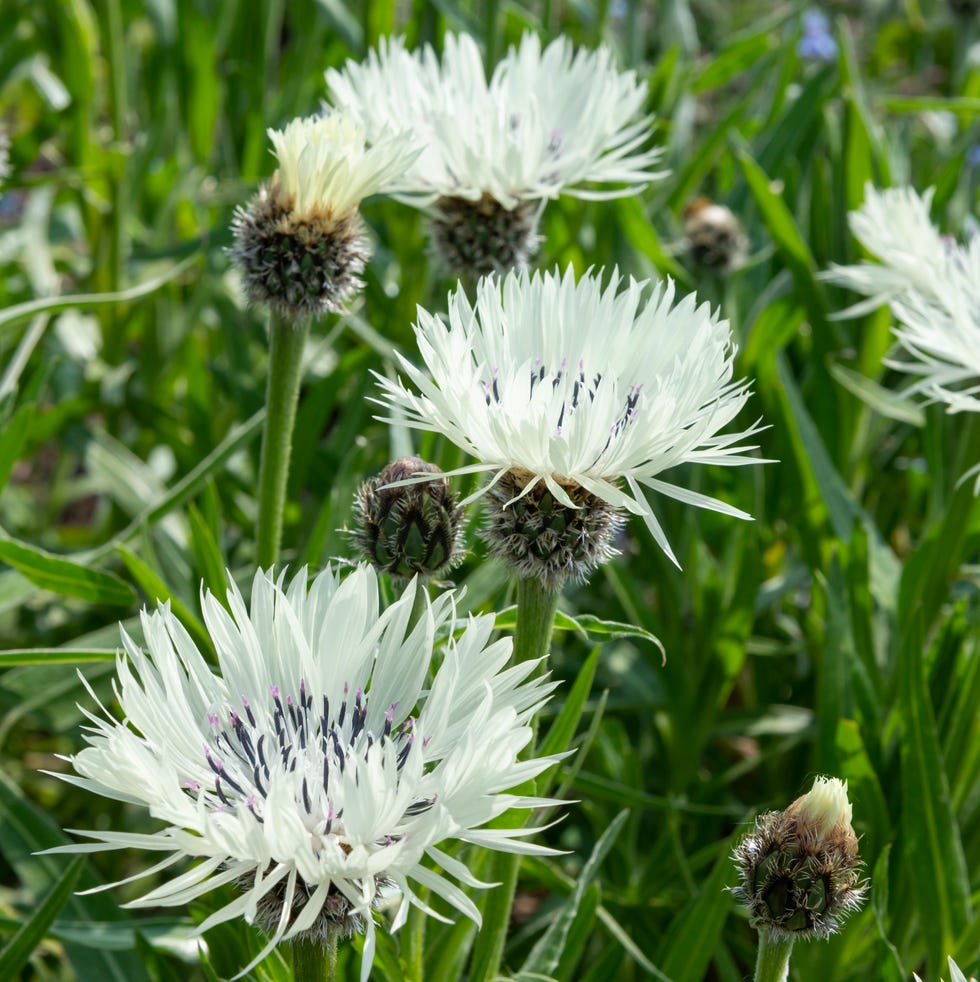
Photos by R A Kearton//Getty Images
With their large, open heads, these fast-growing wildflowers are a boon for pollinators, but they’re not safe to grow in pet-friendly gardens. Though not a severely toxic plant, oxeye daisies cause stomach issues if eaten, so they’re best avoided.
Instead, plant white cornflowers. Flowering from June through to September, these paper-like blooms are a great wildflower alternative to oxeye daisies. “These iconic British flowers are not only a valuable pit-stop for bees and butterflies, but they can live harmoniously alongside pets as they pose no risk,” says Emily.
Must-have dog walking accessories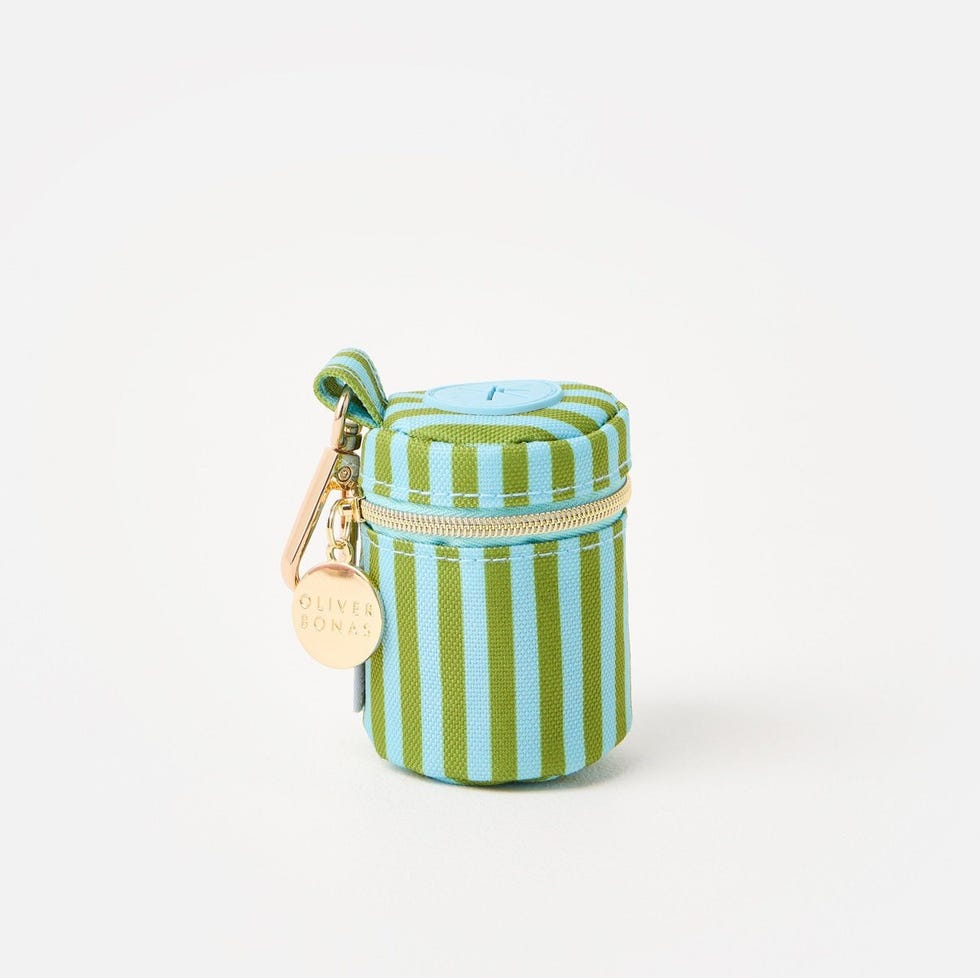 Oliver Bonas Green & Blue Stripe Poop Bag Holder
Clip this super-stylish poop bag holder onto your dog’s lead so you’ll never be caught without bags.
 Bath Country Pets Tweed Treat Bag & Dog Treats
Keep a ready supply of treats in this handy pouch to help with recall. By using the same container each walk, your dog will associate it with treats which speeds up recall.
 Earth Rated Earth Rated Dog Poo Bags
Make sure you’re never left without poop bags. These eco-friendly bags are super strong and lavender scented to make scooping as pleasant as it can be!

Wanda Sachs is the Daily Writer for House Beautiful and Country Living, exploring the latest in interior design, home trends, property news, wellbeing and sustainable living. With a keen eye for style and a passion for storytelling, she previously served as an Associate Editor at The Berliner in Berlin, where she launched and led the magazine’s monthly style vertical, covering emerging fashion trends. Wanda holds a combined BA in English and German from Goethe University Frankfurt.
Comments are closed.