
 2 min read
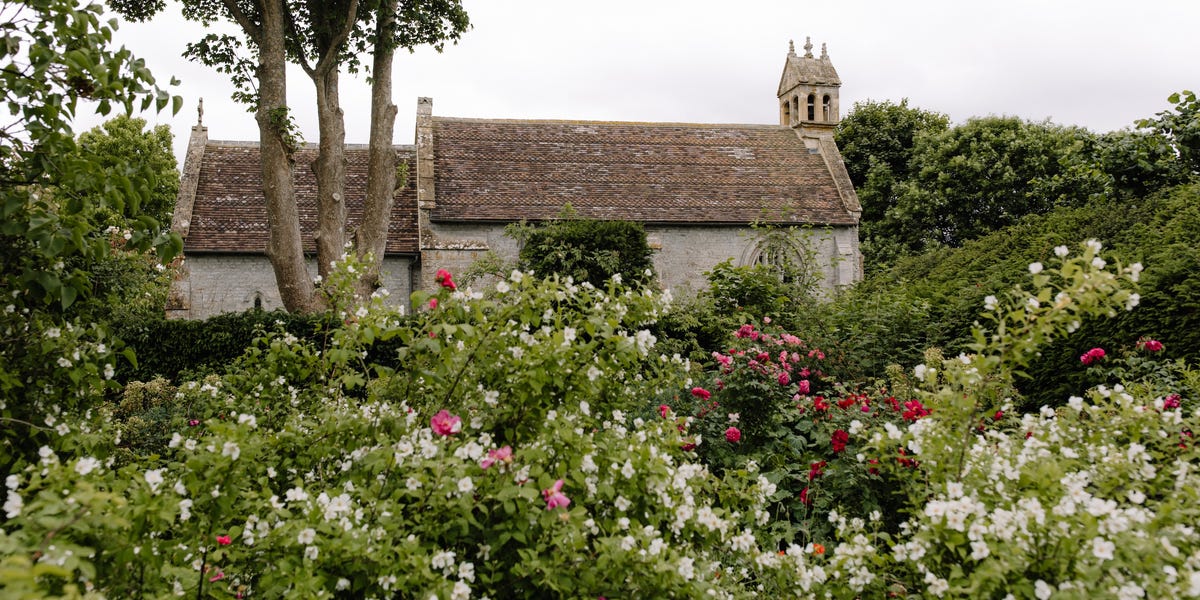
A truly romantic garden isn’t just something you see—it’s something you experience, revealing itself through scent, sound, and season. For British garden designer Isabel Bannerman, who, alongside her husband Julian, famously designed the stumpery at King Charles’s beloved Highgrove House, that sense of immersion is everything. In her Create Academy course, Creating a Romantic English Country Garden, she encourages gardeners to move beyond rigid rules and instead design spaces that feel alive. Here are her most memorable lessons for creating a garden that feels as beautiful as it looks.
Start with Scent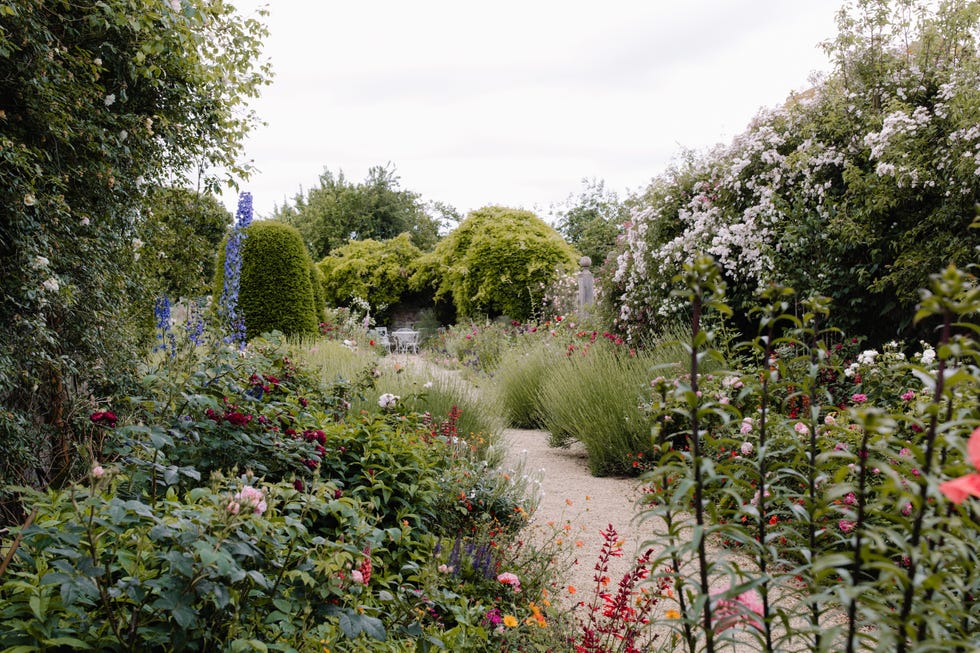
Courtesy of Create Academy
When Bannerman talks about gardens, she doesn’t begin with color or even structure—she begins with fragrance. “I think people overthink about their lawns,” she says. “But they probably don’t think about scent enough.”
Bannerman believes fragrance is one of the most emotional and memorable elements of a garden. One of her favorites is mock orange (Philadelphus), a springtime shrub known for its intensely sweet scent. She also points to arrowwood (Viburnum carlesii), whose delicate flowers carry a vanilla-like fragrance, and buffalo currant (Ribes odoratum), which produces small yellow flowers with a warm, almost cinnamon-like scent in early spring.
Design for What You See—Then Simplify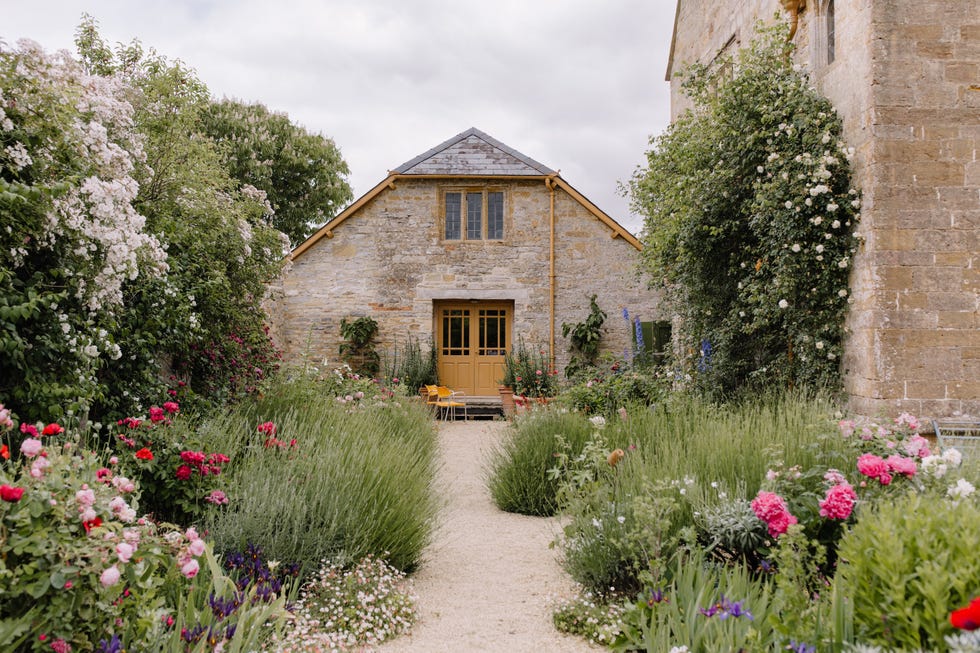
Courtesy of Create Academy
While romantic gardens are often associated with abundance, Bannerman is quick to point out that more isn’t always more. “I think a lot of one thing is better than lots of different things,” she explains.
Rather than cramming a garden with variety, she favors repetition and generosity to create a sense of rhythm. The effect is lush, but never chaotic.
This also applies to color. Bannerman often plays with palette depending on mood—cool greens and whites for arrival spaces, richer tones for more intimate areas. And when working with bold, saturated hues, she notes that restraint is key: adding white can dilute their intensity, softening what might otherwise feel vibrant and jewel-like. The result is a garden that feels considered, not cluttered—where the eye can rest, even in the midst of abundance.
Just Add Water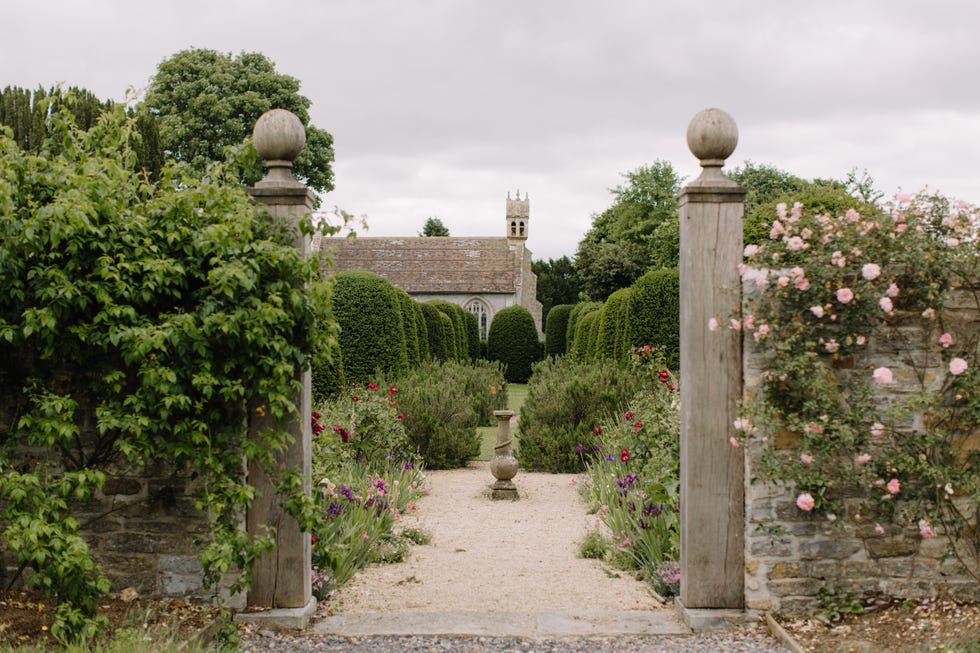
Courtesy of Create Academy
One of the simplest ways to deepen a garden’s atmosphere is through sound. “A small water feature… just a bubble of water is very nice,” Bannerman says. The beauty of this idea lies in its simplicity. A garden doesn’t need a grand fountain or expansive pond—a small trough with a circulating pump can create the same gentle, continuous sound. That quiet movement of water adds another dimension entirely, particularly in the early morning or evening, when the garden feels most still. It softens the space, making it feel more secluded, more reflective, and ultimately, more romantic.
If there’s one guiding philosophy behind Bannerman’s work, it’s this: let go of perfection. “Be bold and be brave,” she says. “Don’t be afraid of making mistakes. Mistakes are brilliant.” Gardens evolve, often unpredictably. Plants grow larger than expected, combinations clash or surprise, and what begins as an afterthought can become a highlight. This mindset extends to how we live with our gardens; a garden isn’t meant to be perfect. It’s meant to be experienced.

Kate Lickert is the Social Media Editor at Veranda. She graduated from the University of Missouri with a degree in Journalism and has spent her career in the interior design industry, previously managing social media for Scout & Nimble and Bodine White.
In addition to her editorial role, Kate is a part-time yoga and Pilates instructor, balancing her creative work with a love of movement and wellness. Outside of work, she enjoys shopping, reading, and exploring the latest skincare trends. Follow her on Instagram @katelickert
Comments are closed.