
Published on: March 10, 2026
As the gardening season approaches on Cape Cod, the Cape Cod Cooperative Extension Horticulture Clinic is expanding its hours to help residents prepare their gardens.
Beginning in April, the clinic moves to its in-season schedule, making it easier for gardeners to get help with plant problems, soil questions, and garden planning.
The clinic provides free diagnostic services including plant identification, plant disease diagnosis, and free soil pH testing for Cape Cod residents.
New Spring and Summer Horticulture Clinic Hours
April through September
Monday, Wednesday, Friday
9:00 a.m. to 3:00 p.m.
January through March and October through November
Tuesday and Thursday
9:00 a.m. to 3:00 p.m.
Ask a Master Gardener
The Horticulture Clinic is staffed by trained Master Gardener volunteers and horticulture professionals who can help answer questions about plants, trees, and gardens across Cape Cod.
Gardeners often contact the clinic when they notice problems such as:
Yellowing leaves
Wilting plants
Vegetable garden issues
Unidentified insects
Spots or damage on leaves
Shrubs or trees that are not thriving
Questions about plant identification
Gardeners can contact the clinic in several ways.
Email: gardeners@capecod.gov
Phone: (508) 375-6700
You can also submit a question online and attach photos of the issue. Close-up photos are especially helpful when diagnosing plant problems.
More information is available at: www.capecod.gov/hortclinic
Free Soil pH Testing for Cape Cod Gardeners
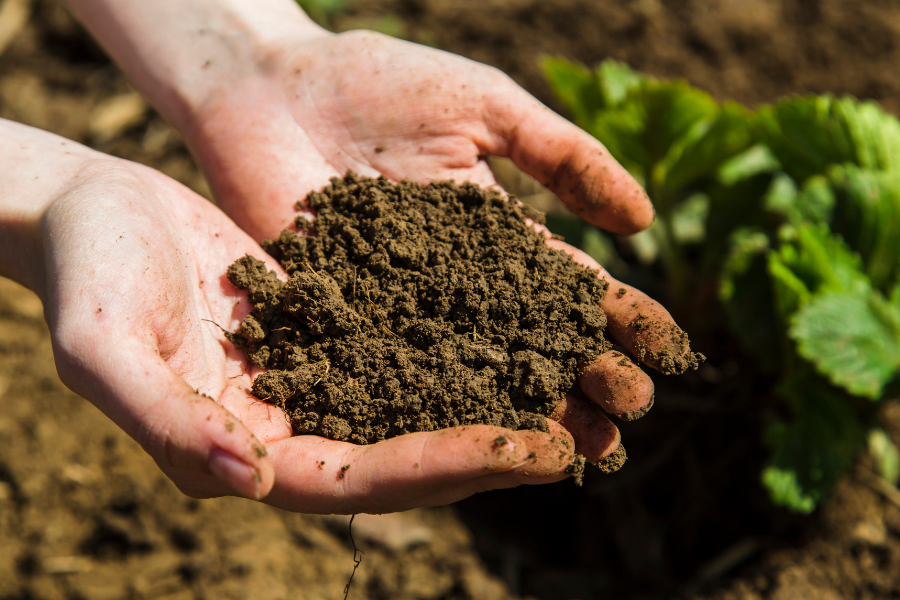
March and April are when many Cape Cod residents begin preparing gardens, lawns, and planting beds. This is also when the Horticulture Clinic receives the most requests for soil pH testing.
Soil pH affects how plants absorb nutrients and grow. Many soils in the Northeast are naturally acidic due to rainfall patterns and may need adjustment for healthy plant growth.
Testing soil early in the season can help gardeners determine whether soil amendments such as lime may be needed before planting.
How to Prepare a Soil Sample
For accurate results, soil samples should be collected carefully.
Choose the area you want to test, such as lawn, vegetable garden, or flower bed.
Collect several small soil samples from the area at a depth of about 6 to 8 inches.
Mix the samples together and remove stones, roots, and debris.
Air dry the soil sample before submitting it.
Submit about one cup of dry soil along with the soil submission form.
Detailed instructions, the soil submission form, and other diagnostic resources can be found on the Horticulture Clinic webpage: www.capecod.gov/hortclinic
Samples can be dropped off or mailed to:
Cape Cod Cooperative Extension
Horticulture Clinic
1358 Route 28
South Yarmouth, MA 02673
More Comprehensive Soil Testing
The Horticulture Clinic provides soil pH testing and pH adjustment guidance.
Gardeners who want a full soil nutrient analysis with fertilizer recommendations may also submit soil samples to the UMass Soil and Plant Nutrient Testing Laboratory.
Gardening Help for Cape Cod Residents
Whether you are planning a vegetable garden, troubleshooting a plant problem, or preparing soil for planting, the Cape Cod Cooperative Extension Horticulture Clinic is here to help.
Visit the clinic webpage to submit questions, view diagnostic information, and download soil testing forms.
www.capecod.gov/hortclinic
Cape Cod Cooperative Extension: Working for You
Follow Cape Cod Cooperative Extension on Facebook and Instagram for resources, updates, and events.
Learn more about all our programs at capecod.gov/extension.
Comments are closed.