
Key Points
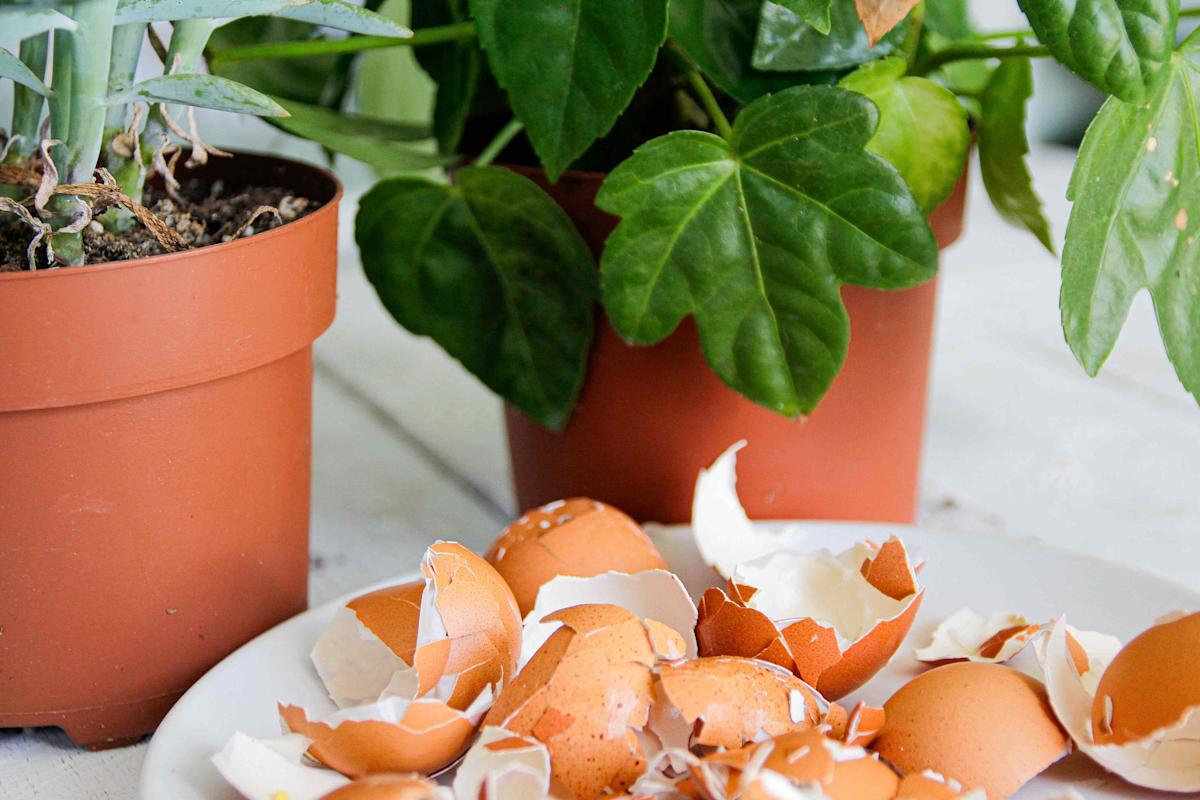
Eggshells can be used to fertilize houseplants, but they work best as a mild supplement rather than a primary fertilizer.
Eggshells decompose too slowly indoors to provide meaningful nutrients and may even attract pests or mold if misused.
If you want to try eggshells, first clean, dry, and crush them into powder, or make eggshell tea for best results.
Good gardeners are always looking for new ways to fertilize their plants—even if that means using unlikely items and food scraps, such as eggshells. However, you should think twice about trying to reuse this detritus. The truth is that eggshells technically do benefit houseplants—but in a much more limited capacity. Ahead, plant experts share why you should consider other methods instead.
Meet the Experts
Shane Pliska, houseplant expert and CEO of Planterra Interior Landscaping
Jonathan Weekley, horticulturist and co-founder of Daily Elements
Rosalin Ortega, houseplant expert and founder and CEO of All About Planties
Related: How to Fertilize Pothos With Coffee Grounds for Beautiful Leaves and Lush Growth
Should You Use Eggshells on Houseplants?
Experts agree: eggshells shouldn’t be your go-to option for fertilizing houseplants. “Your houseplants are in an artificial environment indoors,” says Shane Pliska, CEO of Planterra Interior Landscaping.
This environment lacks rain, sun, microbes, and the diversity of an ecosystem that would break eggshells down into usable nutrients. “The decomposition of eggshells would occur too slowly indoors for it to become a meaningful fertilizer,” he adds.
Potential Benefits
So how can eggshells be beneficial? They’re full of calcium, which is an important nutrient for plant health, says Jonathan Weekley, horticulturist and co-founder of Daily Elements.
Eggshells can also improve soil structure by increasing water drainage and aeration, and reducing soil acidity. And for outdoor plants, they can do double duty. “Some home gardeners have even found that eggshells can provide a physical barrier when placed on the soil surface, which deters soft-bodied pests, like snails and slugs,” he adds.
Drawbacks
Unfortunately, eggshells just don’t offer that much for indoor plants. “They aren’t a quick fix, and they aren’t a replacement for a balanced fertilizer,” says Rosalin Ortega, houseplant expert and founder and CEO of All About Planties.
In fact, eggshells may create more problems than they solve. If they sit wet on top of houseplant soil, they can contribute to mold. They can also attract pests if they aren’t properly rinsed and dried first.
How to Use Them
If you still want to give it a go, then prepare the eggshells beforehand. First, clean and dry the shells. Weekley recommends baking the shells in the oven at a low temperature for about 20 minutes to sterilize them.
Next, grind the eggshells into a very fine powder and mix a small amount into the potting mix, says Ortega. Otherwise, you can make an eggshell tea by soaking clean, crushed eggshells in water for 24 to 48 hours and using that water at the next watering, Weekley says. The key is to keep the amounts small and treat the eggshell tea as a mild supplement.
Choose the Right Plant
Only use eggshells on plants that are happy in a neutral or alkaline soil environment, says Weekley.
Eggshells will raise the pH of potting soil, so avoid using them with plant varieties that prefer more acidic soil—skip common houseplants like African violets, ferns, and begonias.
Read the original article on Martha Stewart
Comments are closed.