
March is the first month of meteorological spring
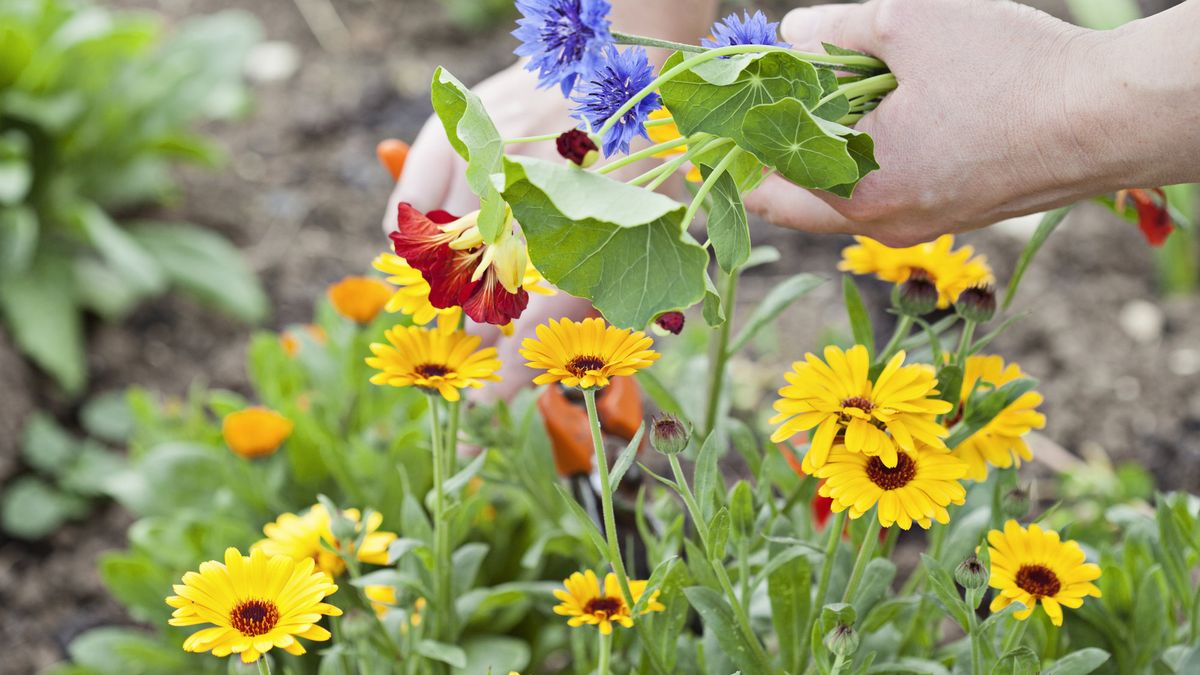
A generic gardener(Image: Getty Images)
The Met Office has warned gardeners to take extra caution this week as the weather continues to be unsettled. Temperatures have dropped significantly since last week and some areas are experiencing frost and rainfall.
On a post to X yesterday, the Met Office said: “Gardeners beware. If you’ve already put tender plants outdoors, you may want to cover them or bring them inside. A widespread frost is expected tonight with ice possible on surfaces left damp after evening showers.”
March is the first month of meteorological spring and it arrives with the prospect of warmer weather to come. However, although winter is behind us, March can still produce frost or snow.
The Met Office said: “Statistically, you’re more likely to see snow in March in some parts of the UK than December – the first month of winter. For all the prospects of cold weather, the sun’s rays are gaining in strength as the sun rises ever higher in the sky along with an increasing day length from now until mid-summer.”
In a typical March, the Met Office expects to see around 15 days of ground frost, and on an average of just over seven days it expects to temperatures to fall to 0C or below, creating an air frost. These figures vary across the UK. Frost is a significant threat for our gardens.
Sunshine hours see a dramatic increase during March, when compared with February, with the UK on average seeing over 100 hours of sunshine in an average March, helping to warm soils.
Guy Barter, the RHS chief horticultural advisor said: “March is a mixed month with wintry weather of frost, hail and rain and towards the end of the month sunnier warmer weather.
“Windy, rain-free weather is ideal as this dries the soil and allows gardening to go ahead, but this is quite unusual. Winter tasks can be finished this month and spring activities become possible later.”
Content cannot be displayed without consent
In the Met Office’s weather forecast for the UK tomorrow and through to this weekend, it said: “Damp and overcast start to begin Friday with rain gradually clearing to the south during the morning. Turning somewhat drier and brighter into the afternoon with some sunny spells possible. Maximum temperature 10C.
“Brighter on Saturday with sunny spells and blustery showers. Another spell of rain will arrive during Sunday, this clearing to bright spells and blustery showers Monday. Gusty winds.”
Grass is one of the earliest plants to grow in spring, it starts growing when soil temperature go above 6C. It’s one of the last to stop growing in winter too. The Met Office has estimated that the growing season has increased by at least a month compared to 1961-90. In some areas, grass is growing all year round.
Knowing the exact date to mow your lawn can be difficult. According to Woodland Trust, the average date for the first lawn cut in the UK is March 19. This is according to 34,000 Nature’s Calendar records from 2000 to 2025.
You shouldn’t mow a wet lawn, this can clog your mower and damage your lawn. It’s best to wait for a dry period. Mowing the lawn later in the day is a good idea too, so any frost has thawed or dew evaporated.
Comments are closed.