
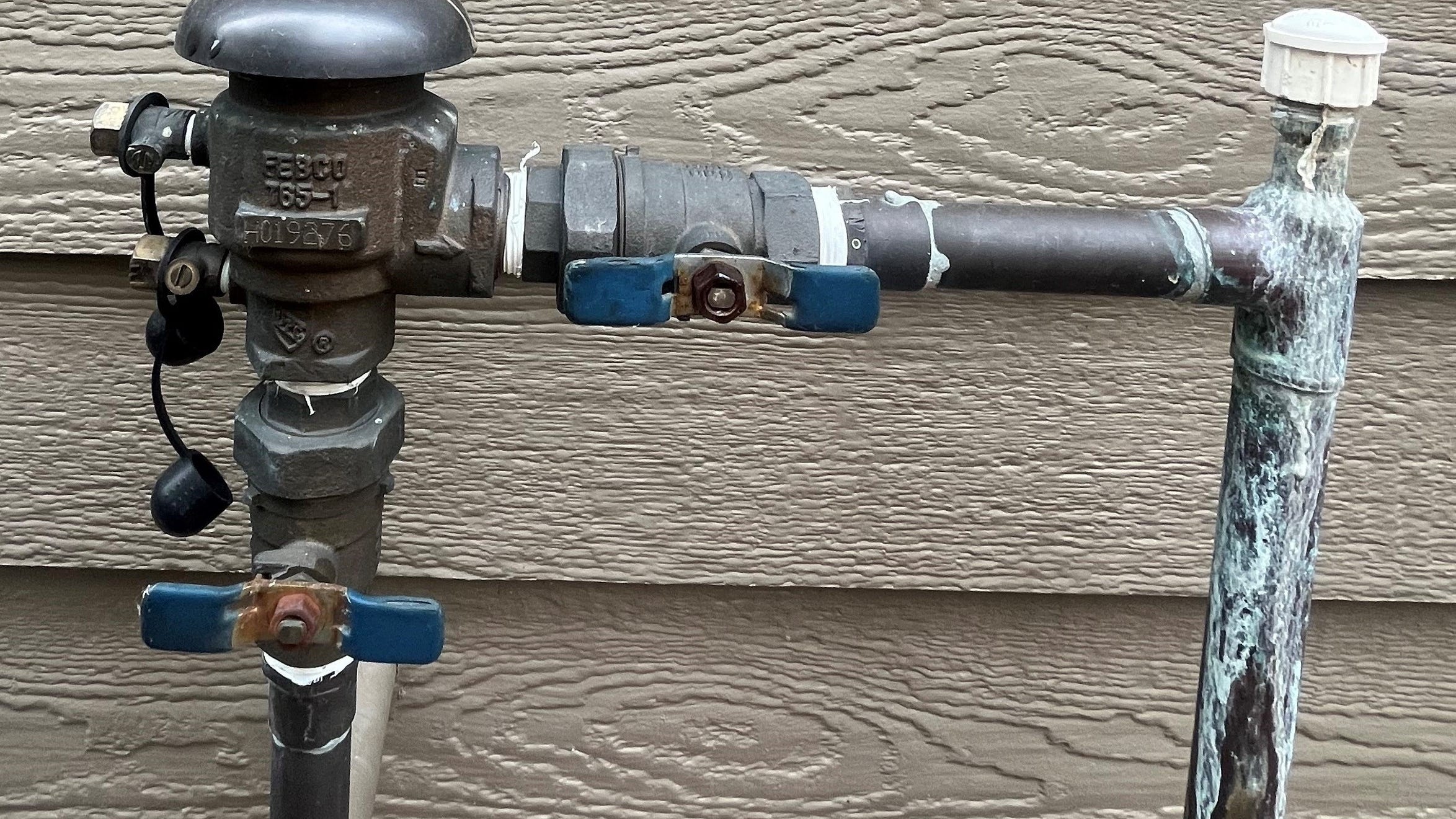

How to quick drain your home sprinkler system
Follow these steps to prevent damage to your system from water freezing during cold snaps.
Gardeners can risk planting early for a sooner harvest, but a late freeze could kill tender plants.Soil temperature is a key factor for successful planting, with different vegetables requiring different temperatures.The average last frost date in Fort Collins is typically around mid-May.
There is no typical spring in Colorado, but this spring has started off more atypical than normal with historically warm and dry weather throughout winter and early spring.
That trend looks to continue with the National Weather Service’s outlook for April through June predicting Colorado to see above-normal temperatures and below-normal precipitation.
That changes some things going into the vegetable gardening season, some good and some not so good.
How risky do you want to get to plant early?
This looks like the spring where vegetable gardeners might want to push their luck and get their garden in earlier, given the weather outlook.
Pro: Getting an earlier start can result in an earlier harvest, and with soil temperatures warm enough to start planting many vegetables you might want to push the envelope. Starting early might also be beneficial given the forecast heat and potential water restrictions.Con: The risk is trusting the weather outlook, especially given Colorado’s highly fluctuating spring weather. A freak hard freeze can kill many tender vegetables.
In an average year, here are Fort Collins’ average last frost and freeze dates:
Frost (32 degrees): 90% chance until April 23, 50% until May 4 and 10% until May 16, which is why a general rule of thumb is to wait to plant tender plants until around Mother’s Day (May 10 this year).Freeze (28 degrees): 90% chance until April 5, 50% until April 19 and 10% until May 2.Why soil temperature is key to when to start your vegetable garden
If too cold, seeds may not germinate and transplants may be slow to establish and grow.
Ideal soil temperatures range from 45 degrees for cool-weather crops like onions, lettuce, spinach and peas to 60 to 70 degrees for carrots, beets, zucchini, squash, pumpkins, and pepper and tomato transplants.
You can measure soil temperature with a regular thermometer or meat thermometer.
Here is a general planting guideline, though this year you could move up dates a couple of weeks or more:
Late March: Hardier vegetables such as onions, peas, radishes, carrots, lettuce and spinach.Early May: Semi-hardy vegetables such as beets, carrots, cauliflower, parsley, potatoes and Swiss chard.Mid- to late May: Tender vegetables such as peppers, tomatoes, beans, cucumbers, squash, pumpkin and watermelon.
Miles Blumhardt is a reporter for the Coloradoan covering the outdoors.
Comments are closed.