
 6 min read
While many people think of English armchairs or Swedish cupboards when they think of antiquing, the truth is that you can find something suitable for nearly every corner of your home when treasure hunting. And, with warmer weather on the horizon, now might be the time to eschew the boundaries of your four walls altogether and keep your eyes peeled for antiques that are at home outdoors instead of indoors.
Garden antiques are a fast-growing category for shoppers and dealers alike, thanks to an increasing interest in outdoor living and many collectors’ desire to have their yards pay homage to their love of storied pieces, just like the insides of their homes do. “When I think of garden antiques, I think of my travels through Europe, where nearly every historic home, estate, or village building is surrounded by a beautiful, thoughtfully designed garden,” says Kaci Lyford, co-owner of East End Salvage in McKinney, Texas. “Those spaces have such a sense of permanence and character, and the antiques that live within them are timeless.” England-based expert and managing director of Lichen Garden Antiques, Darren Jones, notes that these pieces will also sometimes find their way indoors. “Increasingly, we see what might typically be traditionally thought of as a garden item used by interior designers inside, like repurposing stone troughs as bathroom sinks,” he adds.
There’s no limit to the unique items you can find to outfit your garden while antiquing, and, as always, beauty (and value) are in the eye of the beholder. That said, there are several garden antiques that are trending right now, raising their demand—and their prices—for shoppers and dealers alike. Here, we tapped five expert antiques vendors to dig into the history behind these pieces and how to score them for your own backyard oasis—especially since some may be worth far more than you’d expect.
Related StoryArras Benches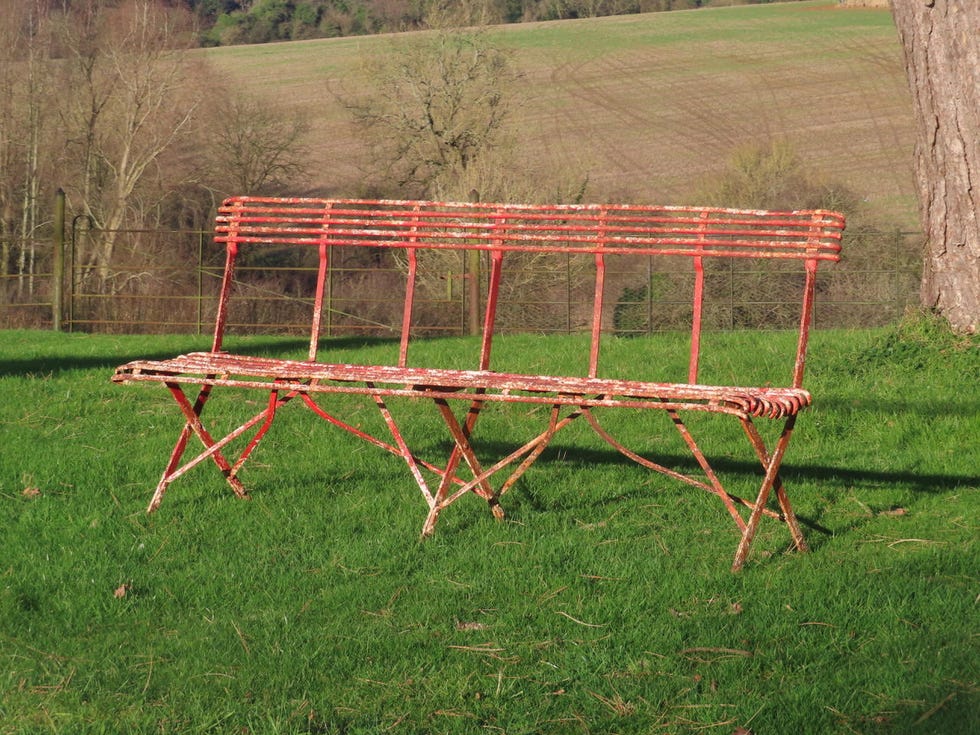
Courtesy Lichen Garden Antiques
One of the most iconic names in antique garden furniture is Arras, a brand named after the town in France where it was produced beginning in the 19th century. “Coming into the summer months, people are thinking about entertaining outdoors,” says Jones. “Arras is one of the most famous makers, and we always sell a lot of their wrought iron benches, seats, and tables. The brand has a very distinctive tubular style and is highly collectible.”
Margaret Schwartz, an antique dealer and owner of Modern Antiquarian, also underscores the brand’s popularity, noting that its enduring reputation increases its value. “Arras iron garden furniture has been adored for over a century and continues to be a favorite among designers. Their iconic, delicate yet sturdy wrought-iron chairs and benches bring instant European charm to a garden. Individual chairs often start around $600, while larger benches or sets can run several thousand dollars.”
Faux Bois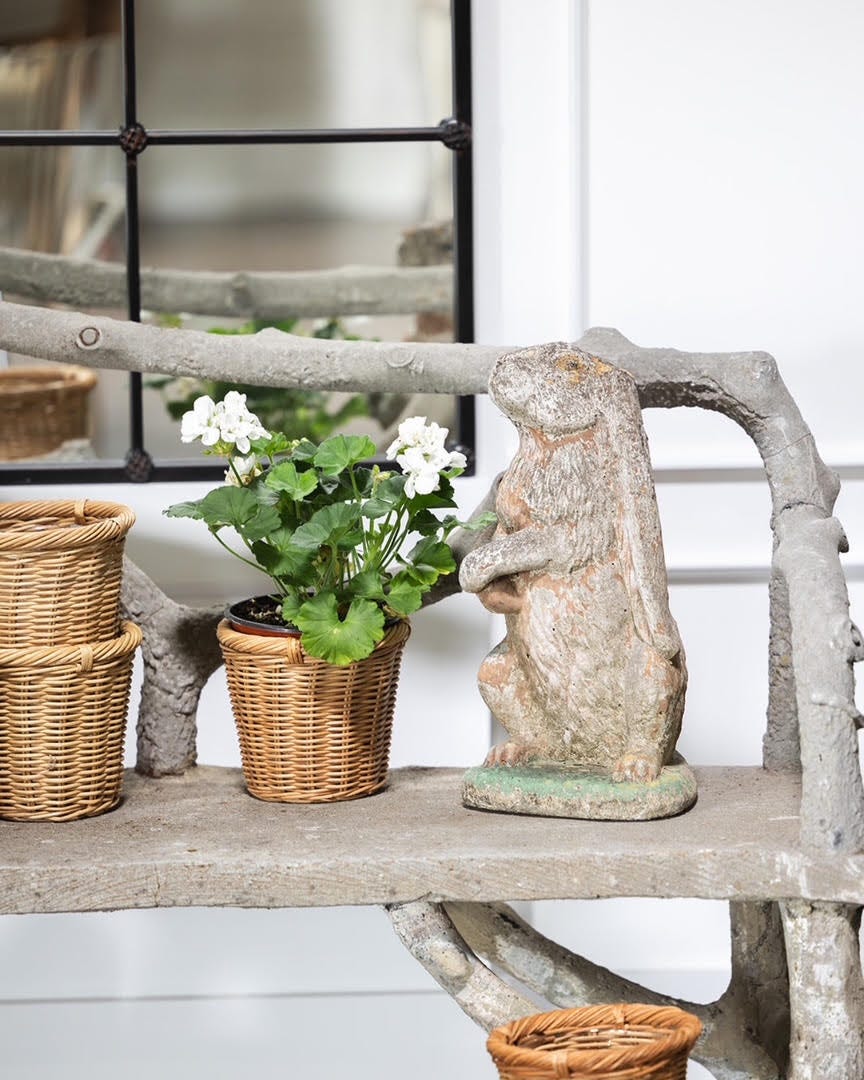
Courtesy Holly Schumpert for Clementin
“Faux bois means ‘false wood’ in French, and it’s an art form that flourished in France in the 19th century,” explains interior designer Stephanie Lynton, who owns a home and garden store, Clemontín, in Birmingham, Alabama. “Typically, a metal frame is covered in concrete and then hand-sculpted using simple tools to make it look like real wood. Antique pieces of faux bois are harder and harder to find, which drives up the price for those special items, which can range from $2,500 to $7,500.”
Lyford notes that these pieces sell almost instantly for her, too. “Faux bois is something I can never keep in stock—anything from small accent tables and garden stools to planters and decorative chairs tends to sell as soon as it hits the floor,” she adds. “The appeal is in the juxtaposition—the craftsmanship of hand-formed concrete made to resemble natural wood. It blurs the line between nature and sculpture, which makes it both whimsical and timeless in a garden setting.”
Garden Gates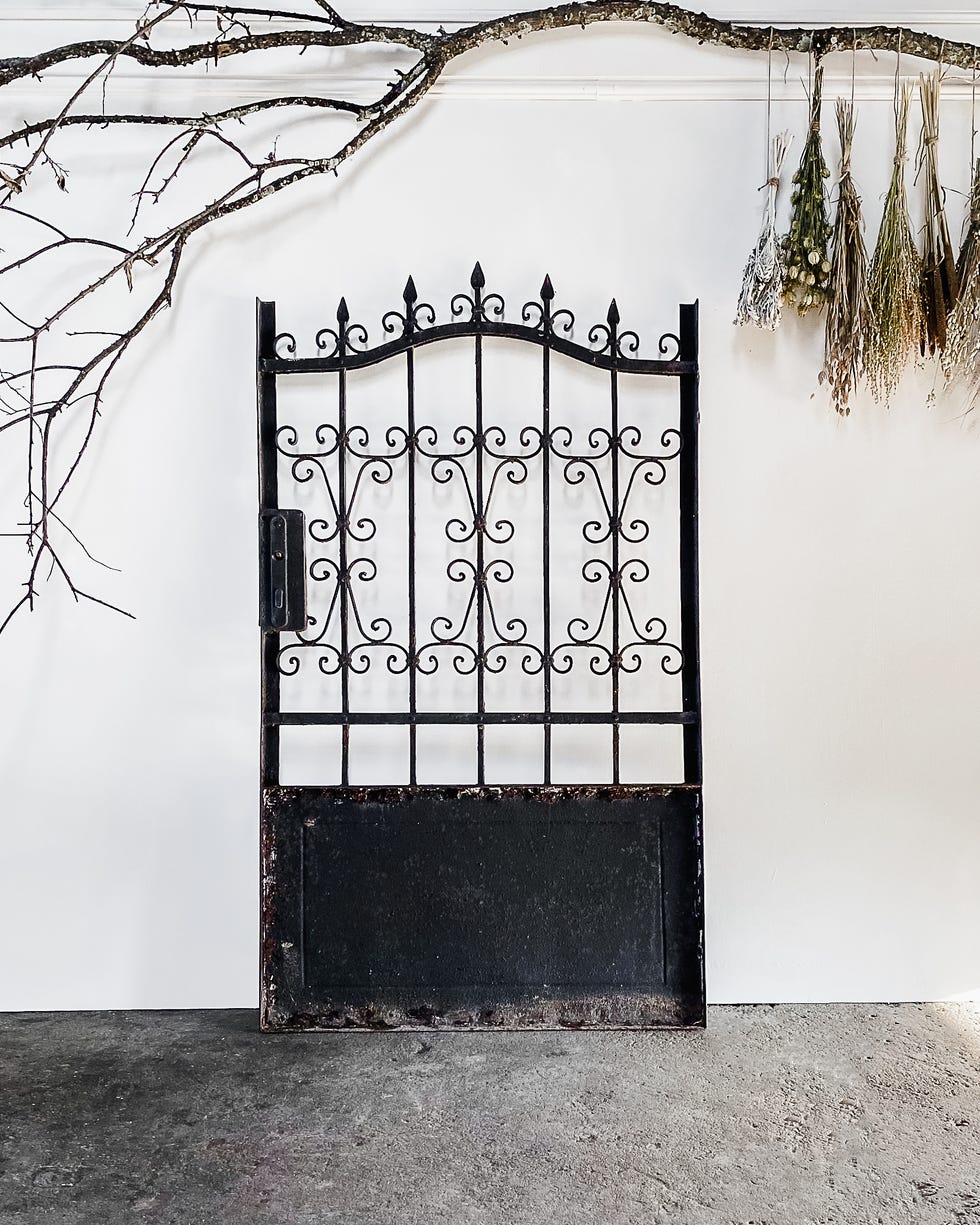
Courtesy East End Salvage
Just like you may incorporate an antique door or vintage hardware inside your home, garden gates can be a great way to add patina to the “architecture” of your garden. “Garden gates are one of the easiest ways to introduce a sense of history into a landscape, especially when they’re used as a true entrance rather than simply as decoration,” says Lyford. “We source many of our gates from England and France, where garden culture has been deeply rooted for centuries. Late 19th-century examples made from cast iron are especially desirable because of their durability and the ornate detail that casting allowed. Prices can range from about $650 for simpler examples to $2,500 or more for larger, more decorative gates with original hinges and working latches.”
Teak Dining Tables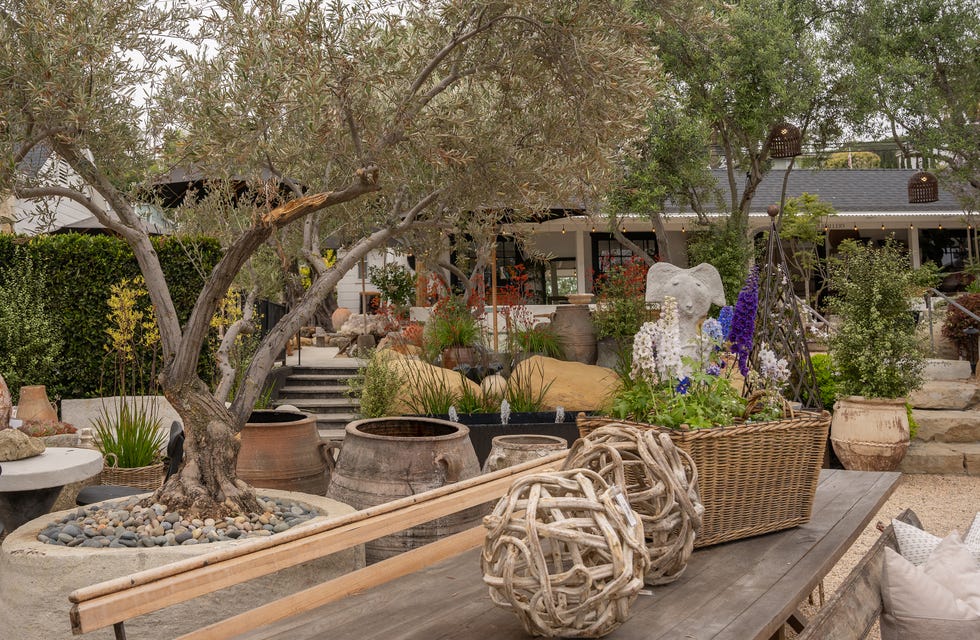
Courtesy The Well
Beloved for its durable nature and beautiful patina, teak is perhaps the most in-demand material when it comes to outdoor furniture, particularly for dining tables. “Moving into the warmer weather, our clients are looking to foster beauty and community around quality outdoor pieces,” says Shane Brown, owner of Big Daddy Antiques, The Well, and The Well Gardens, a home and garden store with locations in Santa Barbara, Montecito, and soon Carpinteria, California. “People can’t get enough of our teak outdoor dining tables. We see them used everywhere, frequently in conjunction with our steel garden greenhouses to create an intimate vignette.” Per Brown, a good, solid teak table typically runs between $2,800 and $8,000. “It all depends on what size you’re looking for, and the quality of the piece,” he adds.
Related StoryPlanters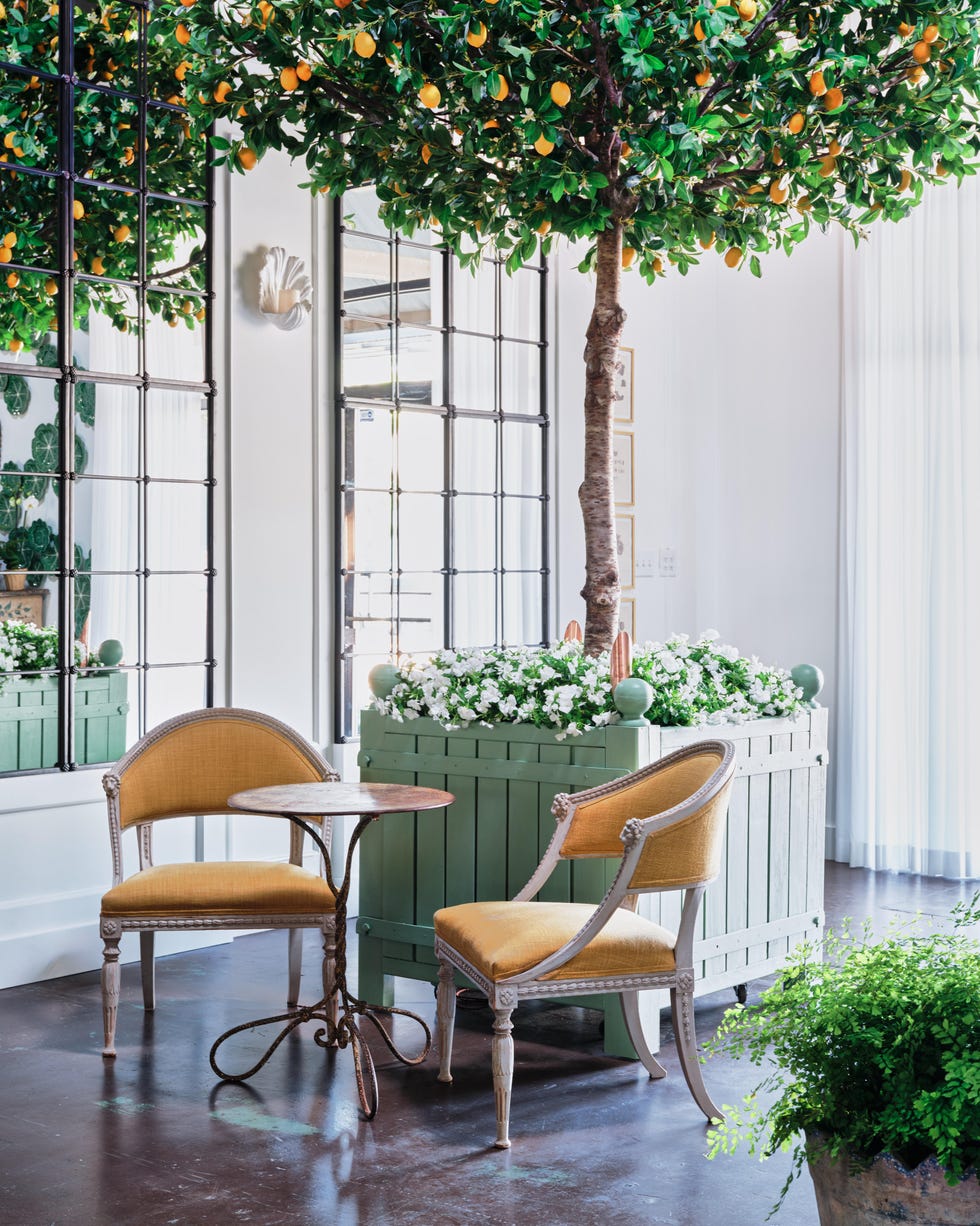
Courtesy Dustin Adams for Clementin
Oftentimes, the most valuable garden antiques are also the most substantial, offering a lot of bang for your buck either in size or materiality. In particular, planters made of quality materials—think stone, terracotta, or iron—are often extremely popular with shoppers. “Antique containers and planters are always in demand, whether that’s an Italian terracotta pot, an iron urn, a cast stone footed bowl, or a Versailles box for a citrus tree,” says Lynton. “Prices vary depending on the age, size, and condition of the container, but generally, antique items will be in the range of $1,000 to $6,000.”
Schwartz notes that planters from the midcentury Swiss designer Willy Guhl are particularly valuable, often fetching into the thousands at auctions. “Designed in the 1950s and 1960s for Eternit, they’re made from a fiber-cement material that is both lightweight and durable outdoors,” she adds. “The most popular shape remains the Handkerchief planter. Their sculptural shapes work beautifully in both traditional and modern gardens. Depending on the form and size, collectors can expect to spend roughly $800 to $4,500.”
Garden Statues 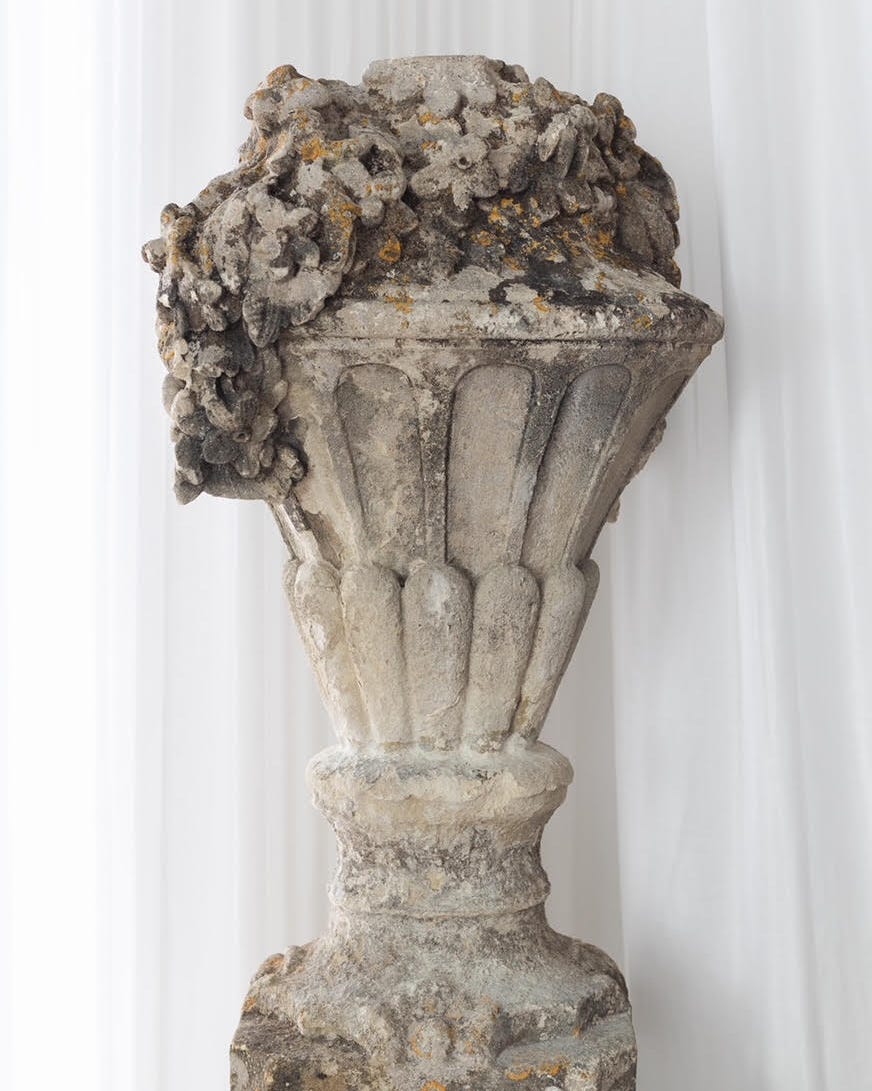
Courtesy Holly Schumpert for Clementin
Nothing sets the scene in a garden quite like a timeworn statue that presides over plantings with a quiet elegance. “Classical garden statuary is having a real moment,” says Schwartz, who often sells pieces she finds abroad to clients before they even make it back stateside. “Neoclassical figures and complete sets of the Four Seasons bring a sense of history, romance, and artistry to outdoor spaces. Depending on the scale and material, statues can range from around $1,000 for smaller examples to well over $10,000 for monumental pieces.”
Edging Tiles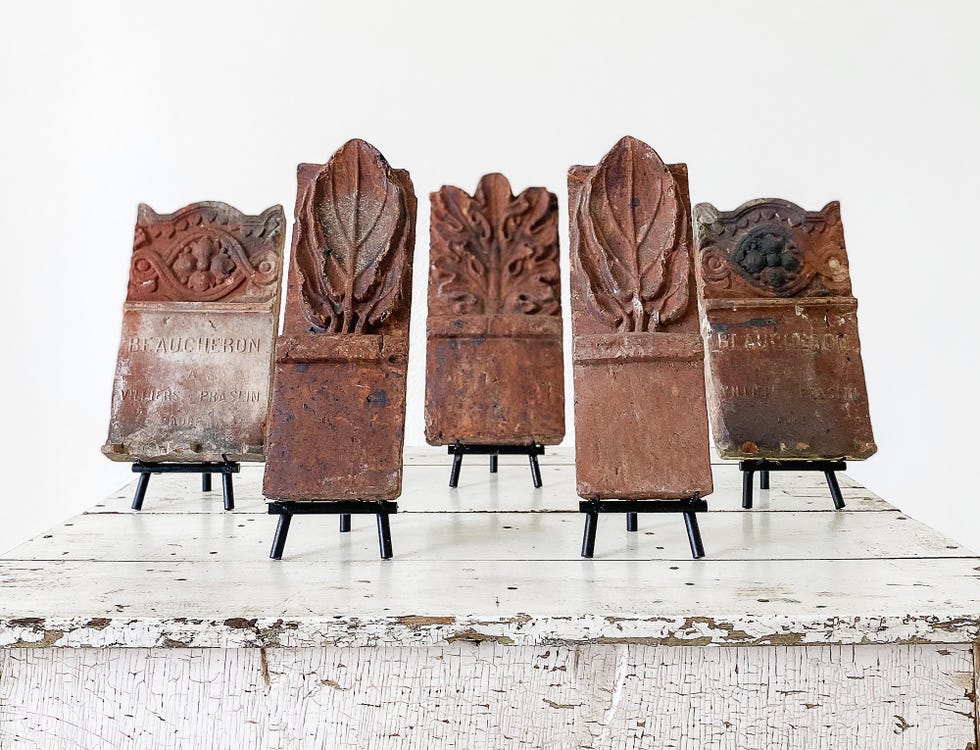
Courtesy East End Salvage
Landscaping elements are also a popular category for garden antiques, allowing homeowners to layer in history and classical charm to the foundation of their garden. “Stoneware edging tiles are a rarer find and tend to sell immediately when we locate them,” says Lyford. “These handmade clay tiles were produced during the Victorian era in England and France and were designed to edge garden beds. They were typically installed halfway into the soil, leaving a decorative top visible above the ground. Because many were lost or broken over time, finding a sizable group in good condition is uncommon. When a large lot becomes available, they’re incredibly sought after by designers and collectors. Shoppers can generally expect to spend around $25 to $65 per linear foot, depending on the design, condition, and quantity available.”
More High-Value Antiques:
Comments are closed.