
 2 min read
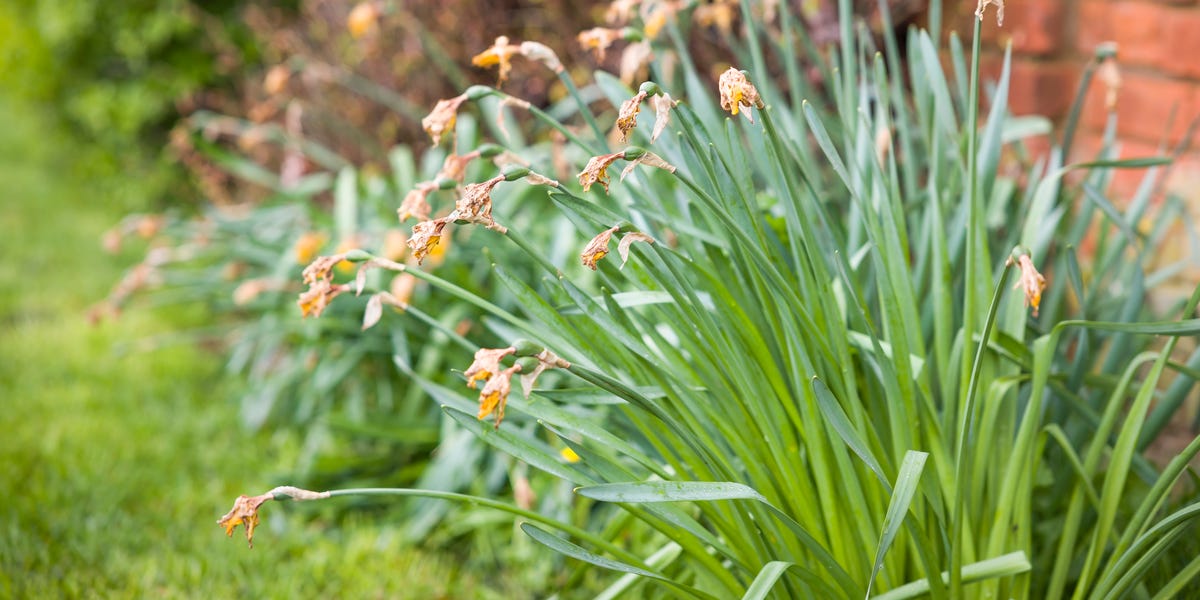
Now that the daffodils are starting to fade, you may wonder, what’s next??!! Here’s how to treat the leaves after the bright yellow blooms are gone.
We talked to Jinny Blom, award-winning landscape designer and RHS Chelsea Flower Show star, and Nigel Dunnett, professor of Planting Design and Urban Horticulture—to find out exactly what to do once your daffodils have had their moment.
Quick Daffodil Care Tips After FloweringDon’t cut back leaves for at least 6 weeksDeadhead spent flowersNever tie or braid the leavesLet foliage die back naturallyPlant around them to hide fading growthWhat to Do With Daffodils After Flowering
Don’t be too hasty with the clippers.
Nigel agrees: “The key thing is not to cut back the leaves until they begin to change color and die back – usually around six weeks. That time lets the plant push all the good stuff back into the bulb so it’s raring to go again next year.”
If you cut them too early, you risk weaker blooms—or none at all.
The Biggest Mistake People Make With Daffodils
Cutting back the leaves too soon is the number one error.
While the plant may look messy, those leaves are still working hard—feeding the bulb for next year’s display. Removing them early interrupts that process and can reduce flowering.
Patience here really pays off.
Should You Deadhead Daffodils?
Yes—this is the one thing you should do.
Snipping off spent flowers stops the plant from putting energy into seed production and redirects it back into the bulb.
“If you’ve planted huge drifts, it might not be practical,” says Jinny. “But not deadheading may reduce the number of flowers over time.”
Nigel adds: “You might end up with lots of leaves but fewer flowers next year if energy goes into seeds instead of the bulb.”
Can You Tie or Braid Daffodil Leaves?
You may have seen people twist or tie daffodil leaves like they’re plaiting flower hair—but both experts wouldn’t recommend this technique.
Nigel explains: “Tying them can damage the leaves and open them up to disease. Just let nature do its thing—plant them amongst other long-flowering perennials and let them melt back gracefully.”
How to Keep Color in the Garden After the Daffodils Fade?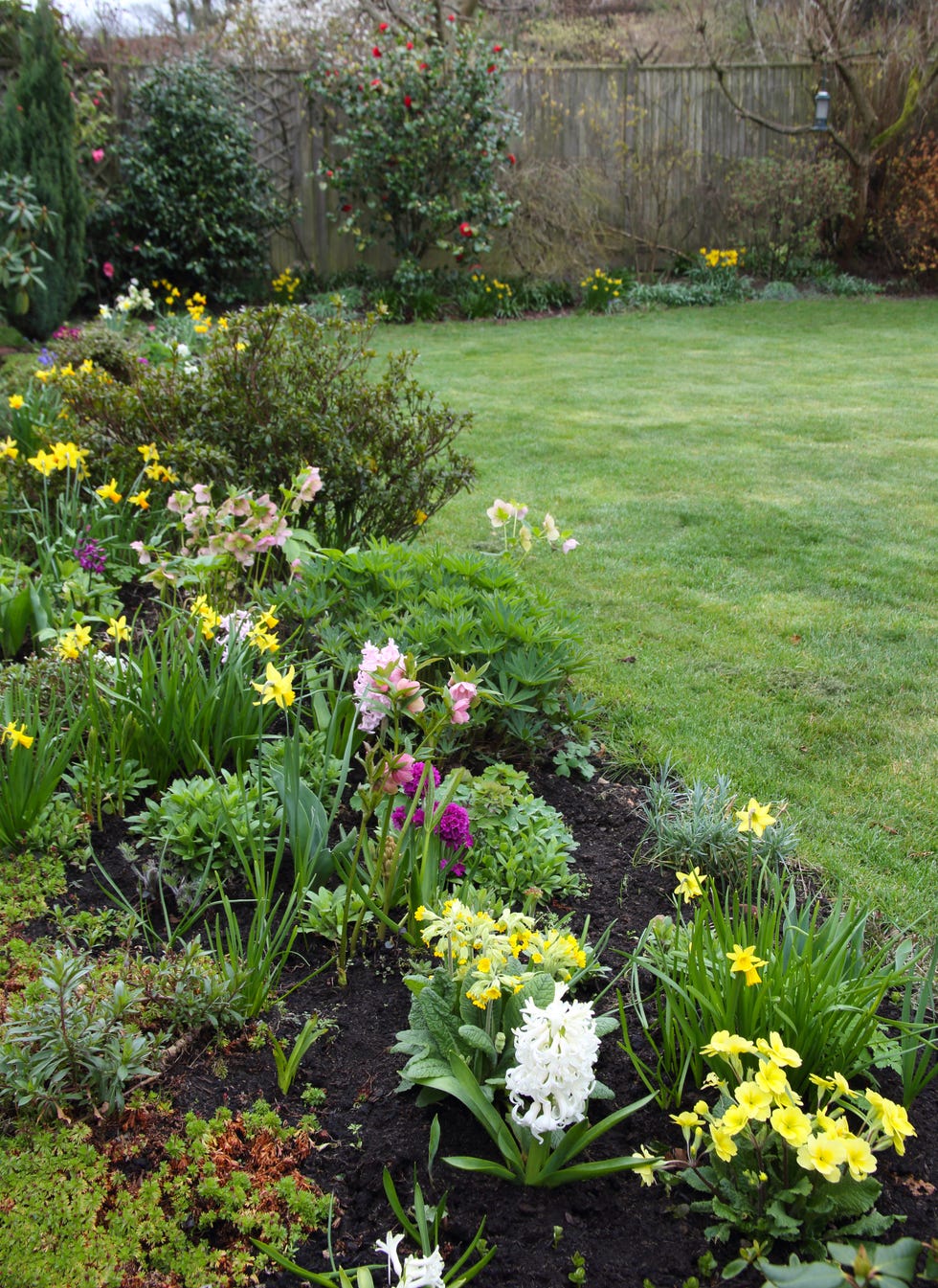
Rosemary Calvert//Getty Images
If the fading foliage bothers you, the solution is smart planting.
Nigel recommends playing the long game. He suggests: “Plant other things around the daffodils – their leaves will grow up and hide the dying bits. Or plant your daffodils at the back of beds so they’re less in-your-face when they start to fade.”
Also, throwing some wildflowers into the mix with your planting—like oxeye daisies, cranesbill, or knapweed—will carry the color through summer and distract from the fade-out.
The Bottom Line
Daffodils don’t need much after flowering—but timing is everything.
Let the leaves die back naturally, remove spent blooms, and resist the urge to tidy too soon. Get this stage right, and your daffodils will come back stronger and brighter next spring—no replanting required.
Comments are closed.