
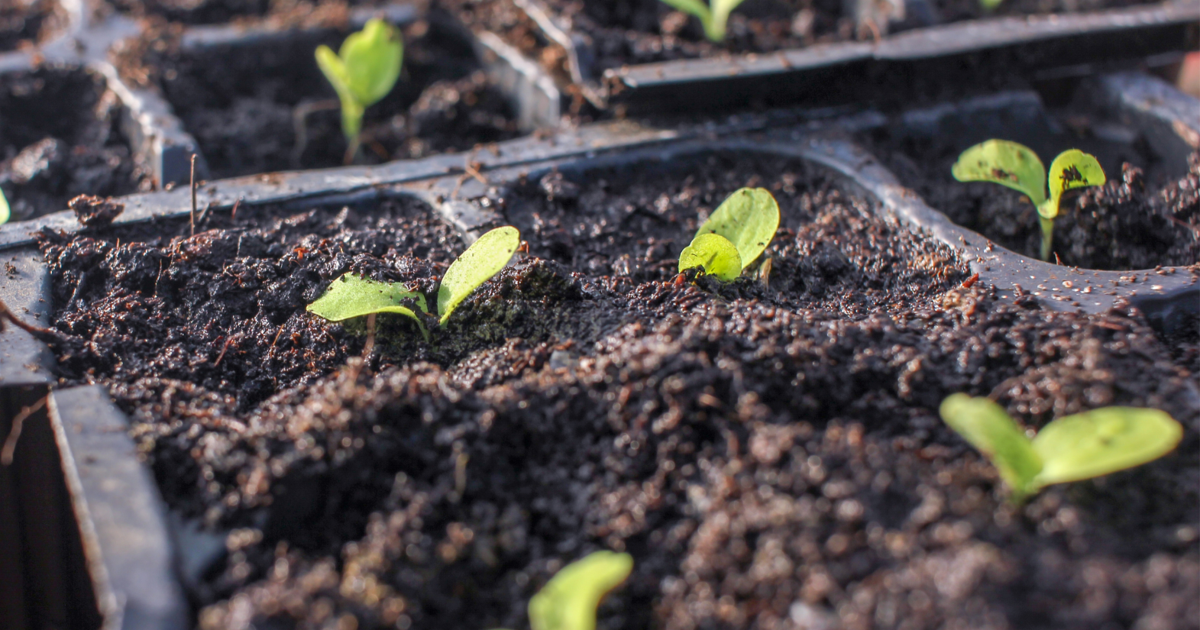
Late winter and early spring are natural times for gardeners to begin thinking about the growing season ahead. While garden beds may still be dormant outdoors, many growers are already preparing by starting seeds indoors.
Seed starting allows gardeners to get a head start on the season, expand the variety of plants they grow and enjoy the rewarding process of watching plants develop from the very beginning. Seeds are often more affordable than purchasing established plants from a nursery, and they offer access to a much wider selection of plant varieties. For many gardeners, however, the most rewarding part is simply watching the plants grow from the earliest stage.
For those new to seed starting, local horticulture experts say the process can be simple when gardeners begin with the right expectations.
According to Master Gardener Tammie Winkler, one of the most common challenges beginners face is choosing seeds that are difficult to germinate.
“Sometimes they might try to start seeds that require cold or scarring stratification, like most perennials, or seeds that have a difficult dormancy to break,” Winkler said. “They may have little or no success, and that can discourage them from trying other seeds that germinate right away, like vegetables or annual flowers.”
Instead, she encourages beginners to start with plants known for germinating easily.
“Start seeds for an annual herb or flower like basil or zinnias,” Winkler said. “Sunflowers are also typically easy to start from seed.”
These plants tend to grow quickly and provide relatively fast rewards for new gardeners. Basil is often ready to harvest in about 60 days, while zinnias typically begin blooming by early summer if started in mid- to late spring.
“That quick gratification may motivate you to try other varieties,” Winkler said.
Mary Dossett, M.S., Extension Agent for Horticulture and advisor for the McCracken County Extension Master Gardeners, also recommends herbs as a starting point.
“For those who are new to seed starting, herbs are an excellent place to begin,” Dossett said. “They are generally easy to grow and offer multiple benefits, including culinary uses and natural pest-repellent properties in the garden.”
Seed starting does not require complicated equipment. In fact, many gardeners successfully grow seedlings using simple household containers.
“I use all sorts of containers, provided I can make drainage holes in them,” Winkler said. “I upcycle yogurt containers, milk jugs, clay pots and cottage cheese containers.”
Regardless of the container used, proper drainage and a quality potting mix are important. Winkler recommends ensuring the potting mix is thoroughly moist before planting and making sure seedlings receive adequate light, either from a sunny window or artificial grow lights.
Dossett said a few basic tools can help improve success rates for gardeners starting seeds indoors. These include seed-starting trays, a high-quality potting mix such as Pro-Mix, a small watering can, reliable seeds and an adequate light source.
She also encourages gardeners to label their plants so they can keep track of what they have planted as seedlings begin to grow.
Timing is another important part of successful seed starting. Dossett said one of the most common mistakes beginners make is starting seeds too early or planting more seeds than they can realistically manage.
“This can be avoided by identifying the last expected frost date for your growing zone and carefully reviewing the germination and transplant timelines provided on seed packets,” Dossett said.
Starting seeds too early can cause plants to outgrow their containers before outdoor conditions are suitable.
“This may weaken the plants or require additional care,” Dossett explained.
Winkler said gardeners should pay close attention to the information printed on seed packets, which often includes recommendations for when seeds should be started indoors.
“The seed packet will typically list days to maturity and may recommend starting seeds four to six weeks before your average last frost date,” she said.
Extension resources can also help gardeners determine the best planting timeline. Publications from university extension services provide guidance on when to begin common vegetables, herbs and flowers indoors so they are ready to transplant into the garden once the danger of frost has passed.
By following these guidelines and starting with easy-to-grow varieties, gardeners can build confidence and develop the skills needed for a successful growing season.
For many growers, the process of seed starting becomes an enjoyable seasonal tradition. One that reminds us that spring is getting a little closer with every new seedling that emerges.
Comments are closed.