
Spring is crucial time for lawn maintenance, and neglecting it now can result in a thin and patchy grass once summer arrives
Grass will stay healthy all year if you take care of it in spring (Image: OlenaMykhaylova via Getty Images)
As the weather warms up, lawns are beginning to sprout anew. It’s tempting for gardeners to neglect their grass in favour of basking in the sunshine, but Joe, the founder of Joe’s Lawn Care, warns that spring is a crucial period for lawn maintenance. Neglecting it now could result in sparse, bare grass by summer.
He cautioned: “You may have gotten too comfortable and become tempted by the idea of neglecting your spring lawn care chores entirely. Don’t let this happen. Seriously. You’ll only live to regret it.” Lawns often appear matted and mossy at this time of year, having suffered considerable damage during the winter months due to insufficient sunlight.
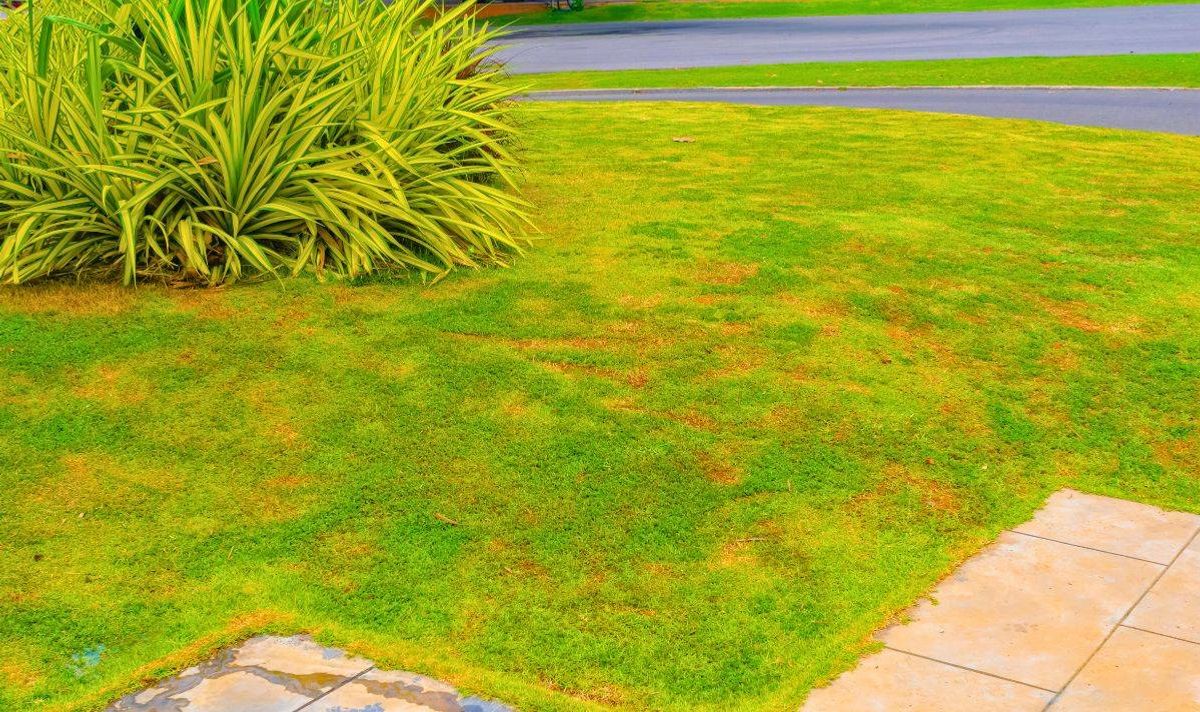
Lawns will not grow properly unless they are cared for in spring(Image: Getty)
Many gardeners simply scatter fertiliser and perhaps remove some moss, but the majority of lawn problems stem from soil compaction, which hampers the grass’s water absorption.
If lawns aren’t properly tended to in spring, they’ll struggle to stay hydrated during the hotter summer months, resulting in a patchy, yellow appearance.
To ensure a lush, green lawn, concentrate on three simple tasks over the coming weeks. This will provide the grass with the resilience it needs to remain healthy throughout the rest of the year, reports the Express.
Spring Lawn Care TipsRake Your Lawn Regularly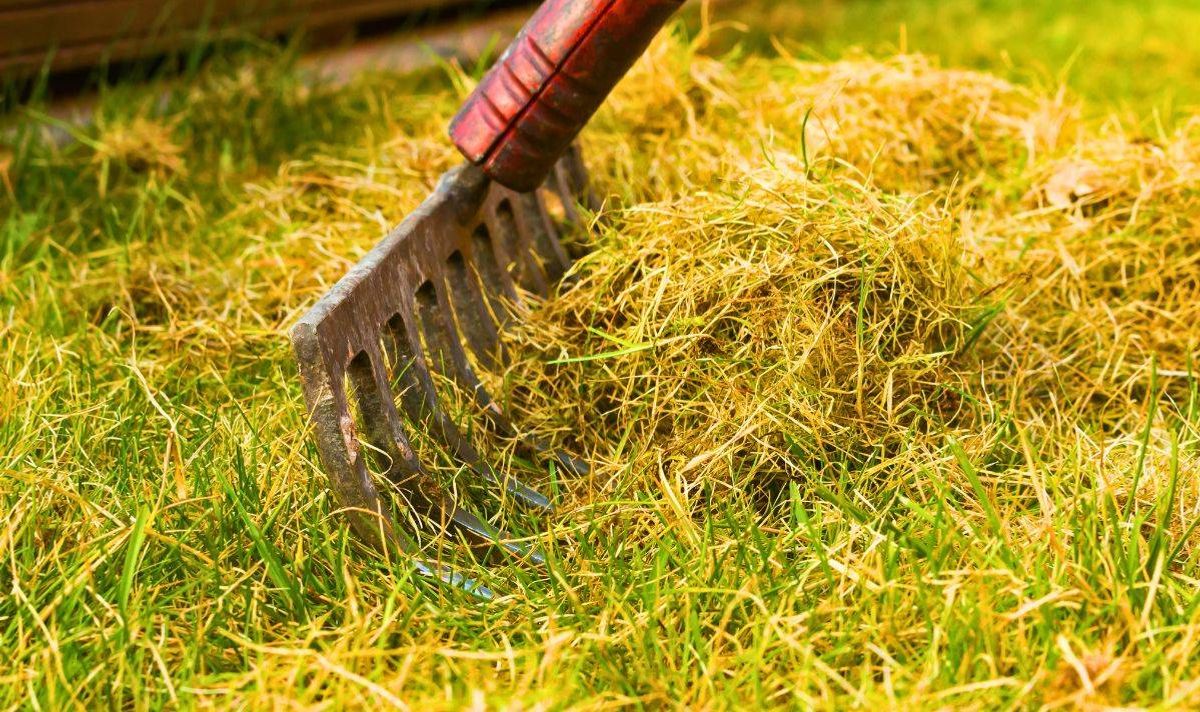
Dead foliage can become trapped in grass over winter and needs to be removed(Image: Getty)
Over winter, lawns often accumulate decaying foliage. As the grass grows over this debris, it forms a dense layer known as thatch.
Thatch accumulates above the soil and typically prevents water from penetrating down to the roots, whilst also starving the grass of oxygen, hindering its proper growth. Using a rake on your lawn ranks amongst the most vital gardening tasks to undertake in spring, as it eliminates thatch accumulation along with any moss that may have settled on the grass.
Joe explained: “Raking. That should always be the first spring lawn chore on the list. The problem is, no one does this because they don’t think they need to.”
Simply run a rake firmly across your lawn and collect any organic matter that surfaces from the grass. Ensure you dispose of or compost the decomposing vegetation; otherwise it will simply transform back into thatch.
Poke holes in the grass
Aerating is simply poking holes in a lawn to loosen up the soil(Image: Getty)
Many gardeners concentrate solely on their grass, but throughout winter, the persistent wet, frosty conditions can severely compress the soil.
This causes the earth to harden and limits the amount of air, water and sunshine that can penetrate to the grass roots, hampering its development.
It’s crucial for lawn roots to establish themselves before summer arrives, as deeper roots can retain more moisture, enabling the grass to remain lush and verdant for extended periods.
Fortunately, it’s remarkably straightforward to loosen the soil through a technique known as aeration, which simply involves using a garden fork to create numerous holes in the ground.
Joe noted: “The solution is lawn aeration, which is basically where you stab holes all over your lawn to help the soil beneath it breathe.”
Spring is the ideal moment to sow grass seed With the sunshine encouraging more outdoor activities, many homeowners find their grass becoming patchy and worn from increased foot traffic during spring.
Seed the lawn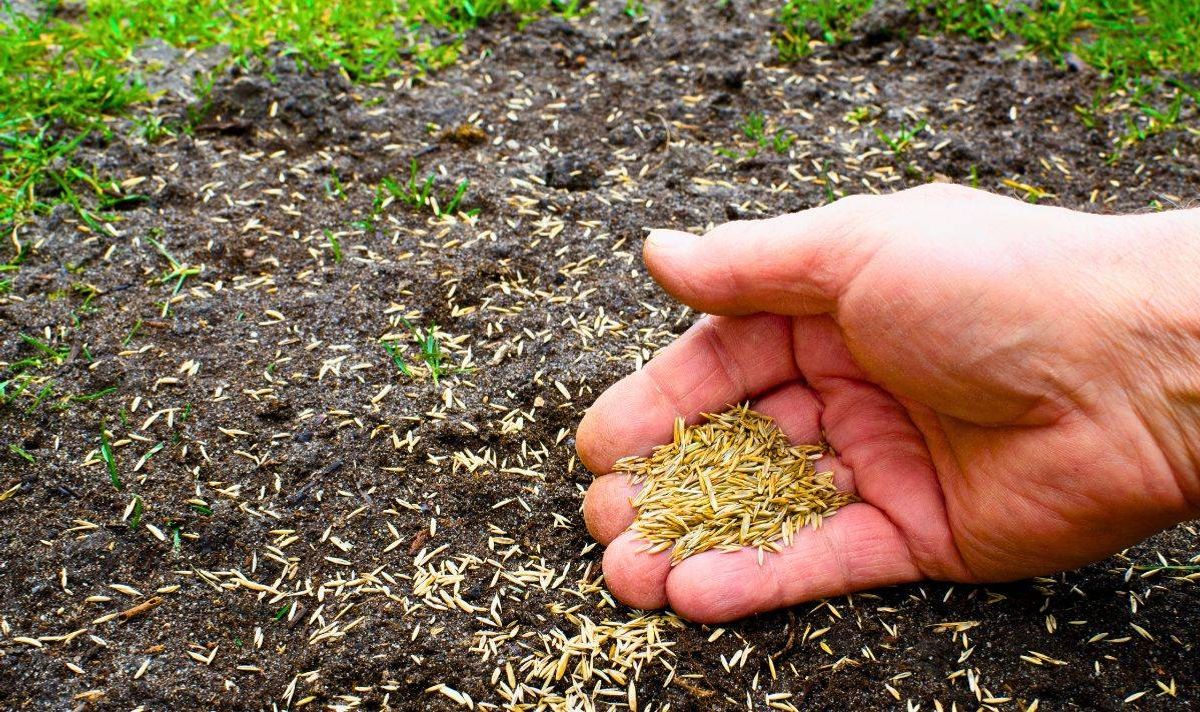
The best time to seed a lawn is April when the ground is warm for germination(Image: Getty)
Investing time in seeding your lawn will help fill in any sparse patches, improving its appearance whilst strengthening the turf to better handle people walking across it.
When grass has the opportunity to establish itself properly during spring, it develops sufficiently to cope with the hotter and drier conditions ahead, ensuring it remains healthy all summer long.
This also explains why raking and aerating your lawn is crucial: it provides an improved surface for seeds to take root and boosts the chances of successful grass growth.
April tends to be the optimal time for seeding lawns, once the soil has sufficiently warmed up, meaning that completing these three straightforward maintenance tasks will guarantee you achieve a lusher, more vibrant, and hardier lawn.
Comments are closed.