
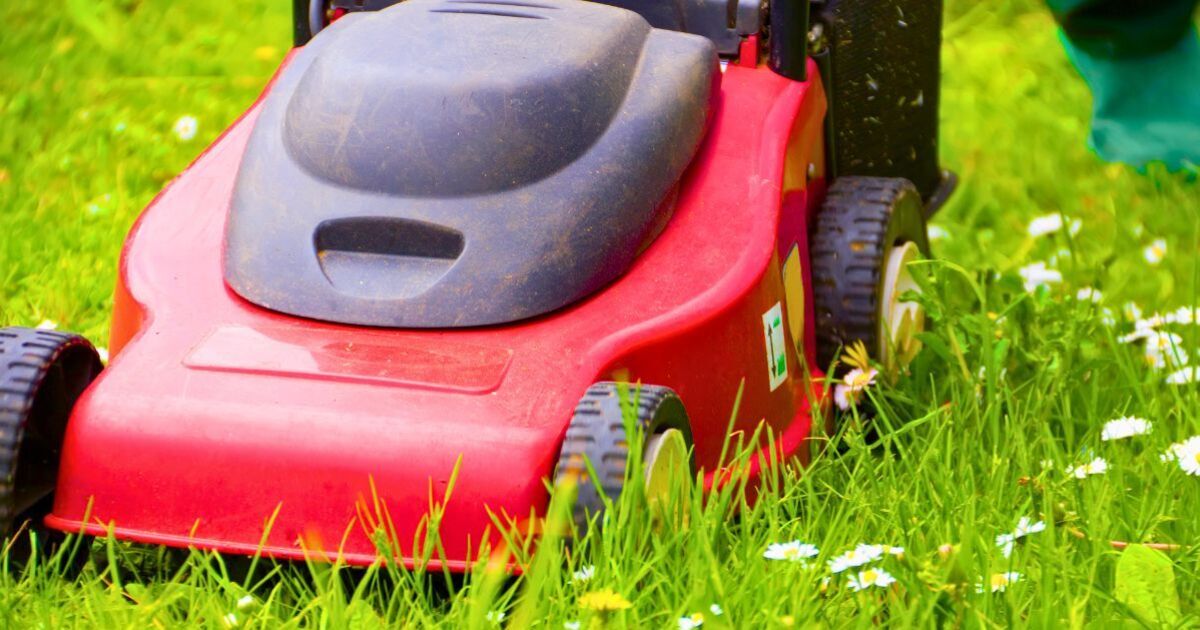
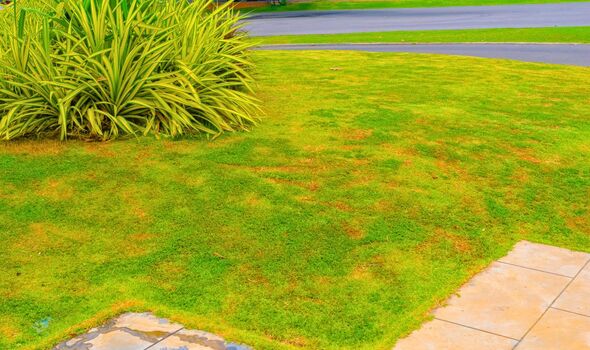
Lawns will not grow properly unless they are cared for in spring (Image: Getty)
Lawns are just starting to grow again as it gets warmer, and it is really easy for gardeners to put off caring for the grass in order to enjoy the sunny weather. However, Joe, the founder of Joe’s Lawn Care, has stated spring is an important time of year for lawn maintenance, and ignoring it now will lead to thin bare grass once summer arrives.
He said: “You may have gotten too comfortable and become tempted by the idea of neglecting your spring lawn care chores entirely. Don’t let this happen. Seriously. You’ll only live to regret it.” It is common for lawns to be matted and mossy at this time of year, as they can sustain significant damage over the winter months when the grass receives insufficient sunlight.
READ MORE: Gardeners can get B&Q grass seed for under £1 with clever deal
READ MORE: Gardeners urged to mow less or stop cutting grass altogether in spring
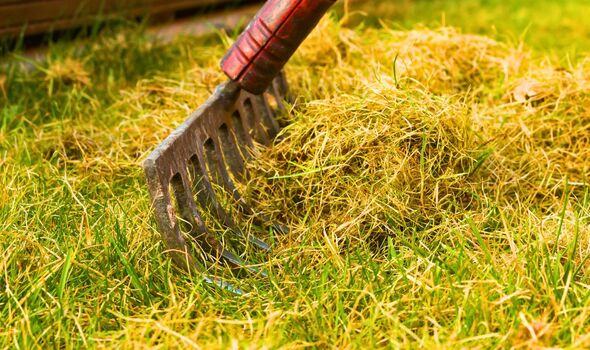
Dead foliage can become trapped in grass over winter and needs to be removed (Image: Getty)
Most gardeners just throw fertiliser on the ground and maybe remove the moss, but most lawn issues are due to soil compaction, which affects how much water the grass gets.
If lawns are not properly cared for in spring, they will struggle to stay hydrated during the hotter summer months, which can lead to a patchy and yellow appearance.
To maintain a lush, green lawn, focus on three simple tasks over the next few weeks, and this will give the grass the strength it needs to stay healthy throughout the rest of the year.
How to care for a lawn in spring
Make sure to rake your lawn
Lawns tend to become covered in decaying foliage throughout winter, which the grass grows over and, over time, forms a dense layer called thatch.
Thatch sits above the soil and tends to block water from reaching the roots, and will also suffocate the grass, so it will not be able to grow properly. Taking a rake over a lawn is one of the most important gardening jobs you can do in spring, as it will remove thatch buildup as well as moss that might be lingering on the grass.
Joe said: “Raking. That should always be the first spring lawn chore on the list. The problem is, no one does this because they don’t think they need to.”
All you need to do is use a rake firmly across a lawn and lift any organic material that comes out of the grass. Make sure to bin or compost the decaying foliage; it will just turn into thatch again.
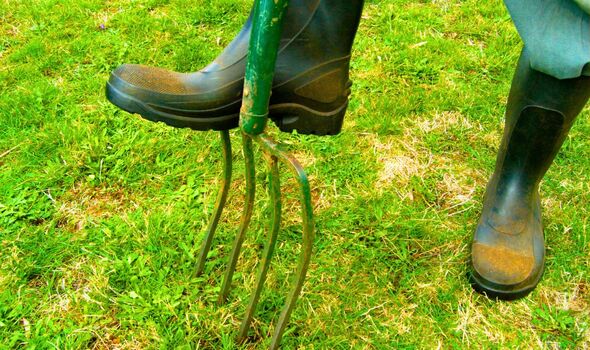
Aerating is simply poking holes in a lawn to loosen up the soil (Image: Getty)
A lot of gardeners simply focus on their grass, but during winter, the buildup of winter from rainy, icy weather can really compact the soil.
This means that the soil hardens and will restrict how much air, water and sunlight can reach the grass roots, so it struggles to grow.
It is important for lawn roots to develop before summer, as deeper roots can hold more water, helping the grass stay hydrated and green for longer.
However, it is really simple to break up the soil with a process called aeration, which is just using a pitchfork to poke lots of holes in the ground.
Joe said: “The solution is lawn aeration, which is basically where you stab holes all over your lawn to help the soil beneath it breathe.”
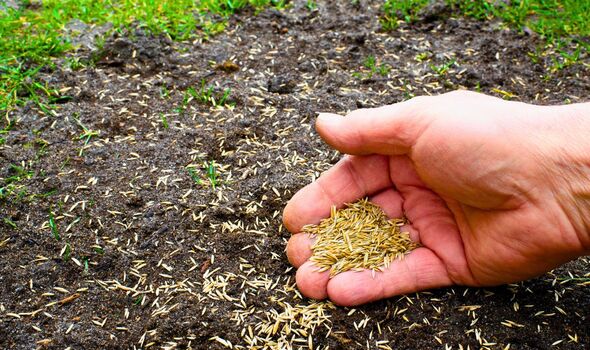
The best time to seed a lawn is April when the ground is warm for germination (Image: Getty)
Now is the time to seed the lawn
Most people are enjoying spending more time outdoors now that the sun is out, but trampling all over the grass in spring is what often causes it to become worn out and thin.
Taking the time to seed it will help thicken any weak areas of your lawn, making it look better and strengthening the turf so it becomes more resilient to foot traffic.
If grass has more time to establish itself in spring, then it will develop enough to withstand hotter and drier weather, so it will stay healthy throughout the summer.
This is also why it is important to rake and aerate a lawn: it creates a better surface for seeds to settle on and increases the likelihood of the grass growing.
It tends to be best to seed lawns in April, when the soil has warmed up, so taking the time to do these three easy maintenance jobs will ensure you get a thicker, greener, more resilient lawn.
Comments are closed.