
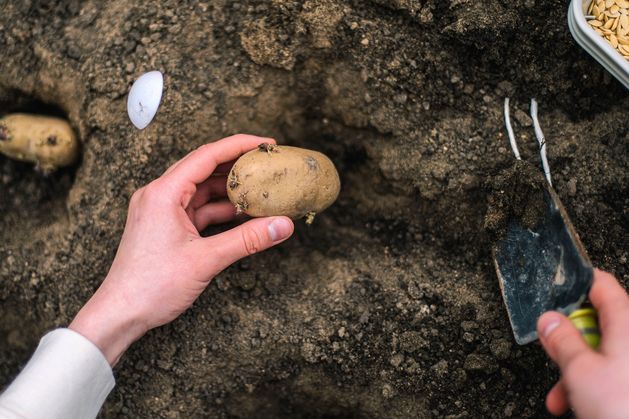
The soil should be dry and around 7C in temperature – you can find out exact conditions by consulting Met Éireann for your area. This is important because the potato is a half-hardy crop and the young shoots can be killed off by frost.
If you get them in the ground shortly, by the time shoots appear, frost will hopefully no longer be a concern and, if it is, you can cover the shoots with soil to protect them. If you have a polytunnel or greenhouse, you can get started as early as February.
Hailing from the Andes in South America, the wild potato was first cultivated by the Inca Indians several thousand years ago. It was discovered by Spanish conquistadores and brought back to these shores and beyond. It thrives in our cool climate, and due its high productivity using little space and being relatively easy to grow and nutritious, it quickly became a staple crop.
In the west of Ireland, you can still ridge and furrow formations in the hills known as lazy beds. This was a method devised by farmers using what they could to grow potatoes in otherwise inhospitable conditions on poor soil.
Raised beds were formed by digging parallel trenches and flipping sods over onto the planting area. Seaweed was added for nutrition. The trenches provided better drainage and the beds warmed up faster and increased yields.
This process of covering the growing potatoes with soil is known as earthing up. The reason this is done is because the crops we eat are tubers, which grow below ground on underground stems and they need a decent layer of soil to mature.
However, they can also be planted in grow bags or containers. In this case, you plant the potatoes on a layer of compost and keep adding compost to the bag or pot as the foliage grows. This means even if you only have a small patio or balcony, it’s still possible to grow some spuds so long as they are receiving around six hours of sunlight per day.
Early potatoes can be ready to crop in June and July and, for this reason, they are the easiest variety to grow as they are less likely to be exposed to potato blight later in the summer. It also means they are less susceptible to being eaten by slugs.
It’s best practice to buy seed potatoes and not use potatoes you buy in supermarkets. Potatoes can carry diseases, both bacterial and viral, but seed potatoes are cultivated carefully and screened for disease, so you have much less chance of introducing problems to your garden.
If your potatoes get diseased, you will need to replace the soil in which they grew. Seed potatoes should also give a better yield than ordinary potatoes and there are great varieties to choose from. ‘Orla’ is a very popular early variety and has good blight resistance – a great choice for the novice potato grower.
If you get planting now, you could be harvesting this golden crop in early summer, and there’s really nothing to match the taste of new potatoes freshly dug from your garden, boiled and covered with butter and salt – simply delicious.
Plant of the week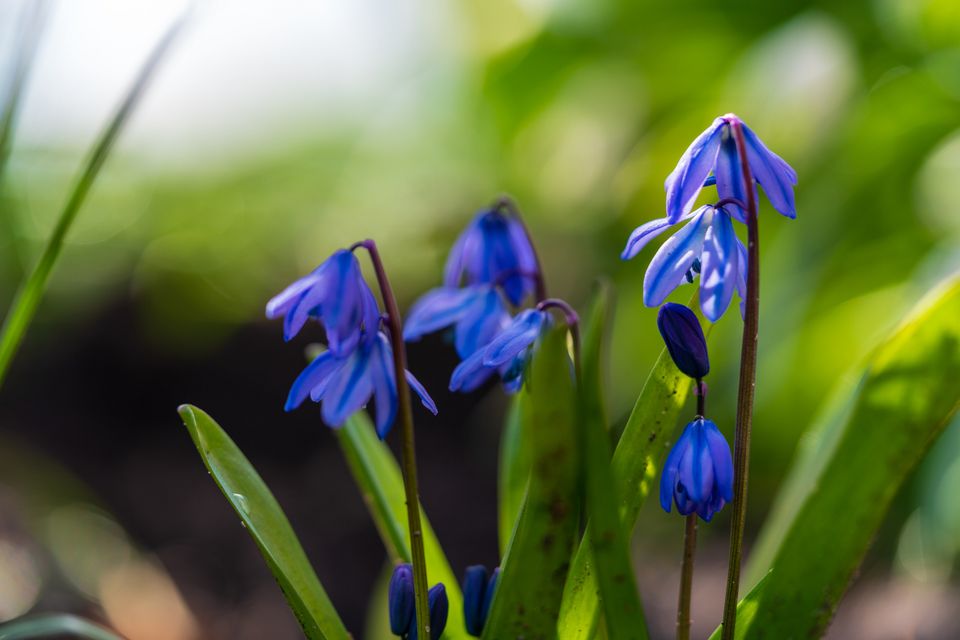
Scilla siberica
Scilla siberica
Scilla siberica, or Siberian squill, is a small bulb with nodding star-like blue flowers and looks delightful when it’s allowed to run free and naturalise, forming a sapphire blue carpet under deciduous trees or in grass. Plant bulbs in autumn in well-drained soil.
Reader Q&A
Q: Can I have some tips for pruning my hydrangeas please? They are looking in need of a cut.
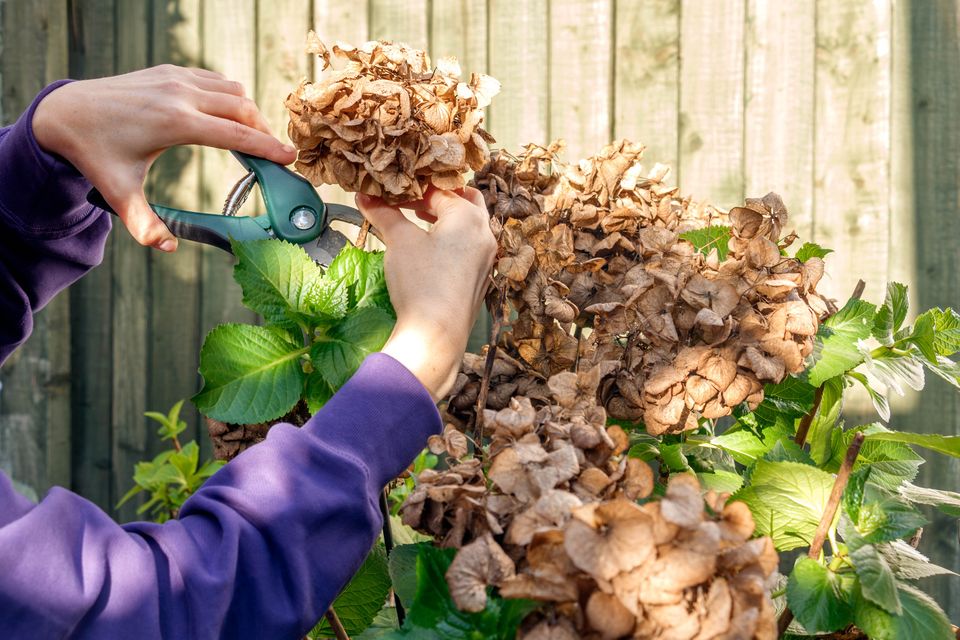
Pruning hydrangeas
The most important thing is knowing which hydrangea you have because different types flower on different wood. The mophead and lacecap varieties flower on last year’s stems so they should only be lightly pruned, usually removing dead flower heads and weak stems in spring. Hydrangea paniculata and arborescens (for example ‘Annabelle’) flower on new growth and can be pruned much harder in early spring to keep them compact and encourage strong flowering. A good rule is to remove some of the oldest stems each year to encourage younger growth. Aim for a natural shape rather than a tight ball so the plant keeps its graceful structure.
Submit your gardening questions to Diarmuid via his Instagram @diarmuidgavin using the hashtag #weekendgarden
Comments are closed.