
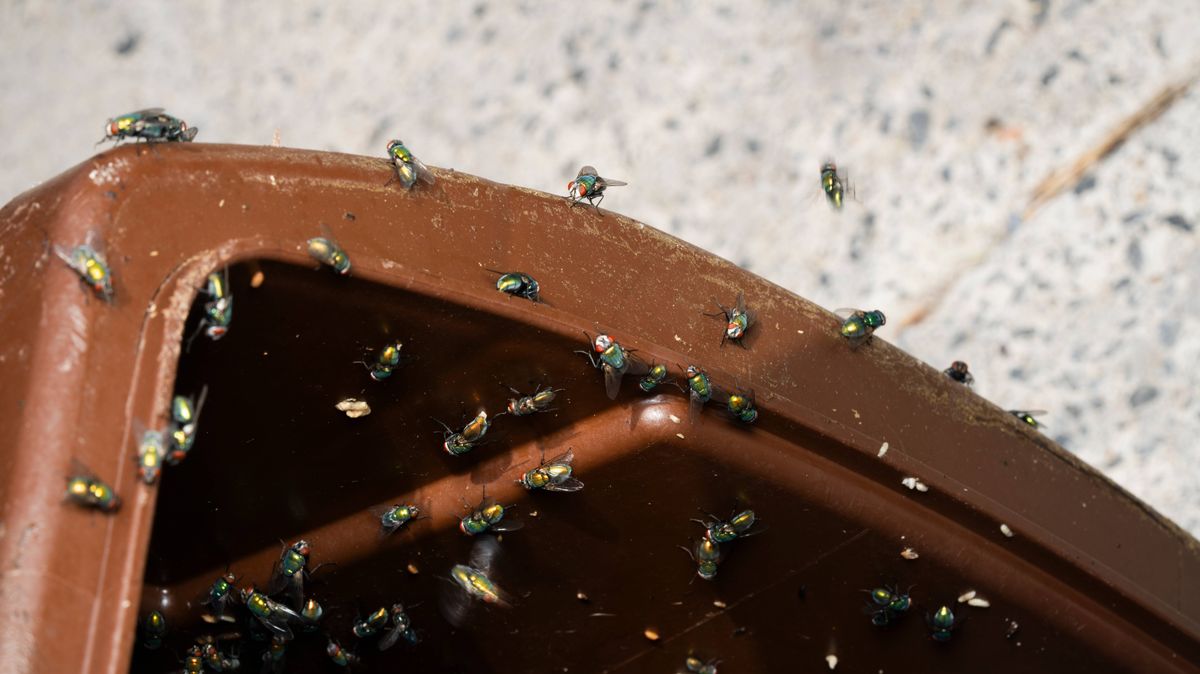
Wheelie bin maggots and flies become a common problem from spring through summer, but a cleaning professional has shared a simple kitchen cupboard staple that helps prevent themAngela Patrone Senior Lifestyle Reporter and Taite Johnson Audience and Trending Writer
03:21, 22 Mar 2026
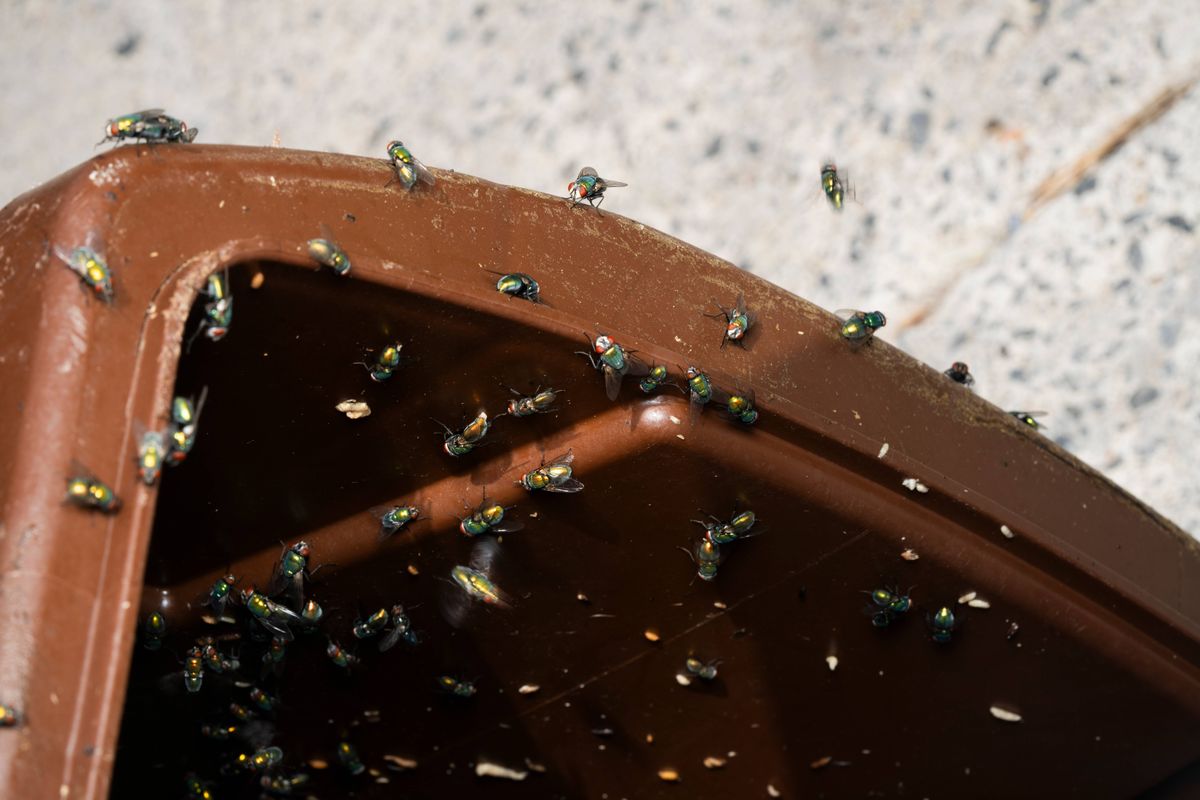
(Image: LaSalle-Photo via Getty Images)
Flies are drawn to wheelie bins in gardens, mostly due to the abundant food waste they contain. Once there, they deposit their eggs, which can develop into maggots within just 24 hours.
As weather conditions improve going into spring, these pests become progressively more attracted to wheelie bins. Flies typically begin presenting problems around late March, when temperatures consistently hit 10°C, as they thrive in warm, moist environments, such as bins.
Whilst numerous households turn to hosing down their wheelie bins, this method merely shifts some dirt without effectively removing the persistent residue or bacteria that accumulate on the plastic. For money-saving tips, sign up to our Money newsletter here
To stop flies and maggots from infiltrating your household waste bin, a commercial clean professional who runs the Instagram account @thecleangroup has shared a two-step technique, maintaining this will “keep those maggots from feasting on your bin juice for good”.
The initial step is to eliminate any maggots that might already be residing in your wheelie bin. To accomplish this, start by boiling a kettle and pouring the water into your bin, reports the Mirror.
The cleaning professionals emphasised that “boiling water kills maggots instantly”.
After the water treatment, simply throw away the maggots and give it a light scrub with some washing-up liquid if you wish.
Alternatively, “a quick blast with the garden hose will do”, the cleaner advises. The next step is vital if you’re looking to keep flies at bay – and it requires grabbing some salt from your kitchen cupboards. Sprinkle a handful of table salt each time you empty your bin, as “flies hate salt”.
The expert said: “It [salt] stops any stray eggs or larvae from hatching, soaks up your bin juice and will kill any flies who eat it.”
Household waste frequently contains liquids from food remnants, which can seep from plastic bags and collect at the bottom of a bin, producing unpleasant odours that attract flies.
Alongside using salt, the cleaner also recommends lining the base of your bin with newspaper as it “absorbs drips”.
Newspaper is extremely absorbent, so positioning it at the bottom of the bin will soak up surplus moisture and help maintain a dry environment, minimising the risk of pests or bacteria.
You can either lay multiple sheets of newspaper flat at the bottom of the bin or scrunch a bundle and place it inside. Remember to replace the newspaper monthly, as this will help keep your bin fresher.
Comments are closed.