
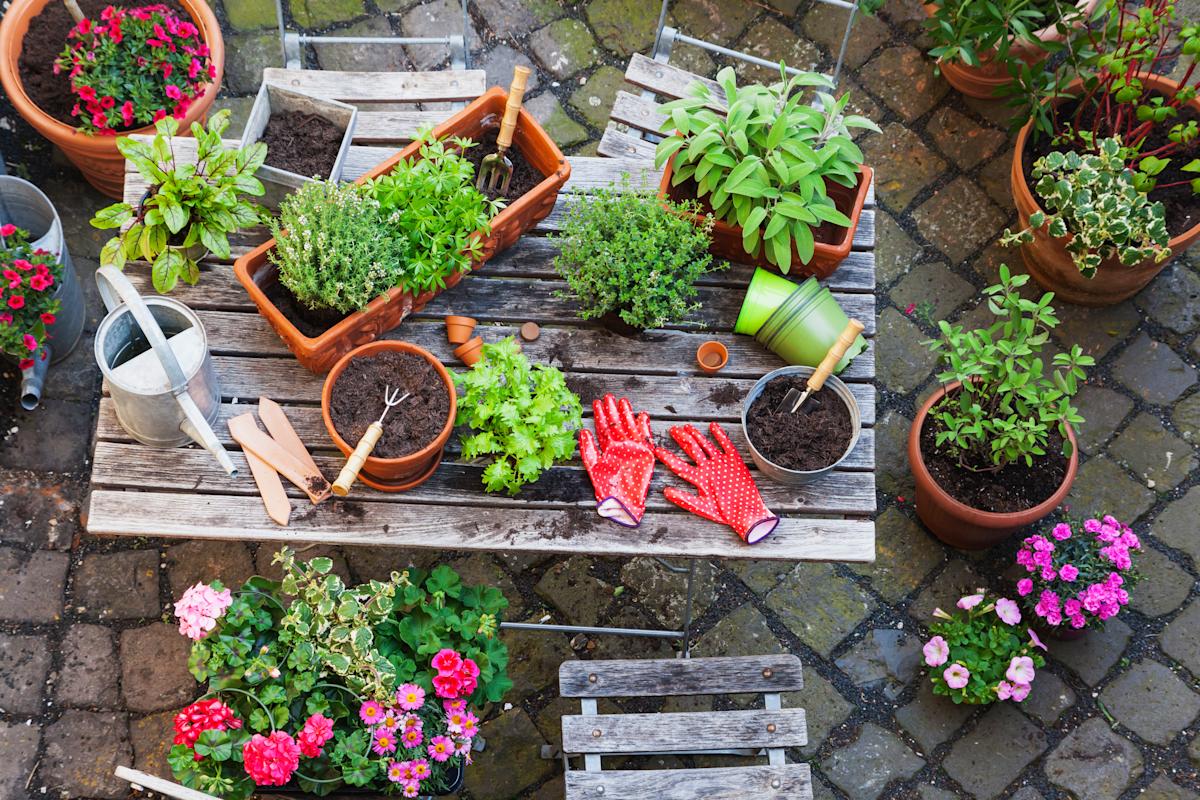
Gardening season is finally here, and plant pros have plenty of tips on how to set yourself (and your garden) up for success. (Westend61 via Getty Images)
It might feel like spring snuck up on you this year, but the telltale signs are there: budding trees, singing birds and hints of green popping up all over the place. If you’re a gardener, it’s high time to gear up for the season, and you might be wondering what tasks to prioritize. Or maybe you’re worried about digging in before the last frost, potentially putting your plant babies at risk. Well, we’ve done some digging for you (pun intended), checking in with experts to get the scoop on exactly what you should be doing in your garden this spring — and when.
9 tips for starting your spring garden, from pro gardeners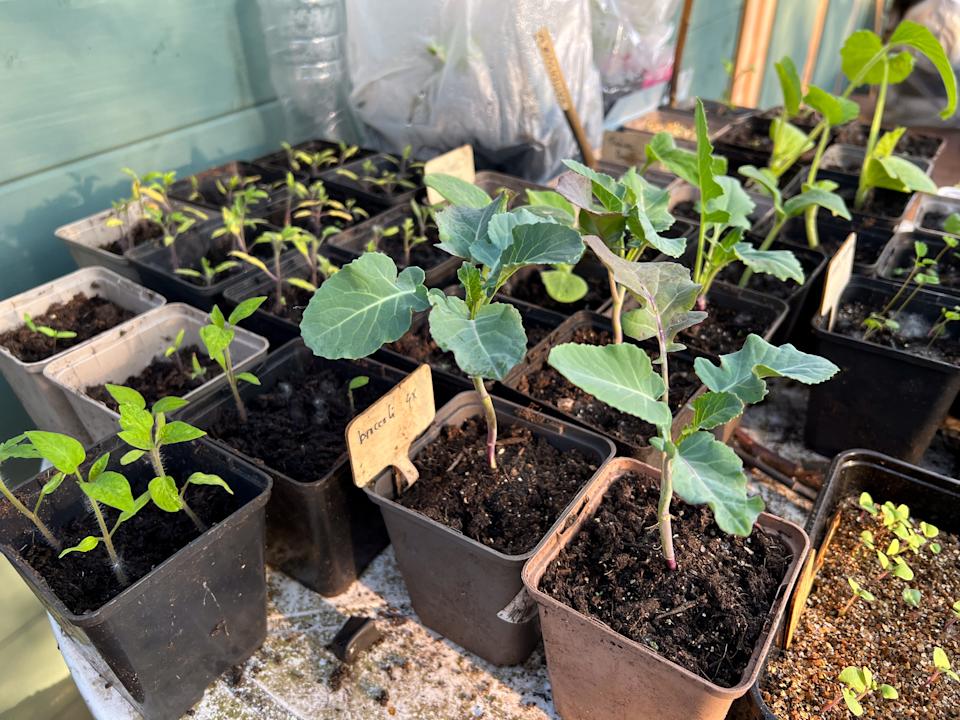
Hardy veggies like broccoli, arugula and spinach can withstand a cold snap or two. (Lucy Lambriex via Getty Images)
Kate Herlihy and Callyn Owen manage The Nursery at Mount Si in North Bend, Washington. Below, they’re sharing what home gardeners should be doing in early spring and how to make sure you’re not doing too much, too soon based on your local climate (and all that unpredictable spring weather).
1) Check your region’s last frost date
Knowing the expected date of your region’s last frost is critical — it tells you when you can start seeds, plant veggies and more. However, these dates vary significantly from place to place. And some parts of the U.S. don’t have first and last frost dates thanks to consistently warm weather.
The Old Farmer’s Almanac has a handy search tool that lets you look up your area’s first and last frost dates using your ZIP code. Some plants can tolerate being planted before the last frost, but many (especially annuals) shouldn’t be exposed to freezing temperatures. Herlihy and Owen say that trees, shrubs and hardy perennials are generally safe to plant in early spring, along with cold-loving veggies like broccoli, cauliflower, cabbage, arugula and spinach.
2) Map out your garden
As you wait for temps to rise, take some time to map out your garden. “Right plant, right place” is a common saying in the gardening world, Herlihy says. For example, if you want to plant veggies, decide where you want to put them and make sure that spot has the right conditions. “Making sure you know which parts of your yard will have sun at different times of the year” will affect where and how you decide to plant certain things, Herlihy adds.
Early spring is also a great time to research which plants, trees and shrubs thrive in your area or “zone,” based on the USDA Plant Hardiness Zone Map. While you might be daydreaming about roses, tomatoes and citrus trees, these coveted picks require specific conditions (and lots of maintenance). For plant recommendations straight from Herlihy and Owen, check out our guide to beginner-friendly outdoor plants.
3) Remove old plant material, debris and weeds from your garden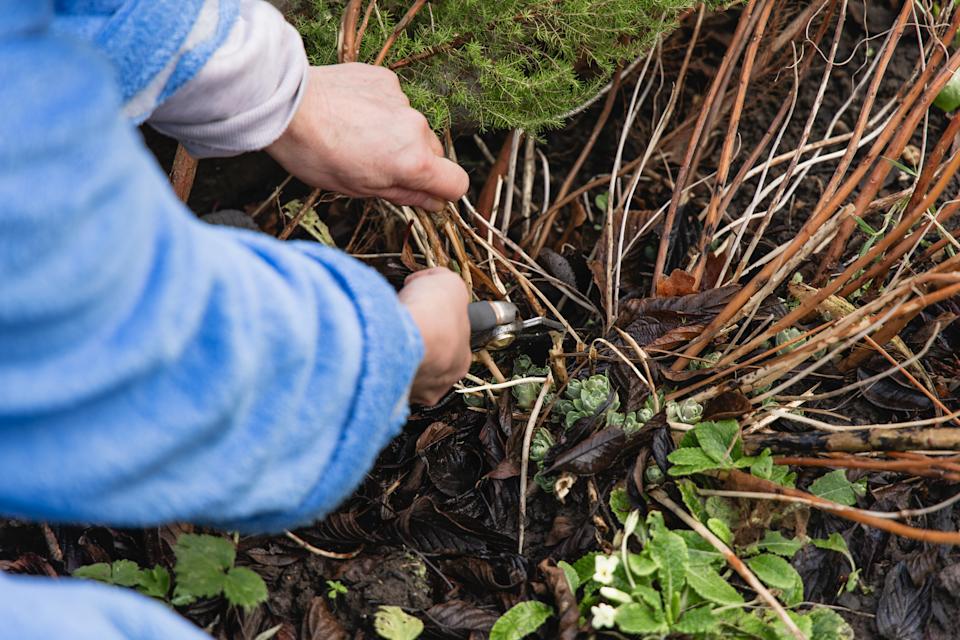
Eager to get to work? Start by clearing dead leaves and other organic debris. (Iuliia Bondar via Getty Images)
Clearing out your yard and garden beds is another fall task that often (understandably) gets left until spring. Before you can start planting, clear away last year’s debris by cutting back or deadheading overgrown perennials, removing dead annuals and pruning back hedges and shrubs. Weeds usually aren’t a big problem in early spring, but it can’t hurt to sweep for them as well.
If you have a compost pile, toss in all the organic material you clear out of your garden to help add some valuable carbon. Just don’t mix too many weeds into your compost; otherwise, they’ll have an easier time reseeding throughout your garden.
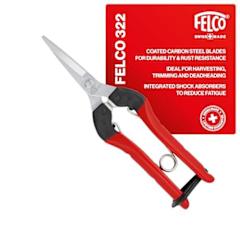
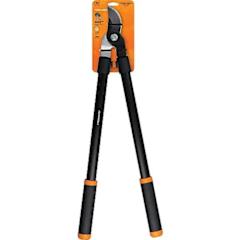
Herlihy and Owen recommend these types of tools for pruning and deadheading:

 4) Refresh the soil in your beds and pots
“We always tell people, ‘It all starts with your soil,’” says Herlihy. Soil can become depleted of nutrients during harsh winter weather, and springtime calls for a refresh. “A lot of people don’t really think about their soil very much, but it’s very important for how well your plants do,” Owen adds.
Refreshing your soil can mean adding some finished compost to your garden beds and planters, or just topping things off with fresh potting soil. Adding things like compost, manure and “leaf mold” to your beds can also help improve soil quality and increase beneficial microbes, according to Town & Country Gardens. While some gardening experts (like those at Pennsylvania Horticultural Society) say fall is the ideal time to prep soil for spring, adding fresh nutrients is generally a better-late-than-never task.
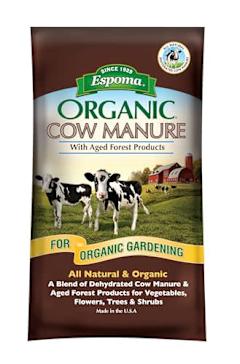
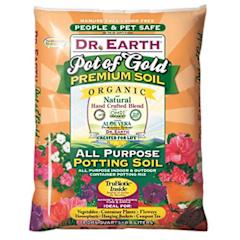
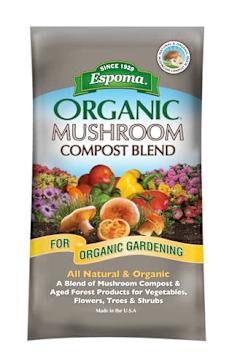
Herlihy and Owen say Espoma and Dr. Earth are two bagged soil and compost brands that stand out among competitors:
 5) Buy your seeds
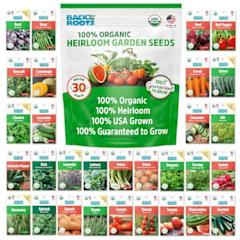
Even if it’s not quite time to plant where you are, Herlihy and Owen say early spring is a great time for seed shopping. This is the fun part: You’ll get to browse through tons of options and fantasize about what your full-grown garden will look like.
Once you have your arsenal, Owen and Herlihy emphasize the importance of making sure you know when your area’s planting season officially begins and following the instructions on your seed packets. It’s easy to start planting too soon once you have all your supplies, but your seeds stand a much better chance at survival if you wait until the soil is warm enough to keep them safe.
 6) Start (some of) your seeds — but be careful not to plant too soon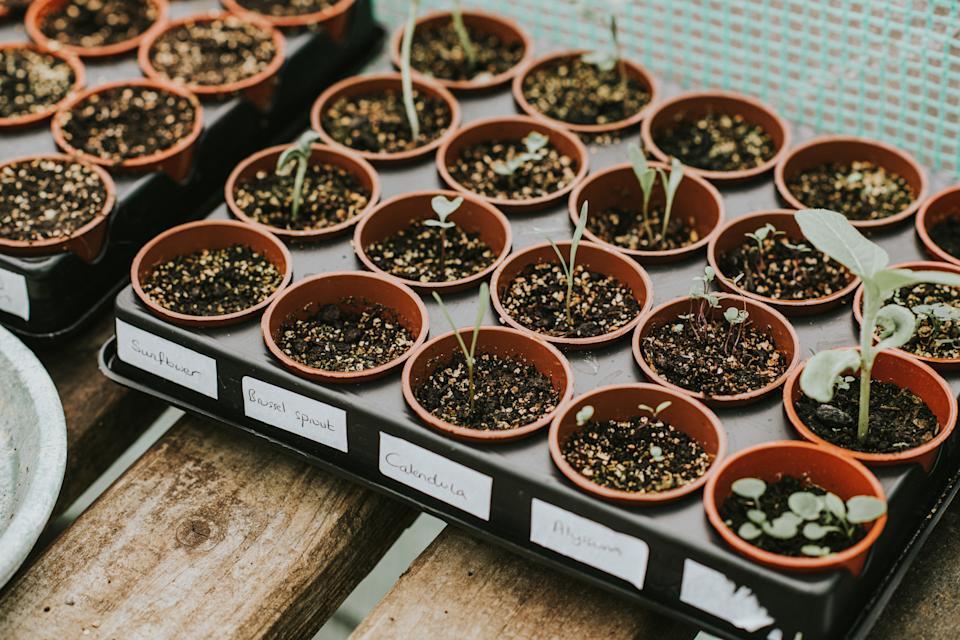
Starting some seeds indoors in early spring can help you get a jumpstart on the season. (Catherine Falls Commercial via Getty Images)
Owen says many plants can be started indoors about four to six weeks before your last frost. Again, last frost dates vary significantly by region, so you’ll need to check your local data, but starting seeds indoors in March or April is common in many places.
Herlihy cautions that while some plants like to be started indoors (in a greenhouse or a well-lit window, for example), others should be directly seeded outside. Carrots, beets, arugula, spinach and radishes are good examples of direct-sow crops.
And not all plants should be started in early spring at all, regardless of frost dates. Herlihy points to tomatoes as a prime example. If you start your tomatoes indoors in March, they could be spilling out of their pots long before the weather outside is ready for them (unless you live somewhere with year-round warm weather), Herlihy says. Again, check each plant’s growing recommendations before you start putting anything in the soil.
7) Plant shrubs, trees and perennials
If you’re really itching to get planting, Herlihy and Owen recommend focusing on trees, shrubs and perennials, as many are still dormant at this time of year. While dormant, they can be transplanted without significantly disturbing the growth process. Before deciding which trees and shrubs to plant, check with your local plant nursery or garden center for tips on which varieties are ideal for early-spring transplanting.
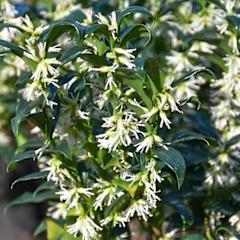
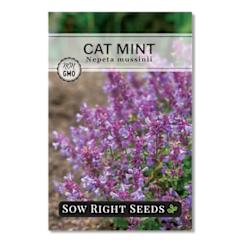
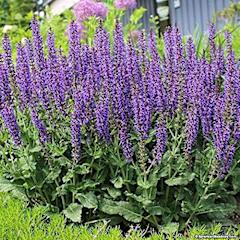
Spirea, sweet box, salvia and catmint are a few of the shrubs and perennials Owen and Herlihy recommend for beginner gardeners, and all are good candidates for spring planting.

 8) Keep your eye on the forecast
Most people are plenty familiar with unpredictable springtime weather. Even if you spend tons of time planning, the weather could still throw you for a loop and mess with your planting schedule. Pay attention to your local forecast to make sure you’re not planting any fragile seeds or starts right before a big snow storm is set to roll in. Spring heat waves can be equally destructive for young plants, so watch for these too.
The best time to plant or transplant is early in the day, before the sun gets too high, ideally during mild weather.
9) Visit your local gardening center or plant nursery for tips and inspiration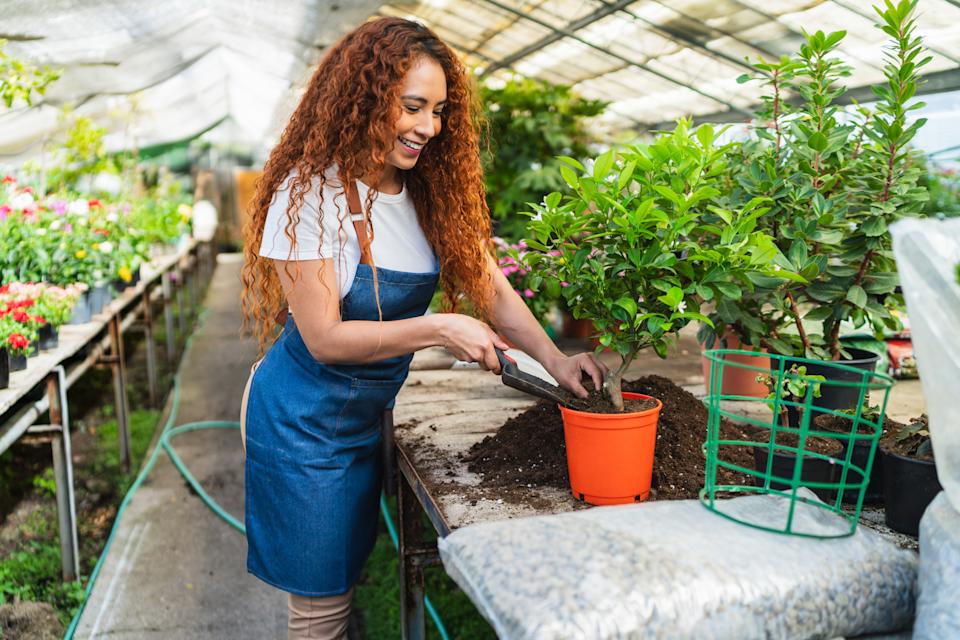
Head to your local plant nursery to discover plants that thrive in your area. (KoldoyChris via Getty Images)
There’s no better time than spring to get to know the folks at your local plant nursery or garden center. They can help you choose the best plants for your yard based on the weather and seasonal particularities where you live. It’s also a great way to see what’s already budding and blooming, which can help you get inspired for your own garden.
There’s also a clear benefit to shopping local when it comes to plants and seeds, Herlihy notes: “Buying as local as you can helps ensure quality and freshness,” she says. “Plants go through shock and stress the farther they’ve been shipped, and they may not be acclimated to your area when they arrive.”
Regardless of where you end up buying plants, seeds or trees, Herlihy recommends doing your homework before buying. “If you’re going to buy online, find reputable growers,” she says.
More Yahoo gardening
See all Yahoo gardening articles
Comments are closed.