
Credit: elenaleonova/Getty Images
Key Takeaways
Plant hostas in partial shade with a touch of morning sun for the best color and growth.
Match light to the variety and climate, giving more shade in hot regions and more sun only to tolerant types.
Support healthy plants with moist, well-draining soil and a spot protected from wind.
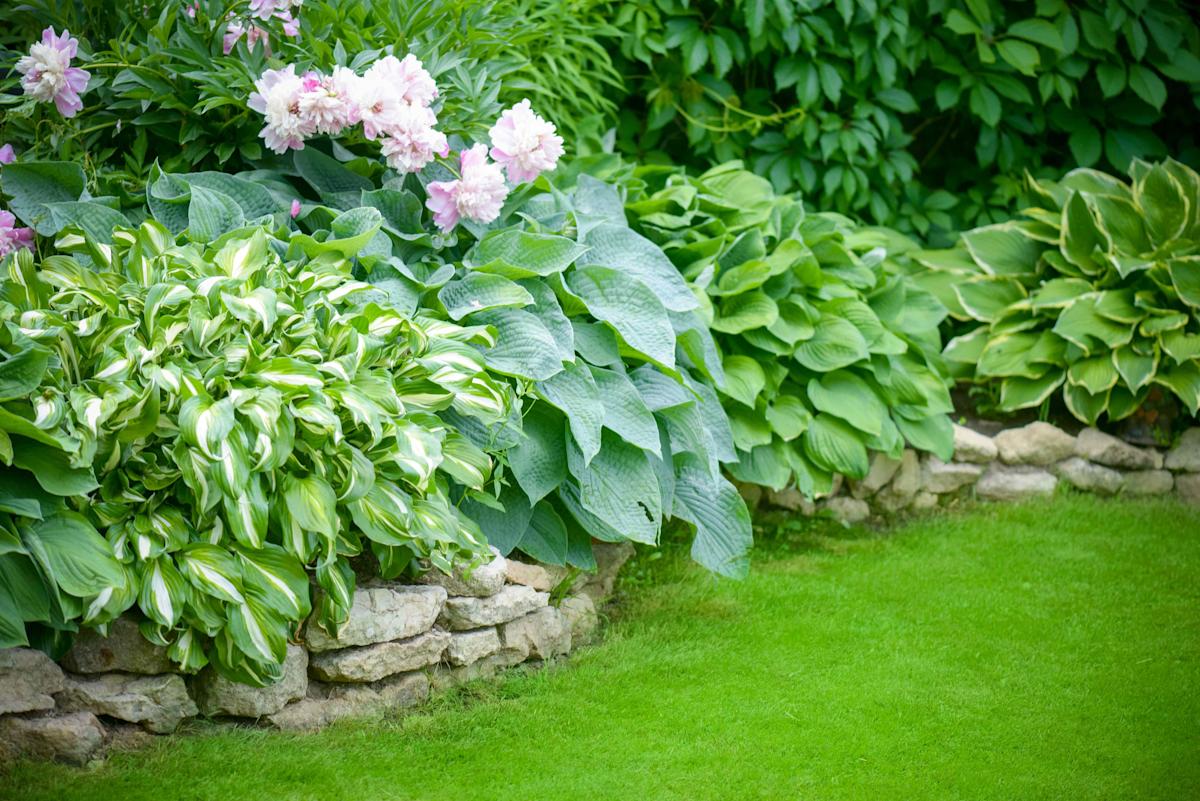
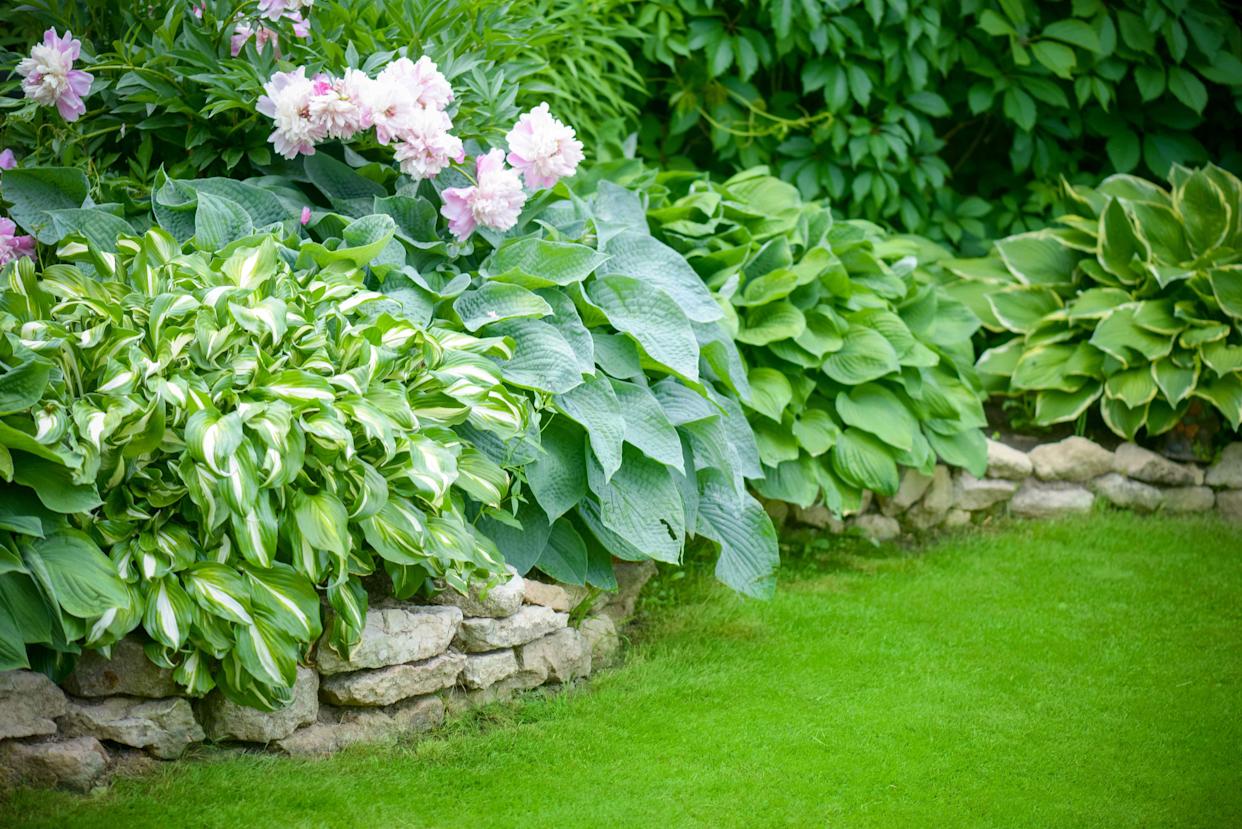
Hostas are arguably one of the easiest perennials to grow, and they look great—and at times, downright majestic—in woodland gardens and low-maintenance landscapes. But while hostas are generally forgiving, where you plant them can make a noticeable difference in how well they grow. Plant them in the right conditions, and they’ll reward you with fuller, more colorful foliage.
We asked garden experts to explain exactly where hostas grow best by type, along with simple placement tips to help them thrive.
Meet the Experts
Gail Pabst, horticulturist and marketing director for National Garden Bureau
01 of 06
Aim for Some Morning Sun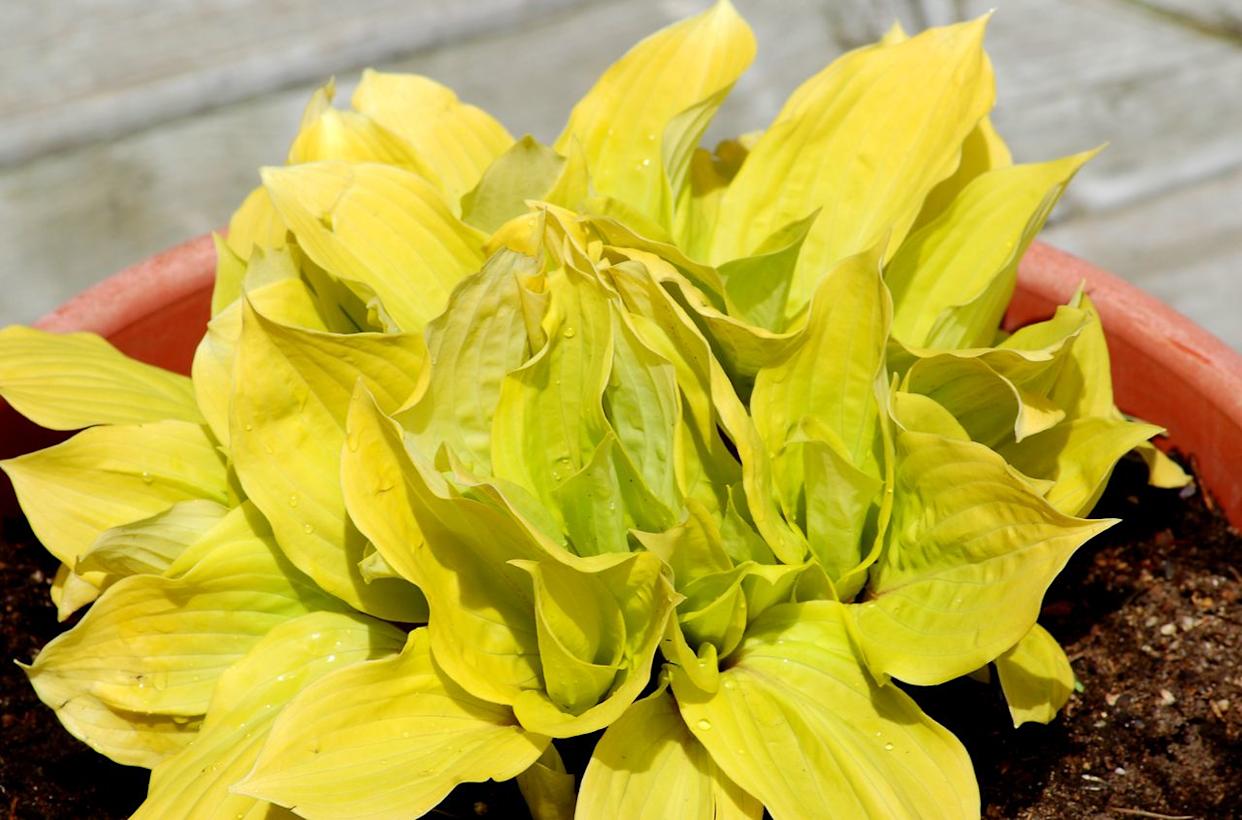
‘Fire Island’ is one of the nicer hostas with golden leaves.
Credit: David Beaulieu
Both plant experts we spoke to think dappled or partial shade with some morning sun is the most reliable place to plant hostas. “Hostas can be planted in most shady spaces in the garden,” says Gail Pabst, horticulturist and marketing director for National Garden Bureau. “Placing them in the morning sun or dappled shade will usually bring out the most intense foliage colors without causing leaf burn.”
Some types of yellow hostas do well with morning sun exposure, especially if you’re trying to influence how long they retain their color. “Yellow hostas gain the most intense color when planted in filtered shade or morning sun,” says Pabst. “Planting in deep shade will result in more chartreuse or green color; planting in full sun will typically cause leaf scorch.”
But there’s more you need to know: Yellow hostas fall into two groups—lutescent and viridescent—and they respond differently to light conditions. The latter tends to retain its yellow color longer with less direct sun.
“Many gardeners believe that yellow hostas need more sun to maintain their bright color. In reality, it depends on the cultivar type,” says Maksim Kazakou, botanist and resident plant expert at Plantum. “Viridescent cultivars start bright yellow and gradually turn green as summer progresses. To keep them yellow longer, grow them in shadier spots.” On the other hand, lutescent hostas start in spring as yellow-green or green, then develop their signature bright yellow color as sun exposure increases through the season.
Here’s how to plant yellow hostas to influence their color throughout the season:
Viridescent: start yellow and turn green; plant in partial shade with limited morning sun to help slow the transition to green.
Lutescent: start green and turn yellow; plant in partial shade with more consistent morning sun to help bring out their yellow color.
02 of 06
Opt for Full Shade in the South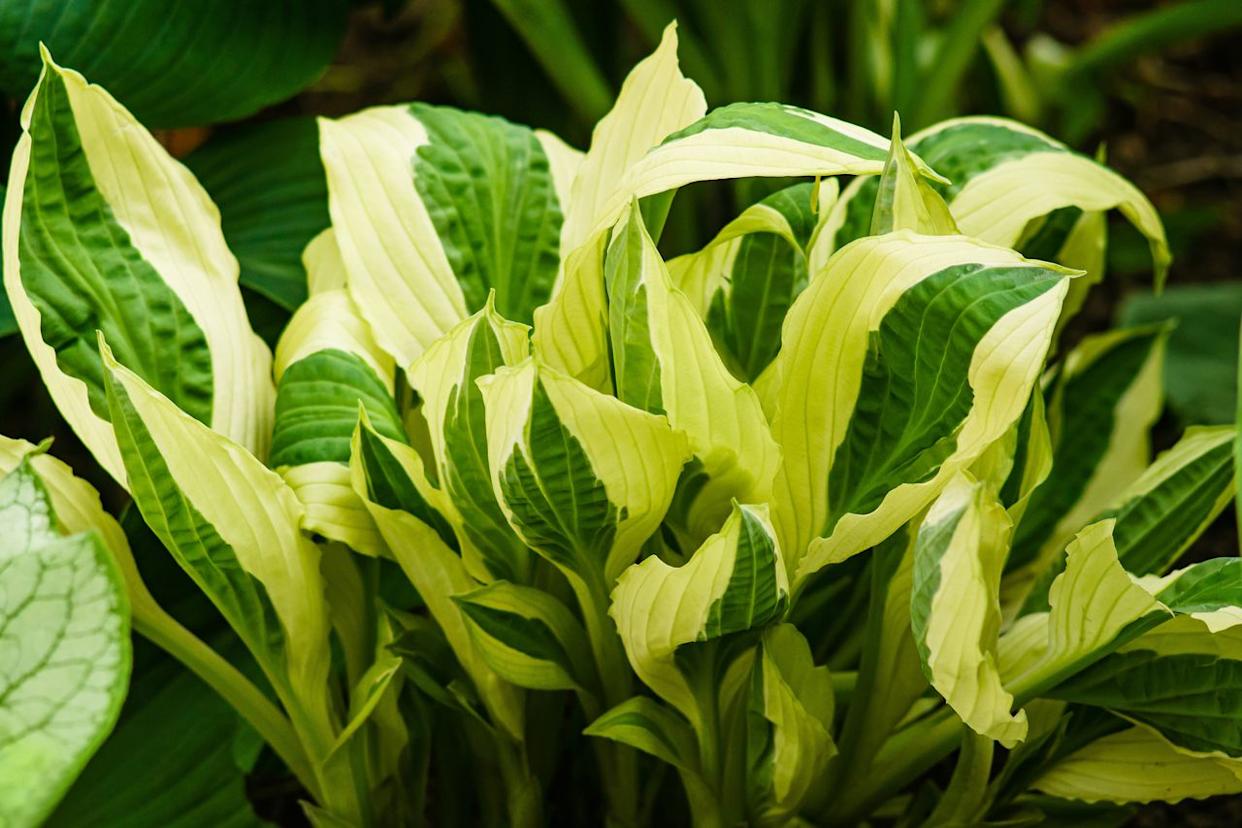
Credit: Marina Vedernikova / Getty Images
“Gardeners in southern zones will want to make sure they are placing their hosta in full shade,” says Pabst. (No morning sun!) Unfortunately, light exposure becomes less about enhancing color and more about preventing damage in hotter climates.
While full shade helps prevent leaf scorch, it can also soften the contrast in more decorative varieties. “Variegated plants, especially those with white markings, are more susceptible to sun scorch than solid green varieties,” says Kazakou. “Conversely, if you place them in deep shade, their vibrant patterns will fade.” In the south, the trade-off for optimal growth is slightly softer colors, especially in variegated varieties.
03 of 06
Pick Varieties for Full Sun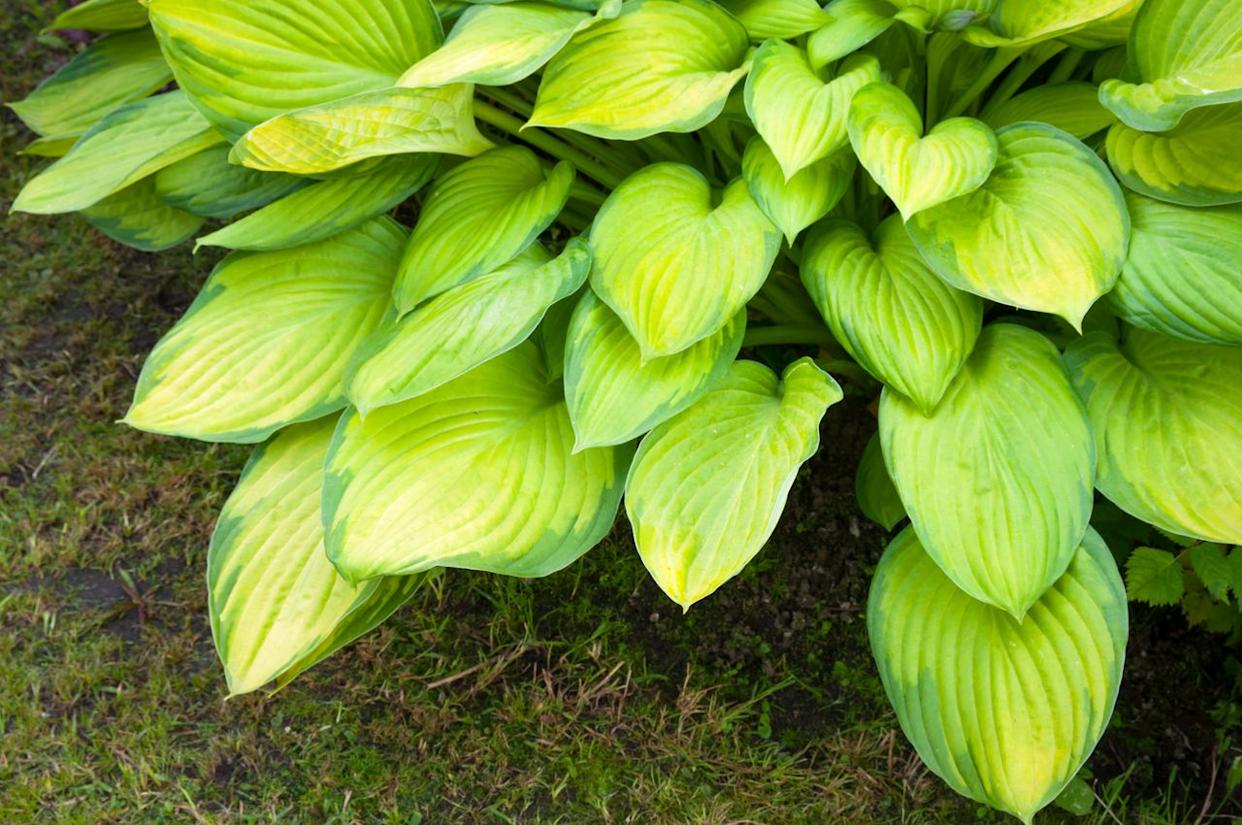
Credit: Elen11/Getty Images
We all know by now that hostas are typically considered shade plants, but some varieties can tolerate brighter conditions with the right care. “Many varieties can tolerate less-than-ideal lighting conditions provided that the soil is suitable and the summer isn’t too hot,” says Kazakou. “While a shaded area is the best spot, these plants are highly adaptable and easy to care for, which means they can also thrive in other parts of your yard.”
Certain cultivars are known for their ability to tolerate more direct sun, especially in cooler climates. “Growers in northern zones may find that some hostas, such as ‘Guacamole’, ‘Paradigm’, or ‘Guardian Angel’, are capable of being grown in full sun with adequate moisture,” says Pabst.
Kazakou adds to that group of cultivars that are better suited to full sun: “These include Hosta plantaginea and its many hybrids, such as ‘Venus,’ ‘Aphrodite,’ ‘Royal Standard,’ ‘Honeybells,’ ‘Invincible,’ ‘Rippled Honey,’ and ‘Sum and Substance,’” he says. “While you can grow these plants in brighter spots, remember to water them regularly.”
Keep it Simple
If you’re unsure which variety you have, leaf texture offers a helpful clue. “On the whole, plants with narrow or thick leaves tolerate bright sun better than those with thin or wide foliage,” says Kazakou.
04 of 06
Protect the Blum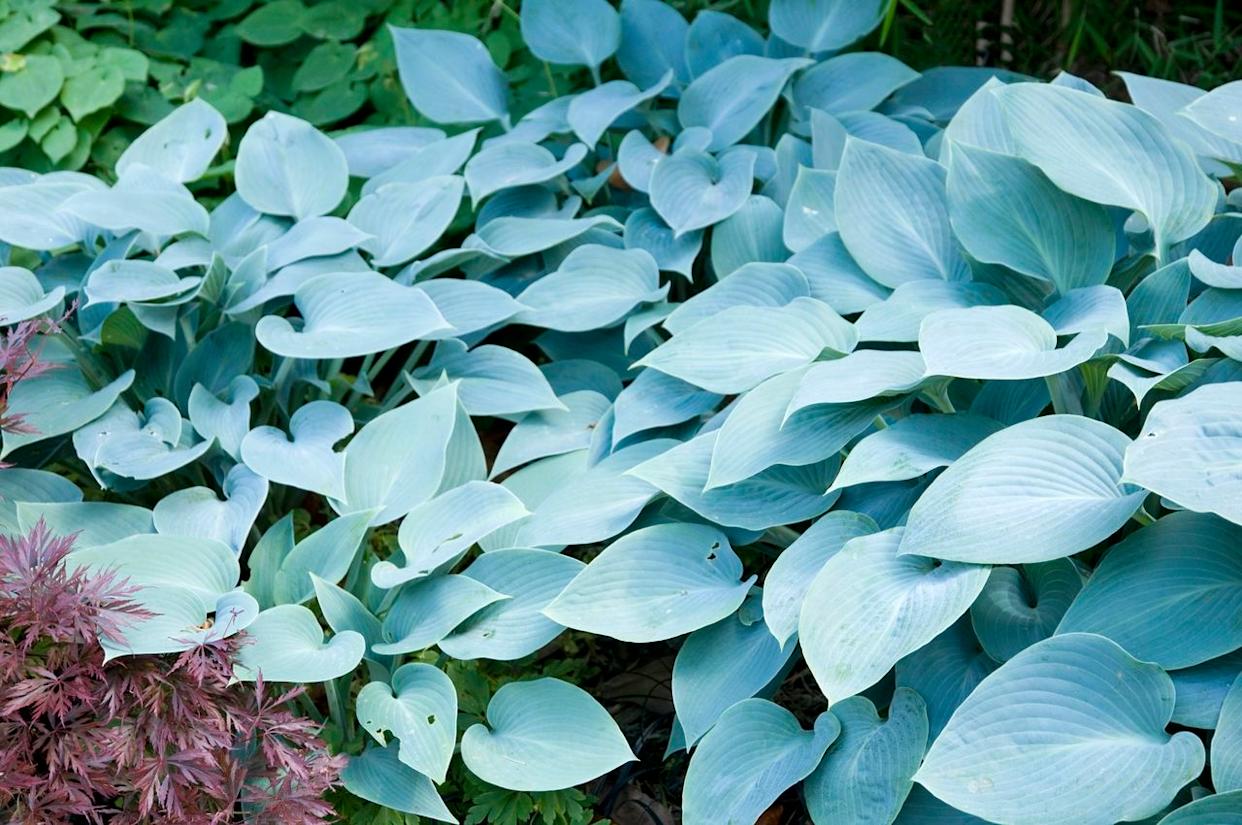
‘Halcyon’ is one of the blue hostas.
Credit: Photos Lamontagne/Photolibrary/Getty Images
The blue color on blue hostas comes from a waxy coating called blum, and it needs protection to last. “This coating develops as the plant emerges in spring and fades through the summer,” Pabst explains. “Rain will wash the blum off and cause blue hostas to go green faster, as will direct sun exposure, which melts the wax off.”
In other words, both light and water exposure can gradually strip away that signature blue tone. To help preserve it, both experts recommend planting blue hostas in partial shade and avoiding overhead watering. While this wax coating does provide some protection from sun damage, it breaks down quickly when planted in harsh conditions.
05 of 06
Consider the Soil Quality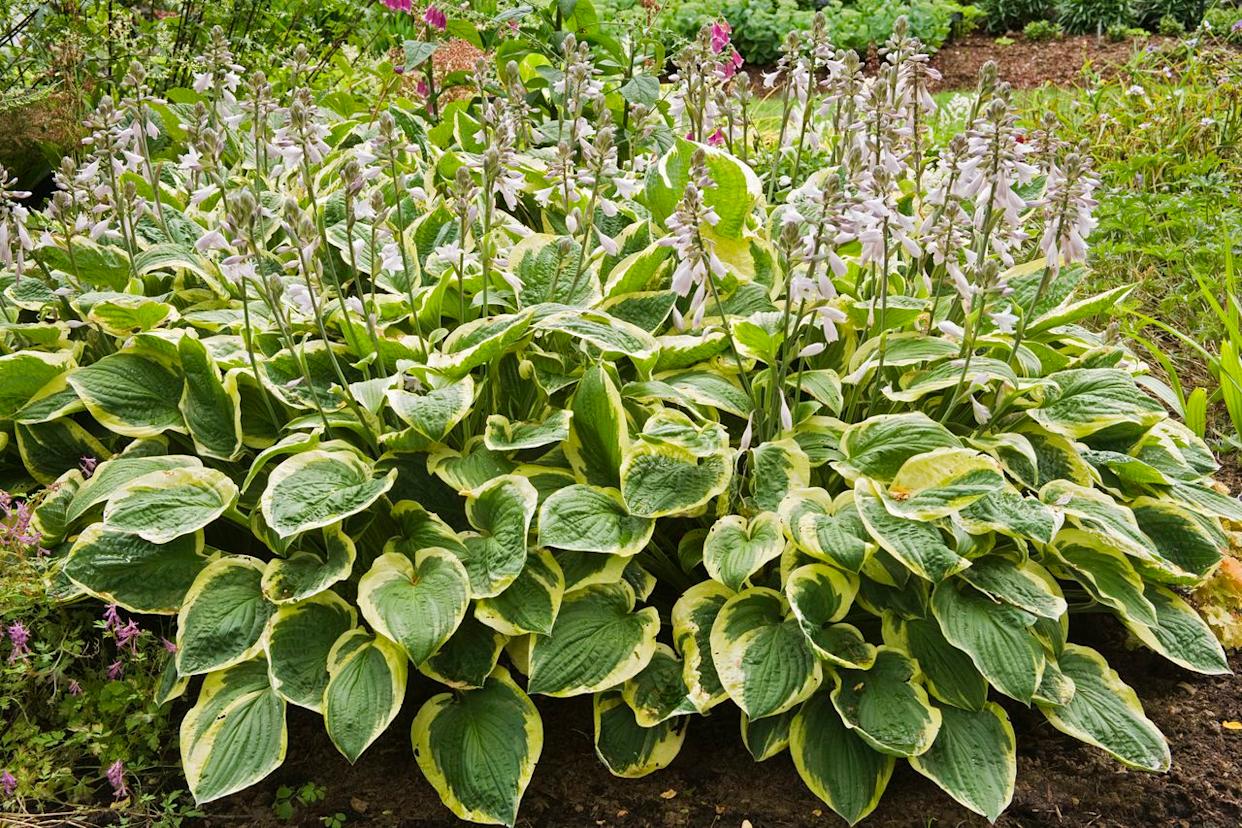
Credit: Mark Turner / Getty Images
When choosing the right spot for hostas, you should also consider the soil quality, which can be amended if needed. “The soil should be well-draining, breathable, and moisture-retentive. Avoid sandy soils because they dry out too fast,” says Kazakou. “It’s essential to mulch the growing medium, as hostas have a shallow root system and tend to lose a lot of moisture through their large leaves. A good layer of mulch helps reduce water loss.” Even though hostas are moisture-loving plants, they don’t tolerate waterlogging—Kazakou says good drainage is a must.
“Ideally, the soil should be neutral to slightly acidic (with a pH of around 6),” Kazakou adds. “But keep in mind, slugs and snails are a serious problem. To ward off these pests, gardeners often apply quicklime or similar home remedies to the topsoil. However, this can make the soil alkaline and damage the plants’ shallow roots.” If the soil shifts too alkaline, adding compost can help restore a more suitable pH.
06 of 06
Find a Wind-Protected Area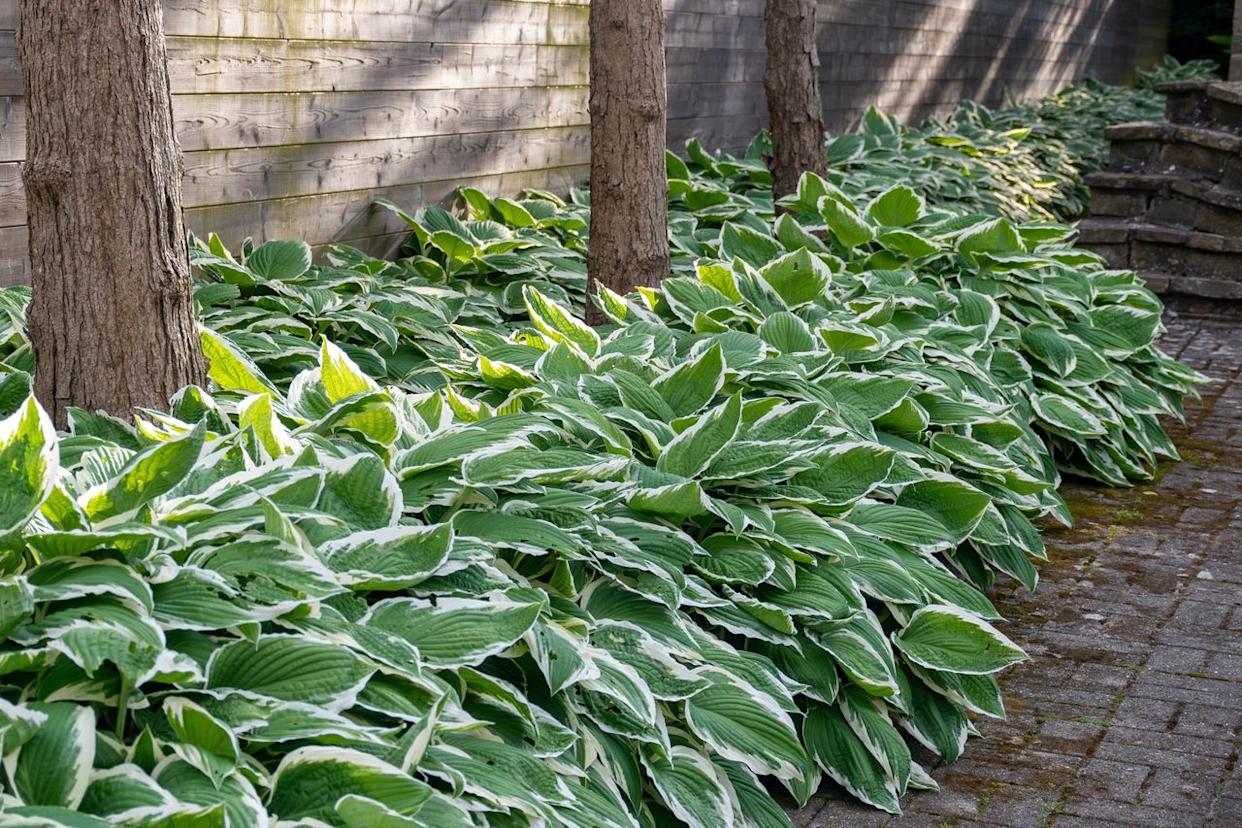
Credit: Anna Kondratiuk Swiacka/Getty Images
Exposure to wind can also impact the health and appearance of hostas, especially for varieties with large or delicate leaves. “Choose a sheltered planting spot, as strong winds will not only tear the large leaves, but also cause them to lose moisture more quickly,” says Kazakou. “It’s also worth noting that miniature cultivars such as ‘Blue Mouse Ears’ and ‘Mighty Mouse’ are less resilient than their giant counterparts like ‘Empress Wu’ and ‘Blue Angel.’ To help your miniature hostas thrive, keep the area weed-free and never let the topsoil dry out.”
Read the original article on Real Simple
Comments are closed.