
Text to Speech audio articles made possible on the CAST11.com podcast network by Fain Signature Group.
Ken Lain, the Mountain Gardener, turns his attention to one of spring’s most cherished blooms, the peony, and explains why these heirloom favorites continue to hold a special place in mountain gardens. He captures the sense of reward that comes with seeing a peony finally open, while also addressing a common frustration among gardeners whose plants produce leaves but no flowers. Drawing on practical advice, Ken highlights the simple but essential factors that influence blooming, from planting depth and sunlight to soil drainage and proper feeding. He also introduces readers to popular peony varieties, including traditional herbaceous types and sturdier Itoh hybrids, offering helpful insight for choosing the right fit. With a mix of garden wisdom, troubleshooting tips, and seasonal encouragement, the piece invites readers to give their peonies the conditions they need to thrive and enjoy their beauty for generations.
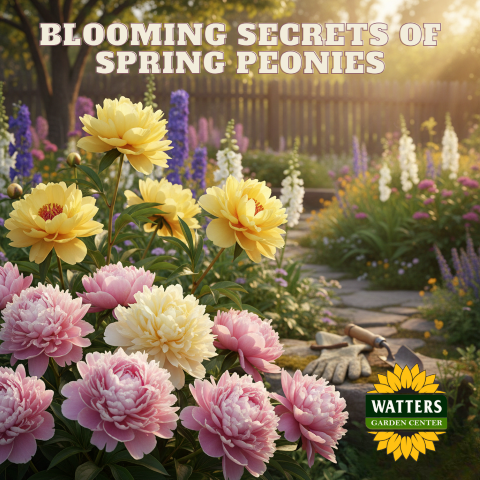
There is a specific kind of magic that happens in the garden when a peony finally opens its heavy, ruffled head to the morning sun. It’s a moment of pure garden triumph. For many of us here in the mountains, peonies are the ultimate “heirloom” plant—the kind of flower your grandmother grew, and with a little bit of earthy wisdom, the kind your grandchildren will admire, too.
Peonies are famously long-lived; some bushes are known to thrive for fifty years or more if they’re happy. But I often hear from folks who are frustrated because their peonies have plenty of lush, green leaves but haven’t produced a single bloom in years. If you’re nodding your head in agreement, don’t worry. We’re going to get those blooms back on track.
The Secret of the Shallow Root
The number one reason peonies fail to bloom is that they’ve been planted too deep. Peonies grow from thickened roots called “eyes.” If those eyes are buried more than 2 inches below the soil surface, the plant will produce beautiful foliage but won’t flower. It’s a defense mechanism; it’s putting all its energy into reaching the light rather than making seeds.
If yours aren’t blooming, wait until the fall when the plant goes dormant. Carefully lift the root ball and reset it so those pink “eyes” are barely covered by an inch or two of soil. It feels wrong to leave them so close to the surface, especially with our chilly winters, but I promise you that’s precisely how they like it.
Choosing Your Variety: Herbaceous vs. Itoh
When you visit the garden center, you’ll likely see two main types: Herbaceous Peonies and Itoh Peonies.
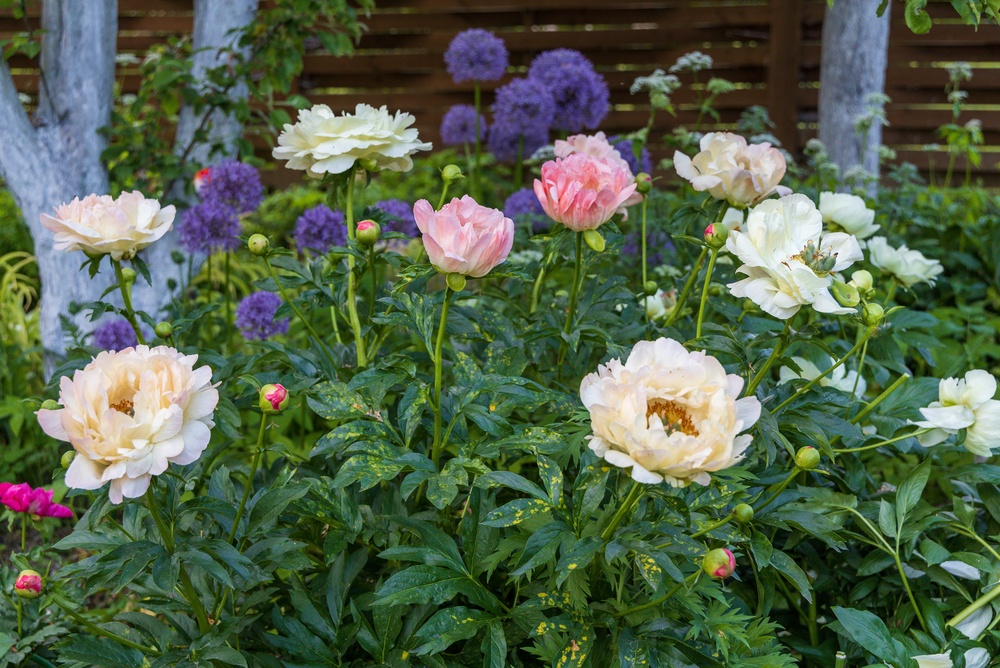
Herbaceous Peonies
Herbaceous Peonies: These are the classics, like the fragrant, soft-pink ‘Sarah Bernhardt’ or the pure white ‘Festiva Maxima’. They die back entirely to the ground in winter. They offer that traditional “cottage garden” look, and the scent is unmatched.
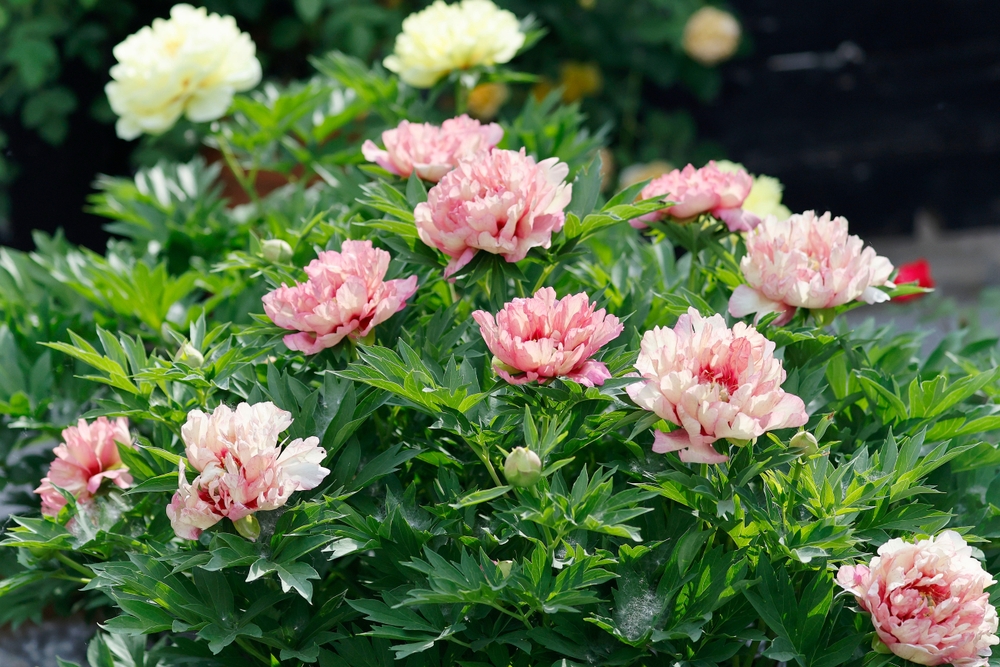
Itoh Hillary Peony
Itoh Peonies: These are a cross between a bush peony and a tree peony. Varieties like ‘Bartzella’ (which features stunning buttery yellow blooms) have much sturdier stems. If you’re tired of your peony flowers flopping over after a spring rain, Itohs are your best friend. They stand tall without the need for those wire cages.
Garden Guide: Top 10 Peony for Prescott Gardens
Feeding for Flowers
Peonies are hungry plants, but you have to feed them the right “diet.” If you give them too much nitrogen, you’ll get a massive green bush but very few flowers. Instead, look for a fertilizer with a higher middle number, that’s the phosphorus.
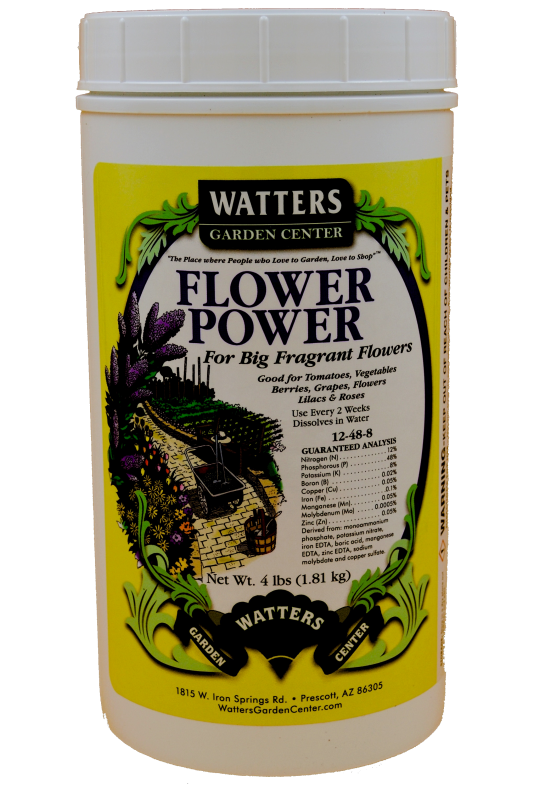
Watters Flower Power
Watters Flower Power is your best Peony food. It’s specifically formulated to encourage those big, showy buds. Apply it in early spring, when the new shoots are about 6 inches tall, then every 2 weeks through mid-summer, after the flowers have faded. This feeding schedule helps the plant store energy in its roots for next spring’s show.
Sun, Soil, and Drainage
Peonies are sun-worshippers. They need at least six+ hours of full sun to produce those massive blossoms. If they’re in too much shade, the stems will get “leggy” and weak.
They also demand good drainage. They don’t like “wet feet,” which can lead to root rot. If you have heavy clay soil, mix in some Watters Premium Mulch to help lighten the texture. When you plant, I always suggest a scoop of 7-4-4 All Purpose Plant Food right in the hole to give those roots a healthy start.
A Note on Ants
Every year, I get calls from worried gardeners seeing ants crawling all over their peony buds. Here is the secret: leave them alone! The ants aren’t hurting the plant. They are actually attracted to the sweet nectar the buds secrete. Some folks even believe the ants help “tickle” the buds open, though the science is still out on that one. Either way, they are harmless guests. Just give the flowers a gentle shake before you bring a bouquet inside the house!
Peonies are a lesson in patience and placement. Once you get them in the right spot with the right “eyes” to the sky, they will reward you for decades to come.

Free Gardening Classes Every Saturday @ 9:30 am
Join us for these upcoming topics:
March 21: The Joyful Gardener and the Best Plants in the Gardens
March 28: Blooming Secrets of Spring Peony in the Gardens
April 4: Celebration of Spring’s Sweetest Lilac Fragrance
Until next week, I’ll be helping happy gardeners plant heirloom flowers here at Watters Garden Center.
Ken Lain can be found throughout the week at Watters Garden Center, 1815 Iron Springs Rd in Prescott, or contacted through his websites at WattersGardenCenter.com or Top10Plants.com.
Get more gardening tips from Watters Garden Center in the Mountain Gardener Column on Signals A Z.com.

Garden Wisdom Awaits: Subscribe for Expert Tips!
If you like this story, consider subscribing to Signals Updates,
Entertainment Events & News!
Show Me How
Comments are closed.