
Have you ever planted something that has gone wrong? Much of gardening is learned by trial and error, but new research uncovered the top plants people regret ever putting in their gardens.
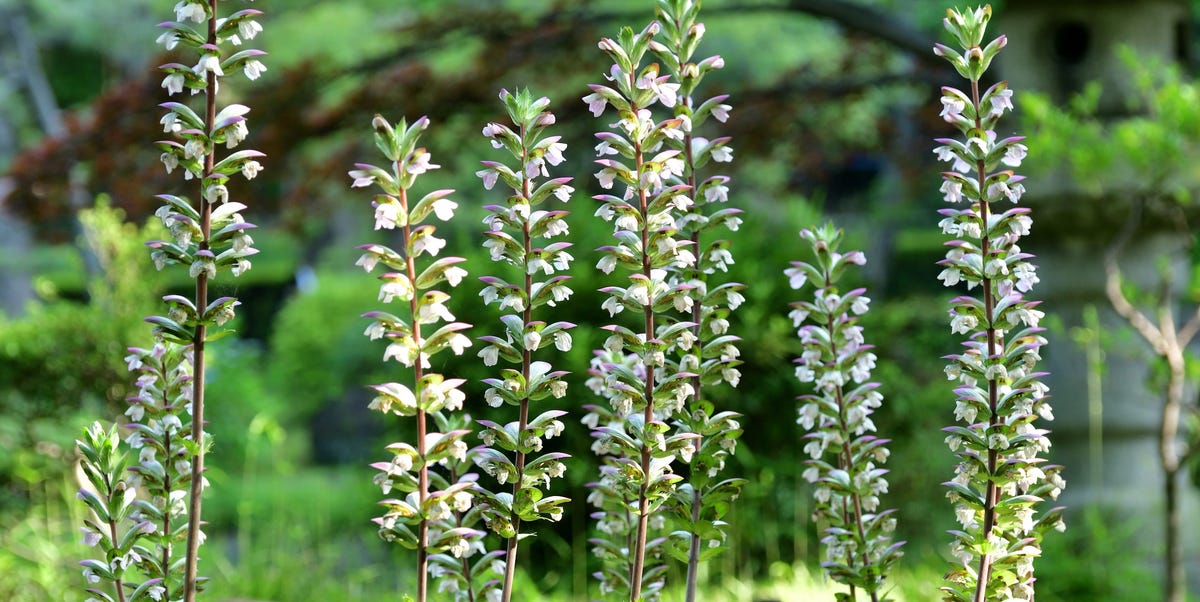
According to the Hardy Plant Society (HPS), the UK’s largest Specialist Plant Society, acanthus is the ‘problem plant’ gardeners regret planting the most, followed by Lysimachia and Japanese Anemone.
Commonly known as bear’s breeches, clump-forming acanthus was described as ‘invasive’, with many saying it’s difficult to remove. One member of the plant society described acanthus as ‘worse than bindweed or ground elder’.
Meanwhile, Lysimachia is also considered a vigorous plant that can also become invasive if left unchecked.
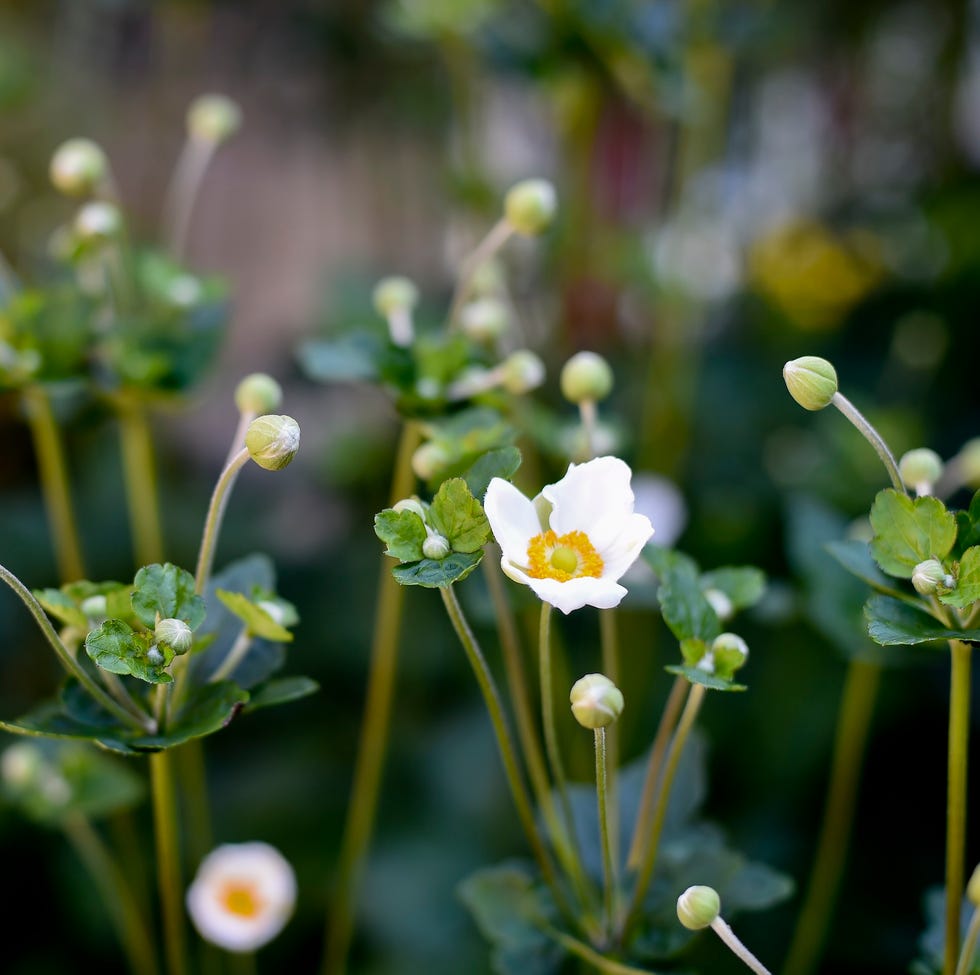
The research found Japanese anemones to be ‘a thug on good loam’ as people said it can quickly swamp other border plants and spread at an uncontrollable rate.
 MediaNews Group/Reading Eagle via Getty Images//Getty Images
Japanese Anemone
“I’m in complete agreement with the first choice of garden regrets, however, having spent years ruing the day I planted Acanthus mollis in my garden as a novice gardener,” says Steve Bustin, Chair of The Hardy Plant Society.
“Experienced gardeners know the plants to avoid but when you see any of our ‘most regretted’ plants on sale in a garden centre the label gives no hint of the misery that plants might come to inflict over the coming years.
“It would be good to see some of these plants carry a ‘health warning’ that in some gardens (not all) they might become a problem.”
Top 8 plants that gardeners regret buying: AcanthusLysimachiaJapanese AnemoneHardy GeraniumEuphorbiaYellow flag iris
Mint
Russian vine
While these plants are not dangerous, they can quickly get out of hand in a garden due to a very vigorous growth rate or the ability to spread easily.
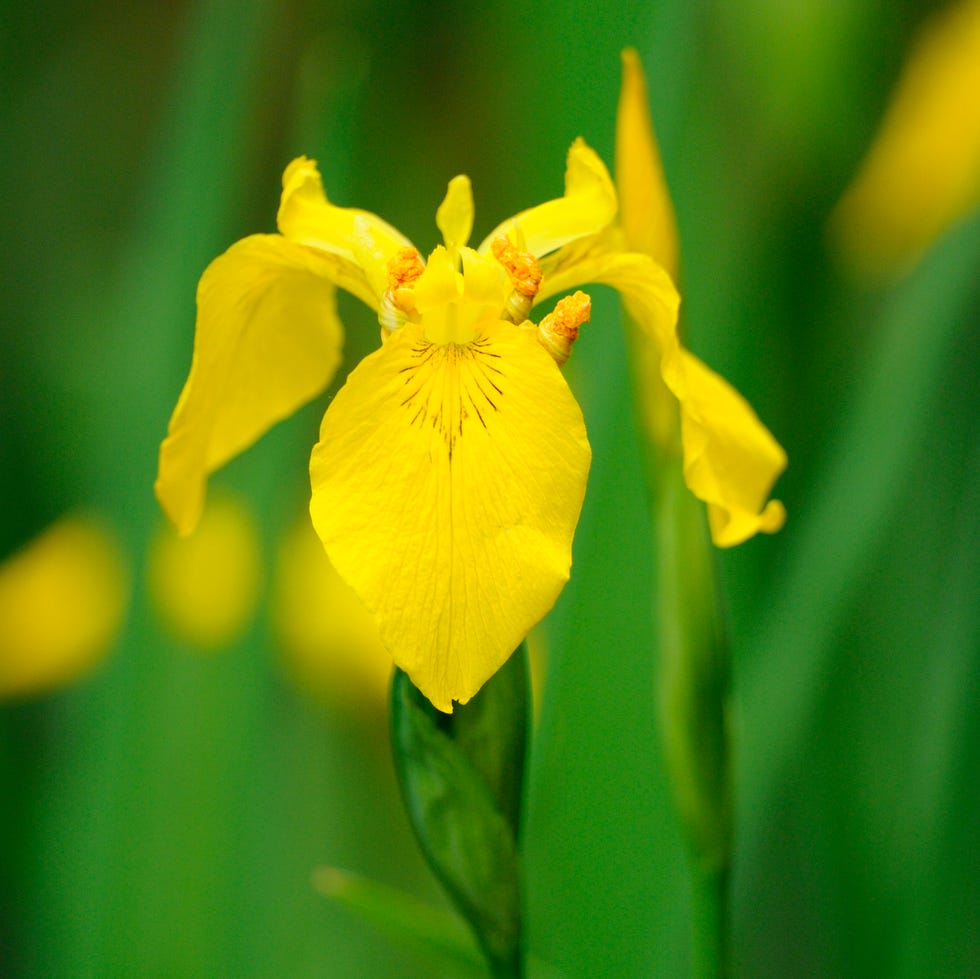
Also on the list is flag iris, a pretty yellow flower that loves a wet spot in full sun or partial shade. It might be great for pollinators but can quickly take over, creating extensive colonies up to 1.5 metres in height. If you only have a small pond, avoid growing this and opt for marsh marigolds, water lilies or pickerel rush – all of which will keep bees, butterflies and hoverflies happy.
 David & Micha Sheldon//Getty Images
Vigorous flag irises have a tendency to take over
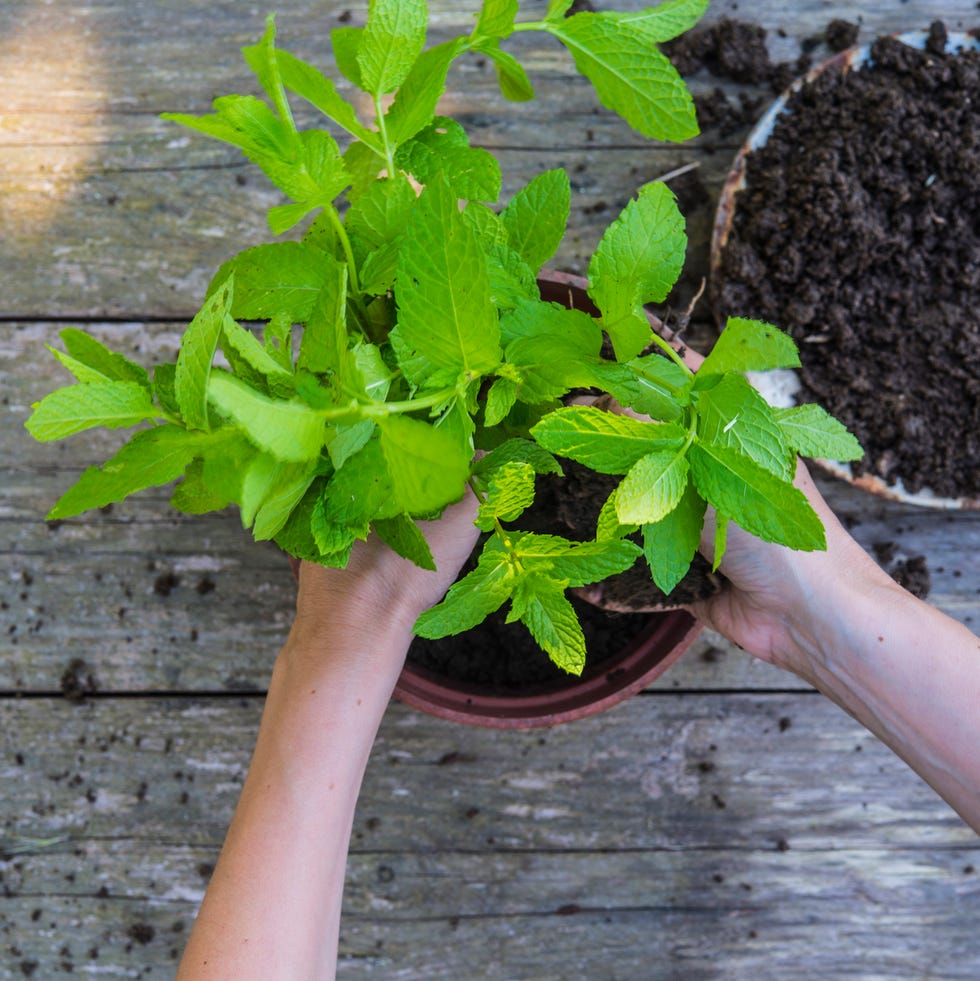
Likewise mint – delicious added to teas, salads, soups and sauces, this versatile herb is also incredibly vigorous (spreading via underground rhizomes), so be sure to plant in a pot rather than directly in the ground.
 Westend61//Getty Images
Mint should be planted in pots, rather than directly in the ground in your garden
Also, Russian vine – this woody deciduous plant goes by the moniker ‘mile-a-minute’ vine thanks to its incredibly fast growth: up to four metres per year. According to the RHS, diligent summer pruning is paramount to keep this climber under control.
If you already have invasive plants in your garden, remove seed heads and pods regularly to stop them from spreading. Contact the experts if you are concerned.
Gardening must-haves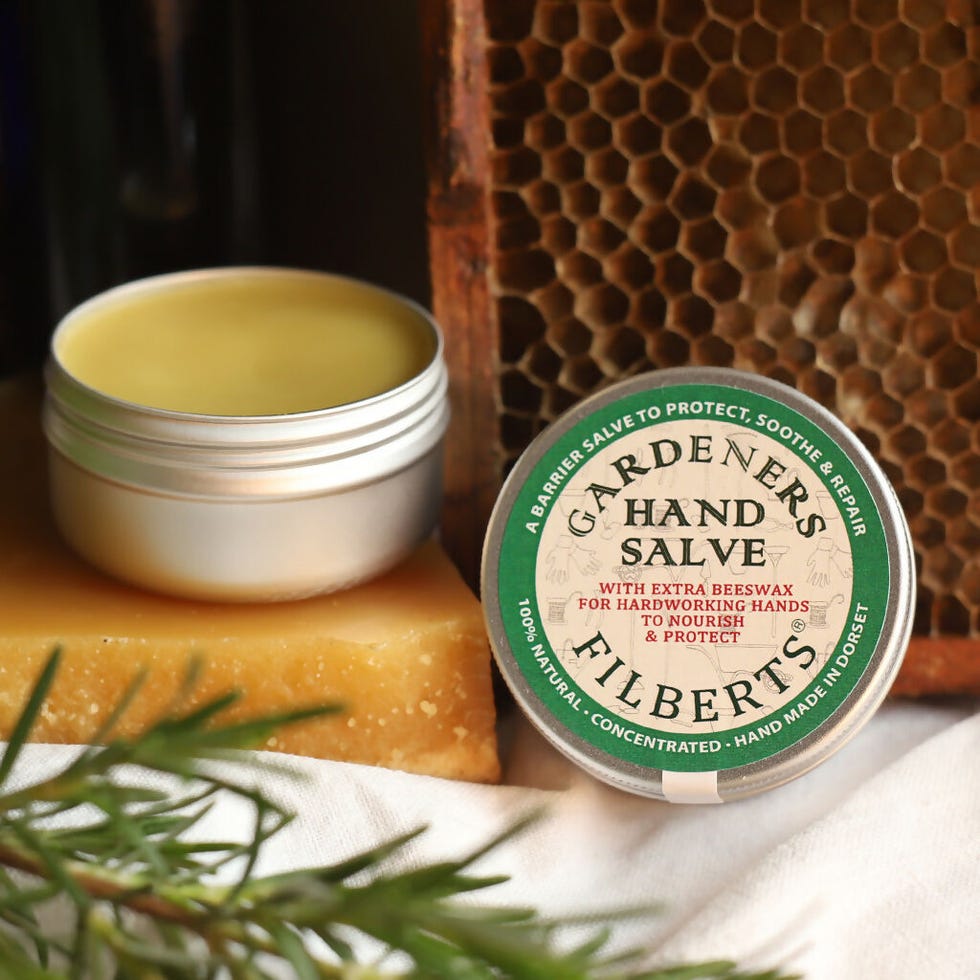 Filberts of Dorset Gardeners Hand Salve
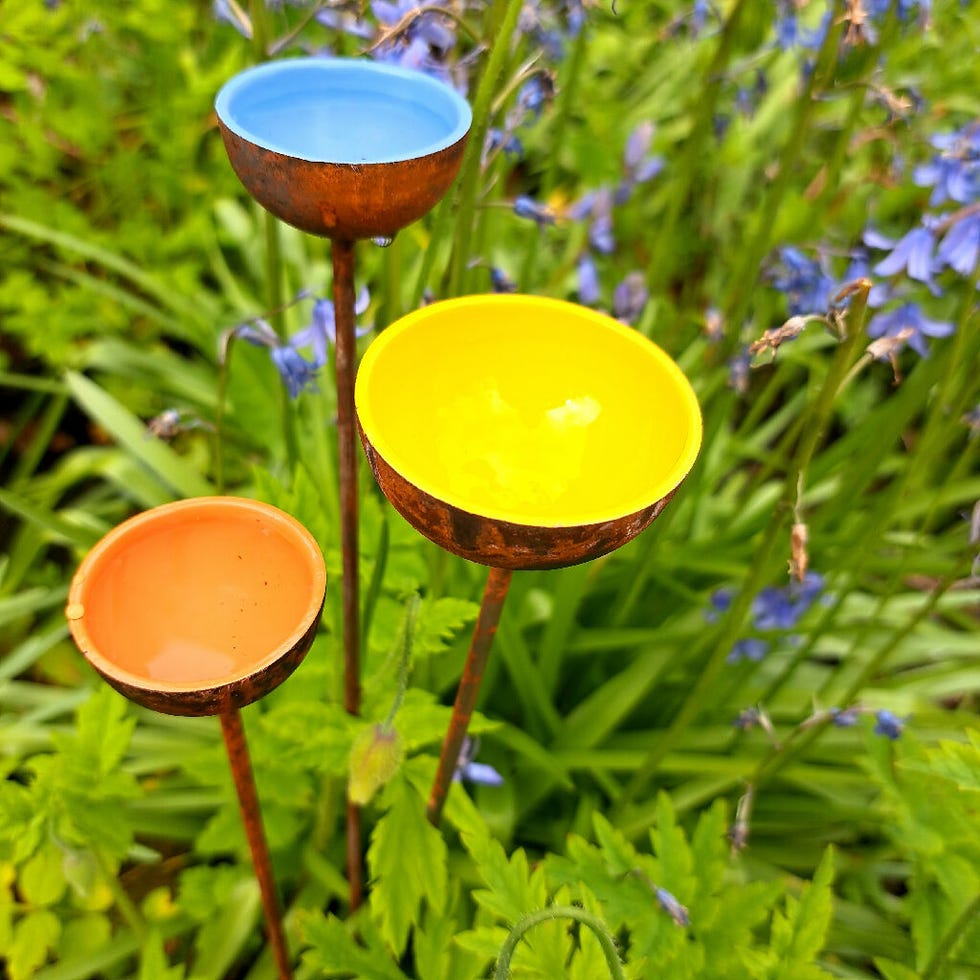 Haywards Garden Bee and Butterfly Water Stations, Garden Décor, set of three colourful bee water cups .
Now 17% Off
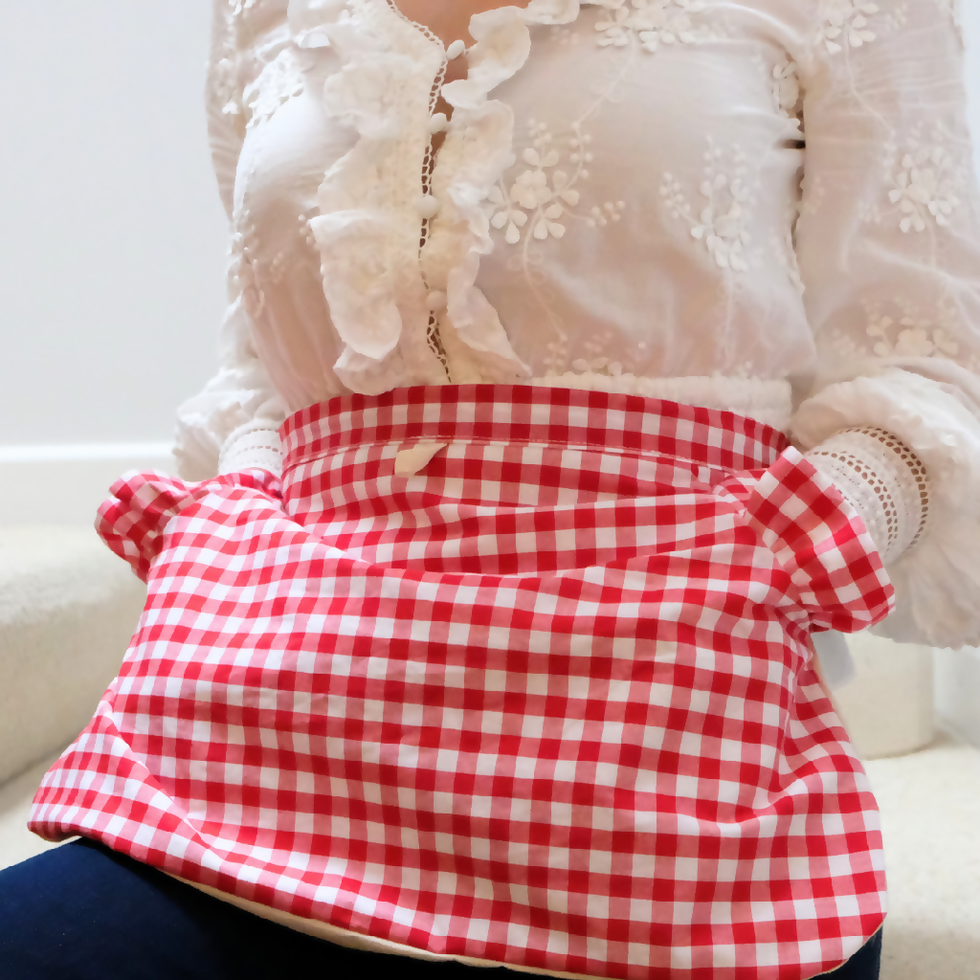 Home Sussex Handmade Peg Apron
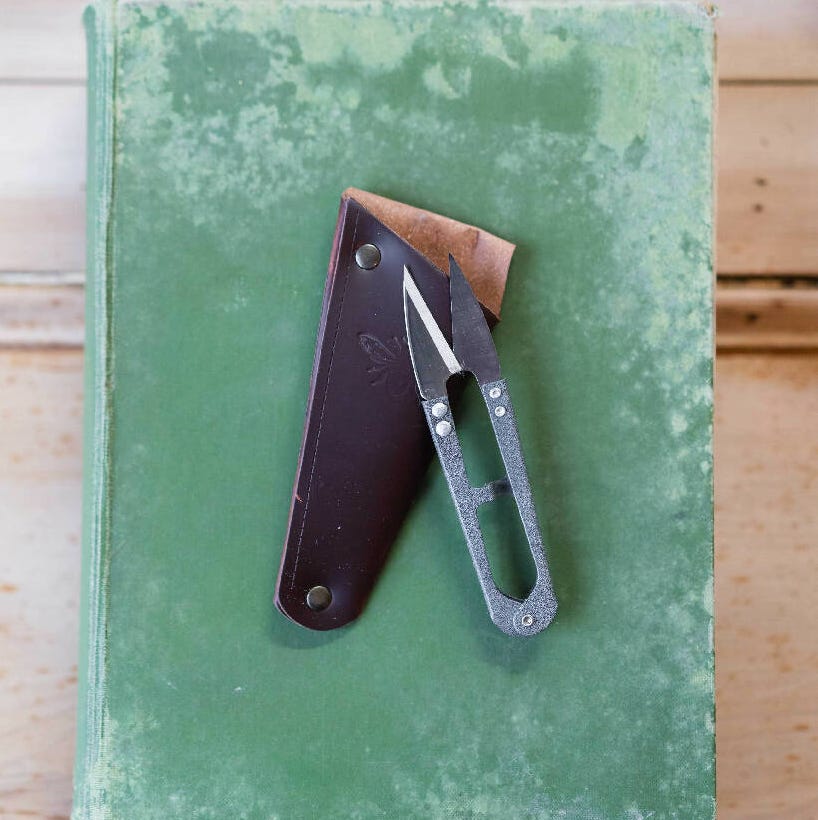 Garden Snips in Leather Pouch
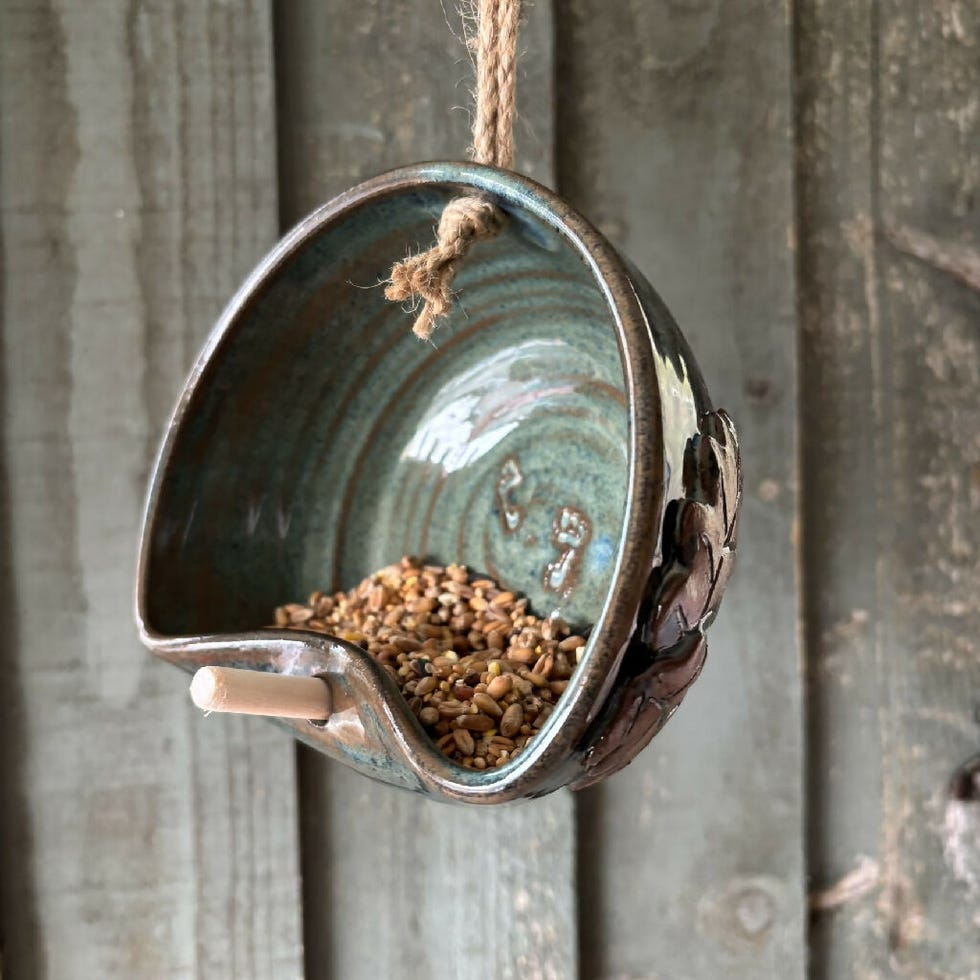 The Fae Potter Wild Bird Feeder ceramic hanging
 WhinnyPoo WhinnyPoo Box of 3 Plant Feed
Deputy Daily Editor, Country Living and House Beautiful
Lisa Joyner is the Deputy Daily Editor at House Beautiful UK and Country Living UK, where she’s busy writing about home and interiors, gardening, dog breeds, pets, health and wellbeing, countryside news, small space inspiration, and the hottest properties on the market. Previously, she has written for Conde Nast Traveller, House & Garden and Marie Claire magazine. Lisa studied at University For The Creative Arts, where she completed a BA in Fashion Journalism.
Comments are closed.