
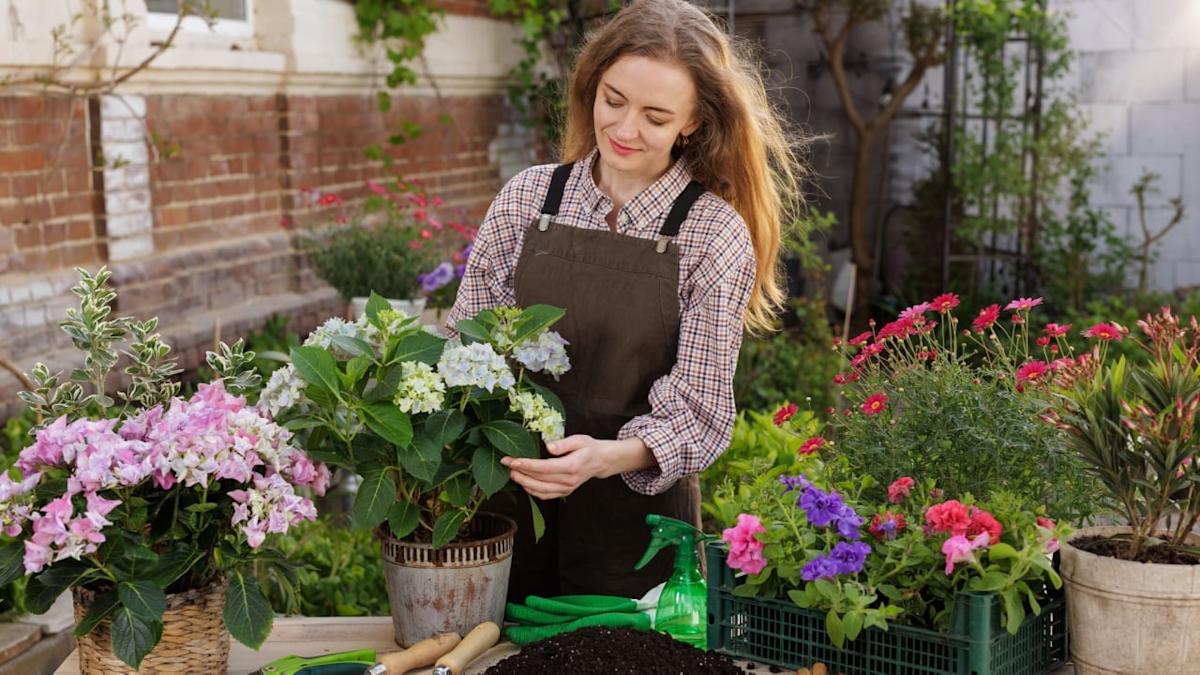
After a long, gloomy winter, nothing can beat that first warm feel of spring, and the explosion of color that comes with it. While flowers are present all year round, spring has a magic that’s hard to describe.
Flowers give the human soul a sense of joy and peace. Vibrant spring blooms hold a special place in many cultures, symbolizing renewal, hope, and new beginnings. For instance, in ancient Egypt, the lotus flower was considered sacred, as it opens with the sun each day and closes at night, representing the cycle of life.
But if you are new to gardening and picking the right spring blooms feels tricky, here is a list of 16 of the best flowers that are ideal to plant in spring and will make your season even more colorful.
We gathered information from trusted sites and plant professionals. We included only those flowers that are easy to plant for beginners and bloom beautifully in spring with minimal care.
1. Daffodils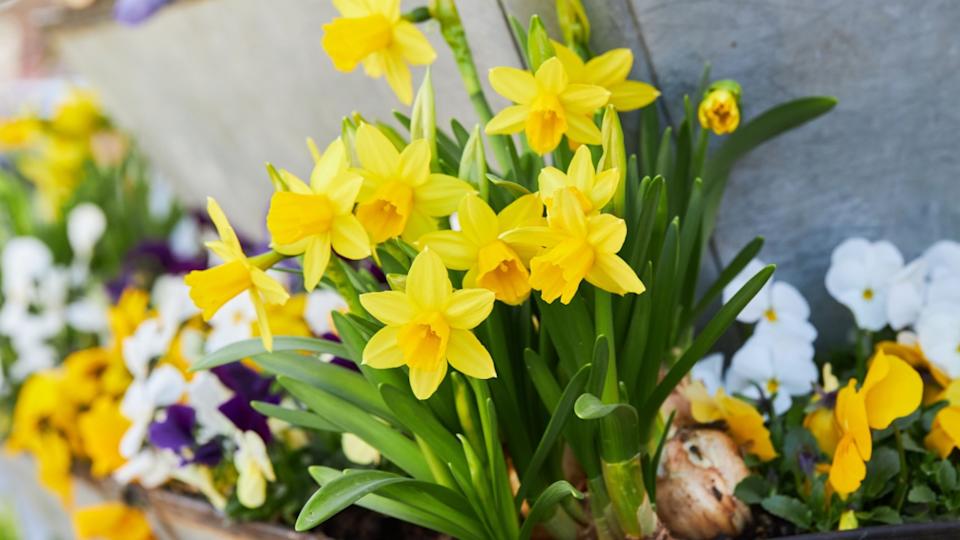
Image Credit: Shutterstock.
Daffodils are among the best spring flowers because of their cheerful color and low-maintenance nature. While typically daffodils have sunny shades of yellow, you can also find them in white or orange varieties.
These hardy perennials have a rich history and are favorites among gardeners worldwide. What gardeners love the most about these blooms is that once planted, daffodils can bloom year after year with minimal effort. After flowering, the leaves may look messy for about 4 to 6 weeks, but avoid the temptation to cut them off. The foliage gathers energy and feeds the flower bulbs for the following year.
It’s best to plant daffodil bulbs in the fall in well-drained soil. They dislike wet or soggy spots because excessive moisture around the roots can cause them to rot. Select a location with full or partial sun exposure, and avoid areas with deep shade. You can boost their growth by applying a balanced fertilizer in early spring, just as the shoots emerge.
2. Crocuses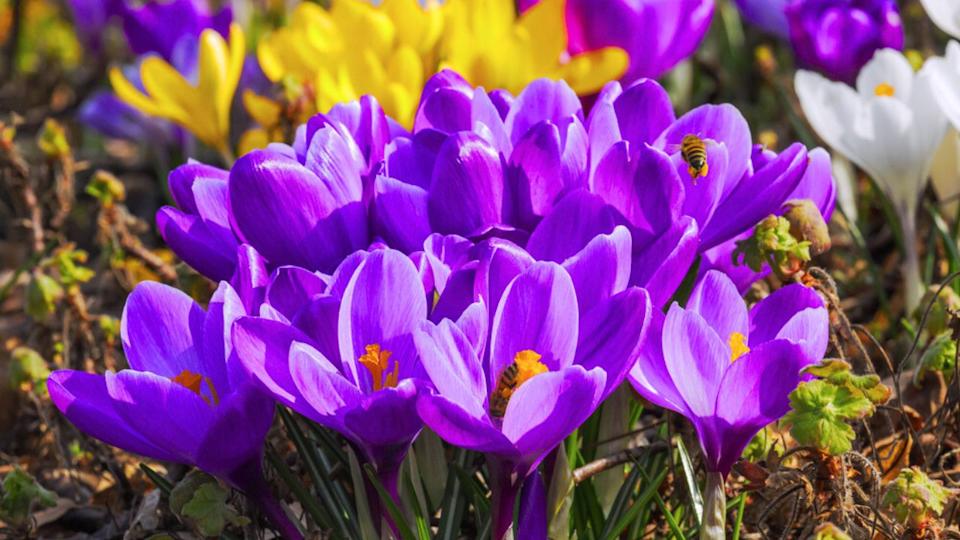
Image Credit: Shutterstock.
Crocuses are usually one of the first signs that spring has arrived. These cup-shaped flowers bloom close to the ground and come in beautiful shades of purple, yellow, white, and lavender. Like daffodils, they are low-maintenance and a great way to add life to your garden.
Crocus bulbs (actually corms) should be planted in the fall before the ground freezes, but they can also be planted in early spring and need a period of dormancy before they start growing.
They grow best in a sunny spot with well-drained soil. After planting, give them a single watering; spring rains usually provide all the moisture they need. Let the leaves turn yellow and die back naturally after flowering, as this helps feed the corms for next year. These blooms are perfect for flower beds, borders, rock gardens, or even tucked into your lawn.
3. Snowdrops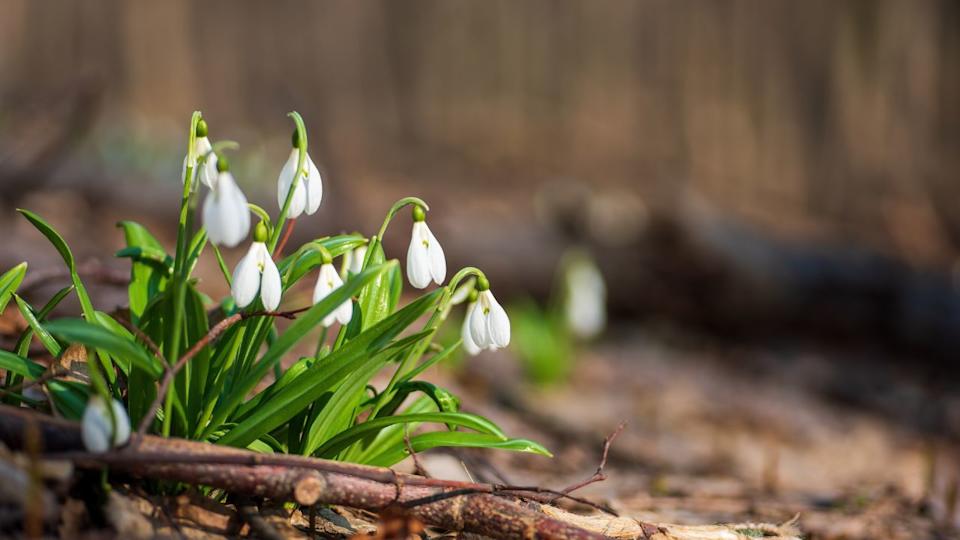
Image Credit: Shutterstock.
Snowdrops, or Galanthus, are dainty white flowers that bring life and elegance to your garden when most other plants are still dormant. These early bloomers spread gradually, creating a beautiful white carpet that adds charm to your garden.
Snowdrops grow best in full sun or light shade spots and prefer moist, well-drained soil. However, avoid planting them in heavy clay, which hinders their growth. Plant snowdrop bulbs about 3 inches deep in well-drained soil in the fall. These low-maintenance flowers require watering only during dry spells and don’t need excessive attention.
The flowers come in various forms, with some varieties having single, delicate petals and others displaying beautiful, double-layered petals. With proper care and a nurturing environment, Snowdrop bulbs can last many years and reward you with their perennial beauty.
4. Sweet Alyssum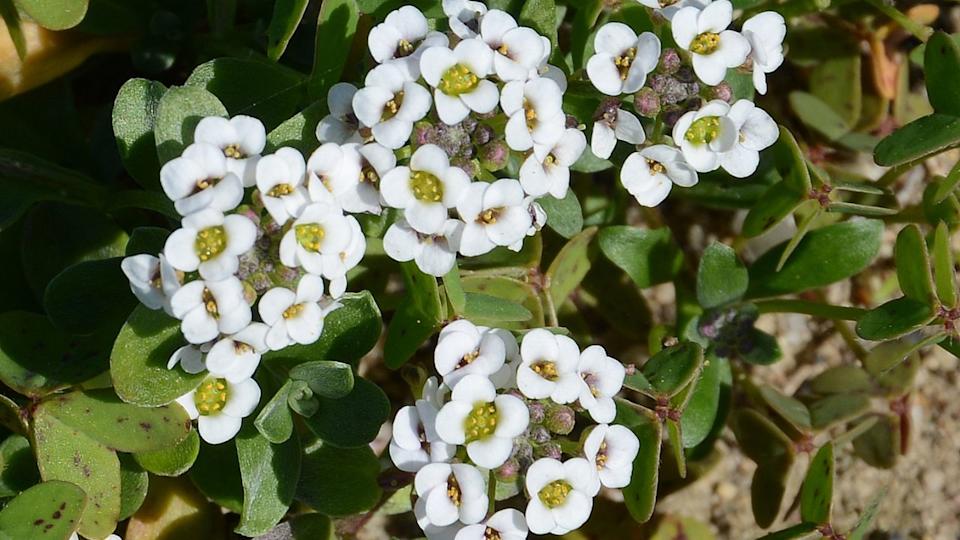
Image Credit: Alvesgaspar – Own work – CC BY-SA 4.0/Wiki Commons.
Sweet Alyssum is a low-growing, spreading flower known for its tiny blooms and sweet, honey-like scent. It comes in white, pink, lavender, and purple hues and looks lovely when spilling over garden edges, pots, or hanging baskets.
This flower thrives in full sun but can tolerate partial shade. It prefers well-drained soil and requires minimal watering; simply keep the soil slightly moist, especially during dry periods.
It’s one of the earliest flowers to bloom in spring and, in mild climates, can even flower into late fall. You can start it from seeds directly in the soil, and it will begin blooming within weeks. Trim it back lightly during the growing season to encourage more blooms.
The best part? It is also great for attracting pollinators, such as bees and butterflies, making it a lovely and helpful addition to any beginner-friendly garden.
5. Snapdragons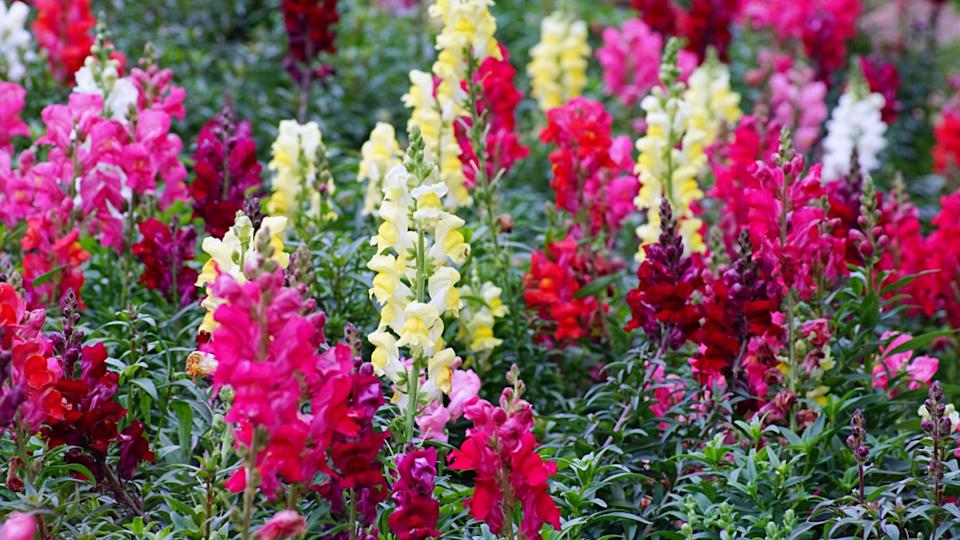
Image Credit: Shutterstock.
Snapdragons are bold, colorful flowers that add height and personality to your spring garden. Their blooms come in shades of pink, red, yellow, orange, white, and even bi-color, with tall spikes that resemble tiny dragon faces—hence the name.
These blooms love full sun and partial shade. Plant them in well-draining soil enriched with organic matter, ideally with a pH between 6.2 and 7.0. Keep the soil moist, but not soggy, and always water at the base of the plant to help prevent fungal diseases.
Snapdragons are beginner-friendly and available in dwarf, medium, and tall types. Taller varieties may need light support to stay upright. These blooms are perfect for borders, garden beds, and containers, and make beautiful cut flowers for bouquets.
6. Creeping Phlox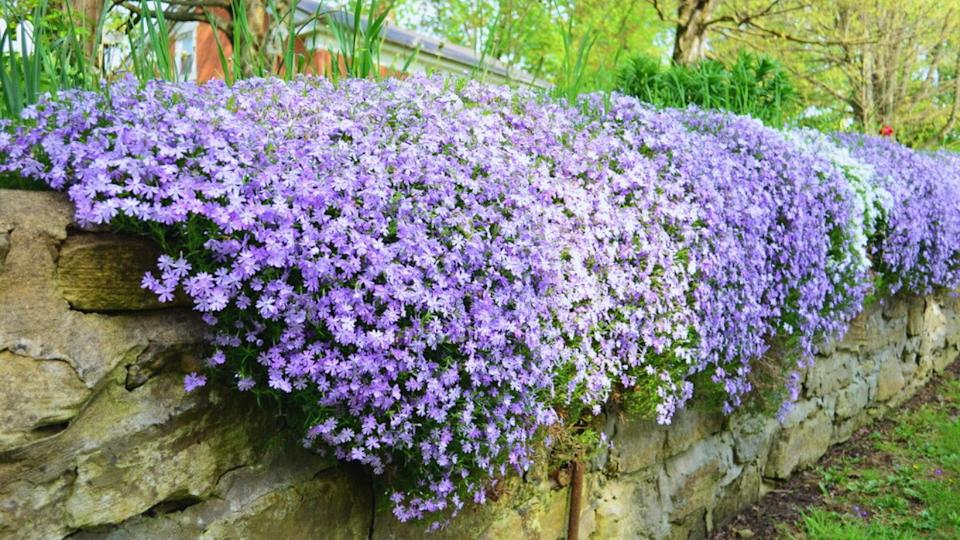
Image Credit: Shutterstock.
Creeping Phlox, also known as moss phlox, is so beautiful that you can’t take your eyes off it. These gorgeous flowers spread low and wide, with blooms in pink, purple, blue, and white, creating a dense floral carpet over gardens, lawns, rock walls, and slopes. These are a real deal in early to mid-spring and a favorite for adding beauty to any space.
For the best show, keep these flowers in a place exposed to direct sunlight. They prefer well-drained soil and only need to be watered about once a week, just enough to keep the soil moist. Once established, they’re drought-tolerant and super easy to care for.
According to Weston Nurseries, Creeping Phlox attracts bees and butterflies, making it a great pollinator-friendly pick. Gardeners love it due to its visual appeal, low maintenance requirements, and versatility.
7. Foxgloves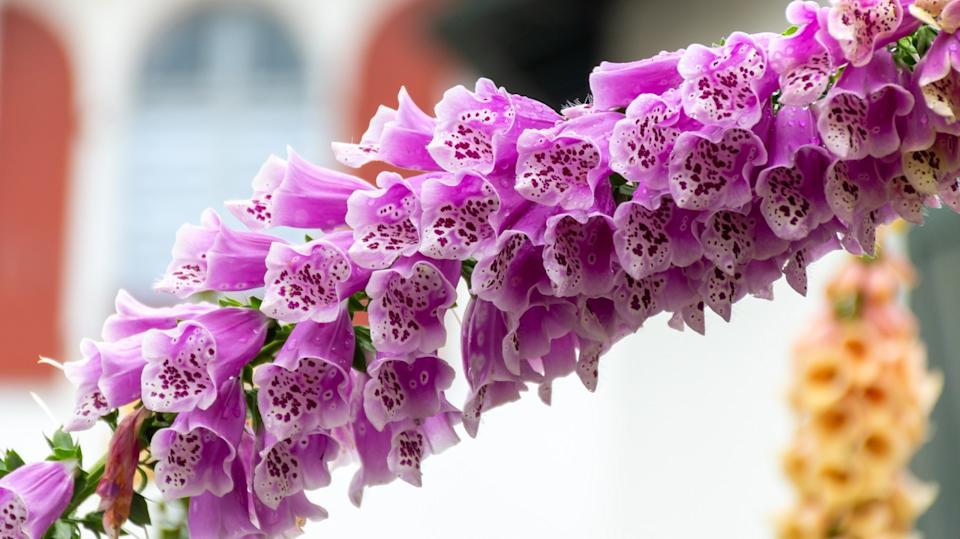
Image Credit: Shutterstock.
Foxgloves are tall, eye-catching flowers with bell-shaped blooms that grow in rows along a stem. They come in shades of purple, pink, white, and yellow, adding a dramatic, cottage-garden feel to your space. Foxgloves are also great for attracting bees and other pollinators.
You can sow foxglove seeds in early summer or fall. Don’t cover them with soil because they need light to germinate. Make sure the soil is moist but not soggy, and there is good air circulation around the plants to keep them healthy.
Foxgloves are usually biennial, which means they grow leaves in the first year and bloom in the second. However, some types can live for 2 to 5 years and bloom each year once they mature.
While they’re easy to grow, you must know that all parts of the plant are toxic if eaten, so keep them away from pets and kids.
8. Flowering Quince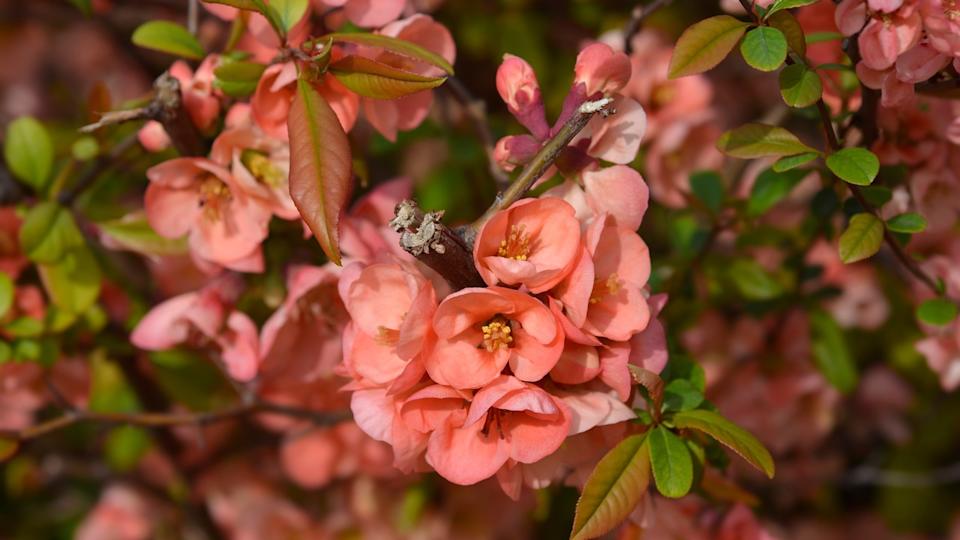
Image Credit: Shutterstock.
Flowering Quince is one of the first shrubs to bloom in early spring, mainly before the leaves even appear. Its bright flowers, in shades of red, pink, orange, or white, bring a pop of color to the garden.
This shrub is easy to grow and great for beginners. Plant it in well-drained soil, under full sunlight, and water regularly during the first growing season to help the roots establish.
The branches have small thorns that work well as a barrier or hedge. And while it may look delicate, this plant is tough; it can withstand cold weather and urban pollution. You can also prune it lightly after blooming to keep its shape.
Bonus: The flowers attract early pollinators, and some produce small, hard fruits in the fall that can be used in jellies or jams.
9. Forget-Me-Nots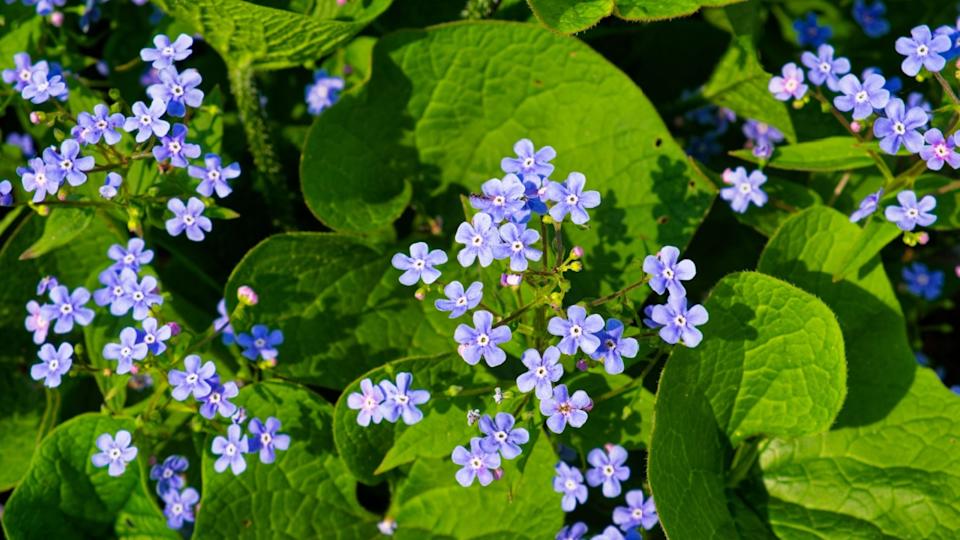
Image Credit: Shutterstock.
How can you ignore the charm of a flower in your spring garden with a name like that? Forget-Me-Nots are tiny, delicate flowers perfect for your spring garden, even if you are a beginner. They are loved for their soft blue petals and yellow or white centers. Some varieties also bloom in pink or white, adding gentle pops of color.
Partial shade is good for them, but full sun is also acceptable if the climate is cool. They prefer moist, well-drained soil and require minimal care. Remove the spent flowers to help them continue blooming.
Forget-Me-Nots often reseed themselves, so once you plant them, they may return year after year. While that’s part of their charm, some types can become invasive if left unchecked. To avoid this, choose non-invasive varieties and monitor their spread.
10. Heather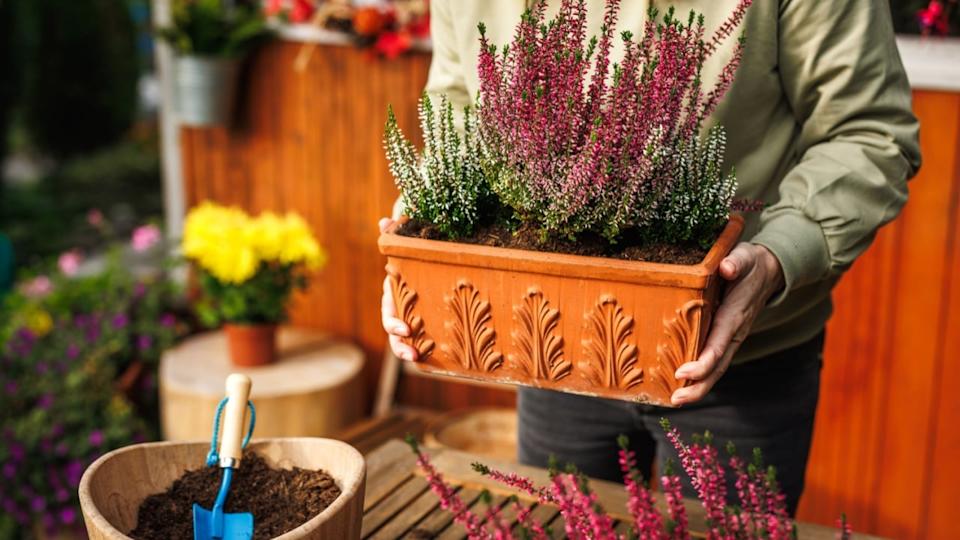
Image Credit: Shutterstock.
Heather is a hardy shrub and a favorite among gardeners because of its rich, bell-shaped flowers and evergreen foliage. It blooms in soft shades of pink, purple, red, or white and adds a lovely splash of color from late winter to early spring (when your garden needs it most).
This plant is known for its toughness and adaptability. It should be planted in well-drained, slightly acidic soil and benefit from regular watering initially.
Although growing Heather from seeds is possible, it can be a tricky and slow process. It’s much easier to plant young shrubs or rooted cuttings. Heather also performs well in containers, rock gardens, and as a ground cover, making it a versatile option for various garden spaces.
11. Tulips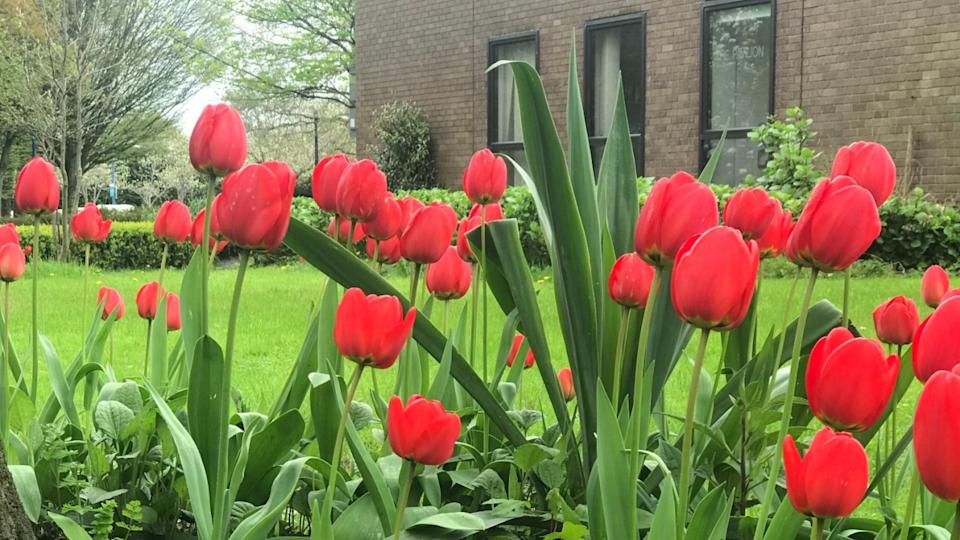
Image Credit: Shutterstock.
Tulips are classic springtime favorites because of their bold colors and elegant shape. They come in nearly every color you can imagine: red, yellow, purple, white, pink, and even multicolored varieties. With their clean lines and vibrant hues, tulips are perfect for brightening gardens, containers, and balconies.
These flowers grow from bulbs that should be planted in the fall before the ground freezes (usually when the nighttime temperatures are in the 40s).
Tulips bloom annually in early to mid-spring and can last several weeks, depending on the weather. While tulips are beginner-friendly, they don’t usually rebloom as strongly year after year. Many gardeners treat them as annuals and replant fresh bulbs each fall for the best display.
12. Irises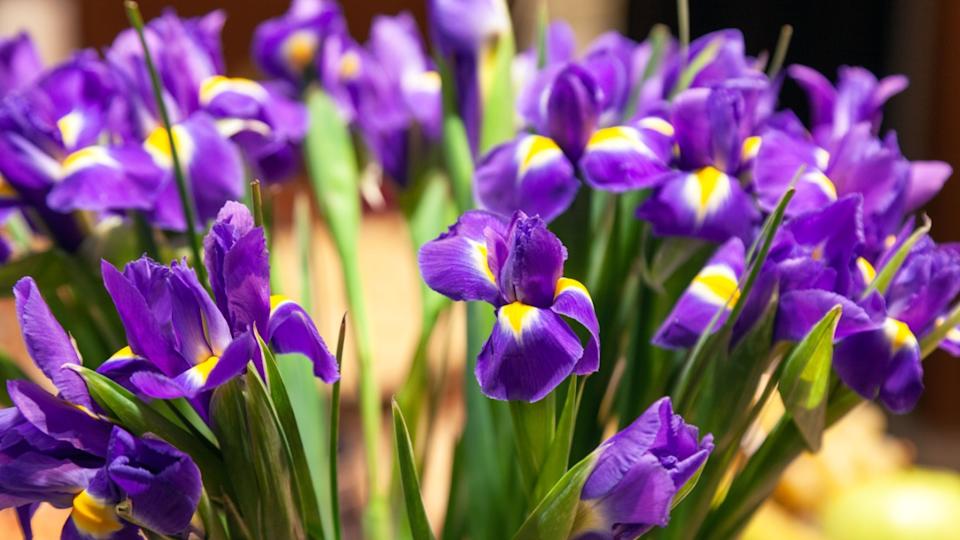
Image Credit: Shutterstock.
Irises are easy-to-grow, striking flowers that must have a place in your spring garden. Their large, uniquely shaped blooms come in shades of purple, blue, yellow, white, and more, each adding charm to borders, beds, and pots.
These flowers thrive in full sun and need well-drained soil to prevent root rot. Bearded irises are especially popular in spring and are perfect for beginner gardeners.
To support strong growth and future flowers, use a low-nitrogen fertilizer in early spring and again after blooming. Avoid overwatering, and make sure the rhizomes (thick roots) are slightly exposed above the soil to help prevent rot.
Trim the leaves only when they start to yellow, and divide the plants every few years to keep them healthy and blooming.
Start Your Spring Garden with a Pop of Satisfying Color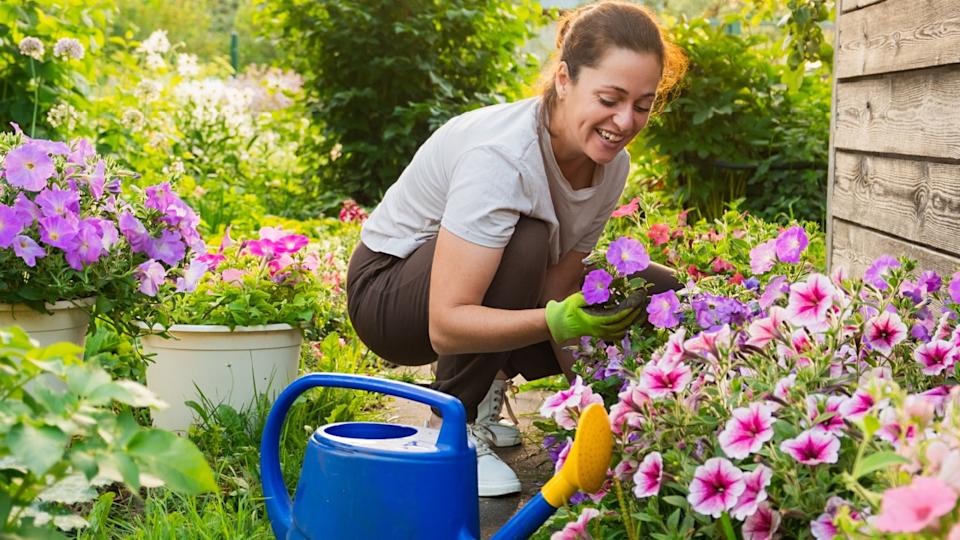
Image Credit: Shutterstock.
If you are a beginner or thinking about the best flowers to grow in the spring, the list will help you turn your plan into action. Creating your dream spring garden doesn’t have to be complicated. With the selection of the best blooms and little effort, you can make your space inviting and full of life.
Read more:
11 Beautiful and Delicious Edible Flowers for Your Garden
10 Annual Flowers to Plan This Year for All Season Blooms
Comments are closed.