
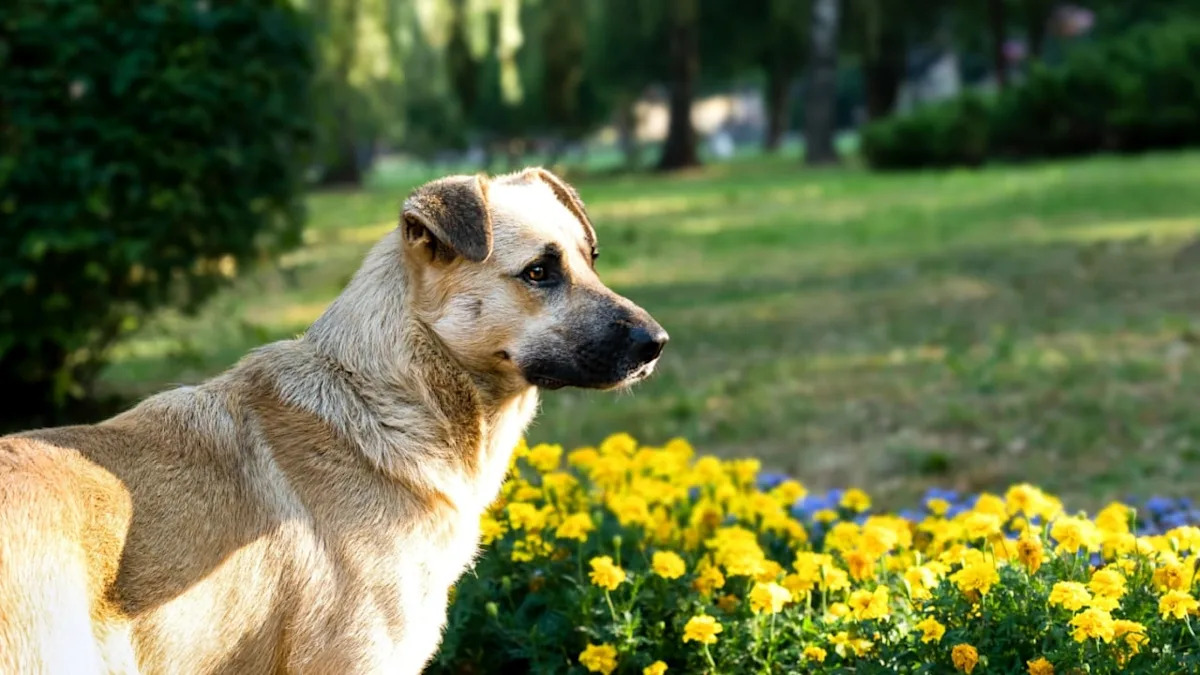
Your garden is full of plants you deliberately chose, carefully planted, and genuinely love. That’s exactly what makes this so hard to say: some of the most beautiful, most beloved cottage garden staples — the ones in every nursery, on every Pinterest board, in your grandmother’s backyard — are genuinely dangerous to dogs.
Not mildly upsetting. Dangerous.
Dogs cannot tell a toxic plant from a safe one. According to the American Kennel Club’s Chief Veterinary Officer, Dr. Jerry Klein, dogs have no instinct to avoid dangerous plants. If it smells interesting or looks chewable, some dogs may try it.
The Plants Most Likely to Harm Your Dog or Cat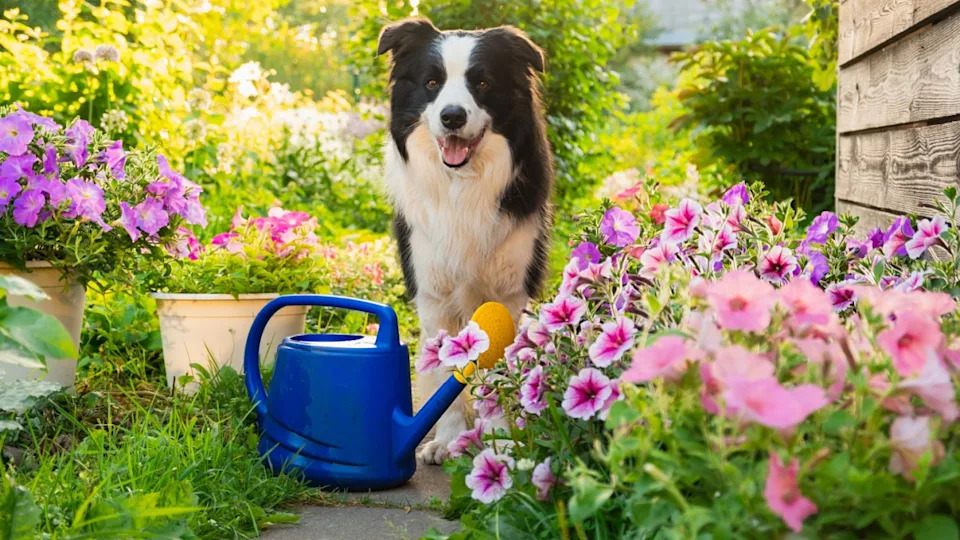
Image Credit: Shutterstock.
The list below covers the plants most frequently implicated in serious or fatal dog poisonings, according to the ASPCA Animal Poison Control Center and veterinary toxicologists. For each plant on the list, there’s a safer alternative that gives you the same look without the risk to your beloved pet.
1. Foxglove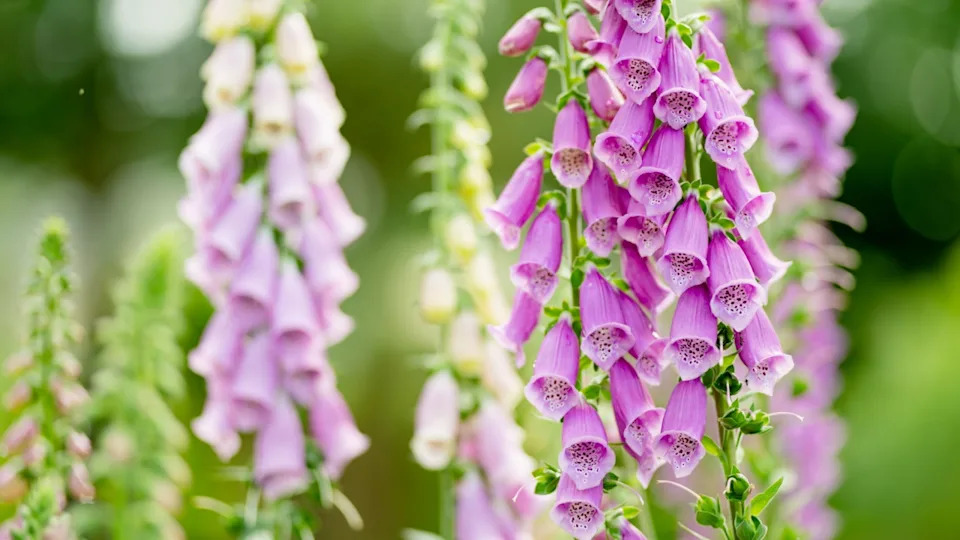
Image Credit: Shutterstock.
Foxglove is practically synonymous with English cottage gardens — those tall spires of purple and white are almost irresistible to plant. They’re also genuinely one of the most dangerous plants in the garden.
Every part of the foxglove plant contains cardiac glycosides, the same class of compounds used in heart medications, and in an uncontrolled dose, they can cause fatal arrhythmias in dogs, cats, and even humans. According to garden designer Laura Lombardi of Weekend Gardener in The Spruce, foxgloves “contain toxic cardiac glycosides that, if ingested, can result in severe poisoning, which can even be fatal.” Swap in zinnias or snapdragons for the same height and cottage-garden drama.
2. Azalea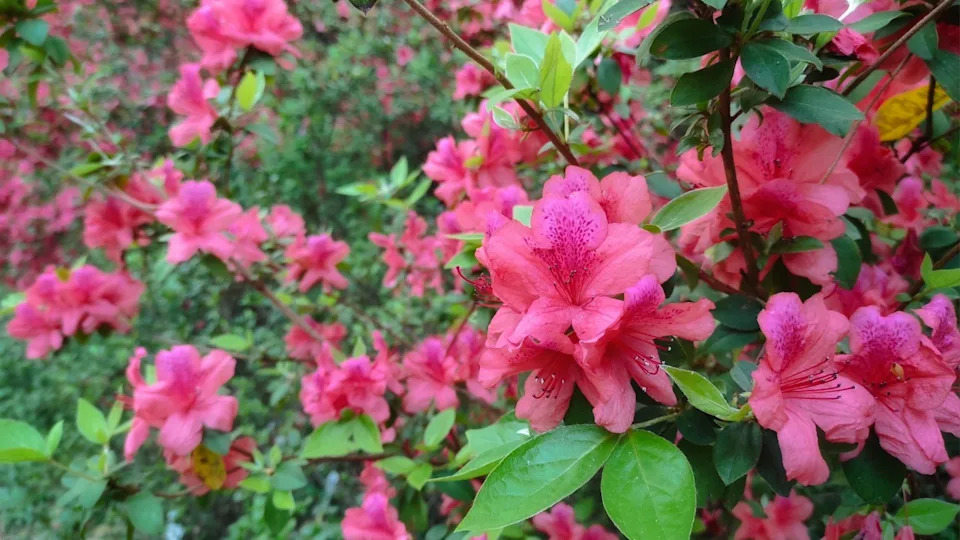
Image Credit: Shutterstock.
Azaleas are a Southern garden staple and a beloved gift plant across the country. They’re also toxic to dogs and cats in ways that surprise most people. According to Lombardi in The Spruce, the culprit is grayanotoxins, which interfere with muscle and nerve function and can cause vomiting, weakness, and in severe cases, coma or death. The safe alternative: camellias. They have similar dark, glossy leaves, thrive in the same partial shade and acidic soil, and come in gorgeous varieties with no toxicity risk.
3. Rhododendron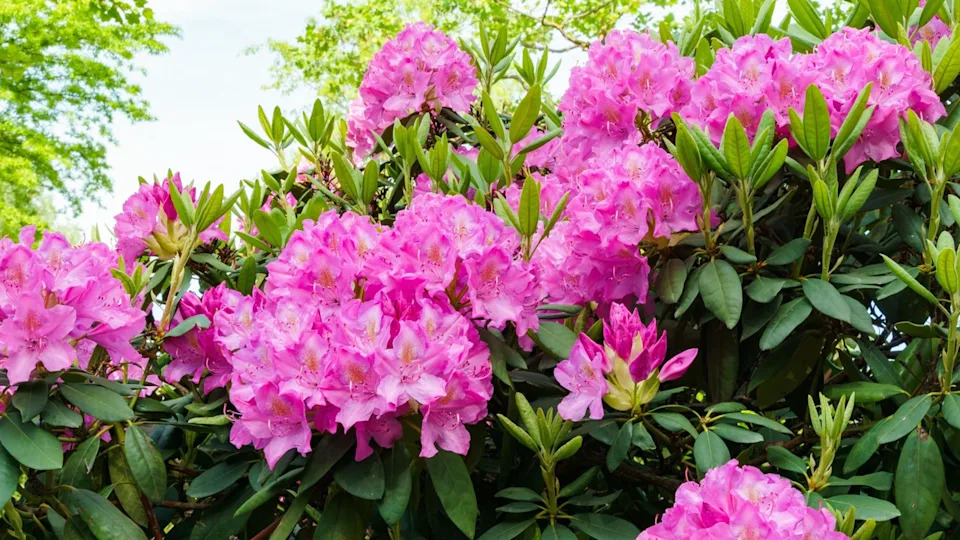
Image Credit: Shutterstock.
Rhododendrons are so closely related to azaleas that they share the same grayanotoxin chemistry. The entire plant is toxic, and given how large and established rhododendron shrubs often become in older gardens, they represent a long-term risk that’s easy to underestimate. If removal isn’t possible, keep dogs away from fallen flowers and leaves.
4. Sago Palm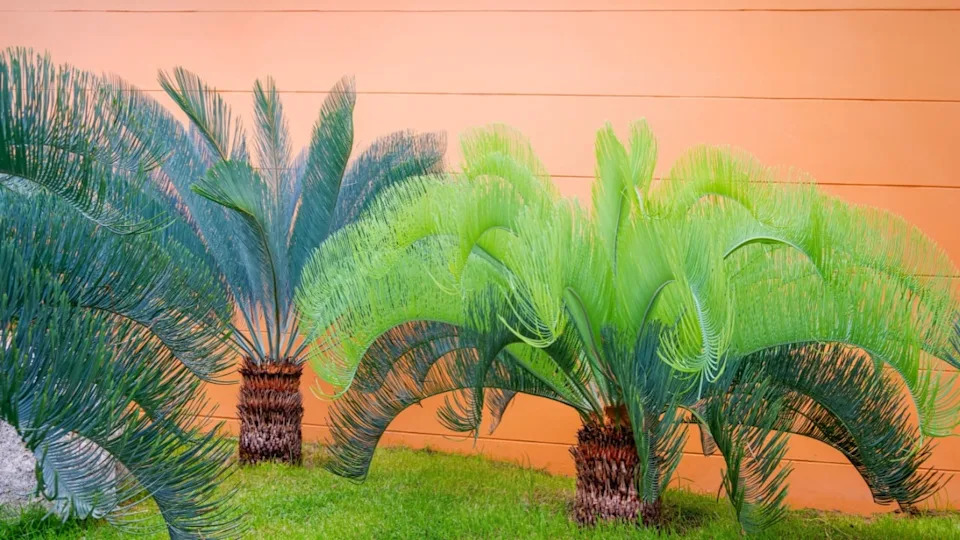
Image Credit: Shutterstock.
This is the one that should concern you most. Sago palms look like small, stylish tropical accents, and they’ve been popping up in garden centers across the country, far outside their native southern range, sold as potted houseplants and patio accents.
What most buyers don’t know is that the sago palm is one of the most lethal plants a dog can encounter. Every part of the plant is toxic, but the seeds are particularly dangerous. According to the ASPCA Animal Poison Control Center, the fatality rate when a dog ingests sago palm and treatment is delayed ranges from 50 to 75 percent. One or two seeds can be enough to cause liver failure in a medium-sized dog. Symptoms can appear within 15 minutes or take up to three days to emerge.
Do not have this plant in any space a dog can access, and if it’s already in your landscape, consider removing it entirely.
5. Lily (True Lilies)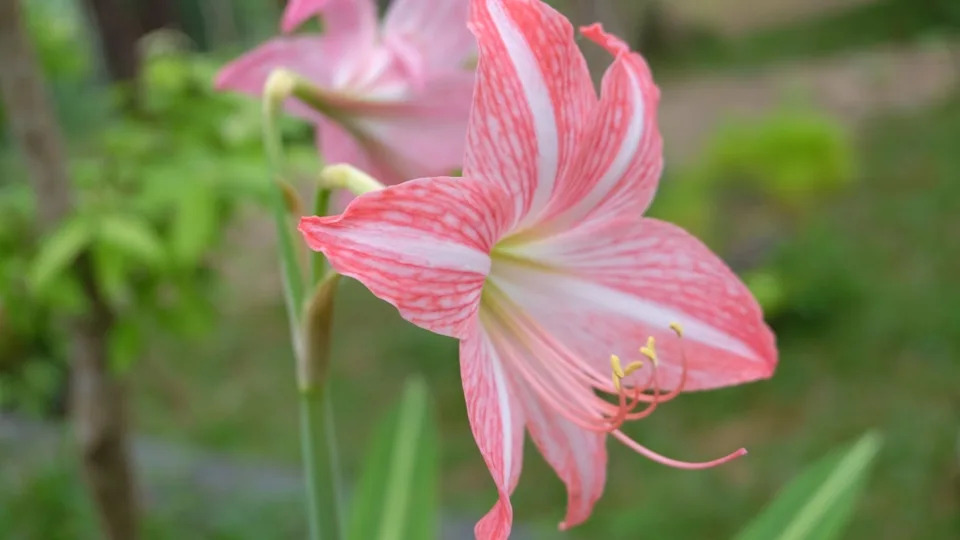
Image Credit: Shutterstock.com.
Easter lilies, tiger lilies, daylilies, and Asiatic lilies are all stunning – and all a serious threat, especially to cats.
For cats, even a small amount of pollen groomed from their fur is enough to cause complete kidney failure within 36 to 72 hours. As UC Davis veterinary experts warn, with true lilies, by the time symptoms appear in cats, it is often too late to save the animal. This applies to cut flowers in vases indoors as well.
If you have cats, lilies of any kind, in the garden or in a bouquet, should be off the table entirely.
6. Lily of the Valley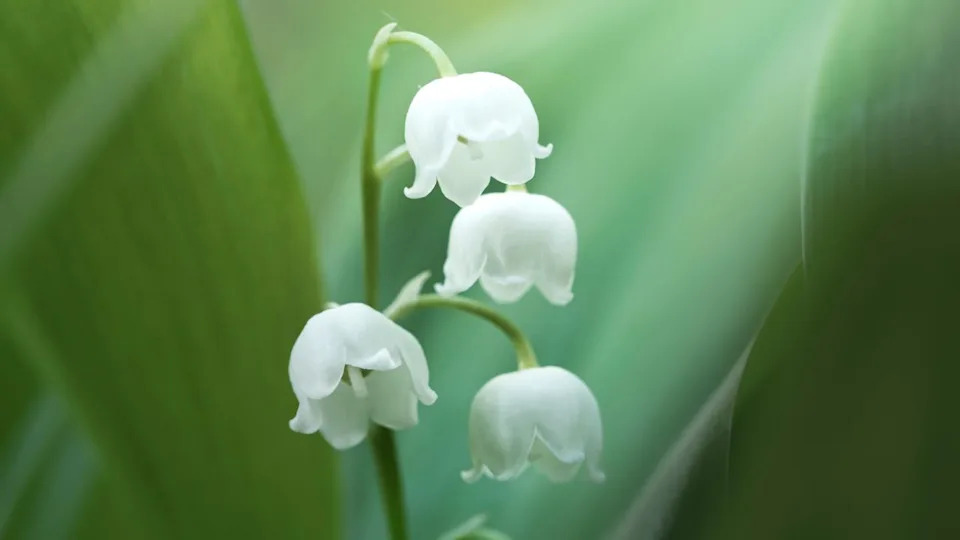
Image Credit: Shutterstock.
The tiny white bell-shaped flowers of lily of the valley look charming and smell wonderful. They also contain cardenolides, which disrupt cardiac rhythm and can cause dramatic drops in heart rate. Dr. Laura Stern of the ASPCA Animal Poison Control Center notes that even a small exposure to any part of the plant can cause changes in heart rate and rhythm in dogs. It’s also toxic to children and adults.
Try areca palm or sweet woodruff as ground cover alternatives.
7. Autumn Crocus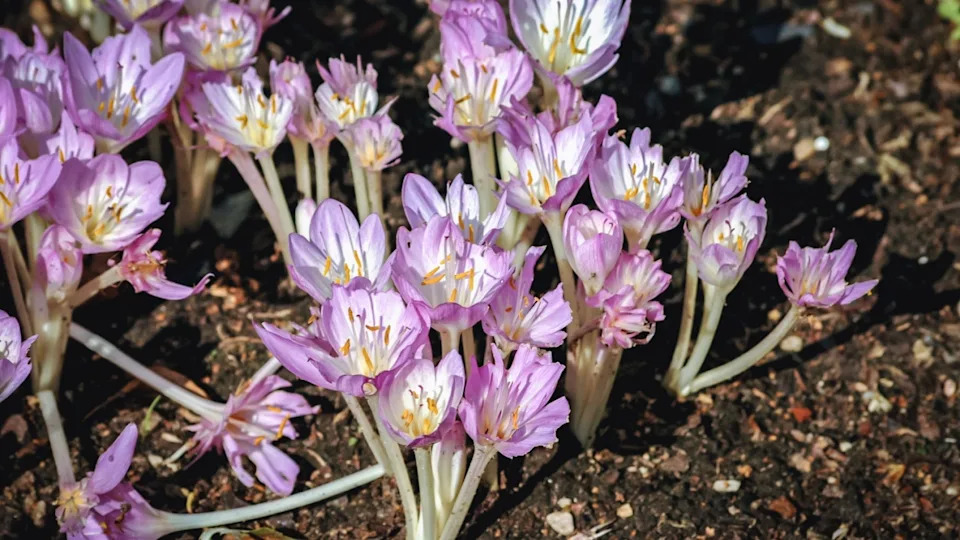
Image Credit: Shutterstock.
Here’s where the naming gets dangerous: spring crocuses cause only mild GI upset, but the autumn crocus (Colchicum autumnale) is classified as a major toxicity plant. Colchicine and other alkaloids inhibit cell division and can cause gastrointestinal bleeding, liver and kidney damage, and respiratory failure. Symptoms may be delayed by several days, which means owners often wait too long.
If you’re not sure which type you have, remove it.
8. Tulip and Hyacinth Bulbs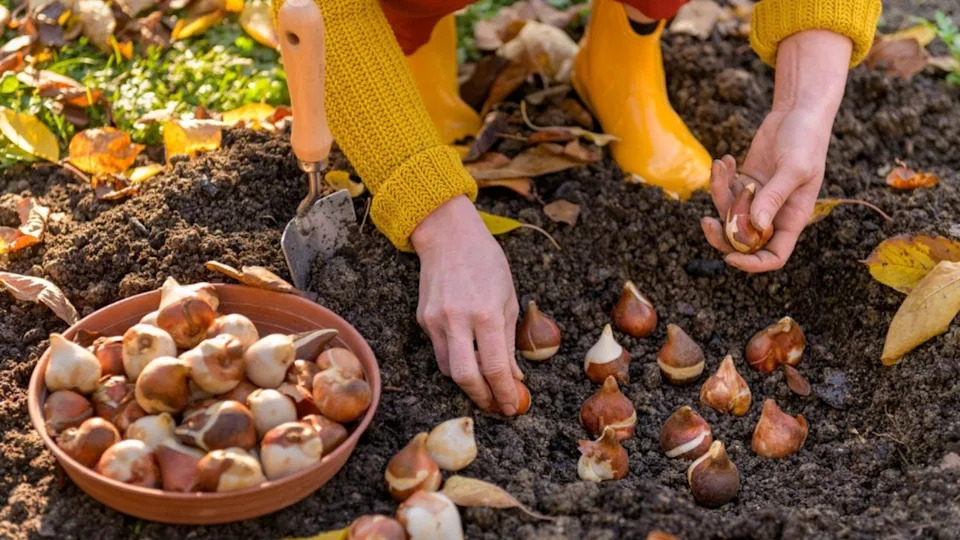
Image Credit: Shutterstock.
The flowers themselves pose less risk, but the bulbs are where the concentration of toxins is highest. Allergenic lactones in tulips and alkaloids in hyacinths cause profuse drooling, vomiting, and dehydration.
Dogs that dig are at particular risk during bulb-planting season in the fall, when freshly planted bulbs are easy to unearth. If you have a digger, plant bulbs in raised beds with wire mesh, or choose dog-safe spring bloomers like pansies instead.
9. Oleander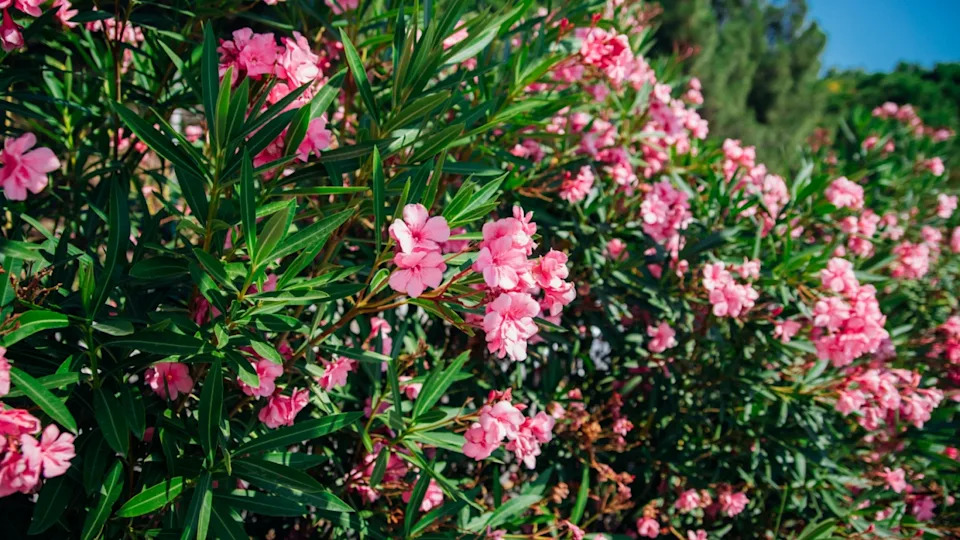
Image Credit: Shutterstock.
Oleander is a gorgeous, drought-tolerant shrub beloved by West Coast gardeners for its clusters of pink, white, and red flowers. Every inch of it — petals, leaves, stems, bark, even the water in a vase — contains cardiac glycosides. Ingestion can cause lethal arrhythmias. There is no safe part of this plant.
Sweet potato vine or butterfly bush are safer choices for heat-tolerant color.
10. Yew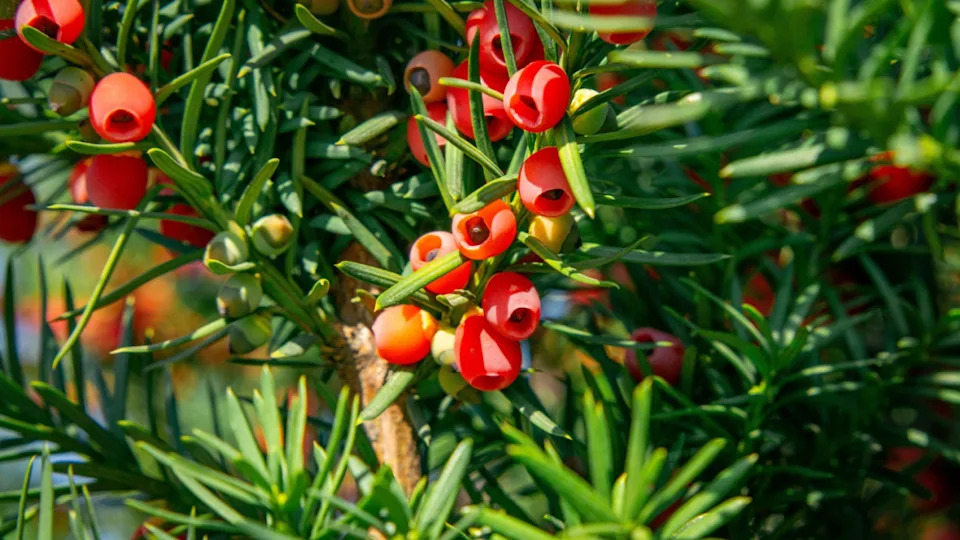
Image Credit: Shutterstock.
Yew hedges are the backbone of formal gardens and foundation plantings across the country. They’re also capable of causing sudden death in dogs from taxine alkaloids, which act on the heart and central nervous system. Taxine is present in every part of the yew plant. If you have established yew in a fenced area where dogs roam freely, this warrants serious reconsideration.
Arborvitae makes a similarly structured, non-toxic evergreen hedge alternative.
11. English Ivy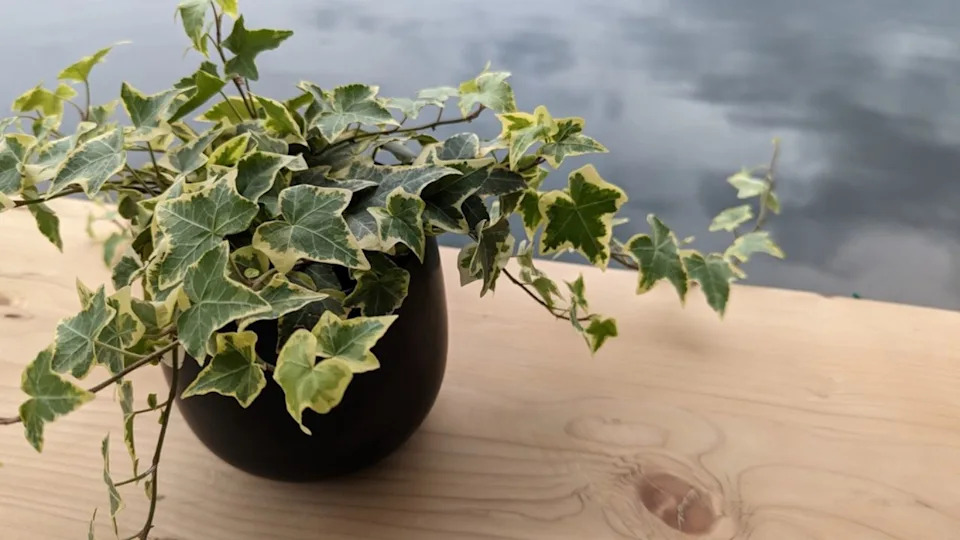
Image Credit: Shutterstock.
English ivy is one of the most common ground covers in American gardens, and one of the most overlooked hazards. All parts of the plant — leaves, berries, and vines — are toxic to dogs, causing GI upset when eaten and skin irritation on contact. It’s also invasive in many regions.
Sweet potato vine, creeping thyme, or native ground covers are better choices that serve the same function.
12. Caladium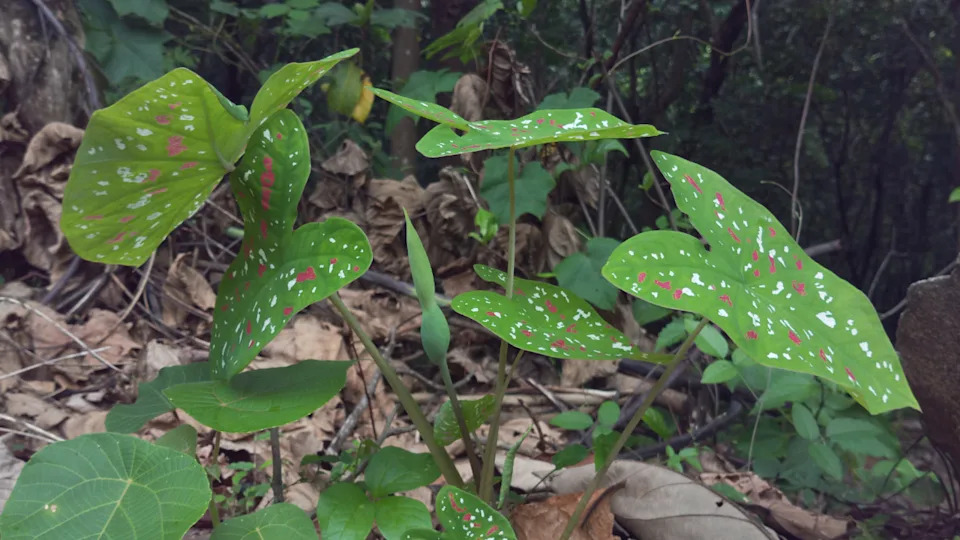
Image Credit: Nativeplants garden, CC BY-SA 4.0/Wiki Commons.
Caladium, also called elephant ear, is prized for its spectacular heart-shaped leaves in bold greens, reds, and pinks. It contains insoluble calcium oxalates that cause intense oral irritation, mouth swelling, and vomiting in dogs. The corms (underground tubers) are the most concentrated source of toxins.
Choose Coleus for a similar bold foliage look without the risk.
13. Daffodil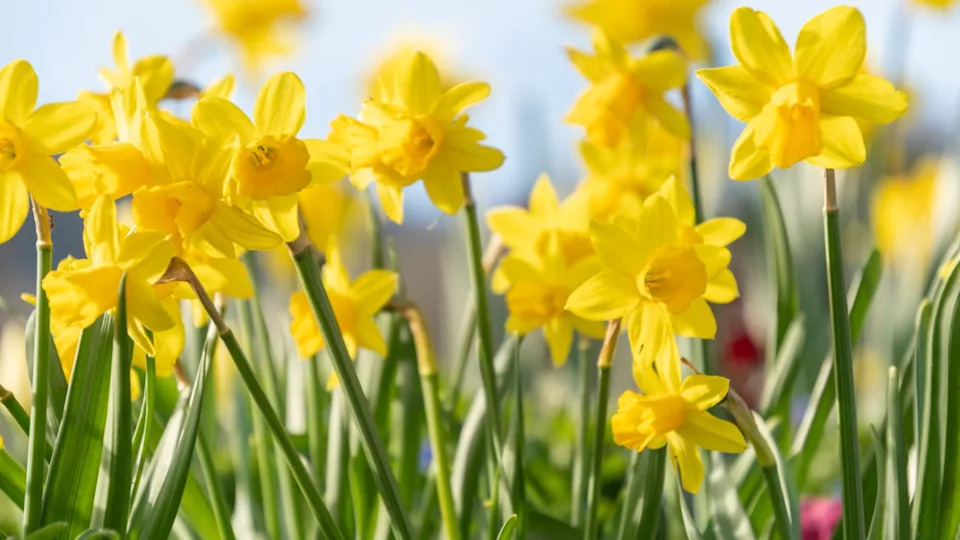
Image Credit: Shutterstock.
Daffodils signal spring in virtually every garden, but the entire plant contains lycorine, a compound that triggers vomiting and can cause tremors, convulsions, and cardiac arrhythmia. The bulb is the most dangerous part. Dogs that brush against daffodil foliage can also develop skin irritation. The risk is highest when bulbs are freshly planted, so keep dogs out of the area during planting season.
What to Do If Your Pet Eats Something
Image Credit: Deposit Photos.
If you think your dog has eaten any toxic plant, the most important thing you can do is act immediately — not wait to see if anything happens. The most common mistake pet owners make, according to veterinary toxicologists, is waiting for symptoms to appear. With sago palm and true lilies in cats, by the time symptoms are visible, serious organ damage may already be underway.
Call the ASPCA Animal Poison Control Center at (888) 426-4435 or the Pet Poison Helpline at (855) 764-7661. Both lines are staffed 24 hours a day. Bring a sample of the plant or a clear photo to your vet so they can identify it quickly. Do not induce vomiting unless your veterinarian specifically instructs you to — with some toxins, vomiting makes the situation worse.
If you can identify the plant ahead of time, cross-reference it against the ASPCA’s full online toxic plant database. It’s free, comprehensive, and worth bookmarking before you need it.
The Garden You Love, Made Safer
Image Credit: Shutterstock.
You don’t have to tear out everything you’ve planted. Many of the most satisfying cottage garden plants — marigolds, zinnias, sunflowers, snapdragons, camellias, petunias, and African violets — are non-toxic to dogs and genuinely beautiful. Swapping a foxglove for a snapdragon, or replacing an ivy ground cover with creeping thyme, keeps your garden lush and your dog out of danger.
The goal isn’t a sterile yard. It’s a yard where you don’t have to hold your breath every time your pet heads for the flower beds.
Read More
Do these 12 raised garden bed tasks before March ends, or lose your head start
12 vegetables to direct sow in the garden right now in March
Comments are closed.