
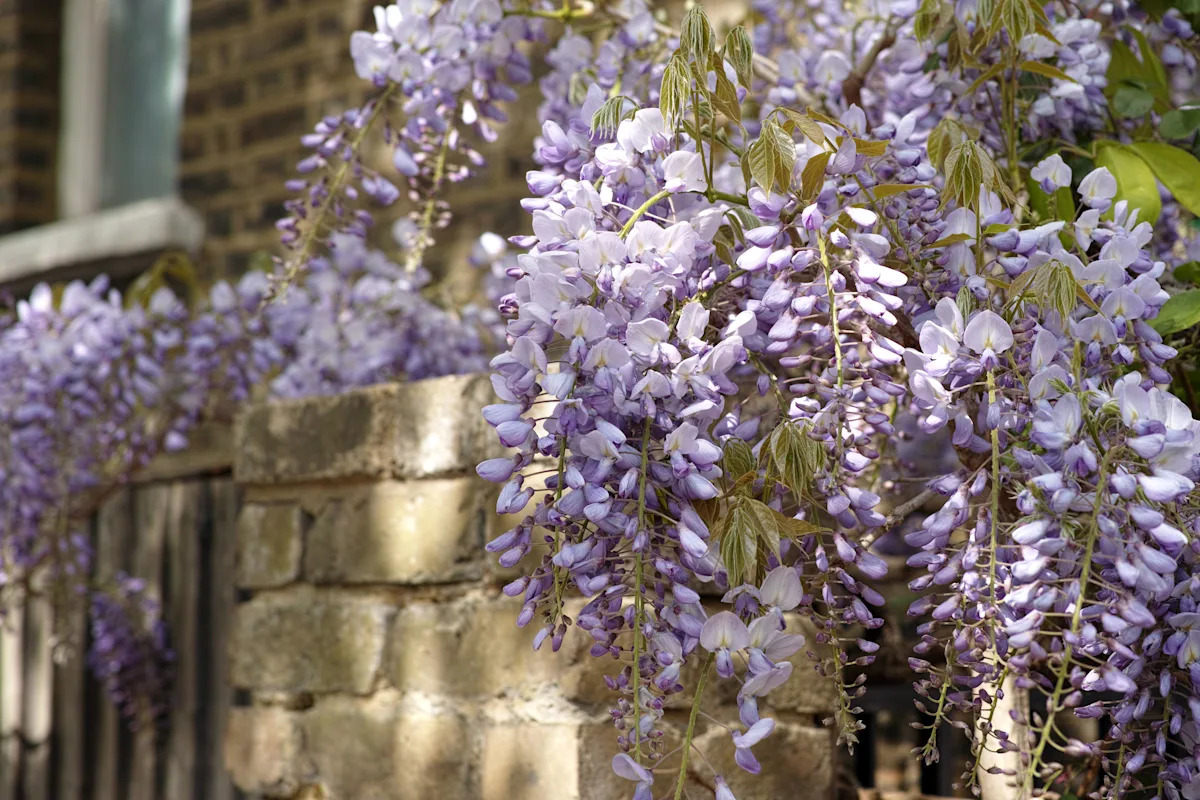
While many of us worry that our carefully tended plants might not thrive, some plants are ready to “quite literally” take over your garden! Invasive plants spread quickly in new environments, overwhelming native flowers and disrupting the local ecosystem. These invasive species pose a significant threat to our native plants and habitats.
Here’s a list of 15 invasive plants to keep an eye out for.
1. Japanese Honeysuckle (Lonicera Japonica)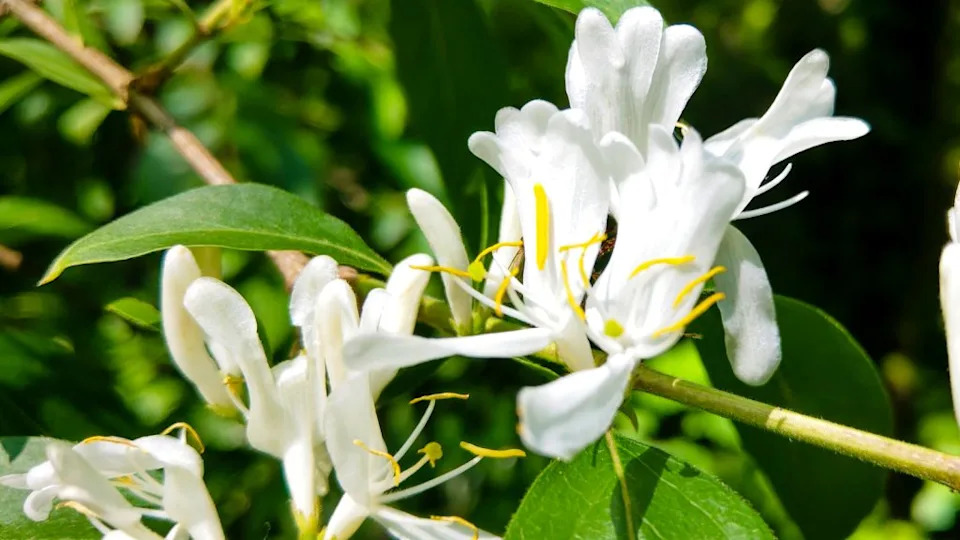
Image Credit: Deposit Photos
Japanese honeysuckle is a fast-growing, twining vine with fragrant white to yellow flowers. It outcompetes native vegetation by forming dense mats that smother plants. To get rid of Japanese honeysuckle, regularly cut back the vines and apply a systemic herbicide to the cut stems.
2. English Ivy (Hedera Helix)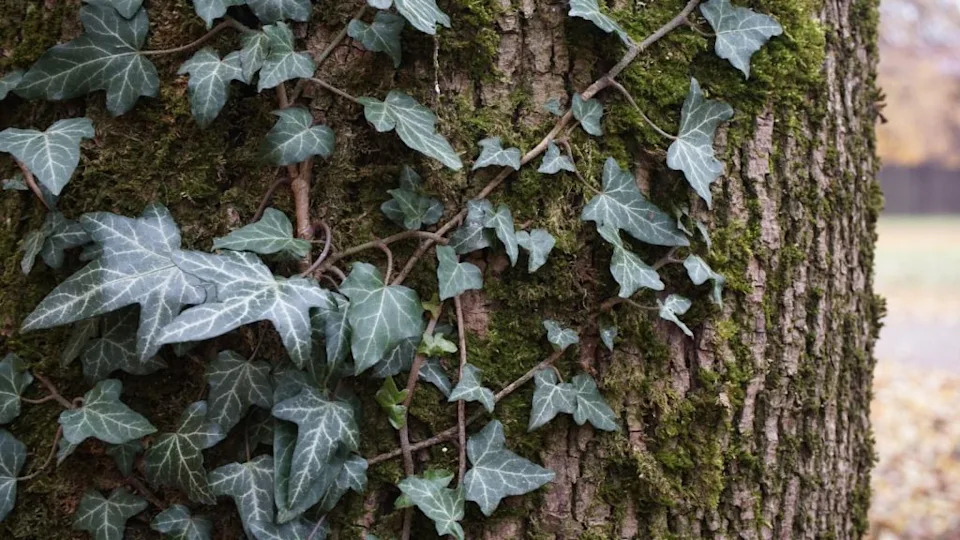
Image Credit: Deposit Photos
English ivy is an evergreen climbing vine with dark green, glossy leaves. It quickly climbs and chokes trees, creating heavy canopies that block sunlight and kill understory plants. English ivy can be eradicated by digging out the dense root system.
3. Japanese Barberry (Berberis Thunbergii)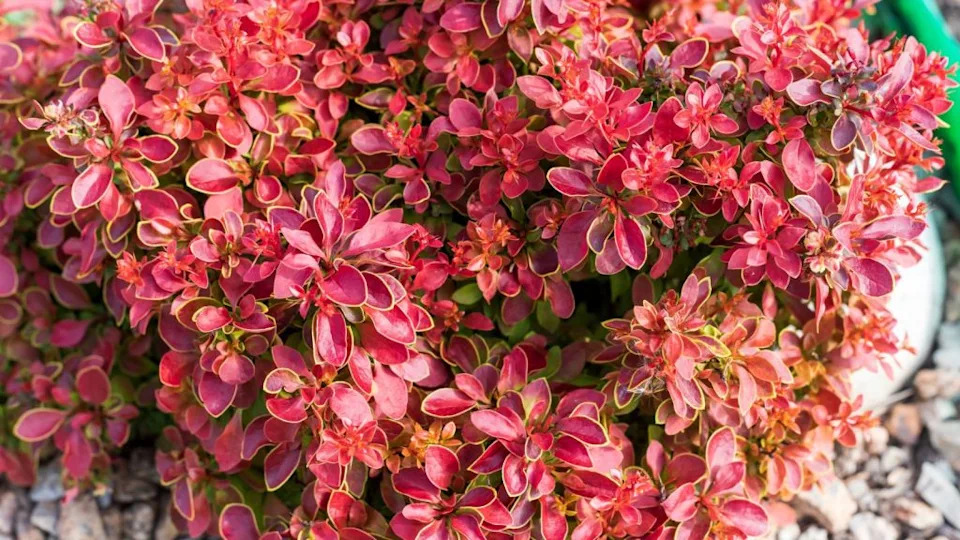
Image Credit: Deposit Photos
Japanese barberry is a thorny shrub with red or green leaves and red berries. It forms dense thickets of growth that swamp out native plants. Digging out the entire root system is the best way to get rid of this invasive plant.
4. Privet (Ligustrum spp.)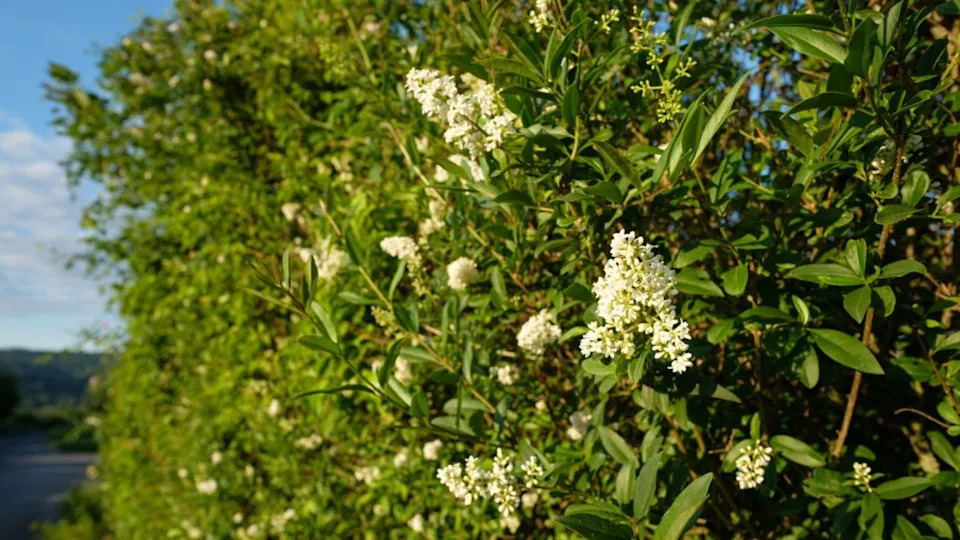
Image Credit: Deposit Photos
Privet forms dense thickets of growth bearing small, dark green leaves and white flowers. This shrub was often grown as an ornamental hedge but spread quickly, crowding out native vegetation. Growth can be slowed by vigorous pruning, but herbicide is usually the only way to completely eliminate privet.
5. Periwinkle (Vinca Minor)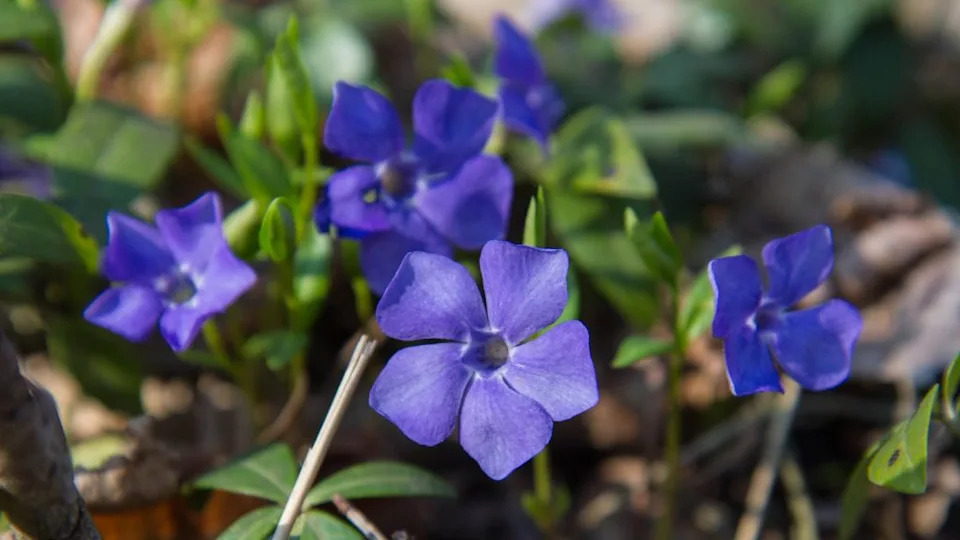
Image Credit: Deposit Photos
Periwinkle is a trailing evergreen plant with glossy leaves and blue-violet flowers. Although this plant is very pretty, it spreads rapidly, forming dense ground cover that suppresses native plants. Periwinkle can be weakened by repeated pulling or mowing.
6. Autumn Olive (Elaeagnus Umbellata)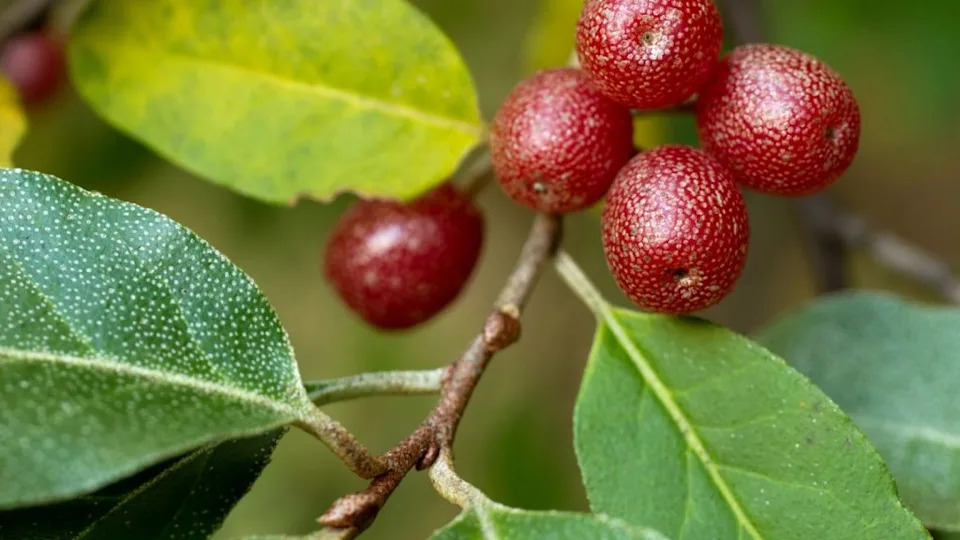
Image Credit: Deposit Photos
Autumn olive is a deciduous shrub that bears silvery leaves and small red berries. The vigorous growth of autumn olive crowds out other plants and can disrupt the soil’s nutritional balance. The most effective way to get rid of autumn olives is to cut down the shrubs and treat the stumps with herbicide.
7. Burning Bush (Euonymus Alatus)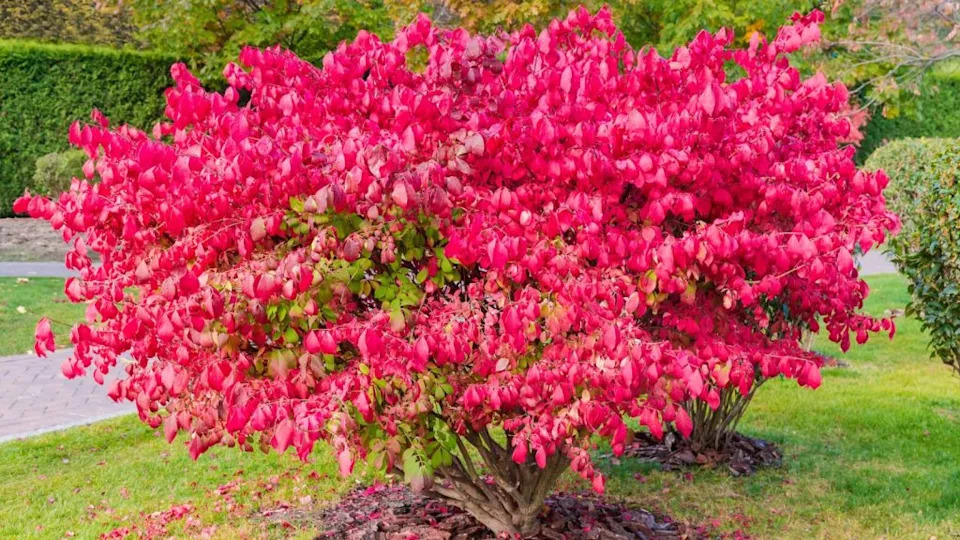
Image Credit: Deposit Photos
Burning bush, named for its bright red foliage in fall, is a shrub that grows in dense thickets. The seeds are spread by birds and it quickly outgrows native plants. To control burning bush, pull out smaller plants by the roots and cut back larger plants before they go to seed.
8. Chinese Wisteria (Wisteria Sinensis)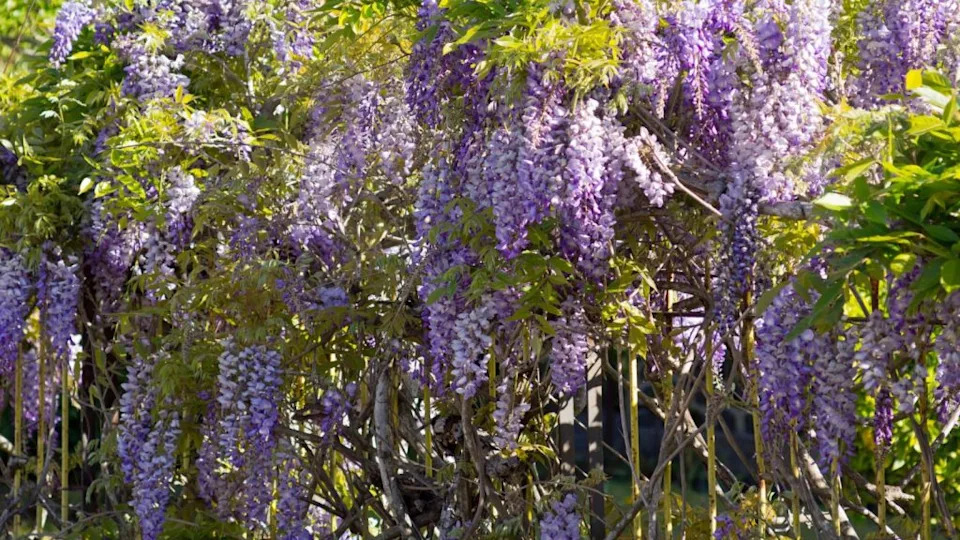
Image Credit: Deposit Photos
Chinese wisteria is a climbing vine that produces cascading clusters of fragrant purple flowers. This vigorous plant twines tightly around trees and shrubs, forming dense mats that smother vegetation. The most effective way to get rid of Chinese wisteria is to cut back the vines and apply a systemic herbicide to the cut stems.
9. Japanese Knotweed (Fallopia Japonica)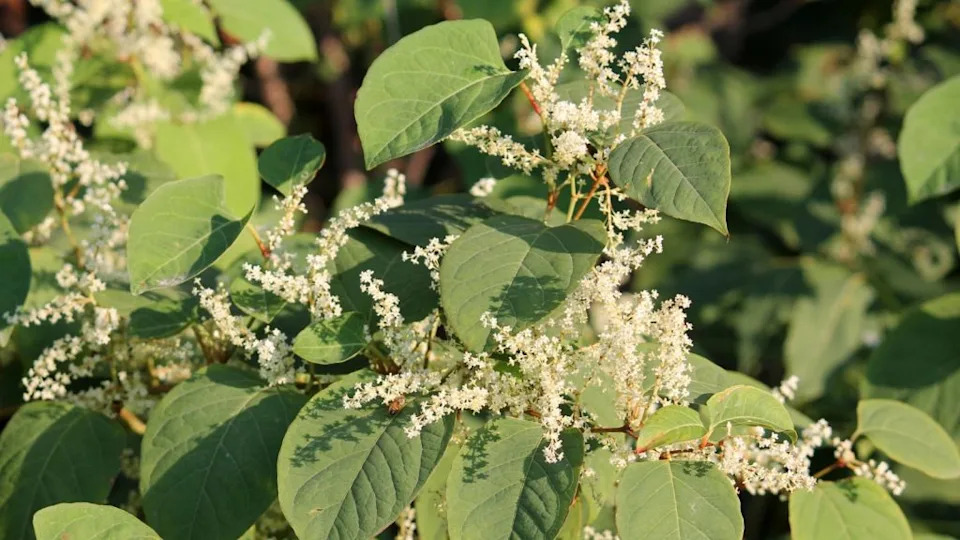
Image Credit: Deposit Photos
Japanese knotweed is a herbaceous perennial with bamboo-like stems and heart-shaped leaves. It spreads aggressively through root systems, forming dense stands that exclude other vegetation and damage structures and buildings. Japanese knotweed is classed as a noxious weed and its presence must be reported to the authorities, who can advise on the best way to eradicate it.
10. Yellow Flag Iris (Iris Pseudacorus)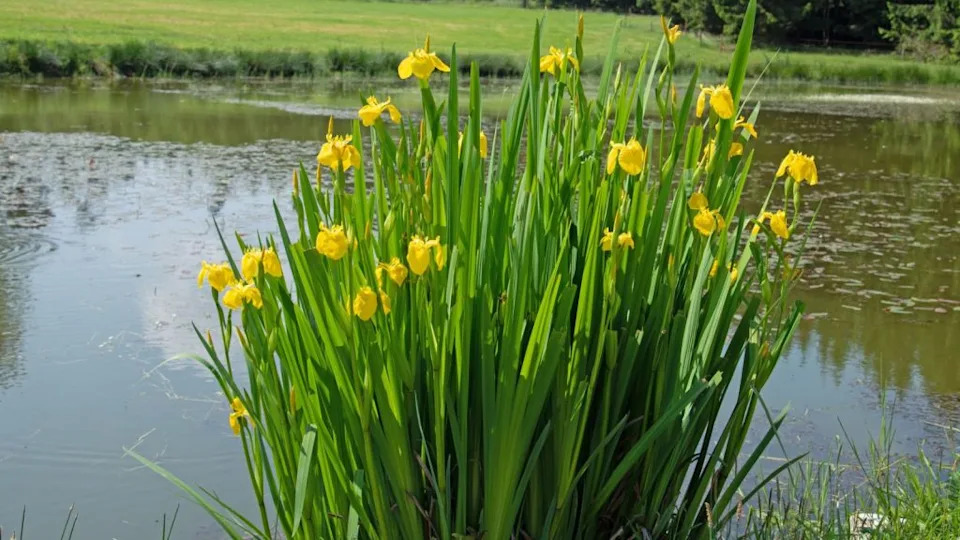
Image Credit: Deposit Photos
Yellow flag iris forms dense stands of tall, sword-like leaves with bright yellow flowers. It thrives in damp conditions and will completely take over waterways and wetlands. The best way to eradicate yellow flag iris is to dig the plants out entirely by the roots.
11. Bamboo (Phyllostachys Spp. And Other Invasive Species)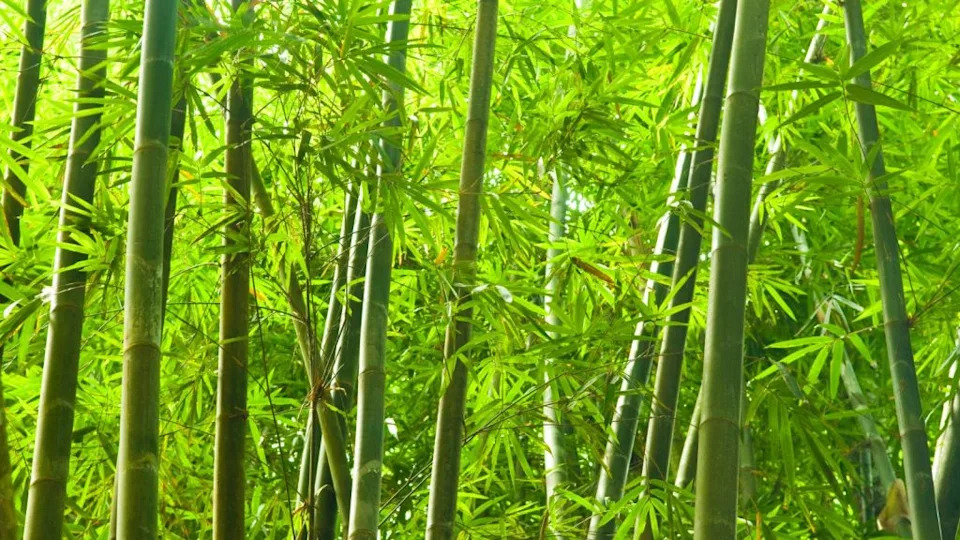
Image Credit: Deposit Photos
There are many types of bamboo plants, and some are more invasive than others. Bamboo plants spread rapidly through underground rhizomes, forming dense thickets that are difficult to control. Bamboo plants can be weakened by cutting down new shoots as they emerge but can be difficult to eradicate altogether.
12. Butterfly Bush (Buddleja Davidii)
Image Credit: Deposit Photos
Butterfly bush, named for its reputation for attracting butterflies, is a deciduous shrub that bears long, arching spikes of fragrant purple flowers. This invasive plant produces abundant seeds that disperse widely, establishing in disturbed and abandoned areas and outcompeting local plant life. If butterfly bush appears in your yard or garden, carefully dig out young plants before they become established.
13. Mimosa Tree (Albizia Julibrissin)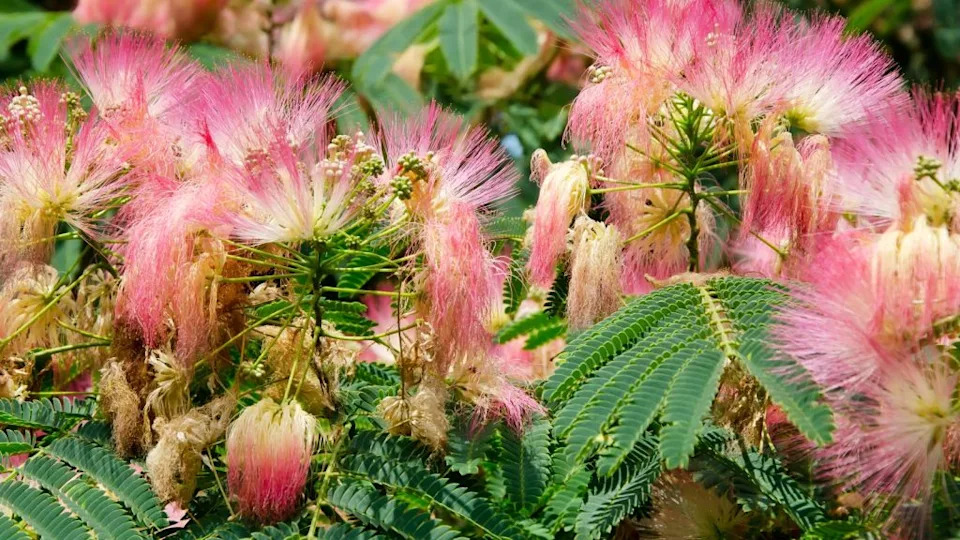
Image Credit: Deposit Photos
Mimosa is a small deciduous tree with fern-like leaves and delicate, fluffy flowers. It spreads rapidly via seed spread and its extensive root system, allowing it to invade and dominate open areas and forests. Large mimosa trees can be killed by ring-barking – removal of the bark from the lower trunk – and cutting back all new shoots as they emerge.
14. Water Hyacinth (Eichhornia Crassipes)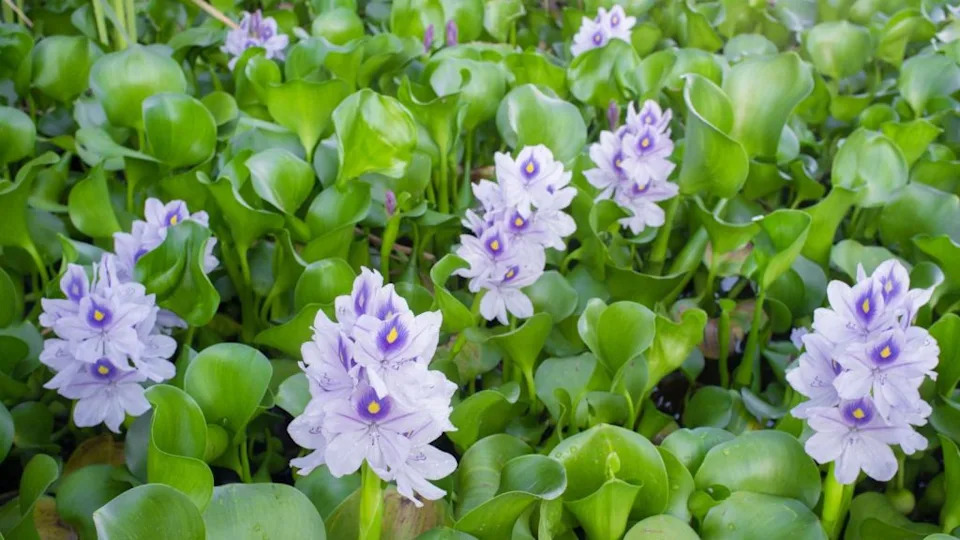
Image Credit: Deposit Photos
Water hyacinth is a floating aquatic plant with thick, glossy leaves and violet flowers, introduced as an ornamental for garden ponds and lakes. It forms dense mats on water surfaces, blocking sunlight, reducing oxygen levels, and impeding water flow. The only way to eradicate water hyacinths is to manually remove them from waterways.
15. Tree of Heaven (Ailanthus Altissima)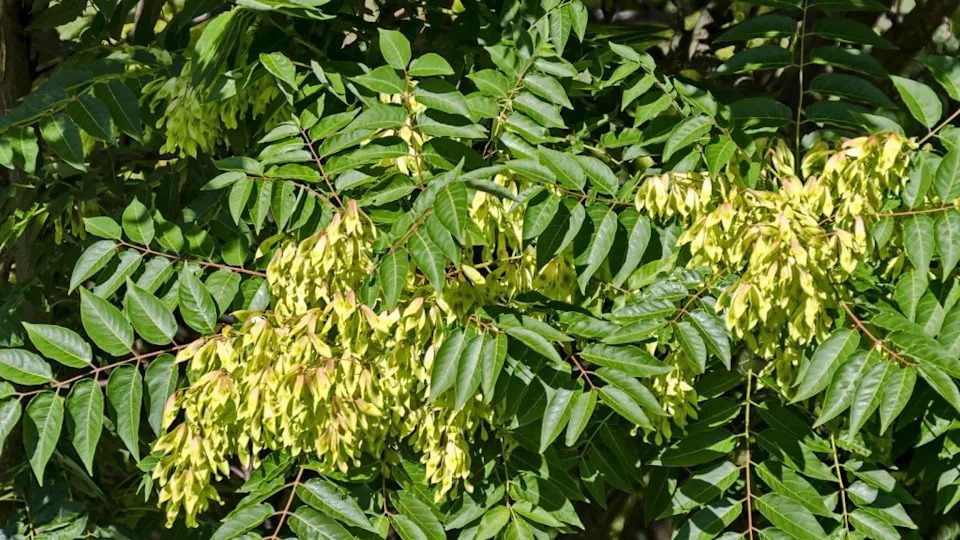
Image Credit: Deposit Photos
The tree of heaven may have a celestial name, but it is bad news in our gardens! This deciduous tree produces allelopathic chemicals that inhibit the growth of nearby plants, allowing it to spread rapidly and form dense stands. To eradicate the tree of heaven, cut down all growth and apply herbicide to the stumps.
Comments are closed.