
 2 min read
It seems we’ve all shared the universal experience of taking a quiet morning walk around our neighborhood or leisurely relaxing on a patio, only to be disturbed by the dreaded sound of a leaf blower. Don’t get us wrong: We understand the desire to have a perfectly manicured lawn no matter the season (it boosts the curb appeal of your home, after all!). However, what if we told you there are actually ecological benefits to keeping at least some of those leaves in your yard during the colder months?
Victoria Crenshaw, owner of Birmingham, Alabama–based Fleurish Gardens, explains that keeping fallen leaves in your yard over the winter and early spring supports your local environment. “Rather than raking up your leaves and putting them in plastic bags to be hauled off to a landfill, leaving them in your yard provides shelter to beneficial insects,” Crenshaw says. “Many species of bees, fireflies, butterflies, moths, and other garden friends spend the winter sheltering under fallen leaves as eggs, larva, caterpillars, or chrysalises.”
 beekeepx//Getty Images
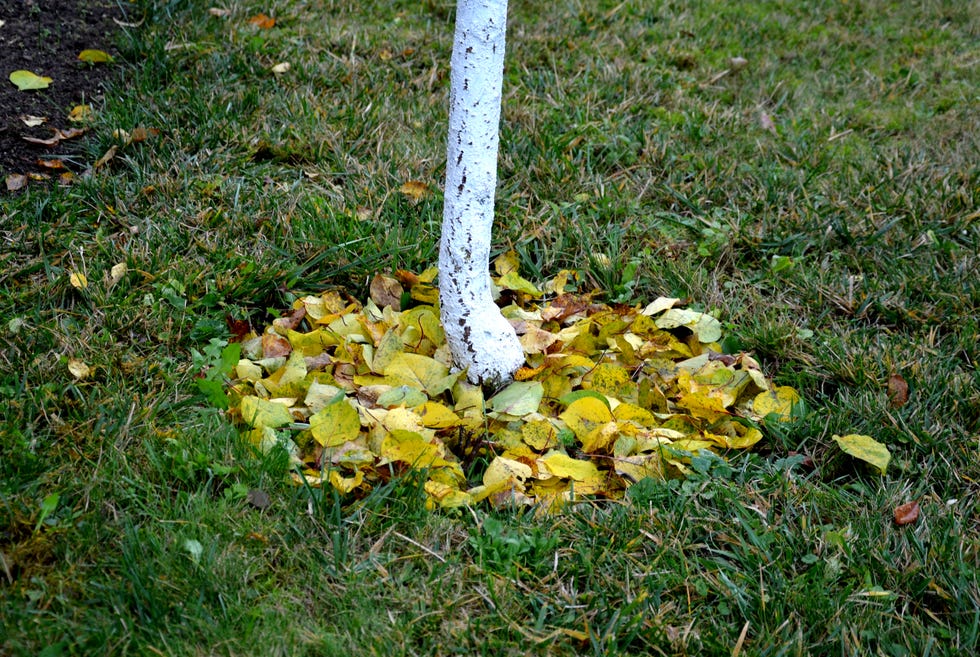
Placing leaves around the base of tree can help protect it from cold weather.
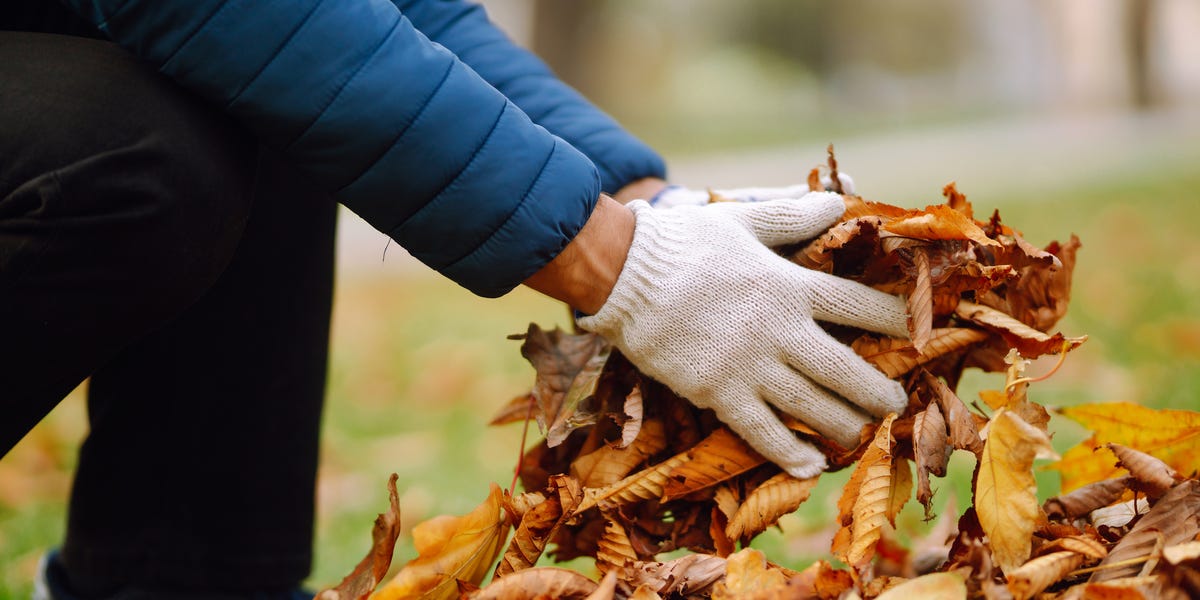
The fallen leaves also act as a natural fertilizer, providing nutrient-rich organic matter as they break down. This improves soil health in your yard and garden and acts as a protective mulch layer for plants during the cold temperatures. Crenshaw adds that you don’t need to keep the leaves scattered throughout your entire yard to see the benefits; a small pile intentionally placed in your backyard, garden beds, or even a compost pile will do wonders.
She says, “Rake leaves into your garden beds or around the base of trees as a mulch or into piles. As the leaves break down, they create leaf mold, which is a great amendment to garden soil. Additionally, you can use them in your compost pile as a brown material to balance your green materials.”
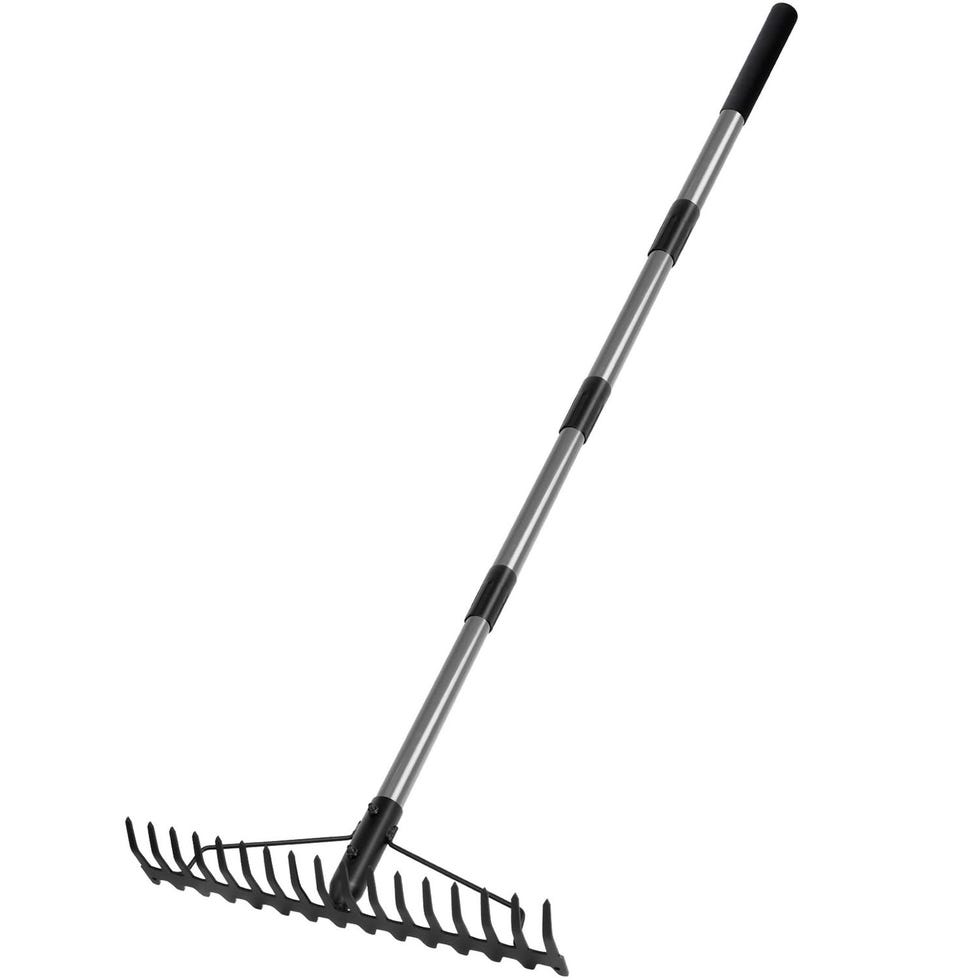
Walensee Bow Rake
If you want to try spreading a layer out on a pesky bare spot, make sure the layer is thin, as too much piled on can suppress grass growth. Hold off cleaning up the leaves until spring has officially rolled in and the risk of freezing temperatures has passed. Don’t throw them away, though, as the leaves still can have beneficial effects as you start tending to your garden. “You can rake any leftover leaves into your garden beds, compost pile, or anywhere else you need them to suppress weeds,” says Crenshaw. “They will continue to break down and benefit your soil.”
With so many benefits to the ecosystem and your own garden, you don’t have to worry about cleaning every last leaf from your yard—and can keep that leaf blower stored away.

Sarah DiMarco (she/her) is the associate editor at VERANDA, where she produces and edits engaging content covering design, architecture, art, gardening, and travel. Since joining the team in 2019, she has written captivating house tours, in-depth features on emerging design trends, practical gardening guides, and inspiring travel stories. Over the course of her five-year career, she has cultivated a strong network of multidisciplinary designers whose expertise she frequently draws on for her stories. Prior to joining VERANDA, she earned her master’s degree in Magazine, Newspaper, and Online Journalism at Syracuse University. When she’s not writing or researching her next feature, you’ll find her experimenting in the kitchen, making pottery, or volunteering at the Desert Island Supply Co.
Comments are closed.