
“Hearst Magazines and Yahoo may earn commission or revenue on some items through these links.”
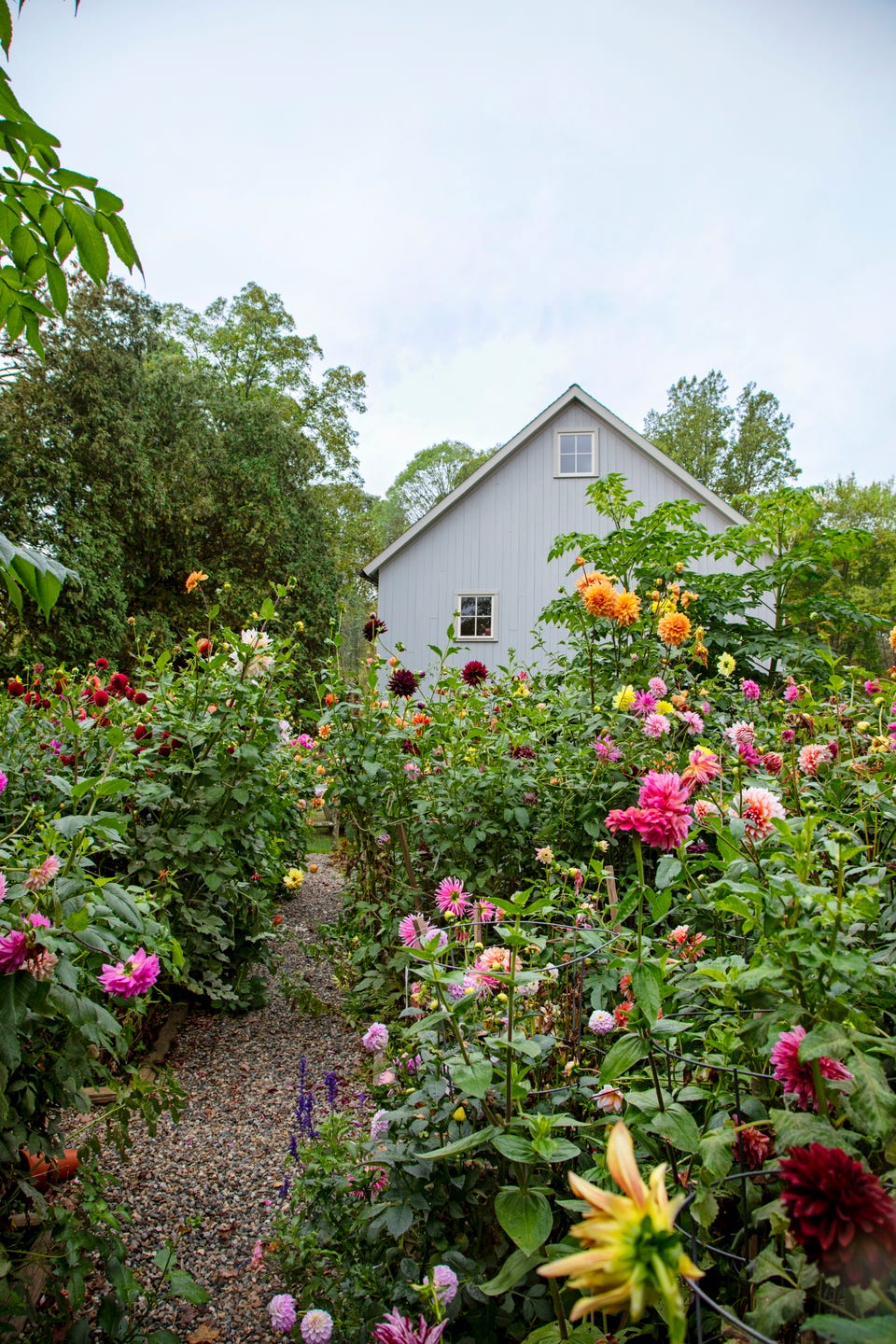
Is there anything dreamier than a lush cottage garden filled with colorful, sweet-smelling blooms? I’m an amateur gardener, and this is my ultimate fantasy—along with a wicker basket and shears for snipping and collecting flowers.
There are many ways to define a cottage garden, but they typically tend to have a full, naturalistic design (no neat, orderly rows) with layers of annuals and perennials that bloom at different times. Many incorporate herbs and edible flowers like pansies.
“I always think of a cottage garden as whimsical and fairy tale-like, and just spilling over with blooms,” says Elizabeth Brown, owner of Foxglove Farmhouse in York, Maine, and author of The Beginner’s Cut Flower Garden: Grow, Nourish, and Create Bliss Year-Round. And you don’t necessarily need a ton of space to grow one. “Even if you have a postage stamp-size garden and you want to maximize that little bit of land, you can pack it to the brim with things that are all sorts of different textures and colors.”
Every year, I get a little closer to my cottage garden goal, and one easy way to get there is to choose flowers that will come back without replanting. These are Brown’s favorite perennials and self-sowing biennials if you want to fill your garden with color, scent, and whimsy for months on end.
Hollyhocks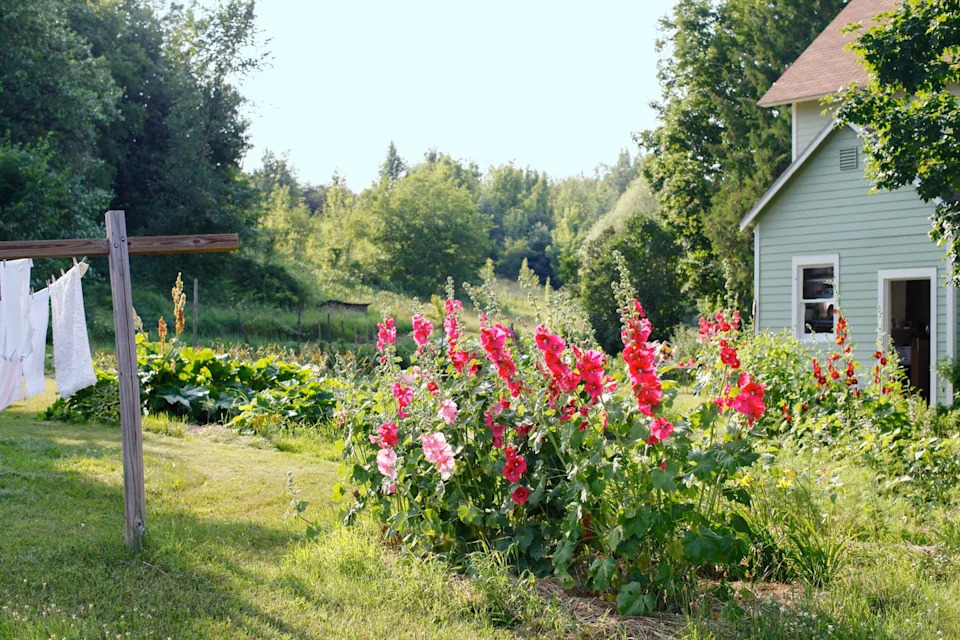
Christine Chitnis
“I naturally think of tall flowers when I think of cottage gardens,” says Brown. “Hollyhocks are biennial, so they come back every other year. The first year you have one, it’ll only put on leaves and then in the second year, you get those incredible tall blossoms.” Seeds from the flowers will self-sow, and the cycle starts over again. Not only do these plants add height to your garden, they come in just about every color you could want, and some varieties even have ruffled double petals. Brown recommends planting a hollyhock one year and then another one the next year, so you’ll have constant blooms.
Delphiniums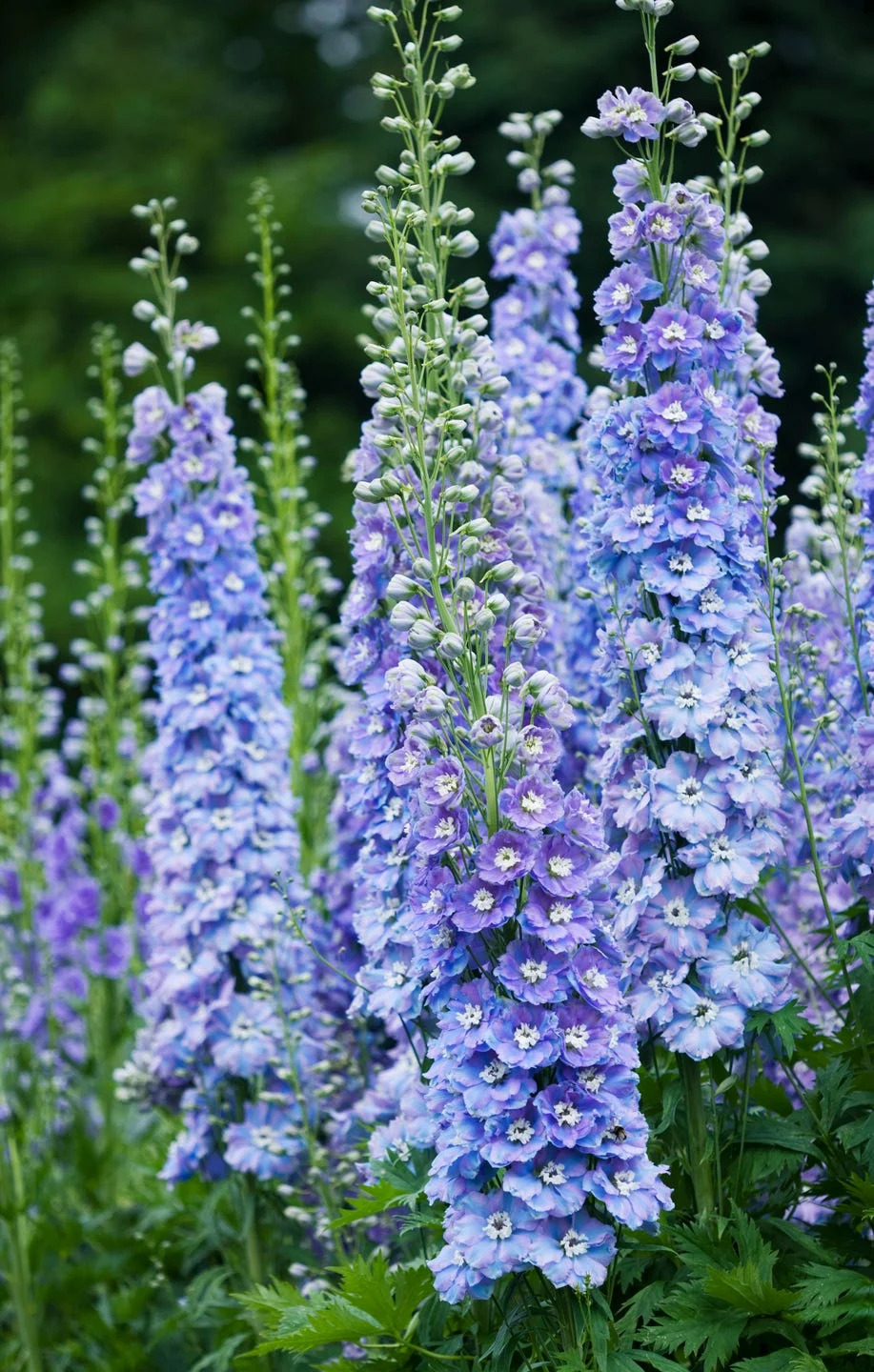
Clive Nichols – Getty Images
Another plant with drama and height, delphiniums have long stalks covered with small flowers, making them a great choice for cutting gardens. “Some of my favorite blue and purple colors in the garden come from delphiniums,” says Brown. “There are so many different varieties; you could go wild with them in your garden.”
Foxgloves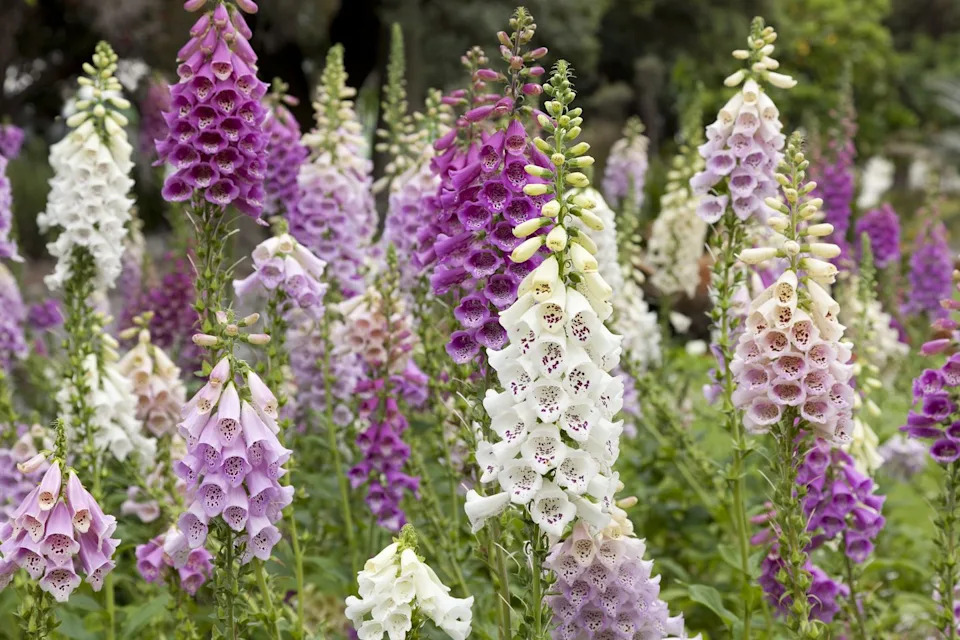
PicturePartners – Getty Images
Hummingbirds (and people) love the unique, cone-shaped blooms of this lovely plant. While most foxgloves are biennial, Brown says there are some varieties, like one called Dalmation, that will flower every year. (Even if you have a biennial variety, they also readily self-seed.) Like hollyhocks, foxgloves are tall and come in an eye-popping range of colors. A word of caution, though—foxglove is toxic if consumed.
Peonies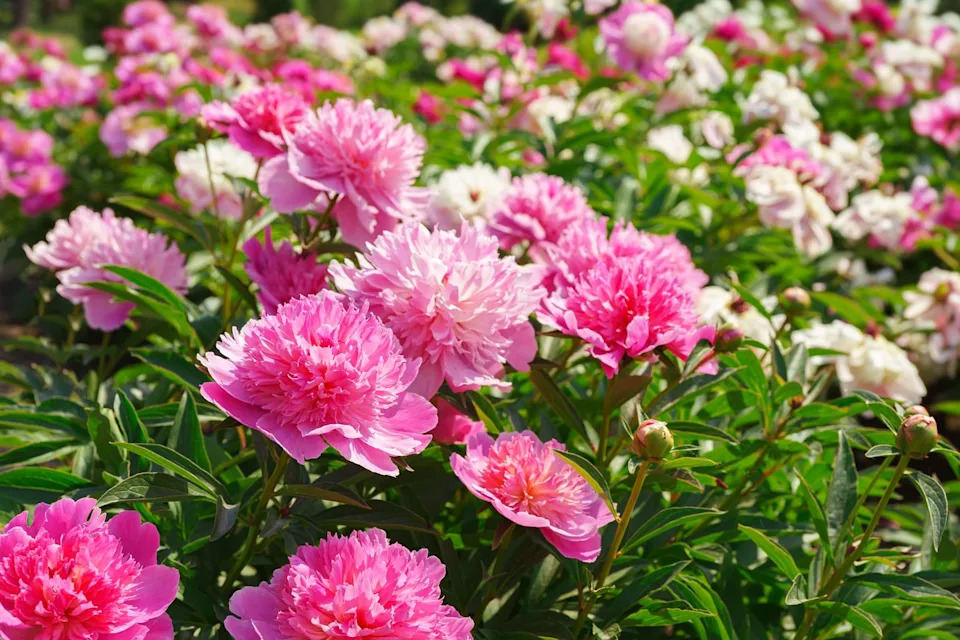
zlyka2008 – Getty Images
With their piles of petals and heady aroma, peonies are a cottage garden staple. They are easier to grow than you might think and will return each year, usually with more blooms than the last. “Even though peonies only bloom for a short period of time, I think the leaves are really beautiful. Even after the flowers pass, you can deadhead them and they’re still nice shrubbery to have,” Brown says.
Masterwort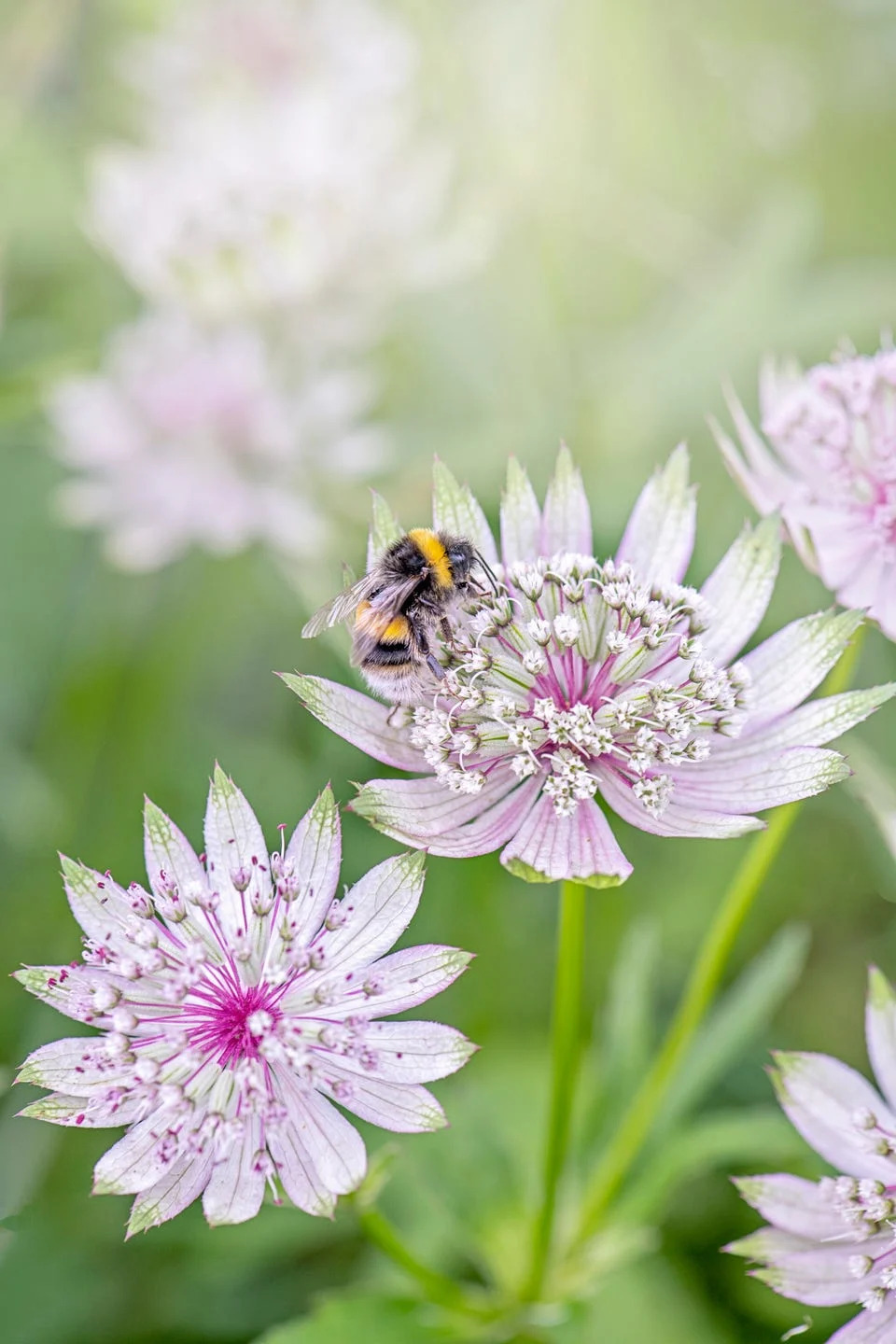
Jacky Parker Photography – Getty Images
If you’ve never heard of this plant (also named astrantia), you’re not alone. “This is the perennial that when folks come to my garden—even experienced gardeners—they look at it and go, ‘What is that? I’ve never seen it’,” says Brown. These unusual star-shaped flowers bloom throughout the summer and have a light, papery texture, similar to straw flowers. “They have sort of a short bloom window, but they dry wonderfully,” she says.
Roses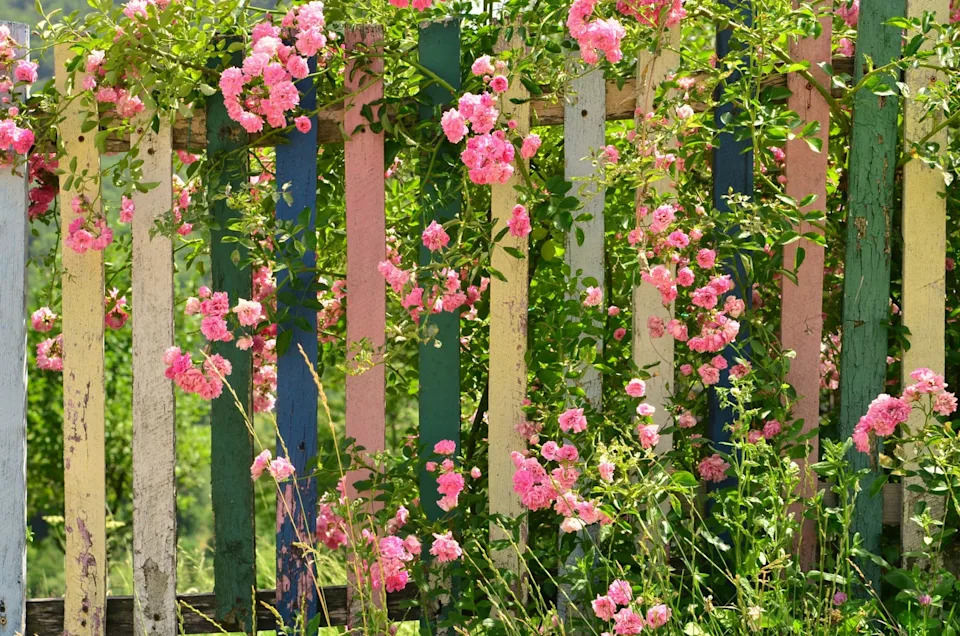
photon64 – Getty Images
Roses are a classic addition to any cottage garden, especially varieties with lots of color and fragrance. While roses require pruning, fertilization, and a little more care than other types of flowers, they will reliably return each year. And don’t forget about climbing varieties, which look charming covering a trellis, fence, or an arbor.
You Might Also Like
Comments are closed.