
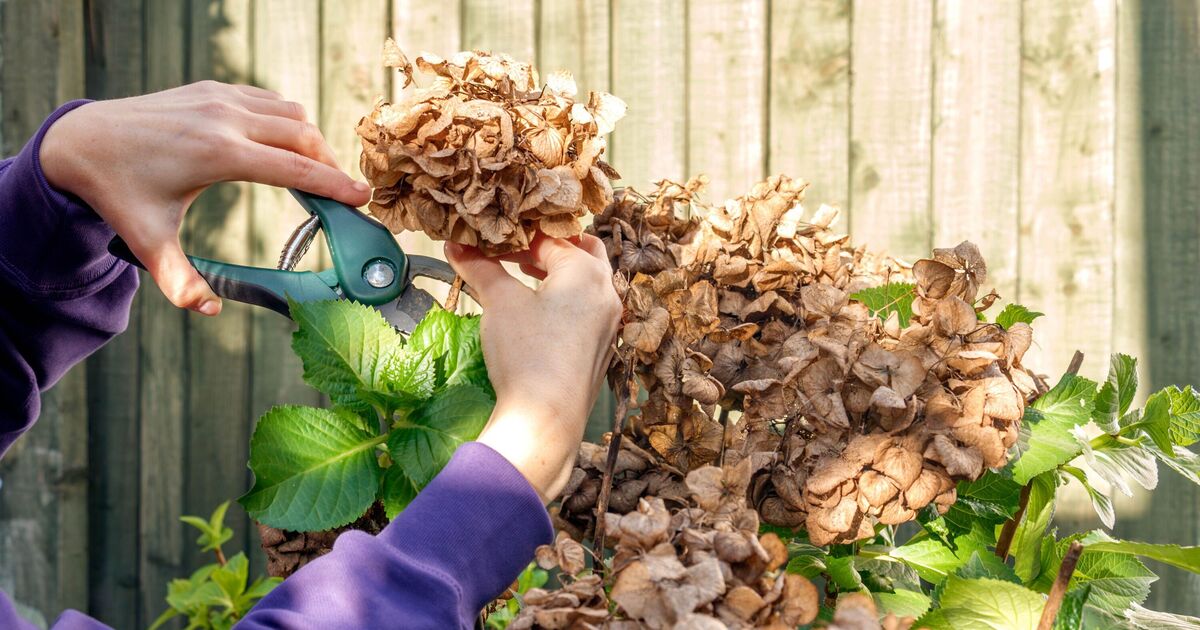

Gardeners are advised to get pruning this month (Image: Getty)
Spring has sprung in the UK and gardeners are being advised to get pruning. A bit of careful cutting in March will ensure lush growth and help your garden look at its best over the coming months.
Experts say March is one of the most important months in the garden as many plants wake from dormancy. It is the ideal time to prune which is essential for maintaining plant health as it enhances air circulation and boosts flower production. You can make sure they stay healthy by cutting back parts of a plant, like branches, stems and leaves.
READ MORE: Gardeners urged not to throw away everyday item as it has ‘lovely’ use
READ MORE: Lawns will never not be a deep green colour if you sprinkle on natural item
As reported by House Beautiful, Julian Palphramand, head of plants at British Garden Centres, has shared five popular plants that will benefit from pruning before the end of March. Although the occasional cold snap might catch gardeners out, the warmer weather means it’s safer to cut plants.
Roses
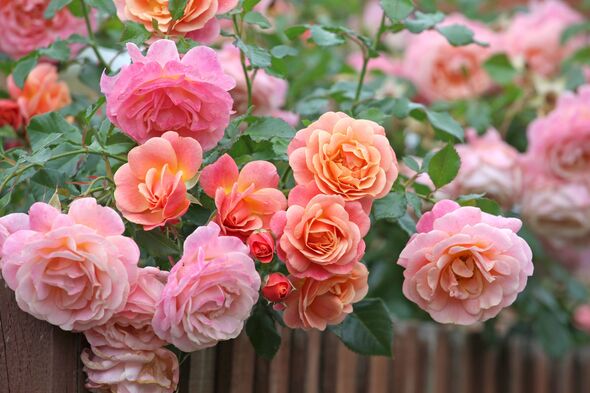
It’s the perfect time to prune roses (Image: Getty)
It’s important to prune roses to keep them healthy and blooming. Gardeners are advised to remove dead or damaged wood to encourage growth this spring.
Experts advising reducing the overall height and width of the plant by around one-third to one-half. They should also remove crossing or rubbing branches to increase airflow.
Julian said: “March is the moment to give roses a good tidy, just as they wake up for spring. Cut back to an outward-facing bud, remove any dead or crossing stems, and on climbers, shorten the side shoots to a few buds to keep the shape neat.”
Lavatera

Lavatera can get woody if not kept under control (Image: Getty)
Lavatera can grow quickly so it’s important to keep them under control. Experts say a good prune can help keep them under control ahead of the warmer months.
Gardeners should cut back hard around 30cm to 60cm in order to encourage new flowering. This ensures the plant will remain lush and full.
Julian explained: “Lavatera gets tall and woody if it’s not kept in check. In March, cut plants back hard to a low, sturdy stem above new buds to keep them compact and covered in flowers.”
Fuchsia

Fuchsia flowers should be cut back every year (Image: Getty)
Gardeners can cut fuchsias back to healthy buds near the base as they flower in spring. The plants should be cut back every year to maintain their health and shape.
For hardy fuchsias, gardeners should prune hard in early spring to around 10cm above ground level. This will ensure they bloom on new growth.
Julian said: “Wait until you see new growth starting, then remove the old, dead looking stems down to strong looking buds. This encourages a fresh flush of shoots and a better display of flowers later in summer.”
Hydrangea paniculata
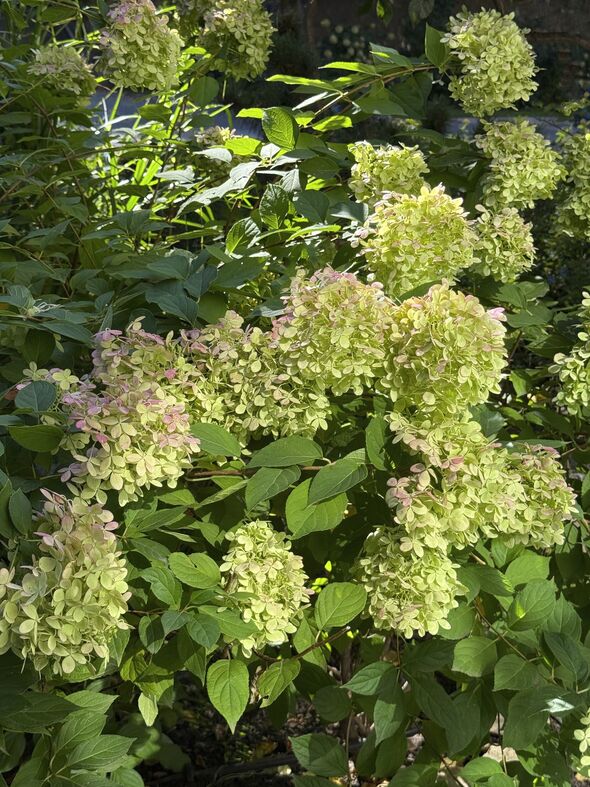
Hydrangeas can be cut back in spring without losing blossoms (Image: Getty)
Hydrangeas are tough and resilient which means you can cut them back in early spring without losing this year’s blossoms. Gardeners should remove all dead wood from the plant to encourage better blooms this year.
Julian advised: “By March, you can remove the old flower heads and cut each stem back to a pair of new buds. This keeps the plant in shape and helps produce larger, showy panicles later in the year.”
Hydrangea arborescens
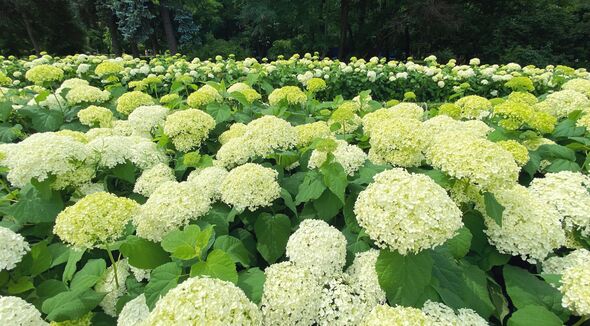
Hydrangea arborescens respond well to pruning (Image: Getty)
Hydrangea arborescens, which produce large rounded “snowball” flowers, reshoot from the base. They cope well with cold winters and respond well to pruning.
Julian said: “These hydrangeas flower on new wood, so they respond well to a hard prune. Cut back low in early spring to encourage vigorous new stems and big mophead blooms.”
Comments are closed.