
It’s hard to tell exactly when spring begins this year, with the 50-degree days in February and now back to the chance of snow in March.
With the longer days and warmer temperatures, many gardeners are ready to be outside again, regardless of the weather. Others wait for the vernal equinox, like the ancients who celebrated the new growing season with rituals and ceremonies. The spring readiness checklist for gardeners generally includes the following activities — whenever we can get to them.
Planting
March is the perfect time to plant bare-root berries, fruit trees, roses and other plants. Temperatures are still cool, plants are mostly dormant and the ground is moist (but hopefully not overly saturated). It’s a forgiving time to transplant plants that might do better elsewhere, might be outgrowing their space, or if garden space needs to be converted to a different use. Mid-March also marks the traditional best time to plant potatoes and onions.
Pruning
Now is also an ideal moment to prune many plants, keeping in mind that pruning styles and timing vary greatly across plant varieties. It’s always good to remove dead and diseased wood. Make sure to clean your pruning gear carefully between cuts with alcohol to prevent the spread of potential pathogens. It’s easier to prevent pathogens by pruning on a dry day whenever possible.
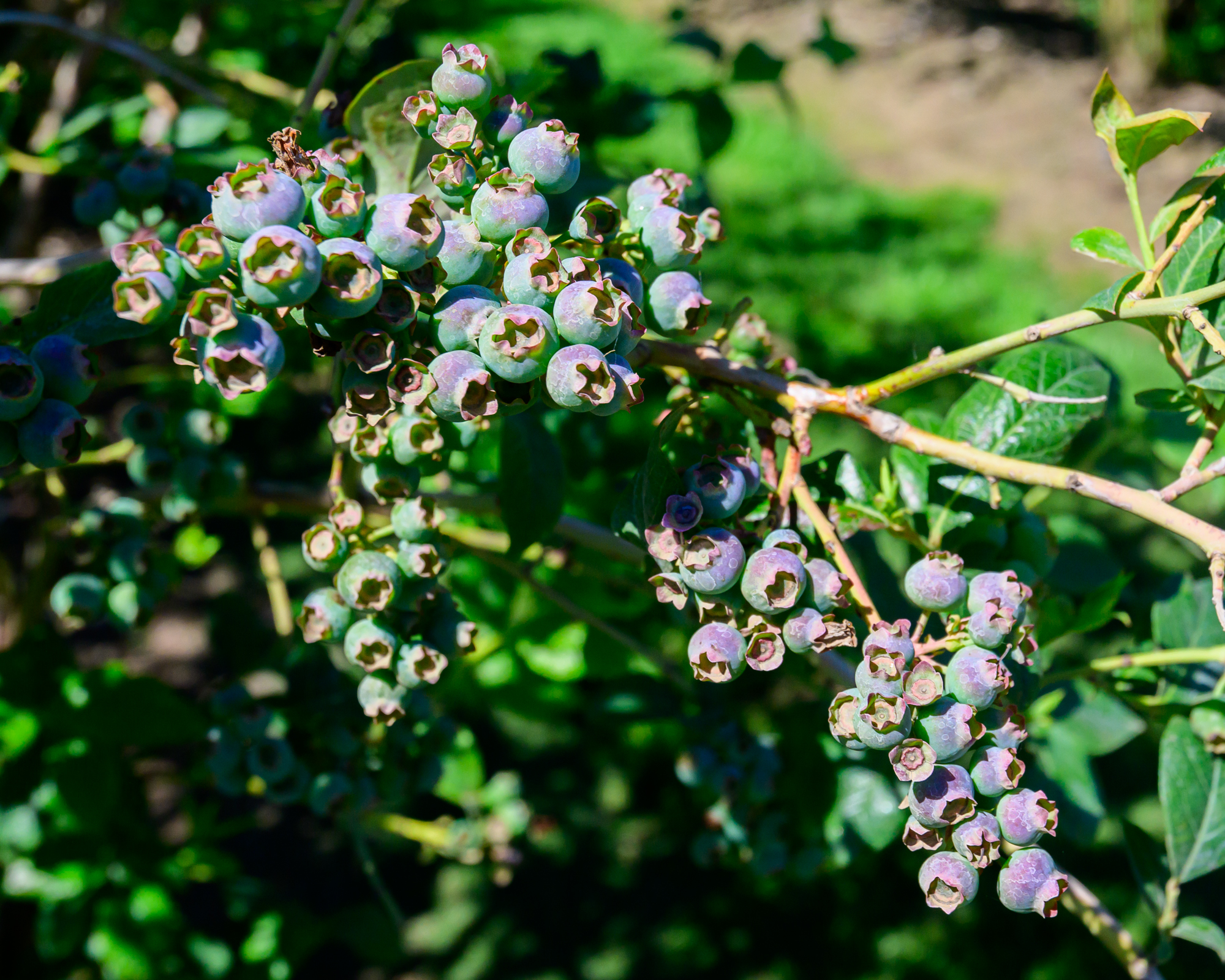
Fruit trees such as apples and pears (pome fruit), small fruits such as blueberries and currants, vines such as kiwis and grapes, and many others benefit from spring pruning. The goal is to stimulate vigorous new growth by thinning out weaker growth, opening up better airflow, improving access to the sun and preventing too much fruit load. Careful pruning can enhance the long-term health and productivity of the plant. Deciduous summer- and fall-blooming plants such as roses and hydrangeas benefit from knowledgeable spring pruning to promote long-term plant health and bloom quality.
Not all plants should be pruned in March. For many spring bloomers, such as rhododendrons and azaleas, pruning in spring would remove flower buds that are close to opening. Stone fruit, such as plums and peaches, are best pruned in warmer, drier weather due to their susceptibility to water-borne pathogens that are more common in spring. Cane berries, such as raspberries and blackberries, are best pruned in late summer or fall to remove the spent canes and thin weak canes for the following year; pruning in March would remove this summer’s fruiting canes.
Control pests and disease
Garden pests are waiting for the growing season just as eagerly as the gardeners are. Watch for snails and slugs: It can be time to put out the slug bait as they start hatching. Aphids will be out soon, so watch your roses and brush them off before they get too prolific.
If you’ve had fungus, coddling moths, flies or other pests in the past year, now is the best time to use the appropriate dormant spray on fruit trees or small fruit before bud break. Rust is a type of fungus that can be a problem for many types of plants during wetter weather in spring. It shows up as yellow, orange or red spots on leaves that develop into spores, and it’s hard to stop once it has started.
Removing affected foliage can mitigate the spread of the fungus, but the best prevention is a dormant spray that is targeted at the particular kind of rust affecting your raspberries, pears or other plants. Botrytis is another wet-weather fungus that preys on tulips, strawberries, and thin-skinned fruits or petals close to the ground. It’s difficult to stop once started, but removing affected foliage can help stop it from spreading.
Start a seed garden
Starting your own seeds is a great gardening project for March and can widen your plant choices considerably. If you have a bit of warm kitchen space — say above your fridge — to incubate seed trays, seed starting is extremely cost-effective. For the next few months, nurseries and other stores have abundant stocks of seeds and supplies in anticipation of the season.
The Salish Seed Guild can provide locally grown seeds and advice on all aspects of seeds, seed saving and seed starting. The WSU Extension office often has seeds available as well. Many local nurseries can offer good advice on getting started; some offer workshops on seed starting. Many community gardens, gardening clubs, and master gardeners have seed starting projects just getting underway.
Watch for wildlife
Watch for mason bees to begin to emerge in March when the temperatures warm consistently. Their innate sense of timing aligns with the blooming of flowers and fruit trees. If you already have mason bees, the males will be chewing their way out of their nest tubes first, followed shortly by the females (who are at the back of the tubes, where they are less susceptible to damage or predators).
Listen for the tree frogs just beginning to croak out their evening love songs this time of year. They will be looking for love in small vernal ponds and puddles that are pesticide-free and slightly acidic. The frogs and tadpoles eat a lot of mosquitoes and other insect pests, and they are a good indicator of a healthy ecosystem.
Marie Metivier-DeMasters is a Whatcom County master gardener and professional writer. She lives in Bellingham in a kitchen garden filled with beds, berries and a small orchard. A gardening column will appear monthly.
Comments are closed.