

Lavender experts say doing one gardening task before the end of March “encourages lots of flowers” and prevents plants from becoming woody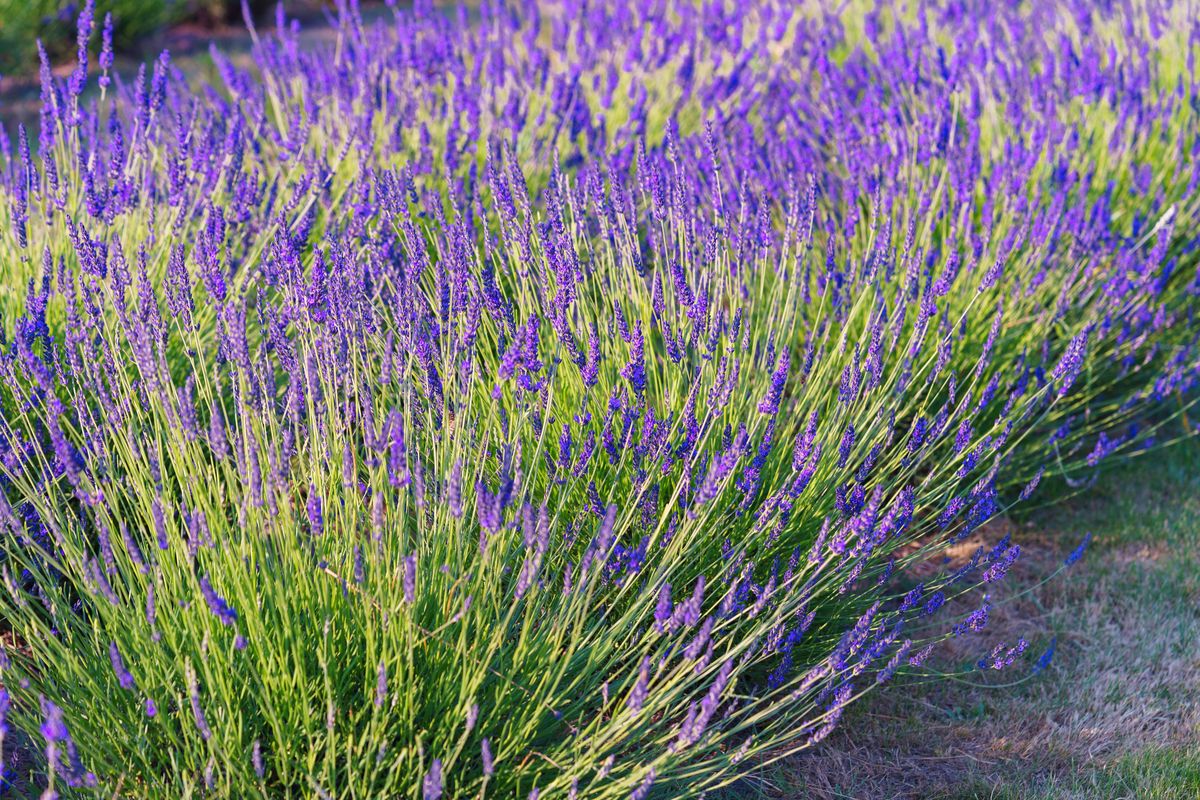
Anyone who wants their lavender to bloom more needs to do one thing before the end of March(Image: zlyka2008 via Getty Images)
Lavender stands as an absolute garden favourite. Yet, it doesn’t always bloom as abundantly and spectacularly as keen gardeners hope. This frequently stems from inadequate pruning or neglecting it entirely, as numerous errors can occur during the pruning process.
Proper lavender pruning should stop the plant from becoming excessively woody at its base, whilst forming only sparse, elongated shoots with limited foliage and blooms.
Consistent pruning maintains lavender’s shape and bolsters the plant’s vitality. According to horticulture specialists at Ashridge Trees, the initial trim must be completed in March.
They explained: “This tidies up your plants for summer, removing tatty winter growth, and encourages lots of flowers.”
Gardening pro Sarah Raven also noted that pruning lavender will “improve flowering” and highlighted that it stops the plant from becoming “woody”.

Pruning lavender encourages lots of flowers(Image: Andrey Abryutin via Getty Images)
Ashridge Trees cautioned that postponing pruning will “delay flowering, reducing the total amount of flowers over the season”.
March represents the perfect moment to “lightly trim” your lavender plants. You’ll want to save the “hard prune” until after lavender finishes flowering – typically around August.
Whilst you might be tempted to give your woody lavender a severe trim, it’s crucial for gardeners not to cut too deeply into the old wood.
Pruning the plant back to the old wood, which is leafless, could potentially kill the plant, particularly if it fails to sprout new leaves.
The more mature your lavender plant is, the more wood it will possess. If it’s been well-pruned in the past, it’s likely to have less wood.
How to prune lavender in March
Firstly, select a stem and examine it. Each stem should have a woody base with a leafy section above it.
Next, using a clean, sharp pair of secateurs or shears, snip the stem approximately two to three inches above the woody base in the leafy part of the stem.
This can be done with several stems at once. The key rule to bear in mind here is to avoid cutting into the woody part of the stems.
When trimming, aim to create a rounded shape by pruning the outer stems shorter than those in the centre. If there are any dead, frost-damaged or diseased branches, these should be removed.
Comments are closed.